Companion Care vs. Personal Care: Which Is Right for Your Loved One?
Introduction
As seniors age, families often begin searching for the right type of support to ensure their loved ones remain safe, comfortable, and happy at home. Two of the most common options available today are Companion Care and Personal Care. While these services may sound similar, they serve different purposes and address different levels of need.
Understanding the difference between them is essential for making the right decision. Choosing incorrectly can lead to either insufficient support or unnecessary services. On the other hand, selecting the right type of care can significantly improve quality of life, emotional wellbeing, and independence.
This article breaks down Companion Care vs. Personal Care, helping families understand which option best fits their loved one’s needs and how Personalized Care Plans can make all the difference.
What Is Companion Care?
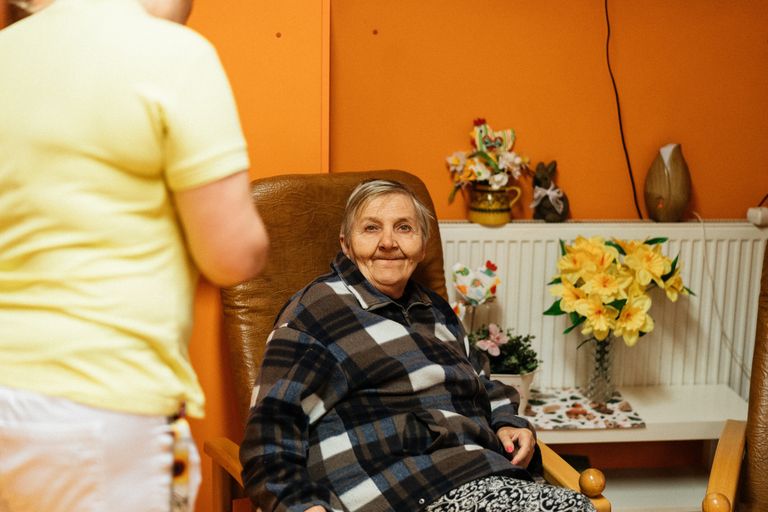
Companion Care focuses primarily on emotional support, social interaction, and non-medical assistance. It is designed for seniors who are still relatively independent but may experience loneliness, isolation, or reduced social engagement.
Companion caregivers act as friendly, supportive presences in the home. Their role is to provide interaction and encouragement rather than hands-on physical assistance.
Common Services in Companion Care
- Conversation and emotional support
- Playing games, reading, and hobbies
- Accompanying seniors on walks or outings
- Light housekeeping (tidying, laundry, dishes)
- Meal preparation and shared meals
- Transportation to appointments or social events
- Encouraging mental stimulation activities
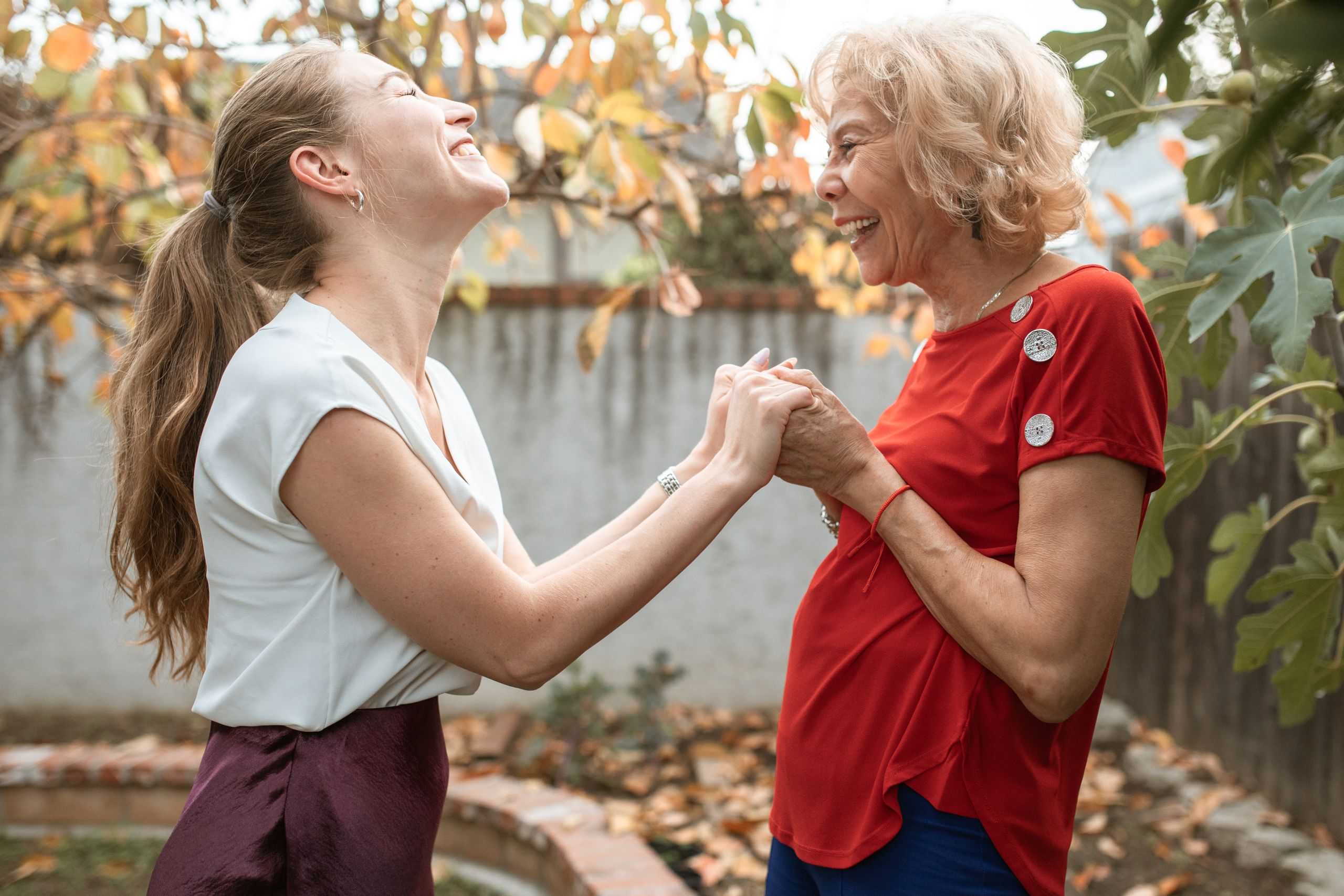
The goal of Companion Care is simple: to reduce loneliness and improve emotional wellbeing.
What Is Personal Care?
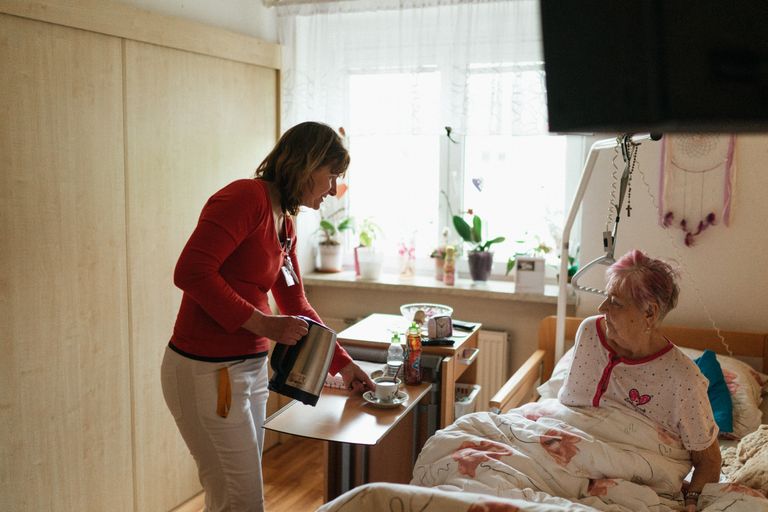
Personal Care goes a step further by providing hands-on assistance with daily living activities. It is designed for seniors who may have difficulty with physical tasks due to aging, illness, or disability.
This type of care is more task-oriented and includes physical support with hygiene, mobility, and basic health-related needs.
Common Services in Personal Care
- Bathing and grooming assistance
- Dressing and undressing
- Toileting and continence care
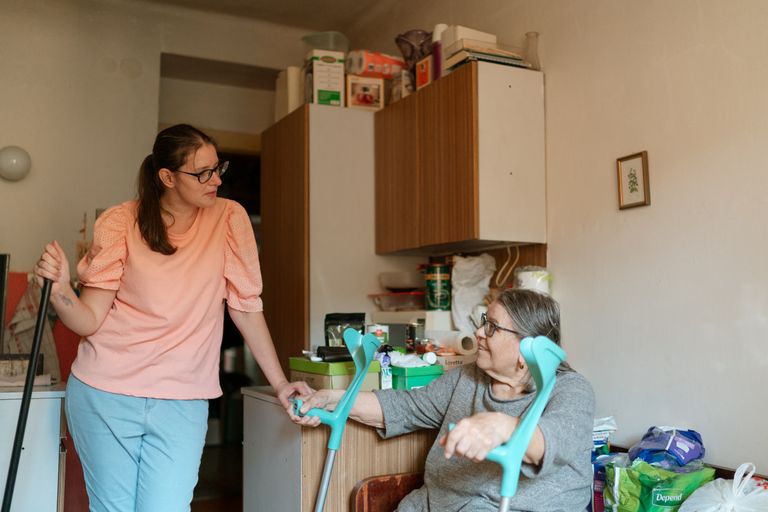
- Mobility and transfer support
- Meal preparation and feeding assistance
- Medication reminders
- Fall prevention and safety supervision
Unlike companion care, personal care is more physically involved and is often essential for seniors who need regular daily assistance.
Key Differences Between Companion Care and Personal Care
Although both services aim to improve quality of life, they serve different purposes. Understanding these differences helps families make informed decisions.
| Feature | Companion Care | Personal Care |
|---|---|---|
| Focus | Emotional and social support | Physical assistance with daily tasks |
| Level of Support | Low to moderate | Moderate to high |
| Medical Assistance | None | Limited (non-medical) |
| Independence Level | High independence | Reduced independence |
| Activities | Social engagement, companionship | Hygiene, mobility, daily living support |
In simple terms, Companion Care focuses on connection, while Personal Care focuses on physical assistance.
When Companion Care Is the Right Choice
Companion care is ideal for seniors who are still active but may be experiencing emotional or social challenges.
Signs Your Loved One May Need Companion Care
- They live alone and feel isolated
- They have limited social interaction
- They are still physically independent
- They need help with light daily tasks
- They enjoy activities but lack companionship
Companion care helps maintain emotional balance and keeps seniors mentally engaged. It is especially beneficial for preventing loneliness, which is a growing concern among older adults.
When Personal Care Is the Right Choice
Personal care becomes necessary when seniors begin to struggle with physical tasks that affect their daily living.
Signs Your Loved One May Need Personal Care
- Difficulty bathing or dressing
- Trouble walking or frequent falls
- Forgetfulness with meals or medications
- Chronic illness affecting mobility
- Reduced ability to perform daily hygiene tasks
In these cases, Personal Care ensures safety, dignity, and consistent support throughout the day.
The Importance of Personalized Care Plans
Every senior is unique, and no two care journeys are the same. This is why Personalized Care Plans are essential in both companion and personal care services.
A personalized plan ensures that care is tailored to the individual’s physical condition, emotional needs, lifestyle, and preferences.
Benefits of Personalized Care Plans
- Ensures appropriate level of care
- Improves comfort and trust
- Adapts as needs change over time
- Balances independence with support
- Enhances overall quality of life
For example, a senior may start with companion care and gradually transition into personal care as their needs evolve. A flexible plan ensures smooth transitions without disruption.
Can Companion Care and Personal Care Work Together?
Yes—many families benefit from combining both services.
For instance, a caregiver may provide personal care assistance in the morning (helping with bathing and dressing) and companion care in the afternoon (engaging in conversation or activities).
This blended approach ensures both physical and emotional needs are fully met.
It also creates a more holistic care experience that supports the whole person, not just their physical condition.
Emotional Benefits of Companion Care
Companion care plays a powerful role in improving mental and emotional health.
Seniors who receive regular companionship often experience:
- Reduced loneliness
- Improved mood
- Increased cognitive stimulation
- Better overall happiness
- Stronger sense of purpose
Human connection is a fundamental need, especially in later years. Even simple conversations can significantly improve emotional wellbeing.
Physical Benefits of Personal Care
Personal care ensures that seniors remain safe and healthy while performing essential daily activities.
Key physical benefits include:
- Reduced risk of falls
- Improved hygiene and comfort
- Better medication adherence
- Enhanced mobility support
- Reduced strain on family caregivers
This level of care helps seniors maintain dignity while receiving necessary physical support.
Cost Considerations
Families often consider cost when choosing between companion and personal care.
Generally:
- Companion care is less expensive due to lower physical involvement
- Personal care may cost more due to the higher level of support required
However, costs vary depending on hours of care, frequency, and individual needs. Many families find that personalized care plans help optimize affordability by matching services to actual requirements.
Making the Right Decision for Your Loved One
Choosing between companion care and personal care depends on several factors:
- Physical health condition
- Level of independence
- Emotional and social needs
- Family availability
- Safety risks at home
In many cases, families start with companion care and transition to personal care as needs increase. Regular assessments help ensure the right level of support is always in place.
Conclusion
Both Companion Care and Personal Care play essential roles in supporting seniors, but they serve different purposes. Companion care focuses on emotional wellbeing and social interaction, while personal care provides hands-on assistance with daily activities.
The best choice depends entirely on the individual’s needs, and in many cases, a combination of both services works best through Personalized Care Plans that evolve over time.
For families seeking reliable support that balances dignity, independence, and comfort, Blessed Hands Home Care offer compassionate and personalized services that ensure seniors receive the right care at every stage of aging.
FAQs
1. What is the main difference between companion care and personal care?
Companion care focuses on emotional support and social interaction, while personal care provides physical assistance with daily activities.
2. Can a senior receive both companion and personal care?
Yes, many care plans combine both services depending on individual needs.
3. Who benefits most from companion care?
Seniors who are mostly independent but experience loneliness or social isolation.
4. When is personal care necessary?
When a senior has difficulty with hygiene, mobility, or other daily living tasks.
5. Are personalized care plans important?
Yes, they ensure care is tailored to individual needs and can adapt as conditions change.