The Growing Demand for Caregiver Jobs in the Home Care Industry
The healthcare landscape is undergoing a massive, permanent shift. As millions of older adults choose to age in place rather than transition to institutional facilities, the focus of long-term care has moved out of hospitals and nursing homes and directly into residential living rooms. This historic demographic pivot has triggered an unprecedented surge in the need for Professional Caregivers, turning Caregiver Recruitment into one of the most critical challenges and fastest-growing employment sectors in the nation.
For job seekers, compassionate individuals, and healthcare professionals, this trend represents a vast field of opportunity. Caregiver Jobs are no longer just temporary roles; they are the foundation of a vital industry that supports senior independence, family stability, and community wellness.
The Demographics Driving the Home Care Boom
The primary catalyst behind the exploding demand for Caregiver Jobs is a simple matter of numbers. The “Baby Boomer” generation—those born between 1946 and 1964—is entering its peak senior years. By the 2030s, the entire Boomer cohort will be over the age of 65, meaning older adults will outnumber children for the first time in history.
DEMOGRAPHIC TRANSITION BY THE NUMBERS
┌────────────────────────────────────────────────────────┐
│  ■ 10,000+ Baby Boomers turn 65 every single day       │
│  ■ 90% of seniors prefer to age in place at home       │
│  ■ Caregiver employment projected to grow over 20-30%   │
└────────────────────────────────────────────────────────┘
This aging population is living longer than previous generations, but longevity often brings complex, chronic health challenges. Conditions like cardiovascular disease, diabetes, and cognitive decline require sustained daily support. Because the vast majority of seniors express a fierce preference for Aging in Place, families are relying heavily on a Home Care Agency to bridge the gap between independent living and medical institutionalization.
Understanding the Spectrum of Home Care Services
To understand why Caregiver Recruitment is scaling up so rapidly, it is essential to look at the diverse, highly personalized spectrum of Home Care Services required by modern families. Caregiving is not a one-size-fits-all profession; it spans multiple tiers of assistance tailored to the physical, emotional, and cognitive needs of individual seniors.
                          ┌───────────────────────┐
                          │   IN-HOME CARE TYPES  │
                          └───────────┬───────────┘
                                      │
         ┌────────────────────────────┼────────────────────────────┐
         ▼                            ▼                            ▼
┌─────────────────┐          ┌─────────────────┐          ┌─────────────────┐
│   HOURLY CARE   │          │  OVERNIGHT CARE │          │  LIVE-IN CARE   │
│ 2 to 8-hour shift │          │ Twilight safety │          │ 24-Hour support │
│ Meals & errands │          │ Fall prevention │          │ Full management │
└─────────────────┘          └─────────────────┘          └─────────────────┘
1. Personal Care Assistance & Companion Care
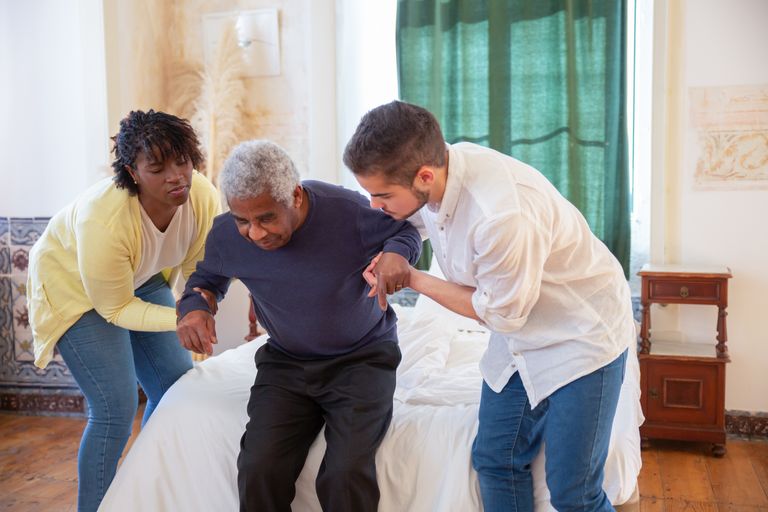
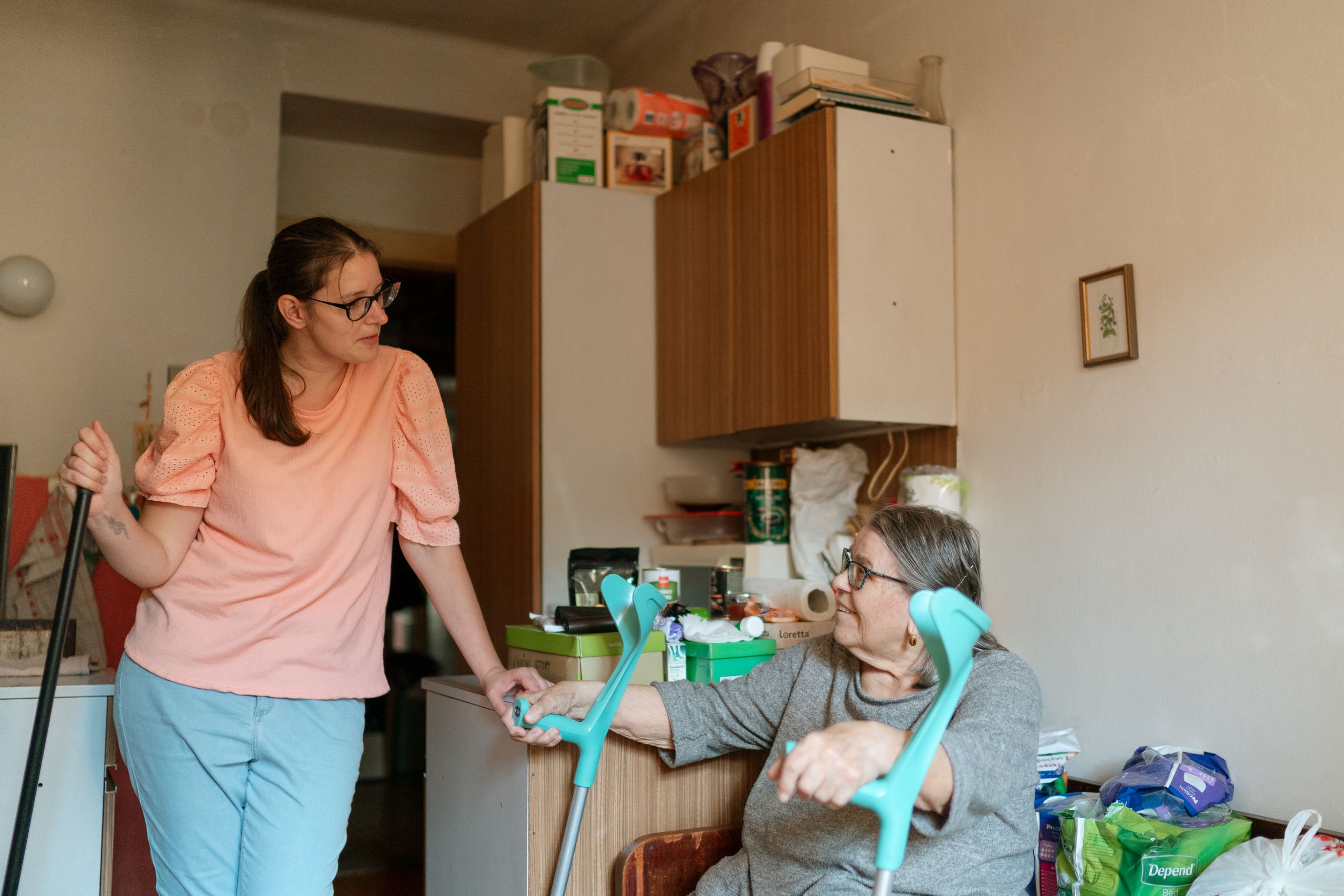
At its core, non-medical home care focuses on maintaining a dignified quality of life. Personal Care Assistance encompasses the vital logistical tasks of daily living, including bathing, dressing, grooming, and mobility support.
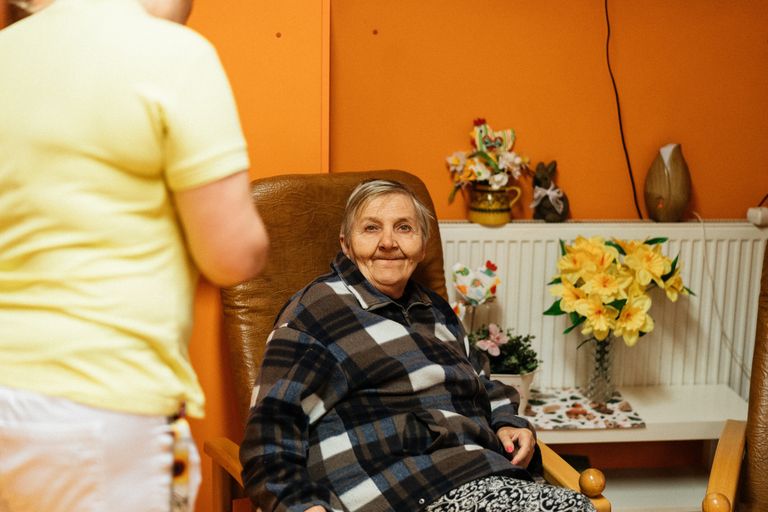
Simultaneously, Companion Care tackles an equally dangerous threat to senior health: isolation. Elderly Companionship protects seniors from the profound mental and physical decline associated with loneliness, ensuring they stay socially engaged, mentally active, and emotionally anchored.
2. Specialized Cognitive Care
The dramatic rise in neurological conditions has created an acute demand for specialized Alzheimer’s Care and Dementia Care. Managing cognitive decline requires specialized training, steady emotional resilience, and deep empathy. Professional Caregivers in this niche use behavior diversion techniques, memory exercises, and strict safety protocols to manage wandering and confusion, allowing seniors to live safely in familiar home surroundings.
3. Around-the-Clock Support Structures
Family caregiving demands do not stop when the sun goes down. To prevent burnout among adult children, agencies design tiered scheduling models:
- Hourly Care: Short, targeted shifts (e.g., 4 hours) to assist with morning routines, grocery shopping, or evening meals.
- Overnight Care: Active monitoring during the night to assist with late-night bathroom trips and prevent dangerous falls.
- Live-In Care & 24-Hour Care: Complete, continuous coverage where rotating shifts of Skilled Caregivers manage the household and personal safety every hour of the day.
The Crucial Role of Non-Medical Home Care Support
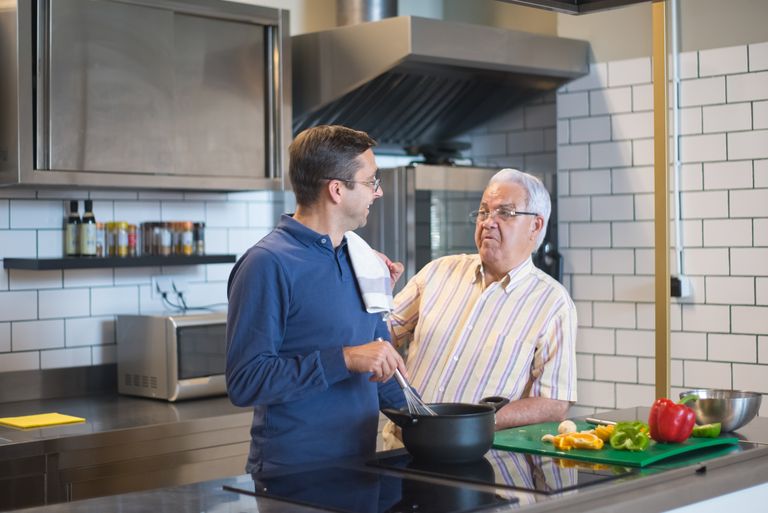
While medical home health care handles clinical needs like physical therapy or wound care, non-medical Elder Care Solutions focus heavily on preventative safety and environmental management. A clean, organized house and a well-nourished body are the best insurance policies against hospital readmissions.
| Service Area | Core Caregiver Responsibilities | Impact on Senior Wellness |
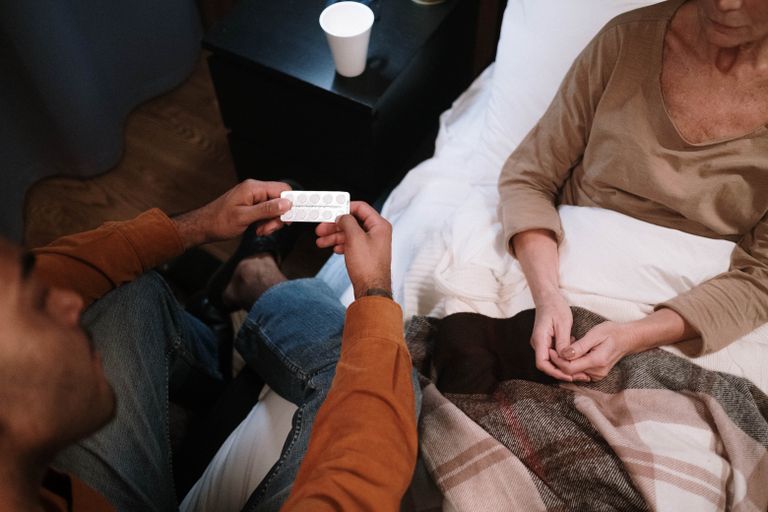
| Medication Management | Providing timely reminders, opening pill organizers, and tracking refills. | Prevents dangerous accidental overdoses or missed doses. |
| Meal Preparation Assistance | Cooking nutritious meals that adhere to dietary limits (low-sodium, diabetic-friendly). | Counters malnutrition and physical frailty in isolated seniors. |
| Independent Living Support | Light housekeeping, laundry, running errands, and organizing living spaces. | Minimizes tripping hazards and keeps the home sanitary. |
| Respite Care | Stepping in for short periods to give unpaid family caregivers a necessary break. | Reduces family burnout and preserves long-term family harmony. |
The Caregiver Impact: By addressing these foundational daily needs, home care providers provide a sustainable Assisted Living Alternative. They preserve Senior Independence while giving worried family members immense peace of mind.
Inside Caregiver Recruitment: Why Agencies are Hiring
Because the need for care is rising exponentially, home care agencies are reshaping their hiring practices to attract top talent. Caregiver Recruitment is no longer just about filling open schedules; it is focused on building long-term, professionalized career pathways for people with a true heart for service.
Modern agencies are looking for individuals who can combine soft skills—like patience, active listening, and Compassionate Home Support—with practical competencies. To build this workforce, forward-thinking organizations are offering:
- Paid specialized training programs (such as advanced dementia certifications).
- Flexible hourly schedules that cater to nursing students, parents, and career changers.
- Structured career advancement opportunities from entry-level aides to care coordinators.
This professionalization means that stepping into a caregiving role is a viable, recession-proof career choice. The skills developed in home care are universally valuable and always in high demand.
Career Benefits: Why Choose a Professional Caregiving Path?
If you are looking at the current job market, entering the home care industry offers unique benefits that standard corporate jobs simply cannot replicate:
- Unmatched Job Security: Automation and economic recessions cannot replace human empathy. The demand for care is tied to biology and demographics, making it one of the most stable career fields available.
- Unparalleled Emotional Reward: Every single shift has an immediate, tangible impact. You see firsthand how your presence lifts a senior’s spirits, preserves their dignity, and relieves a family’s anxiety.
- Invaluable Healthcare Foundations: For those aspiring to progress into nursing, social work, or healthcare administration, working as an in-home caregiver provides unparalleled practical experience in patient communication and care coordination.
Navigating the Future of Longevity
The rise in demand for caregiving is more than just an employment statistic; it reflects a deep societal change in how we value and care for our elders. The home care industry provides the vital framework that allows our seniors to live out their lives with grace, dignity, and autonomy in the places they love most.
As communities like West Chester, Ohio, expand their networks of support, the call for dedicated, loving, and professional individuals to step into caregiving roles will only grow louder. By choosing this path, you enter a vital, expanding industry where your daily work is not just a job—it is a life-changing service to families and communities.
Explore Your Options in Home Care
Whether you are looking for a meaningful career change or seeking care solutions for an aging loved one, Blessed Hands Home Care can gives answers to all your enquiries around home care.