How Social Connection Improves Health and Well-Being for Seniors
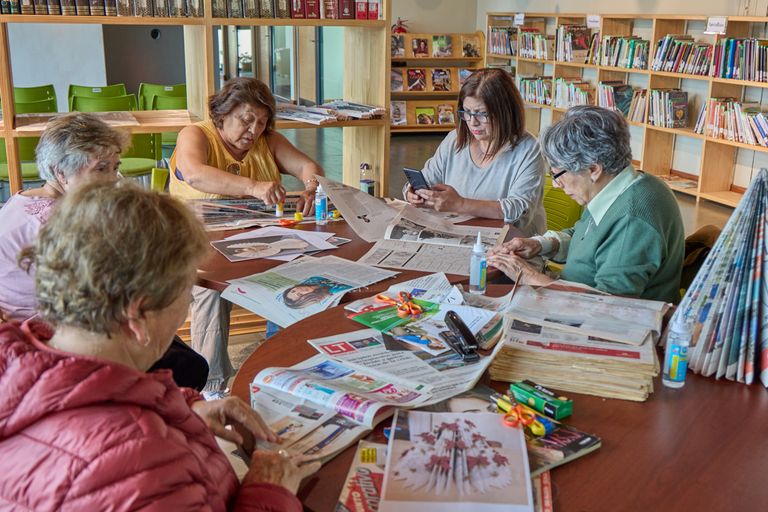
Strong relationships are one of the most important foundations of a happy and healthy life. No matter our age, we all thrive when we feel connected to family, friends, neighbors, and our communities. For seniors, these connections become even more valuable, providing emotional support, encouragement, and a sense of belonging that contributes to overall well-being.
As people age, life circumstances can make staying socially connected more challenging. Retirement, limited mobility, health conditions, the loss of loved ones, or living alone may reduce opportunities for regular interaction. Over time conditions, the loss of loved ones, or living alone may reduce opportunities for regular interaction. Over time, this lack of connection can affect emotional health, physical activity, and even confidence.
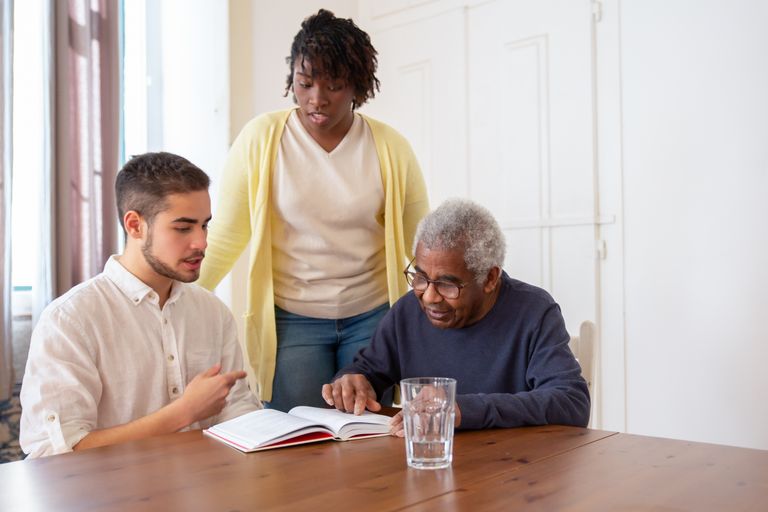
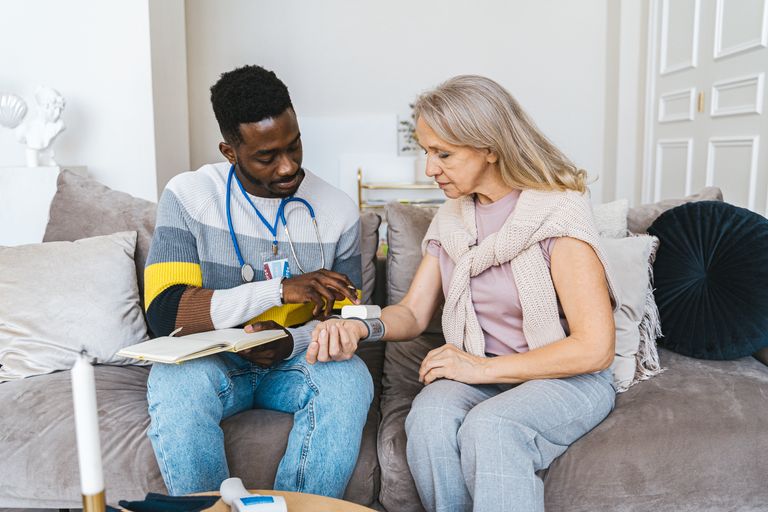
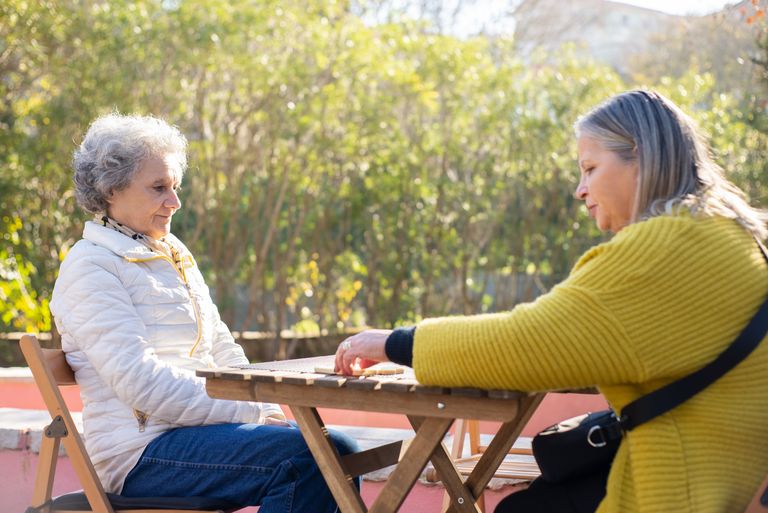
Fortunately, maintaining meaningful social relationships can have a powerful positive impact. A simple conversation, a visit from family, attending church, participating in community activities, or enjoying companionship with a trusted caregiver can brighten a person’s day while improving their quality of life.
At Blessed Hands Home Care, we believe that compassionate care goes beyond assisting with daily tasks. We help seniors and adults with disabilities remain socially connected, emotionally supported, and actively engaged in the activities and relationships that matter most.
Why Social Connection Matters
Humans are naturally created for connection.
Meaningful relationships help us feel valued, supported, and understood throughout every stage of life.
For seniors, regular social interaction contributes to healthier aging by encouraging emotional resilience, mental stimulation, and continued participation in daily life.
Strong social connections can help seniors:
- Feel less lonely
- Improve emotional well-being
- Stay mentally active
- Build confidence
- Increase physical activity
- Strengthen relationships
- Maintain independence
- Experience greater happiness
Remaining connected isn’t simply about having people nearby—it’s about experiencing genuine relationships that bring comfort, purpose, and joy.
The Impact of Loneliness on Seniors
Loneliness is more than spending time alone.
Someone can be surrounded by people yet still feel isolated if meaningful relationships are missing.
As seniors experience changes in health, mobility, or family circumstances, opportunities for regular interaction may decrease.
Without strong social connections, individuals may experience:
- Increased sadness
- Reduced motivation
- Feelings of isolation
- Lower confidence
- Decreased participation in activities
- Reduced physical movement
- Loss of interest in hobbies
Recognizing these changes early allows families and caregivers to encourage meaningful opportunities for connection before loneliness begins affecting overall well-being.
Family Support Strengthens Social Connections
Families play a vital role in helping loved ones remain socially engaged.
Regular visits, phone calls, family meals, holiday celebrations, and shared activities create opportunities for meaningful interaction that strengthen emotional well-being.
As we discussed in The Benefits of Family Involvement in Home Care, strong family relationships provide emotional support while helping seniors feel valued, included, and connected. Combined with professional caregiving, family involvement creates a network of encouragement that helps older adults continue enjoying fulfilling lives.
When families stay involved, social connections naturally become stronger.
Choosing the Right Type of Care Encourages Companionship
Not every senior requires the same type of support.
Some individuals primarily benefit from companionship and emotional connection, while others may also need assistance with personal care and daily living activities.
Understanding these differences helps families choose services that best meet their loved one’s needs.
If you’re comparing care options, our article Companion Care vs. Personal Care: Which Is Right for Your Loved One? explains how different home care services support both independence and emotional well-being while helping seniors continue living comfortably at home.
The right care plan supports both practical needs and meaningful relationships.
8 Ways Social Connection Improves Senior Health and Well-Being
1. Reduces Feelings of Loneliness
One of the greatest benefits of social connection is reducing loneliness.
Regular conversations, visits from loved ones, participation in community activities, and companionship from professional caregivers remind seniors that they are not alone.
Feeling connected helps create emotional security while improving overall happiness.
Even small interactions can have a lasting positive impact.
2. Supports Better Emotional Health
Sharing experiences, laughter, and meaningful conversations helps seniors process emotions while reducing stress and anxiety.
Strong relationships encourage optimism, resilience, and a greater sense of belonging.
Whether spending time with family, attending church, or enjoying coffee with a friend, positive social experiences contribute to improved emotional well-being.
Feeling emotionally supported often leads to greater confidence and a more positive outlook on life.
3. Keeps the Mind Active
Conversations naturally stimulate the brain.
Talking with others encourages memory, problem-solving, communication, and critical thinking.
Activities such as:
- Playing card games
- Reading together
- Discussing current events
- Completing puzzles
- Learning new hobbies
- Sharing life stories
all provide valuable mental stimulation that supports cognitive well-being.
Keeping the mind engaged is an important part of healthy aging.
4. Encourages a More Active Lifestyle
Many social activities naturally involve movement.
Meeting friends, attending church services, visiting family, walking through the neighborhood, or participating in community events encourages seniors to remain physically active.
Regular activity supports:
- Better mobility
- Improved balance
- Increased strength
- Greater endurance
- Better heart health
- Increased confidence
When social interaction and physical activity are combined, seniors enjoy benefits that support both body and mind.
5. Strengthens the Immune System Through Positive Well-Being
Emotional well-being and physical health are closely connected.
When seniors experience meaningful relationships, regular conversations, and emotional support, they often feel happier, less stressed, and more motivated to care for themselves.
Positive social experiences encourage healthy habits such as:
- Eating balanced meals
- Staying physically active
- Keeping medical appointments
- Following daily routines
- Getting adequate rest
- Participating in enjoyable activities
A positive outlook can support overall wellness by encouraging healthier daily choices and reducing the effects of long-term stress.
Every meaningful connection contributes to a healthier, more fulfilling lifestyle.
6. Increases Confidence and Self-Esteem
Feeling included and appreciated builds confidence.
When seniors continue participating in conversations, family events, church activities, volunteer opportunities, or community programs, they are reminded that they still have valuable experiences, knowledge, and wisdom to share.
Compassionate caregivers encourage clients to:
- Share life stories.
- Express opinions.
- Make daily decisions.
- Try new activities.
- Continue favorite hobbies.
- Participate in family traditions.
These opportunities reinforce independence while helping seniors maintain a strong sense of identity and self-worth.
Confidence grows when people know they are seen, heard, and valued.
7. Encourages Lifelong Learning and Personal Growth
Every stage of life offers opportunities to learn something new.
Social interaction often introduces seniors to fresh experiences, ideas, and hobbies that keep life interesting.
Whether attending a community class, joining a book club, learning to use technology, participating in church programs, or exploring arts and crafts, lifelong learning supports both mental and emotional well-being.
Learning new skills helps seniors:
- Stay mentally engaged.
- Build confidence.
- Strengthen communication.
- Discover new interests.
- Develop friendships.
- Maintain a positive outlook.
Personal growth doesn’t end with retirement—it continues throughout life.
8. Improves Overall Quality of Life
The greatest benefit of strong social connections is the positive impact they have on overall quality of life.
When seniors feel connected, supported, and involved, they are more likely to enjoy each day with optimism and purpose.
Meaningful relationships encourage:
- Greater happiness
- Emotional security
- Increased independence
- Better communication
- Active participation in daily life
- Stronger family relationships
- A greater sense of belonging
Social connection reminds seniors that they remain an important part of their families and communities.
Life becomes richer when it is shared with others.
How Families Can Help Seniors Stay Socially Connected
Families play an essential role in helping loved ones remain engaged.
Simple efforts can make a significant difference.
Families can:
- Schedule regular visits.
- Call consistently throughout the week.
- Encourage participation in church services.
- Plan family dinners.
- Celebrate birthdays and holidays together.
- Introduce community activities.
- Teach seniors how to use video calls.
- Encourage favorite hobbies with friends.
- Take walks together.
- Include loved ones in everyday family conversations.
Consistency matters more than perfection.
Regular interaction helps seniors feel connected, appreciated, and loved.
Common Barriers to Social Connection
Some seniors want to remain socially active but face obstacles that make participation difficult.
Common challenges include:
- Limited mobility.
- Transportation difficulties.
- Hearing or vision changes.
- Chronic illness.
- Living alone.
- Loss of close friends or family members.
- Fear of falling.
- Lack of confidence.
Professional home care can help overcome many of these barriers by providing transportation assistance, companionship, mobility support, encouragement, and personalized care that allows seniors to remain safely involved in the activities they enjoy.
Why Families Trust Blessed Hands Home Care
At Blessed Hands Home Care, we believe meaningful relationships are just as important as quality caregiving.
Our caregivers encourage seniors and adults with disabilities to remain socially connected by supporting family involvement, community participation, favorite hobbies, and everyday companionship.
Every care plan is personalized around the client’s interests, routines, abilities, and goals because social well-being looks different for every individual.
Whether sharing conversations over coffee, attending church, accompanying clients to community events, enjoying walks, or simply offering compassionate companionship at home, our caregivers help clients build stronger relationships while maintaining their independence.
Because a connected life is often a healthier, happier, and more meaningful life.
Frequently Asked Questions
Why is social connection important for seniors?
Social connection helps reduce loneliness, improve emotional well-being, encourage physical activity, support cognitive health, build confidence, and improve overall quality of life.
How can home care reduce loneliness?
Professional caregivers provide companionship, meaningful conversation, transportation, encouragement, and support that helps seniors remain connected with family, friends, hobbies, and community activities.
What social activities are good for seniors?
Popular activities include church services, book clubs, gardening groups, walking clubs, family gatherings, volunteer work, hobby classes, senior centers, community events, and video calls with loved ones.
Can companionship improve senior well-being?
Yes. Regular companionship can improve emotional health, reduce feelings of isolation, encourage participation in daily activities, strengthen confidence, and help seniors maintain a positive outlook on life.
How does Blessed Hands Home Care promote social connection?
Blessed Hands Home Care provides compassionate companionship, transportation assistance, personalized activity planning, community support, and encouragement that helps seniors and adults with disabilities remain active, engaged, and connected with the people and activities they value most.
Meaningful Connections Create Healthier Lives
Strong social connections are one of the greatest gifts we can give our loved ones as they age. A caring conversation, a shared meal, a visit from family, or participation in a favorite community activity can make an extraordinary difference in emotional well-being, confidence, and overall health.
At Blessed Hands Home Care, we are committed to helping seniors and adults with disabilities build and maintain these meaningful connections every day. Through compassionate companionship, personalized support, and encouragement to stay active in family and community life, we help our clients enjoy happier, healthier, and more fulfilling lives in the comfort of home.
Because when people stay connected to the relationships that matter most, they don’t just live longer—they live better.
Contact Blessed Hands Home Care Today
If you or a loved one could benefit from compassionate home care that promotes companionship, independence, and meaningful social connections, contact Blessed Hands Home Care today. Our dedicated caregivers provide personalized in-home support that helps seniors and adults with disabilities remain engaged, confident, and connected while enjoying the comfort, dignity, and peace of mind that only home can provide.