What Does a Home Caregiver Do? Understanding In-Home Care Support
When families first start looking into home care, one of the most common questions is surprisingly simple: what does a home caregiver actually do all day?
It’s a fair question. “Home care” can sound vague, and without a clear picture of what caregivers actually help with, it’s hard to know whether it’s the right fit for your loved one. Some families imagine caregivers only handle medical tasks. Others assume they simply “keep an eye” on someone. In reality, a home caregiver’s role is much broader—and much more personal—than either of those assumptions.
At Blessed Hands Home Care, our caregivers support seniors and adults with disabilities across a wide range of daily needs: personal care, household tasks, companionship, safety supervision, and more. The exact mix depends on each client’s needs, but the goal is always the same—helping someone live safely, comfortably, and independently in their own home.
In this article, we’ll break down exactly what a home caregiver does, the different types of support they provide, and how this kind of care makes daily life easier for both clients and their families.
Who Is a Home Caregiver?
A home caregiver is a trained, non-medical professional who provides hands-on assistance to individuals in their own homes. This can include seniors aging in place, adults with disabilities, or people recovering from surgery or illness.
Unlike a nurse or home health aide performing skilled medical tasks, a caregiver focuses on daily living support—the practical, everyday help that allows someone to remain safe and comfortable without needing to move into a facility.
Core Responsibilities of a Home Caregiver
Personal Care Assistance
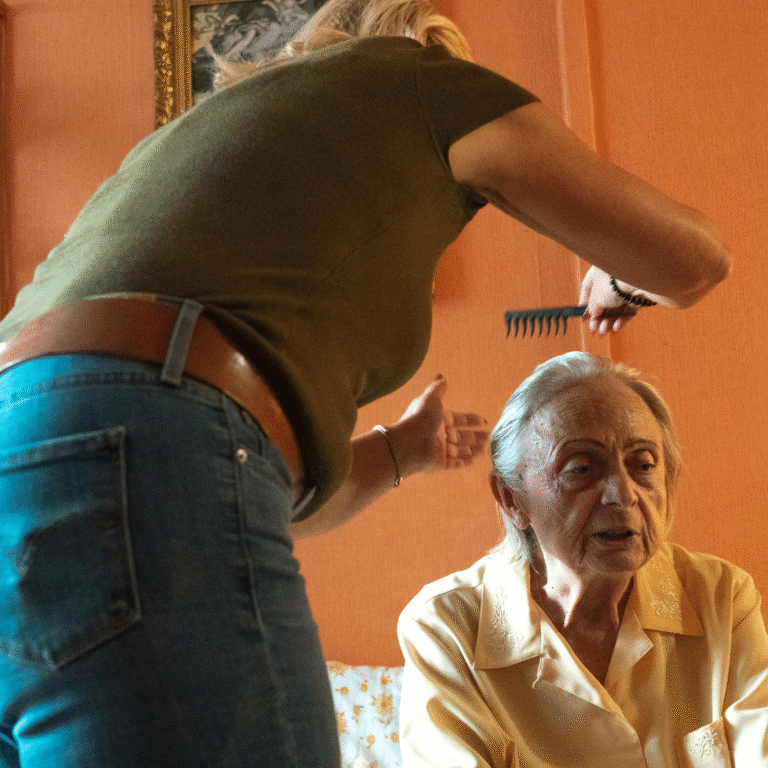
Caregivers help with bathing, dressing, grooming, and toileting when needed, always with an emphasis on dignity and privacy. This support allows clients to maintain hygiene and comfort even when mobility or strength has declined.
Meal Preparation and Nutrition
Many caregivers plan and prepare meals based on dietary needs and personal preferences, ensuring clients eat balanced, nutritious food even if cooking has become difficult on their own.
Mobility and Fall Prevention
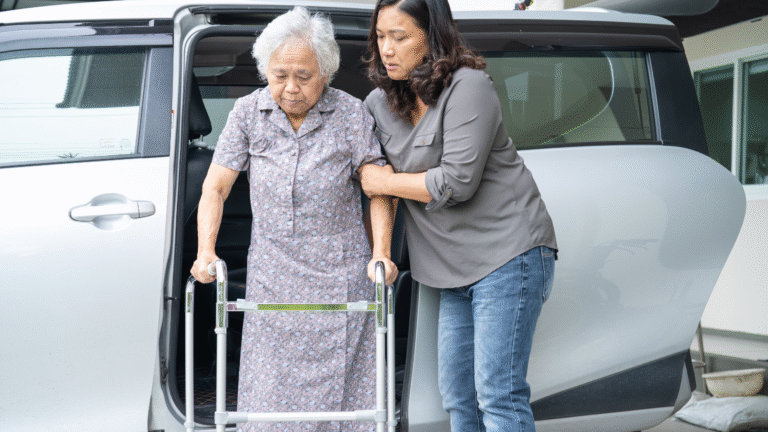
From helping someone move safely from bed to chair to providing steady support while walking, caregivers reduce the risk of falls—one of the leading causes of injury among seniors.
Medication Reminders
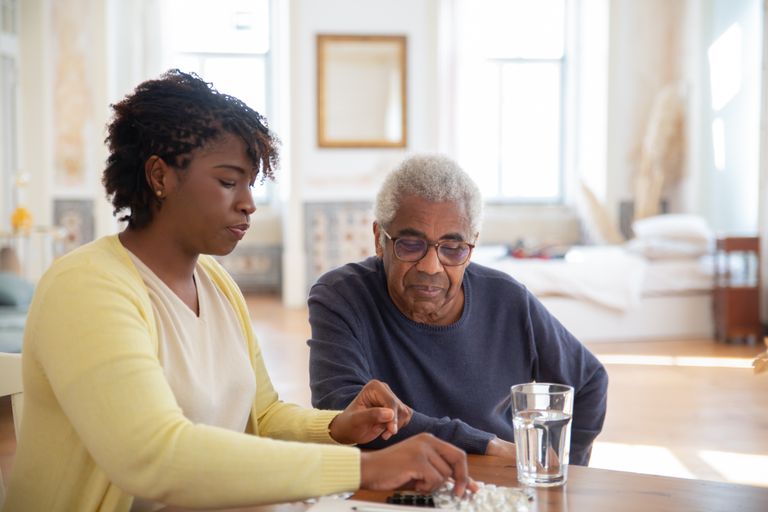
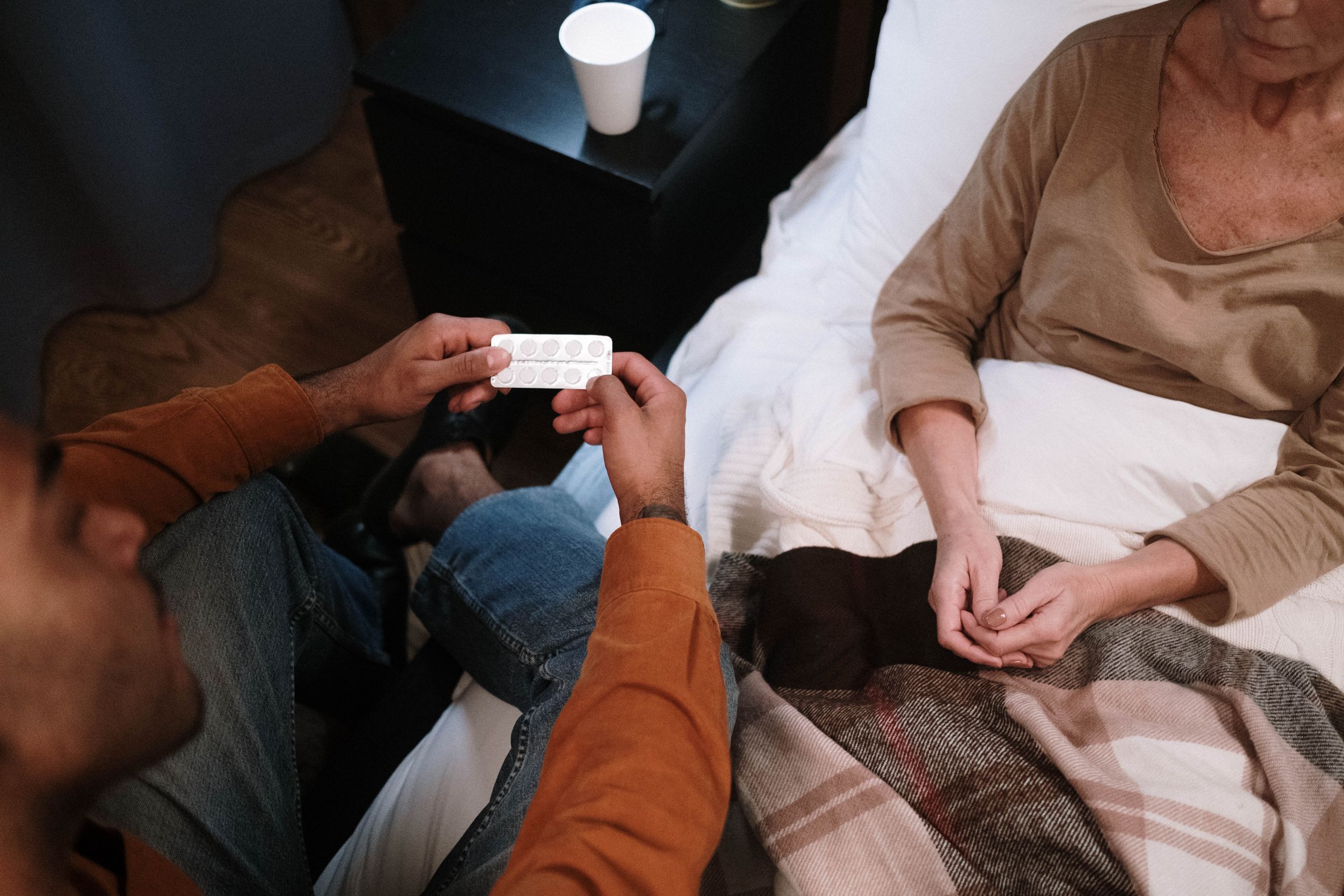
While caregivers don’t administer medication, they often remind clients when it’s time to take prescriptions, helping prevent missed doses or accidental double-dosing.
Light Housekeeping
Caregivers may assist with tidying living spaces, doing laundry, washing dishes, and other light household tasks that keep the home safe and comfortable.
Transportation and Errands
Getting to medical appointments, picking up groceries, or running errands can become difficult without reliable transportation. Caregivers often provide this support, keeping clients connected to their community.
Companionship
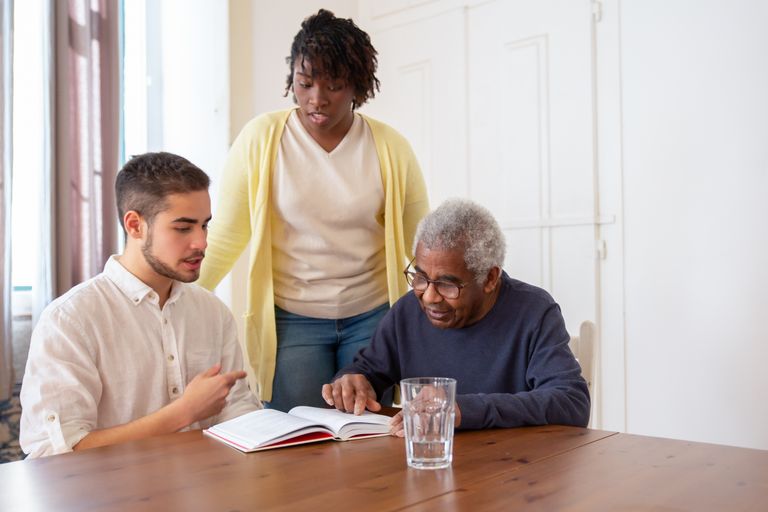
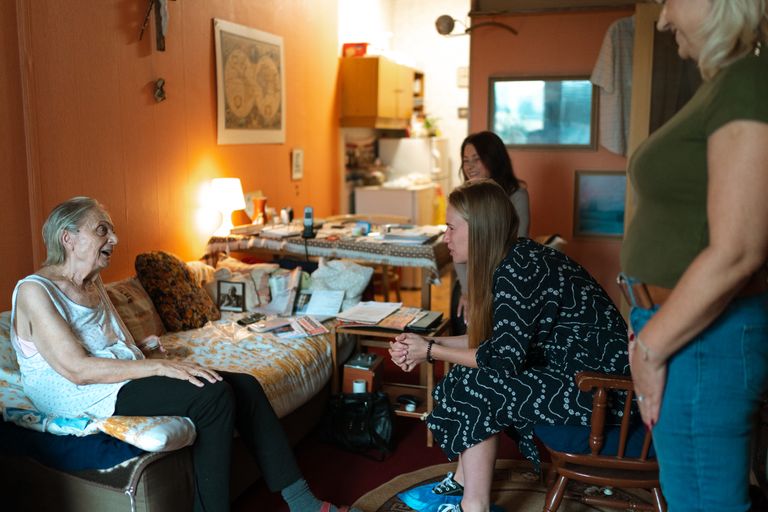
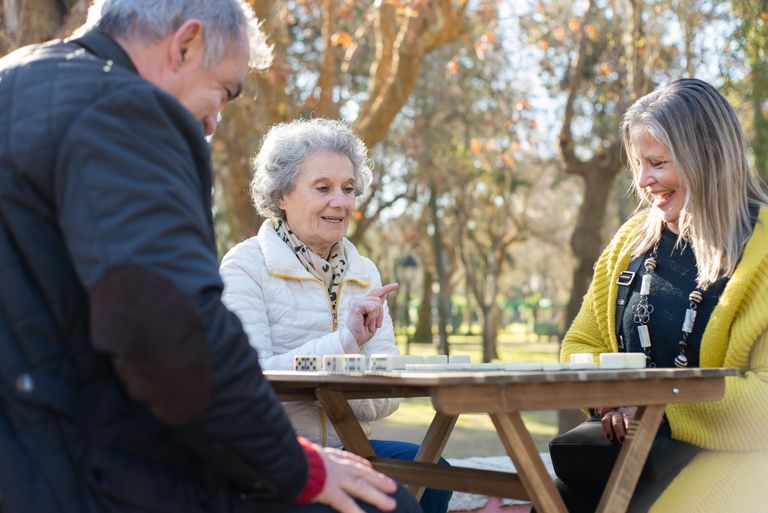
Perhaps one of the most valued parts of caregiving, companionship involves genuine conversation, shared activities, and emotional connection—helping reduce loneliness and isolation.
Safety Supervision
For clients at risk of wandering, falling, or experiencing medical emergencies, caregivers provide attentive supervision that gives families peace of mind.
Practical Tips for Families Considering a Home Caregiver
- Make a list of daily tasks your loved one currently struggles with
- Note any safety concerns, like recent falls or missed medications
- Think about how many hours of support are realistically needed
- Ask what a typical caregiver visit looks like before starting services
- Involve your loved one in choosing their caregiver whenever possible
How Blessed Hands Home Care Helps
At Blessed Hands Home Care, we understand that no two clients need the exact same kind of support. That’s why every care plan starts with a conversation—learning about daily routines, personal preferences, and specific challenges before a caregiver ever begins providing care.
Our caregivers are trained to notice small changes that matter, whether that’s a shift in appetite, mood, or mobility. We share these observations with families so everyone stays informed and involved, similar to what we discussed in How Home Care Gives Families Peace of Mind, where consistent communication between caregivers and families builds trust and reduces uncertainty.
We also focus on preserving independence rather than replacing it, an approach explored further in Activities of Daily Living (ADLs): How Home Care Helps People Stay Independent. Our caregivers step in exactly where help is needed, while encouraging clients to continue doing what they can safely manage on their own.
Frequently Asked Questions
Is a home caregiver the same as a home health aide?
Not exactly. A home caregiver typically provides non-medical support like personal care, companionship, and household help, while a home health aide may perform some basic health-related tasks under supervision. Skilled nursing care requires a licensed nurse.
Can a caregiver give medication?
Caregivers can provide medication reminders but generally cannot administer medication themselves unless specifically trained and permitted to do so under state regulations.
How many hours a week does a caregiver typically work with a client?
This varies based on need—some families request a few hours a few times a week, while others need daily or even live-in support. Care plans are flexible and can be adjusted over time.
Will the same caregiver visit every time?
Whenever possible, agencies aim to provide consistency by assigning the same caregiver, which helps build trust and familiarity between the caregiver and client.
Can a home caregiver help with dementia care?
Many caregivers are trained to support clients with memory-related conditions, offering patient, structured assistance with daily routines and safety supervision.
Key Takeaways
- Home caregivers provide non-medical support with personal care, meals, mobility, housekeeping, and companionship.
- Their role is tailored to each client’s specific needs and can evolve over time.
- Companionship and safety supervision are just as important as physical assistance.
- Blessed Hands Home Care builds personalized care plans based on real conversations with clients and families.
Conclusion
A home caregiver’s role goes far beyond simply “helping out.” From personal care and meal preparation to companionship and safety supervision, caregivers play a vital part in helping seniors and adults with disabilities live safely and comfortably at home.
Understanding what a caregiver actually does can make it easier for families to decide when—and how—to bring in extra support.
Contact Blessed Hands Home Care Today
If you’re wondering whether a home caregiver could help your loved one, reach out to Blessed Hands Home Care today. We’ll walk you through what care could look like for your family and build a plan tailored to your loved one’s needs.