How Home Care Supports Recovery After Illness or Hospitalization
Leaving the hospital is often treated like the finish line—but for many families, it’s really the start of a new challenge. A loved one may come home weaker than before, still healing, and suddenly needing far more support with everyday tasks than they did just a week earlier.
This transition period is one of the most vulnerable times in a person’s recovery. Studies consistently show that the risk of falls, missed medications, and even rehospitalization is highest in the days and weeks right after a hospital stay. Families are often handed a discharge summary and a list of instructions, then left to figure out the rest on their own.
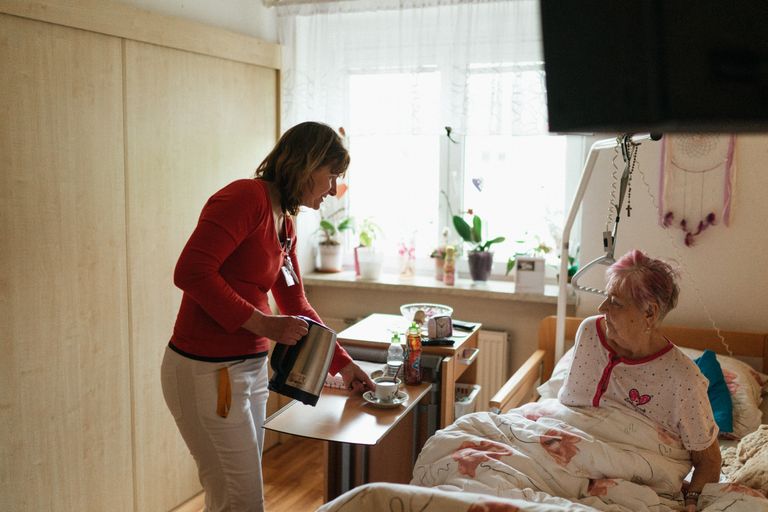
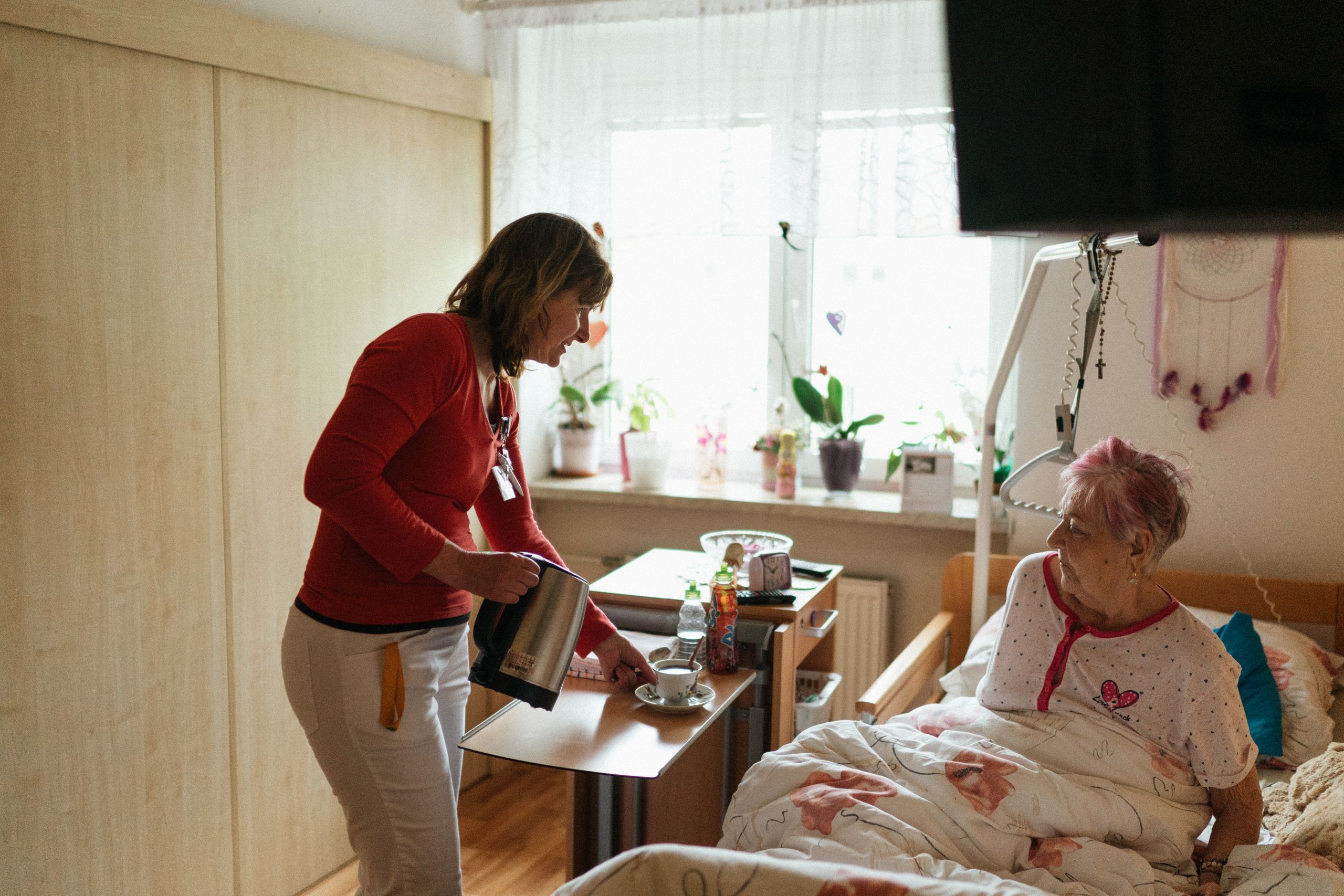
Professional home care fills this gap. Instead of a family member trying to manage every detail of recovery alone—medication schedules, wound care reminders, meals, mobility, follow-up appointments—a trained caregiver provides steady, hands-on support during the exact window when it matters most.
At Blessed Hands Home Care, we’ve supported many clients through this transition, and we’ve seen how the right care during recovery can prevent small setbacks from turning into serious complications. In this article, we’ll look at why the post-hospital period is so critical, what kind of support actually helps, and how families can make this transition smoother and safer.
Why Recovery at Home Can Be So Risky
Hospitals are structured environments with call buttons, nursing staff, and constant supervision. Home is not. When someone returns home after an illness, surgery, or hospitalization, that same level of oversight often disappears overnight.
Common risks during this window include:
- Reduced strength and balance, increasing fall risk
- Confusion about new medications or dosage changes
- Missed follow-up appointments
- Poor nutrition due to fatigue or loss of appetite
- Difficulty managing wound care or mobility restrictions
- Isolation, especially if family members must return to work
Without support, these risks can lead to complications that send someone right back to the hospital—something both families and healthcare providers work hard to avoid.
How Home Care Supports a Safer Recovery
Medication Reminders and Routine Tracking
New prescriptions, changed dosages, and multiple medications are common after a hospital stay. Caregivers help keep track of timing and routines, reducing the risk of missed or duplicated doses.
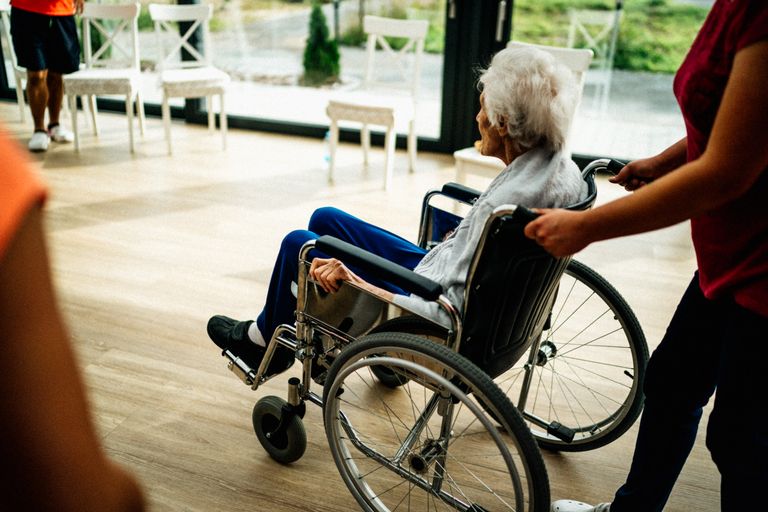
Mobility Support and Fall Prevention
Weakness after illness or surgery significantly increases fall risk. Caregivers provide steady, hands-on assistance with walking, transferring from bed to chair, and navigating stairs—exactly the kind of support we outlined in Home Safety Tips for Seniors to Prevent Falls, where small environmental and physical safeguards make a measurable difference in preventing injury.
Personal Care and Hygiene
Bathing, dressing, and grooming can be exhausting or physically risky during recovery. Caregivers assist with these tasks while respecting privacy and encouraging clients to do as much as they safely can on their own.
Monitoring for Warning Signs
Caregivers spend consistent time with clients, which means they’re often the first to notice subtle changes—confusion, increased pain, swelling, or fatigue—that could signal a complication requiring medical attention.
Coordinating Appointments and Transportation
Follow-up visits are critical after a hospitalization, but getting there isn’t always easy. Caregivers help ensure appointments aren’t missed by providing transportation and reminders.
Nutrition Support for Healing
The body needs proper nutrition to heal. Caregivers help prepare balanced meals suited to any dietary restrictions from a hospital stay, an approach we discussed in more detail in Healthy Meal Planning for Seniors Receiving Home Care, where consistent, nutritious meals play a direct role in supporting recovery and overall strength.
Signs a Loved One May Need Extra Support After Discharge
Not every recovery requires the same level of care, but families should watch for:
- Difficulty standing or walking without assistance
- Confusion about medication instructions
- Skipping meals due to fatigue or lack of appetite
- Missed or forgotten follow-up appointments
- Increased anxiety about being left alone
- Signs of depression or withdrawal during recovery
Recognizing these signs early allows families to bring in support before a minor setback becomes a serious one.
Practical Tips for a Smoother Recovery at Home
- Set up a clear, written medication schedule before leaving the hospital
- Remove tripping hazards like loose rugs or clutter near walkways
- Prepare easy-to-reheat, nutritious meals in advance
- Schedule follow-up appointments before discharge, not after
- Keep frequently used items within easy reach to reduce unnecessary movement
- Watch for signs of infection, pain changes, or confusion
How Blessed Hands Home Care Helps
At Blessed Hands Home Care, we understand that the period after a hospital stay can feel overwhelming for both clients and families. Our caregivers step in during this critical window to provide steady, attentive support tailored to each person’s recovery plan.
Rather than a generic checklist, we build care around what a physician or discharge team has recommended—whether that’s mobility precautions, dietary restrictions, or medication schedules. Our caregivers communicate regularly with families, sharing updates on how recovery is progressing so no one feels left in the dark.
Just as importantly, we focus on helping clients regain independence at a safe pace, rather than doing everything for them. The goal isn’t to slow recovery by creating dependence—it’s to support healing while gradually helping clients return to their normal routines with confidence.
Frequently Asked Questions
How soon after a hospital stay should home care start?
Ideally, home care should begin as soon as possible after discharge—often the same day—since the first days at home carry the highest risk for falls and complications.
Does home care replace follow-up medical appointments?
No. Home care supports recovery through non-medical assistance like mobility, meals, and medication reminders, but it doesn’t replace physician visits or skilled nursing care when needed.
How long do people typically need home care after hospitalization?
This depends entirely on the individual’s recovery. Some clients need support for just a few weeks, while others with more complex recoveries may benefit from longer-term care.
Can home care help prevent another hospitalization?
Yes. By monitoring for warning signs, supporting medication routines, and reducing fall risk, home care plays a meaningful role in lowering the chances of readmission.
What if my loved one refuses help after coming home?
This is common, especially if someone is used to being independent. Caregivers are trained to build trust gradually, starting with light assistance and adjusting based on comfort level.
Key Takeaways
- The period right after a hospital stay carries the highest risk for falls, missed medications, and complications.
- Home care provides mobility support, medication reminders, nutrition help, and appointment coordination during recovery.
- Caregivers often notice early warning signs that families might miss.
- The goal of post-hospital home care is to support healing while gradually restoring independence.
Conclusion
Recovery doesn’t end when someone walks out of the hospital doors—it often just moves to a new environment. With the right support at home, that transition can be far safer and smoother, reducing the risk of setbacks and giving families genuine peace of mind.
Home care bridges the gap between hospital care and full independence, providing steady support exactly when it’s needed most.
Contact Blessed Hands Home Care Today
If your loved one is preparing to come home after a hospital stay, Blessed Hands Home Care can help make that transition safer and less stressful. Contact us today to build a personalized recovery care plan.