
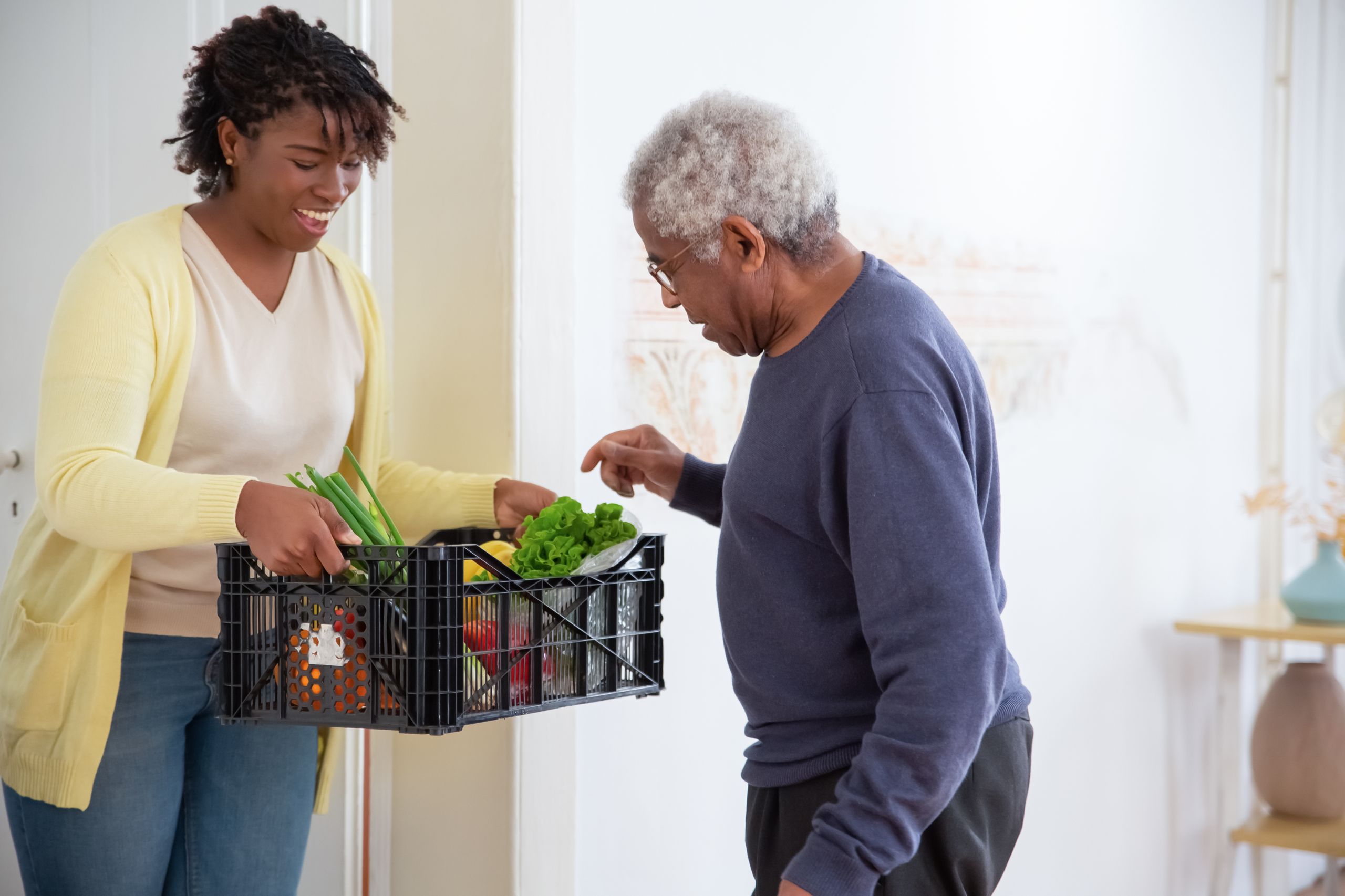
How Personal Care Assistance Helps Seniors Maintain Independence
Getting older doesn’t mean a person has to give up their independence. But for many seniors, everyday tasks like bathing, dressing, grooming, and moving safely around the house slowly become more difficult. What used to take a few minutes can start to take much longer, feel physically risky, or simply become exhausting.
For families, noticing these changes can be worrying. You want your loved one to stay safe, but you also don’t want them to feel like they’re losing control over their own daily life. It’s a delicate balance—and one that many families aren’t sure how to navigate on their own.
This is where personal care assistance makes a real difference. Rather than taking over, a trained caregiver steps in to provide just the right amount of support with bathing, dressing, grooming, mobility, and hygiene—helping seniors continue doing as much as they safely can, while getting help with the rest.
At Blessed Hands Home Care, we’ve seen firsthand how the right kind of support can restore confidence rather than take it away. Personal care assistance isn’t about doing everything for someone. It’s about helping them stay safe, comfortable, and in control of their own routine for as long as possible.
In this article, we’ll look at what personal care assistance actually involves, why it plays such an important role in helping seniors age independently, and practical ways families can recognize when it’s time to bring in extra support.
What Is Personal Care Assistance?
Personal care assistance refers to hands-on support with the basic daily tasks that most people don’t think twice about—until they become difficult. These are often called Activities of Daily Living (ADLs), and they include things like bathing, dressing, grooming, toileting, and mobility.
Unlike medical care, personal care assistance focuses on comfort, hygiene, and safety in daily routines. A caregiver isn’t there to administer treatment—they’re there to make sure a senior can still shower safely, get dressed comfortably, and move around their home without unnecessary risk.
For many families, this type of support is the difference between a loved one staying in their own home and having to consider a move to a facility.
Why Personal Care Matters for Independence
It may seem contradictory at first: how does needing help lead to more independence? But in practice, personal care assistance often does exactly that.
When a senior struggles to bathe safely or gets exhausted trying to get dressed alone, they often start avoiding those tasks altogether. Some skip showers to avoid the risk of falling. Others stay in the same clothes longer than they’d like because changing feels like too much effort.
Over time, this avoidance can affect more than hygiene—it can affect mood, self-esteem, and health. A skilled caregiver removes that barrier. With steady, respectful support, seniors can continue their normal routines instead of quietly giving them up.
This is the heart of person-centered care: helping someone do what they can, assisting with what they can’t, and never taking away more independence than necessary.
Common Signs a Senior May Need Personal Care Support
Families aren’t always sure when it’s time to bring in extra help. A few common signs include:
- Skipping baths or showers more frequently
- Wearing the same clothing for several days
- Noticeable body odor or poor grooming
- Difficulty buttoning clothes or managing zippers
- Unsteadiness getting in or out of the shower or tub
- Bruises or minor injuries from falls in the bathroom
- Increased anxiety around bathing or dressing
Recognizing these signs early allows families to introduce support before a crisis—like a fall—forces the issue.
Daily Tasks Personal Caregivers Help With
Personal care assistance can look different depending on each individual’s needs, but it commonly includes support with:
Bathing and Hygiene
Caregivers help seniors bathe safely, using proper technique and equipment to reduce fall risk while preserving privacy and dignity.
Dressing and Grooming
From selecting weather-appropriate clothing to help with buttons, zippers, and shoes, caregivers make getting dressed less physically demanding.
Mobility Support
Whether it’s moving from bed to chair, walking to the bathroom, or navigating stairs, caregivers provide steady support to prevent falls.
Toileting and Incontinence Care
This is often one of the most sensitive areas of personal care. A compassionate, respectful approach helps seniors maintain dignity even when they need physical assistance.
Oral Care and Grooming
Simple routines like brushing teeth, combing hair, or shaving can become difficult with reduced mobility or grip strength. Caregivers help maintain these habits consistently.
Practical Tips for Supporting Independence at Home
Families can also make small changes at home that support independence alongside professional care:
- Install grab bars in the shower and near the toilet
- Use a shower chair to reduce fall risk during bathing
- Choose clothing with easier fasteners, like velcro or elastic waistbands
- Keep frequently used items within easy reach
- Improve bathroom lighting to reduce nighttime falls
- Maintain a consistent daily routine to reduce confusion and anxiety
These adjustments, paired with professional personal care support, create a safer and more comfortable home environment.
How Blessed Hands Home Care Helps
At Blessed Hands Home Care, personal care assistance is never a one-size-fits-all service. Our caregivers take time to understand each client’s preferences, routines, and comfort level before providing hands-on support.
We believe dignity should never be compromised for the sake of convenience. That means knocking before entering, explaining each step during care, and always prioritizing a client’s comfort and privacy. Our goal isn’t to take over daily tasks—it’s to help clients continue doing as much as they safely can, with steady support filling in the gaps.
This approach connects closely to what we shared in Activities of Daily Living (ADLs): How Home Care Helps People Stay Independent, where we explored how support with everyday tasks allows individuals to remain active participants in their own care rather than passive recipients of it.
Families working with our caregivers often notice a shift—not just in their loved one’s hygiene and safety, but in their overall mood and confidence. When personal care is handled with patience and respect, seniors feel supported rather than diminished.
For families balancing their own responsibilities, this kind of assistance also brings peace of mind, similar to what we discussed in Home Safety Tips for Seniors to Prevent Falls, where small safety measures paired with attentive caregiving significantly reduce risk at home.
Frequently Asked Questions
What is the difference between personal care and medical home care?
Personal care assistance focuses on non-medical daily tasks like bathing, dressing, grooming, and mobility. Medical home care, by contrast, involves skilled nursing tasks such as wound care or medication administration performed by licensed professionals.
How do I know if my parent needs personal care assistance?
Signs include skipping baths, wearing the same clothes repeatedly, difficulty dressing, unsteadiness in the bathroom, or visible bruises from falls. If daily hygiene routines are slipping, it may be time to consider support.
Will a caregiver take away my loved one’s independence?
No. Personal care assistance is designed to preserve independence by helping with only what’s necessary. Caregivers encourage clients to do as much as they safely can on their own.
How many hours of personal care assistance are typically needed?
This varies widely. Some seniors need occasional help a few times a week, while others benefit from daily support. Care plans are tailored to each individual’s needs and can be adjusted over time.
Is personal care assistance covered by insurance?
Coverage depends on the type of plan and whether the care is medically necessary. Some long-term care insurance policies and Medicaid waiver programs may help cover costs. Our team can help families understand available options.
Can personal care assistance help adults with disabilities, not just seniors?
Yes. Personal care assistance supports anyone who needs help with daily living tasks, including adults with disabilities, individuals recovering from surgery, and those managing chronic health conditions.
Key Takeaways
- Personal care assistance supports daily tasks like bathing, dressing, grooming, and mobility.
- It helps seniors avoid the health and emotional risks of skipping hygiene routines.
- The goal is to preserve independence, not replace it.
- Small home modifications paired with professional care improve both safety and comfort.
- Blessed Hands Home Care tailors personal care support to each client’s preferences and routines.
Conclusion
Aging doesn’t have to mean losing control over the small, personal parts of daily life. With the right support, seniors can continue bathing, dressing, and caring for themselves with dignity—just with a little extra help along the way.
Personal care assistance bridges the gap between struggling silently and receiving compassionate, respectful support. It allows seniors to stay safe at home while holding on to the independence that matters so much to their sense of self.
Contact Blessed Hands Home Care Today
If your loved one is struggling with daily personal care tasks, Blessed Hands Home Care is here to help. Contact us today to learn how our compassionate caregivers can create a personalized care plan that supports safety, dignity, and independence—right at home.