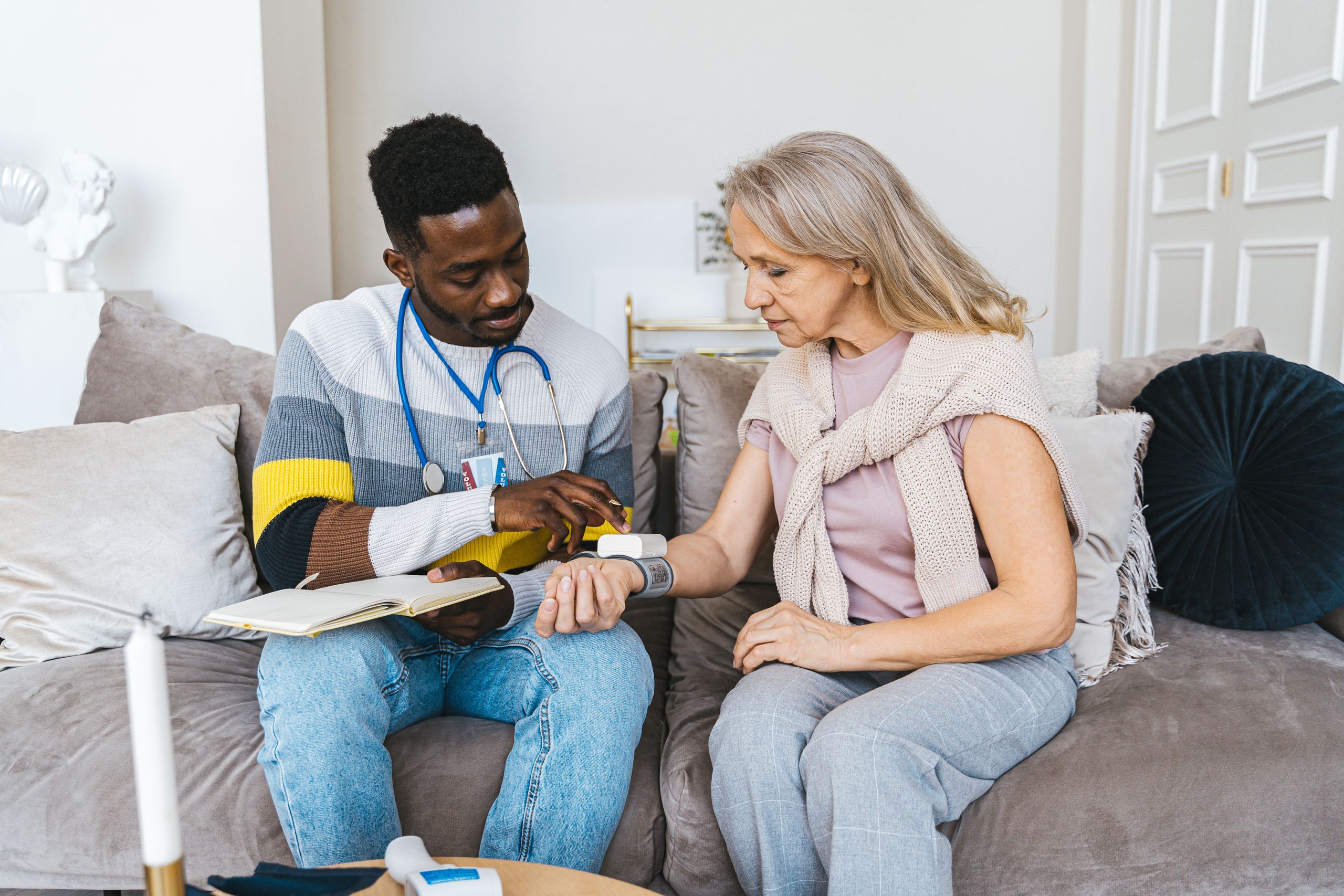
How Professional Caregivers Improve Quality of Life for Seniors
Introduction
Aging is a natural part of life, but it often comes with challenges that affect independence, health, and emotional wellbeing. For many families, ensuring their aging loved ones receive the right level of support becomes a top priority. This is where professional caregivers play a transformative role.
Unlike informal care provided by family members, professional caregiving brings trained expertise, structure, and compassionate care into the home environment. These caregivers are not just helpers; they are skilled support systems who enhance safety, dignity, and overall quality of life.
As demand for quality home care continues to rise globally, professional caregivers have become essential in helping seniors live healthier, happier, and more independent lives at home.
This article explores how professional caregivers improve the quality of life for seniors and why their role is becoming increasingly important in modern elder care.
1. Providing Compassionate Care That Builds Trust
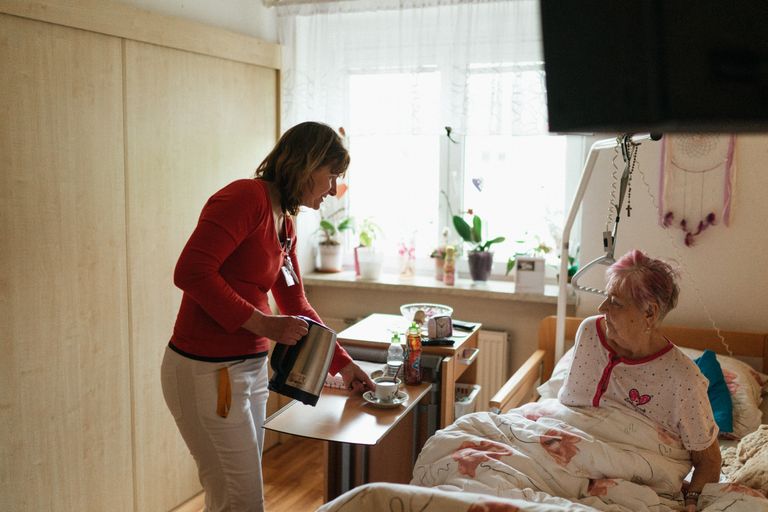
At the heart of caregiving is compassionate care, which goes beyond physical assistance to emotional connection. Professional caregivers are trained to treat seniors with respect, empathy, and patience, which helps build trust over time.
Many seniors experience loneliness, anxiety, or fear as they age, especially if they live alone or have limited mobility. A compassionate caregiver becomes a familiar presence who listens, engages, and offers emotional support.
This human connection is powerful. It reduces stress, improves mood, and creates a sense of belonging. When seniors feel understood and valued, their overall quality of life improves significantly.
2. Enhancing Daily Living Through Quality Home Care
One of the most important contributions of professional caregivers is assisting with daily activities that may become difficult with age. These include bathing, dressing, grooming, meal preparation, and mobility support.
Through quality home care, seniors are able to maintain their routines without sacrificing independence. Caregivers provide help in a respectful way, encouraging seniors to participate in tasks where possible.
This balance between support and independence ensures that seniors remain active and engaged in their daily lives, rather than feeling dependent or restricted.
3. Improving Physical Health and Safety
As people age, physical health risks increase, including falls, medication errors, and chronic conditions. Professional caregivers help reduce these risks by providing supervision and proactive care.
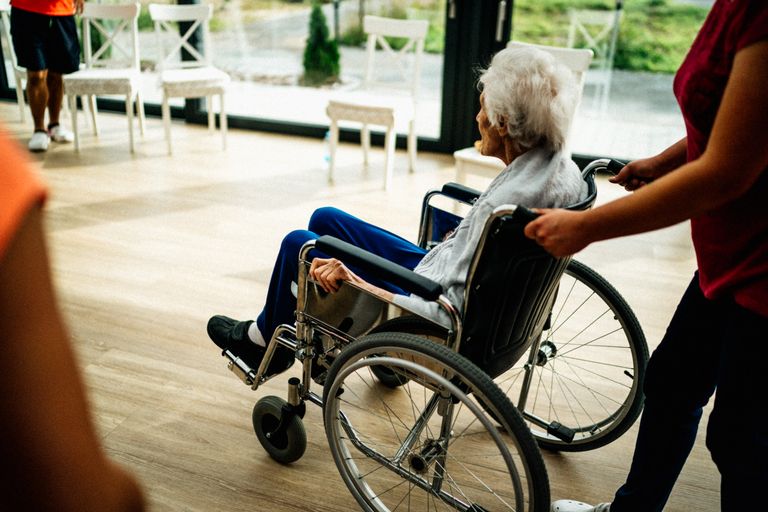
They assist with safe movement around the home, ensure proper hydration and nutrition, and monitor changes in health conditions. Caregivers are also trained to recognize early warning signs of illness or decline.
By maintaining a safe environment and encouraging healthy routines, caregivers play a crucial role in preventing accidents and supporting long-term wellbeing.
4. Supporting Emotional and Mental Wellbeing
Emotional health is just as important as physical health. Many seniors struggle with isolation, grief, or cognitive decline, which can lead to depression or anxiety.
Professional caregivers offer companionship that helps reduce loneliness. They engage seniors in meaningful conversations, recreational activities, and hobbies that stimulate the mind.
This emotional support creates a sense of purpose and connection. Even simple daily interactions can significantly improve mental wellbeing and cognitive health.
5. Encouraging Independence and Confidence
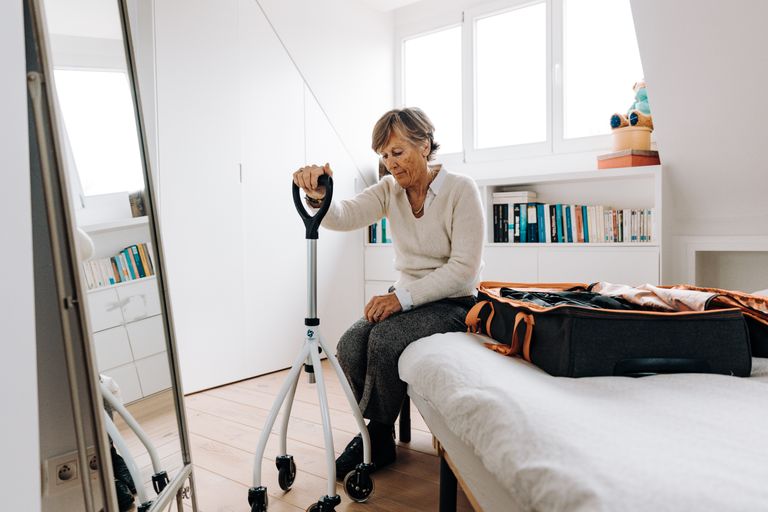
A common misconception is that caregiving reduces independence. In reality, professional caregivers are trained to promote independence wherever possible.
Rather than doing everything for the senior, they encourage participation in daily tasks based on ability. This approach helps seniors maintain confidence and a sense of control over their lives.
Independence is closely tied to dignity. When seniors feel capable, they are more likely to stay active, engaged, and motivated.
6. Providing Personalized Care Plans
Every senior has unique needs, preferences, and health conditions. Professional caregivers work with families to create personalized care plans that reflect these individual requirements.
These plans may include assistance with mobility, medication reminders, meal planning, companionship, or specialized care for conditions such as dementia.
Personalized care ensures that support is not only effective but also aligned with the senior’s lifestyle and values. This individualized approach is a core feature of quality home care.
7. Supporting Families and Reducing Caregiver Stress
Family members often take on caregiving responsibilities, which can lead to stress, exhaustion, and burnout. Professional caregivers provide much-needed relief by sharing these responsibilities.
This support allows families to focus on spending meaningful time with their loved ones rather than being overwhelmed by daily tasks.
It also ensures continuity of care, especially when family members are unavailable due to work or travel. This balance strengthens family relationships and improves overall caregiving outcomes.
8. Managing Complex Health Needs
Many seniors live with chronic conditions such as diabetes, arthritis, or heart disease. Managing these conditions requires consistent monitoring and structured care.
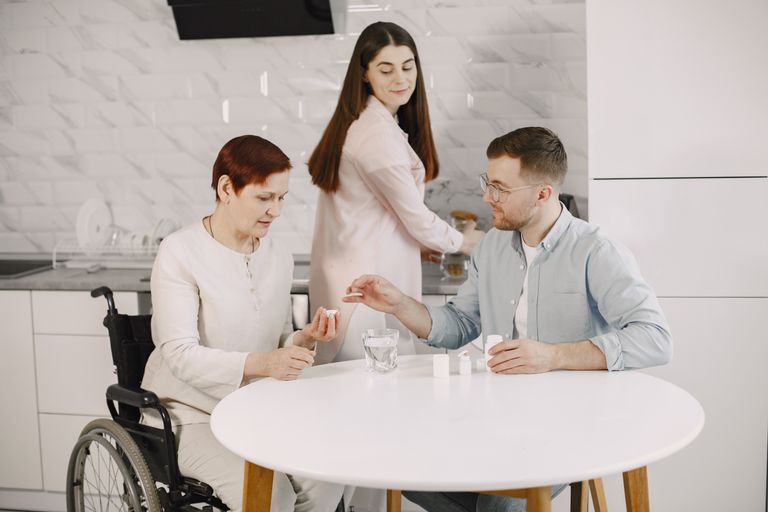
Professional caregivers help ensure medication adherence, track symptoms, and support lifestyle adjustments recommended by healthcare providers.
While they do not replace medical professionals, they act as a bridge between the senior and the healthcare system, ensuring that care plans are followed correctly.
9. Promoting Social Engagement and Activity
Social isolation is a major concern for older adults, especially those living alone. Professional caregivers help address this by encouraging social interaction and participation in activities.
They may accompany seniors to community events, assist with phone or video calls to family members, or engage them in hobbies like reading, puzzles, or light exercise.
These interactions help maintain cognitive function and emotional health, while also reducing feelings of loneliness.
10. Ensuring Consistency and Peace of Mind
Consistency is essential in caregiving. Having a reliable caregiver who understands the senior’s routine, preferences, and needs creates stability and comfort.
Families also gain peace of mind knowing that their loved one is safe, supported, and receiving compassionate care even when they are not physically present.
This trust-based relationship between caregivers, seniors, and families is one of the strongest benefits of professional home care services.
The Role of Professional Caregivers in Modern Elder Care
As populations continue to age, the demand for quality home care is increasing. Professional caregivers are becoming essential in bridging the gap between independence and support.
They provide a holistic approach that addresses physical health, emotional wellbeing, and social needs. This comprehensive care model ensures that seniors not only live longer but live better.
Their role extends beyond basic assistance—they contribute to dignity, comfort, and overall life satisfaction. Blessed Hands Home Care delivers professional care for elderly people.
Conclusion
Professional caregivers play a vital role in improving the quality of life for seniors. Through compassionate care, personalized support, and consistent assistance, they help seniors maintain independence while ensuring safety and wellbeing.
From emotional support to physical care, their impact is both practical and deeply human. As families continue to seek reliable quality home care, professional caregivers remain at the center of compassionate and effective elder care solutions.
Choosing professional caregiving is not just about meeting needs—it is about enriching lives, strengthening families, and ensuring seniors age with dignity and comfort in the place they call home.
FAQs
1. What do professional caregivers do for seniors?
They assist with daily activities, provide companionship, support health needs, and ensure safety at home.
2. How does compassionate care improve seniors’ lives?
It builds trust, reduces loneliness, and improves emotional wellbeing through meaningful human connection.
3. Are professional caregivers trained?
Yes, most caregivers receive training in senior care, safety, communication, and basic health support.
4. Can caregivers help with medical conditions?
They assist with monitoring and medication reminders but do not replace licensed medical professionals.
5. Why is quality home care important?
It ensures seniors receive personalized, safe, and dignified support while remaining in their own homes.