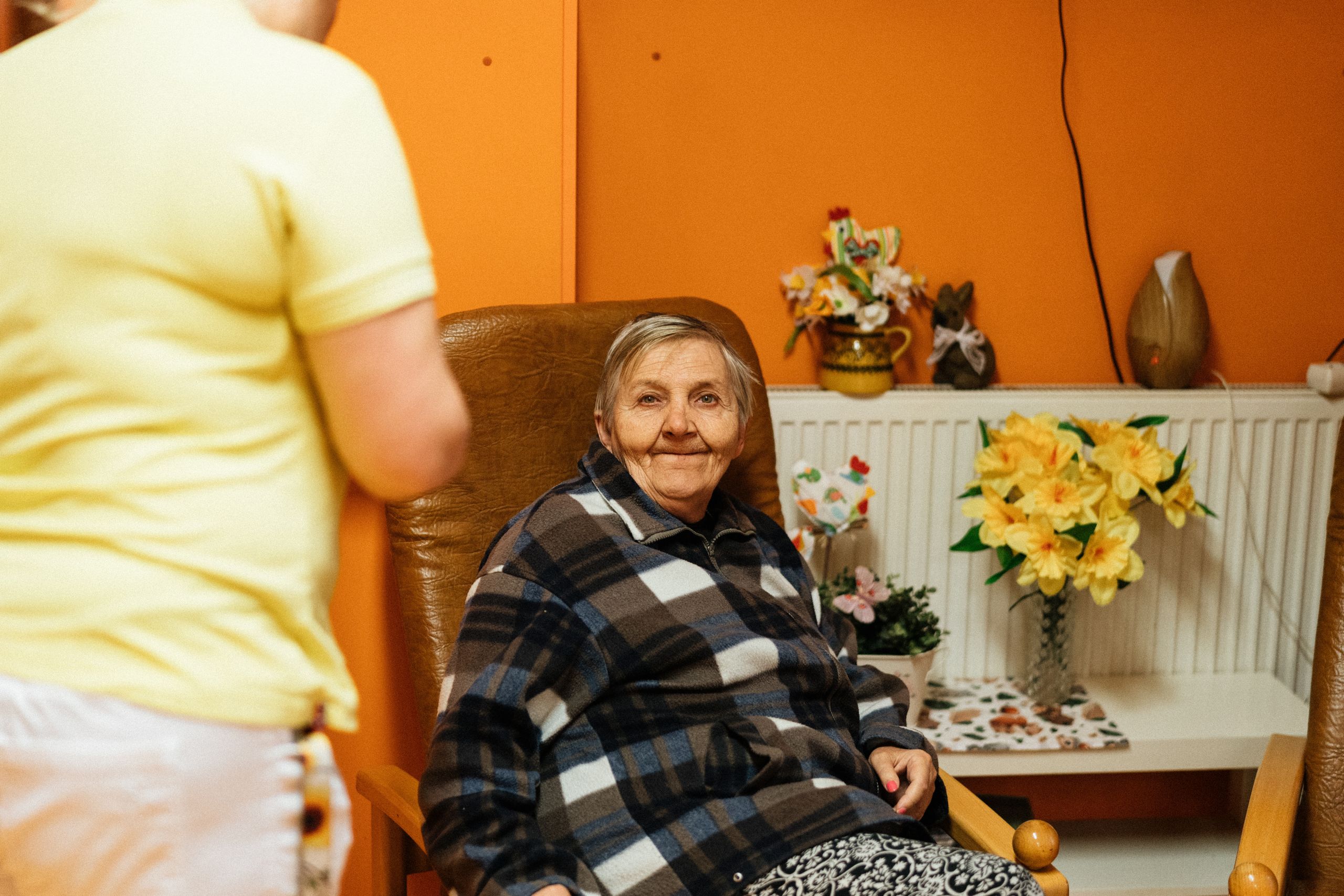
Signs Your Loved One May Need Home Care Services
Introduction
Recognizing when an aging loved one needs additional support is not always straightforward. Many seniors are determined to maintain their independence for as long as possible, and families often want to respect that independence. However, aging naturally brings physical, emotional, and cognitive changes that can make daily living more difficult over time.
This is where Home Care Services become an important part of modern Elder Care Solutions. Rather than waiting for a crisis or emergency, families can benefit from identifying early warning signs that indicate a need for professional support at home.
A timely Home Care Consultation can help assess needs accurately and provide clarity on the level of care required. This article explores the most common signs that your loved one may benefit from home care services and how families can respond with confidence and compassion.
Understanding Home Care Services
Home Care Services refer to professional support provided in a senior’s home to assist with daily living activities, health monitoring, companionship, and safety. These services are designed to help older adults maintain independence while receiving the support they need.
Home care can include:
- Personal care assistance (bathing, dressing, grooming)
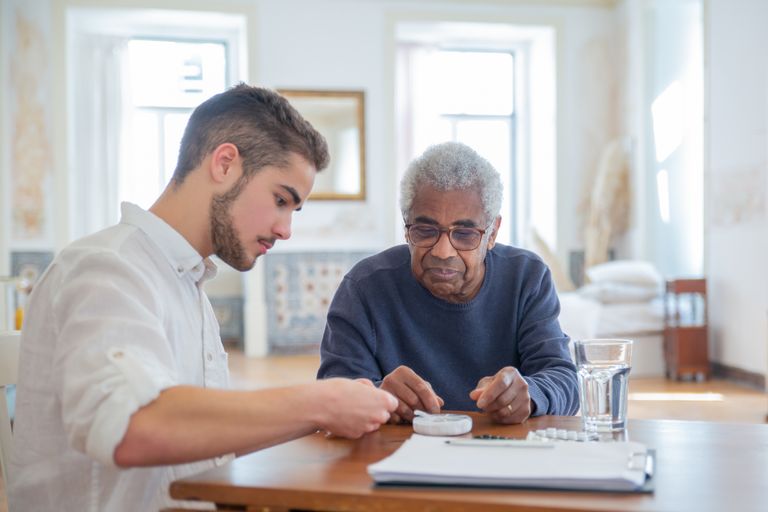
- Medication reminders and monitoring
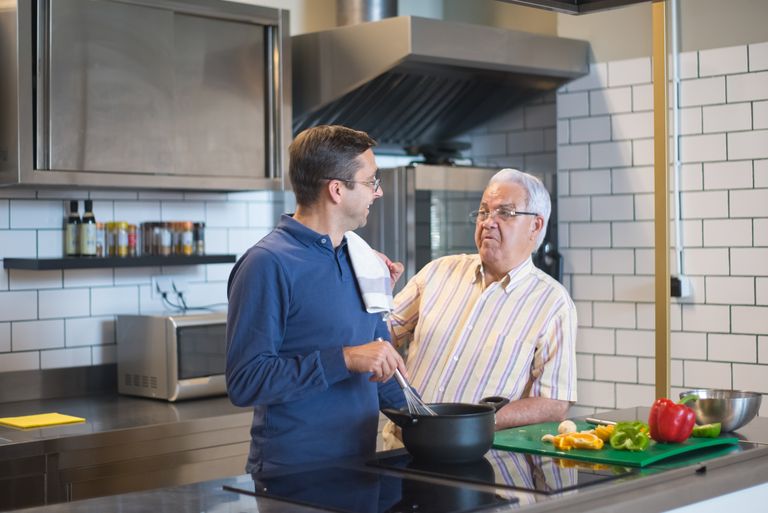
- Meal preparation and nutrition support
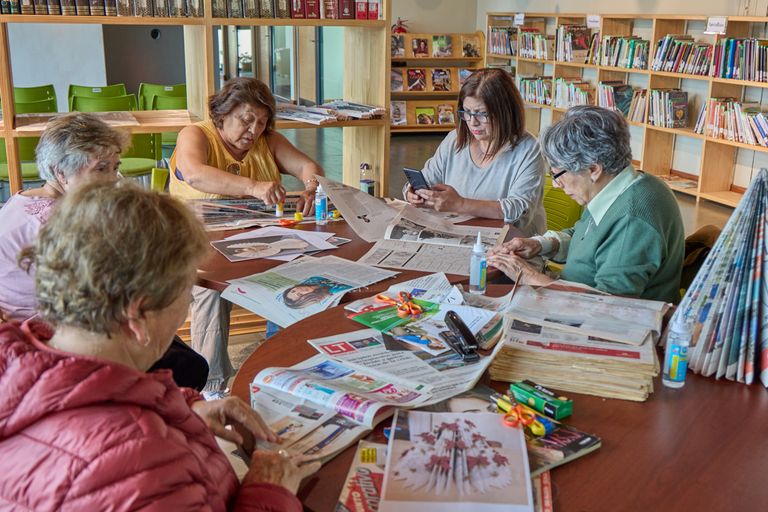
- Companionship and emotional support
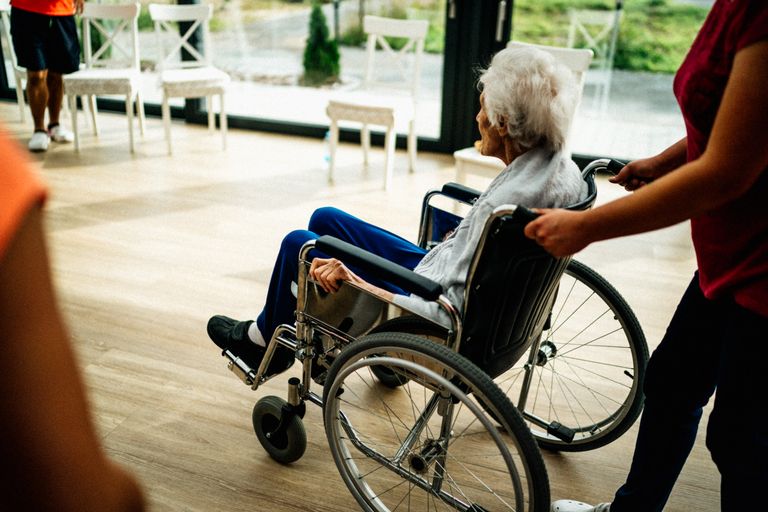
- Mobility assistance and fall prevention
- Light housekeeping and daily task support
The goal is to enhance quality of life while allowing seniors to remain in a familiar environment.
Why Early Recognition Matters
Identifying the need for Elder Care Solutions early can prevent accidents, reduce health risks, and improve emotional wellbeing. Waiting too long often leads to emergencies such as falls, hospitalizations, or caregiver burnout.
Early intervention allows families to:
- Plan care gradually
- Avoid crisis-driven decisions
- Maintain senior independence longer
- Reduce emotional stress
- Improve overall safety
A proactive approach ensures better long-term outcomes.
1. Difficulty Managing Daily Activities
One of the first signs that a loved one may need Home Care Services is difficulty with activities of daily living (ADLs).
Examples include:
- Trouble bathing or grooming
- Difficulty dressing appropriately
- Struggling to prepare meals
- Neglecting household chores
- Forgetting basic routines
When everyday tasks become overwhelming, it may be time to consider additional support.
2. Frequent Forgetfulness or Memory Issues
Occasional forgetfulness is normal with aging, but consistent memory problems may indicate a deeper issue.
Warning signs include:
- Forgetting appointments or medications
- Repeating questions frequently
- Misplacing important items often
- Confusion about time or place
These symptoms may signal cognitive decline and should be evaluated through a Home Care Consultation.
3. Poor Medication Management
Medication errors are a serious concern among seniors living alone.
Signs of concern:
- Missed or double doses
- Confusion about prescriptions
- Unopened medication bottles
- Declining health due to improper use
Proper Elder Care Solutions often include medication reminders or caregiver supervision to ensure safety.
4. Noticeable Weight Loss or Poor Nutrition
Changes in eating habits can indicate that a senior is struggling to maintain proper nutrition.
Possible causes:
- Difficulty cooking
- Loss of appetite
- Forgetting to eat meals
- Lack of motivation to prepare food
Nutritional decline can quickly affect energy levels and overall health, making Home Care Services essential.
5. Increased Fall Risk or Mobility Issues
Falls are one of the leading causes of injury among older adults.
Warning signs:
- Unsteady walking
- Difficulty climbing stairs
- Recent unexplained bruises or injuries
- Fear of moving independently
Caregivers can provide mobility support and reduce hazards in the home environment.
6. Decline in Personal Hygiene
A noticeable change in grooming or cleanliness may indicate that daily tasks have become too difficult.
Examples include:
- Wearing unwashed clothes repeatedly
- Neglecting bathing or grooming
- Unkempt appearance
This often signals the need for personal care support within Home Care Services.
7. Social Withdrawal and Loneliness
Emotional wellbeing is just as important as physical health.
Signs of concern:
- Avoiding social interactions
- Loss of interest in hobbies
- Increased isolation
- Signs of depression or sadness
Companionship services within elder care solutions can help improve emotional health and engagement.
8. Home Safety Concerns
A senior’s living environment can reveal a lot about their ability to manage independently.
Red flags include:
- Cluttered or unclean living spaces
- Unpaid bills or disorganized paperwork
- Spoiled food in the kitchen
- Safety hazards left unaddressed
These signs suggest that assistance is needed to maintain a safe home environment.
9. Increased Caregiver Stress Within the Family
Family members often take on caregiving responsibilities before seeking professional help.
Signs of caregiver strain:
- Constant exhaustion
- Emotional frustration
- Lack of personal time
- Difficulty balancing responsibilities
When caregiving becomes overwhelming, a Home Care Consultation can help introduce professional support.
10. Recent Hospital Visits or Health Decline
Frequent hospital visits or worsening health conditions indicate a need for structured care at home.
Possible reasons:
- Chronic illness progression
- Poor medication management
- Increased frailty or weakness
Professional Home Care Services help reduce hospital readmissions by providing consistent monitoring and care.
The Role of Home Care Consultation
A Home Care Consultation is a professional assessment that evaluates a senior’s physical, emotional, and environmental needs.
What it includes:
- Health and mobility evaluation
- Cognitive assessment
- Home safety review
- Discussion with family members
- Care plan recommendations
This process helps families make informed decisions about the level of care required.
How Elder Care Solutions Support Families
Modern Elder Care Solutions are designed to support both seniors and their families. They provide structured care systems that reduce stress and improve quality of life.
Benefits include:
- Personalized care planning
- Professional caregiver support
- Flexible care options
- Improved safety and wellbeing
- Peace of mind for families
These solutions bridge the gap between independence and full-time care.
How Home Care Services Improve Quality of Life
When implemented early, Home Care Services significantly improve daily living for seniors.
Key improvements:
- Greater independence at home
- Better health management
- Reduced risk of accidents
- Enhanced emotional wellbeing
- Stronger family relationships
Care is delivered in a way that respects dignity and personal choice.
How Blessed Hands Home Care Supports Families
For families seeking reliable solutions, Blessed Hands Home Care provide compassionate Home Care Services and personalized Elder Care Solutions, helping families identify care needs through professional Home Care Consultation and ensuring seniors receive safe, respectful, and supportive care at home.
Conclusion
Recognizing the signs that a loved one may need Home Care Services is an important step in ensuring their safety, health, and happiness. From memory changes and mobility issues to emotional withdrawal and caregiver stress, these indicators should not be ignored.
Early action through a Home Care Consultation allows families to build effective Elder Care Solutions that support independence while providing necessary assistance.
With the right support system in place, seniors can continue living comfortably at home while receiving the care they need to thrive.
FAQs
1. What are home care services?
They are professional support services provided at home to assist seniors with daily living and health needs.
2. What is a home care consultation?
It is an assessment that evaluates a senior’s care needs and recommends appropriate support.
3. When should families consider home care?
When seniors show difficulty with daily tasks, memory issues, or safety concerns.
4. Can home care improve quality of life?
Yes, it helps seniors maintain independence while receiving necessary support.
5. Are elder care solutions customizable?
Yes, care plans are tailored to each individual’s needs and lifestyle.