
Live-In Care vs. Assisted Living: Which Option Is Best?
When families begin exploring long-term care options for aging loved ones, two common choices often come up: Live-In Care and Assisted Living. Both options are designed to support seniors who need help with daily activities, but they differ significantly in structure, cost, independence level, and overall experience.
Choosing between these two Assisted Living Alternatives is not always easy. Families must carefully consider health needs, personal preferences, safety concerns, and emotional wellbeing. What works for one senior may not be suitable for another.
This guide breaks down the differences between Live-In Care vs. Assisted Living, helping families make informed decisions about the best Long-Term Care solution for their loved ones.
What Is Live-In Care?
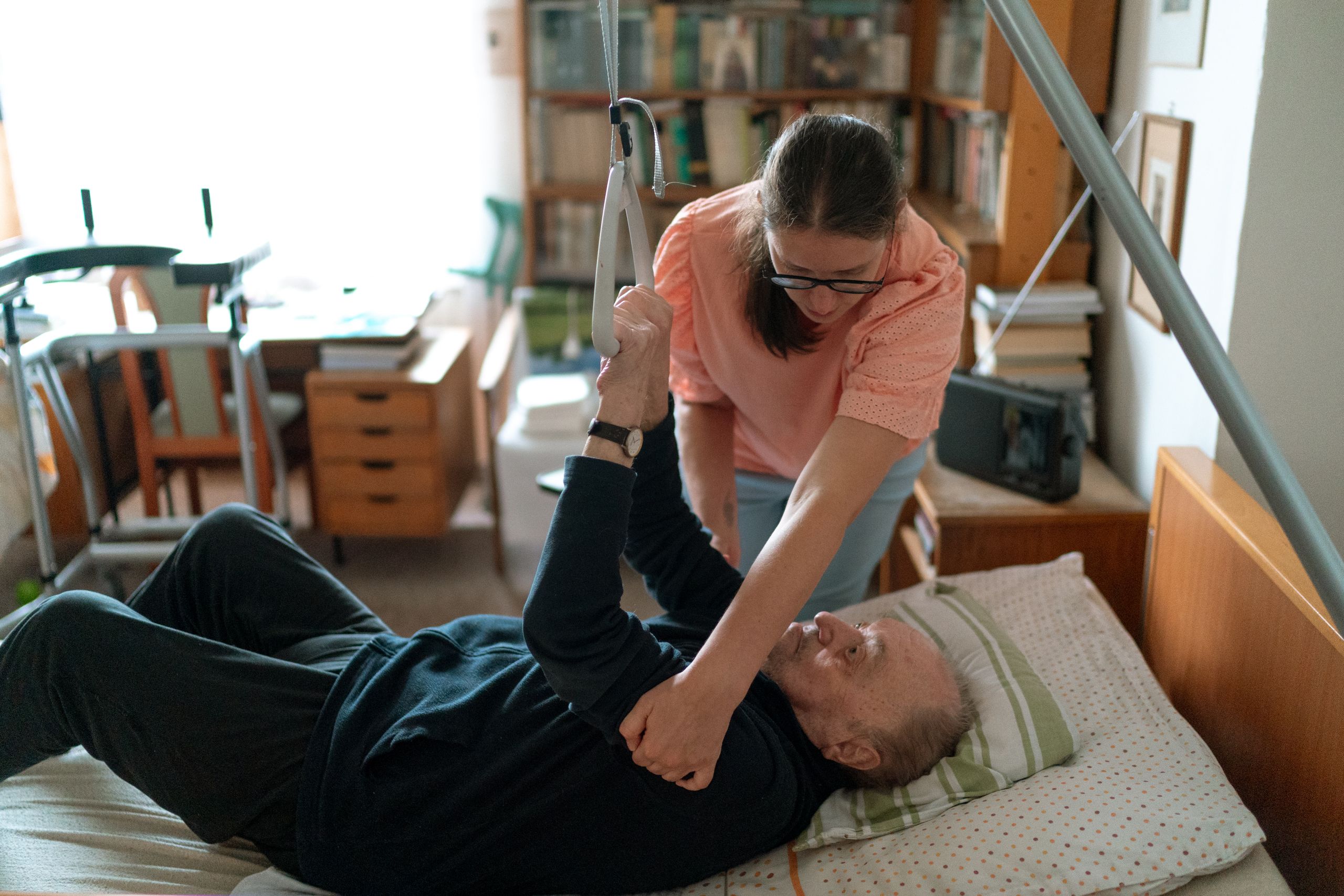
Live-In Care is a service where a professional caregiver lives in the home of the senior and provides continuous support throughout the day. This arrangement allows seniors to remain in familiar surroundings while receiving personalized assistance.
The caregiver typically assists with daily activities, companionship, safety monitoring, and routine care needs. While the caregiver lives in the home, they are usually given scheduled rest periods, and care responsibilities may be shared if multiple caregivers rotate.
Key Features of Live-In Care
- One-on-one personalized attention
- Support in the comfort of home
- Assistance with daily living activities
- Companionship and emotional support
- Safety monitoring and emergency response
Live-in care is often chosen by families who want their loved ones to remain at home while still receiving consistent support.
What Is Assisted Living?
Assisted Living refers to residential facilities where seniors live in private or semi-private apartments while receiving structured care services. These facilities provide housing, meals, social activities, and assistance with daily tasks.
Unlike live-in care, assisted living involves relocation to a community setting where multiple residents receive care from staff members.
Key Features of Assisted Living
- Community-based living environment
- Access to meals and housekeeping services
- Group activities and social programs
- On-site staff available for assistance
- Structured daily routines
Assisted living is designed for seniors who need moderate support but do not require full-time medical care.
Live-In Care vs. Assisted Living: Key Differences
Understanding the differences between these two options helps families make the right decision based on lifestyle, comfort, and care needs.
| Feature | Live-In Care | Assisted Living |
|---|---|---|
| Living Environment | Home-based | Residential facility |
| Level of Independence | High | Moderate |
| Personalization | Fully personalized | Standardized care system |
| Caregiver Interaction | One-on-one | Shared staff among residents |
| Cost Structure | Varies by hours and needs | Fixed monthly fees |
| Emotional Comfort | Familiar home environment | Social community setting |
Each option offers unique advantages depending on the senior’s condition and preferences.
Benefits of Live-In Care
1. Comfort of Staying at Home
One of the biggest advantages of Live-In Care is the ability for seniors to remain in their own homes. Familiar surroundings often provide emotional comfort and reduce anxiety.
Home is associated with memories, independence, and identity. Staying there allows seniors to maintain a sense of continuity in their lives.
2. Personalized One-on-One Attention
Live-in care offers dedicated support tailored specifically to one individual. Unlike assisted living facilities where staff divide attention among multiple residents, live-in caregivers focus entirely on one person.
This results in higher quality care, stronger relationships, and better understanding of the senior’s needs.
3. Flexible and Customized Care
Care plans in live-in arrangements can be adjusted easily based on changing needs. Whether a senior requires assistance with mobility, meal preparation, or companionship, services can be tailored accordingly.
This flexibility makes live-in care highly adaptable for long-term needs.
4. Emotional Stability and Familiarity
Remaining in a known environment helps reduce confusion, especially for seniors with memory-related conditions. Familiar furniture, routines, and surroundings contribute to emotional stability.
This can significantly improve mental wellbeing and reduce stress.
Benefits of Assisted Living
1. Social Interaction and Community Life
One of the strongest benefits of assisted living is the opportunity for social engagement. Seniors live among peers, participate in group activities, and enjoy shared experiences.
This helps reduce loneliness and encourages active participation in daily life.
2. Structured Environment
Assisted living provides a structured routine, including meals, activities, and scheduled care. This can be beneficial for seniors who thrive in organized environments.
Predictability often brings comfort and stability.
3. Access to On-Site Services
Most assisted living facilities offer access to services such as housekeeping, laundry, meals, and recreational programs.
This reduces the burden of daily responsibilities and allows seniors to focus more on relaxation and socialization.
4. Safety and Supervision
Assisted living communities are designed with safety in mind. Staff are available around the clock, and emergency systems are typically in place.
This provides reassurance for families concerned about their loved one’s safety.
Challenges of Live-In Care
While live-in care offers many benefits, it also comes with certain challenges.
Limited Social Interaction
Since care is home-based, seniors may have fewer opportunities for social engagement unless family or community interaction is actively encouraged.
Home Suitability
The home environment must be safe and suitable for caregiving, which may require modifications such as ramps, grab bars, or medical equipment.
Caregiver Dependency
Because care is centered around one individual, consistency in caregiver availability is important to maintain continuity.
Challenges of Assisted Living
Assisted living also has limitations that families should consider.
Loss of Familiar Environment
Moving into a facility means leaving behind the comfort of home, which can be emotionally difficult for many seniors.
Less Personalized Attention
Care is shared among multiple residents, which may reduce the level of individual attention compared to live-in care.
Fixed Schedules
Daily routines are often structured, leaving less flexibility for personal preferences.
Cost Comparison
Cost is often a major deciding factor between Live-In Care and Assisted Living.
- Live-in care costs vary depending on hours, caregiver requirements, and level of support.
- Assisted living typically involves fixed monthly fees that include housing, meals, and services.
While assisted living may seem more predictable in pricing, live-in care can sometimes be more cost-effective for couples or individuals requiring flexible support.
Which Option Is Better for Long-Term Care?
The answer depends on the individual’s needs and preferences.
Live-In Care May Be Best If:
- The senior prefers staying at home
- Personalized attention is important
- Emotional comfort and familiarity are priorities
- Family wants flexible care arrangements
Assisted Living May Be Best If:
- Social interaction is important
- Home environment is no longer safe or practical
- Structured routines are preferred
- Minimal family support is available
Both options are valid forms of Long-Term Care, and the best choice depends on balancing independence, safety, and emotional wellbeing. Blessed Hands Home Care offers various plans of live-in care and assisted living.
The Role of Assisted Living Alternatives
Many families today are actively seeking Assisted Living Alternatives because they want more personalized and flexible care options. Live-in care has become one of the most popular alternatives due to its home-based approach and individualized support.
This shift reflects a growing preference for aging in place and maintaining independence for as long as possible.
Conclusion
Choosing between Live-In Care and Assisted Living is a deeply personal decision that depends on health needs, lifestyle preferences, and family circumstances.
Live-in care offers comfort, familiarity, and one-on-one attention in the home, while assisted living provides structured community living with built-in social opportunities and services.
Both options play an important role in modern Long-Term Care, and the best choice is the one that ensures safety, dignity, and quality of life for the senior.
For families seeking reliable Assisted Living Alternatives, Blessed Hands Home Care offer compassionate and personalized support that helps seniors remain safe, comfortable, and independent in the place they call home.
FAQs
1. What is the main difference between live-in care and assisted living?
Live-in care happens at home with one-on-one support, while assisted living is a residential facility with shared care services.
2. Is live-in care more expensive than assisted living?
It depends on care needs, but live-in care can be more cost-effective for individuals requiring flexible or continuous support.
3. Can seniors socialize with live-in care?
Yes, but social interaction depends on family visits and community engagement outside the home.
4. Who is assisted living best suited for?
Seniors who need moderate care and enjoy structured social environments.
5. Is live-in care safe for long-term use?
Yes, with proper caregiver support and home safety measures, it is a safe long-term care option.