Understanding Personal Care Assistance: What Families Need to Know
As our loved ones age, even the simplest daily activities can gradually become more difficult. Tasks such as bathing, dressing, grooming, meal preparation, and moving safely around the home may require extra help. This is where Personal Care Assistance becomes an essential part of modern Senior Support Services.
For many families, the idea of providing full-time care can feel overwhelming. Work schedules, distance, and emotional stress often make it difficult to meet all caregiving needs alone. Personal care assistance bridges this gap by offering trained professionals who step in with compassionate, reliable, and structured support.
Understanding how this type of care works is important for making informed decisions. In this guide, we will explore what personal care assistance includes, who needs it, and how it strengthens both seniors and families through dependable Family Care Support.
What Is Personal Care Assistance?
Personal Care Assistance refers to non-medical support services provided to individuals who need help with daily living activities. It is designed to promote independence while ensuring safety and comfort in the home environment.
Unlike medical care, personal care focuses on everyday tasks such as hygiene, mobility, nutrition, and routine support. These services are typically provided by trained caregivers who understand the physical and emotional needs of older adults.
The goal is not to take away independence but to enhance it. Seniors are encouraged to remain active participants in their care while receiving the assistance they need to live safely and comfortably.
Why Personal Care Assistance Is Becoming Essential
The demand for Senior Support Services is growing rapidly as life expectancy increases and more seniors choose to age at home. Many families are now turning to professional care solutions because they recognize that long-term caregiving requires time, patience, and training.
One of the biggest reasons for this shift is the desire for aging in place—remaining in one’s own home instead of moving to assisted living facilities. Personal care assistance makes this possible by providing structured support without disrupting familiar routines.
Another factor is the emotional relief it provides to families. Knowing that a trained caregiver is present reduces stress and ensures that loved ones are safe even when family members are not around.
Key Services Included in Personal Care Assistance
Personal care assistance covers a wide range of daily living activities. While services may vary depending on individual needs, the most common areas of support include:
1. Personal Hygiene and Grooming
Maintaining hygiene becomes more difficult with age due to mobility issues or chronic conditions. Caregivers assist with bathing, oral care, hair grooming, and dressing.
This support helps seniors maintain dignity and self-esteem while ensuring they stay clean and comfortable.
2. Mobility and Transfer Assistance
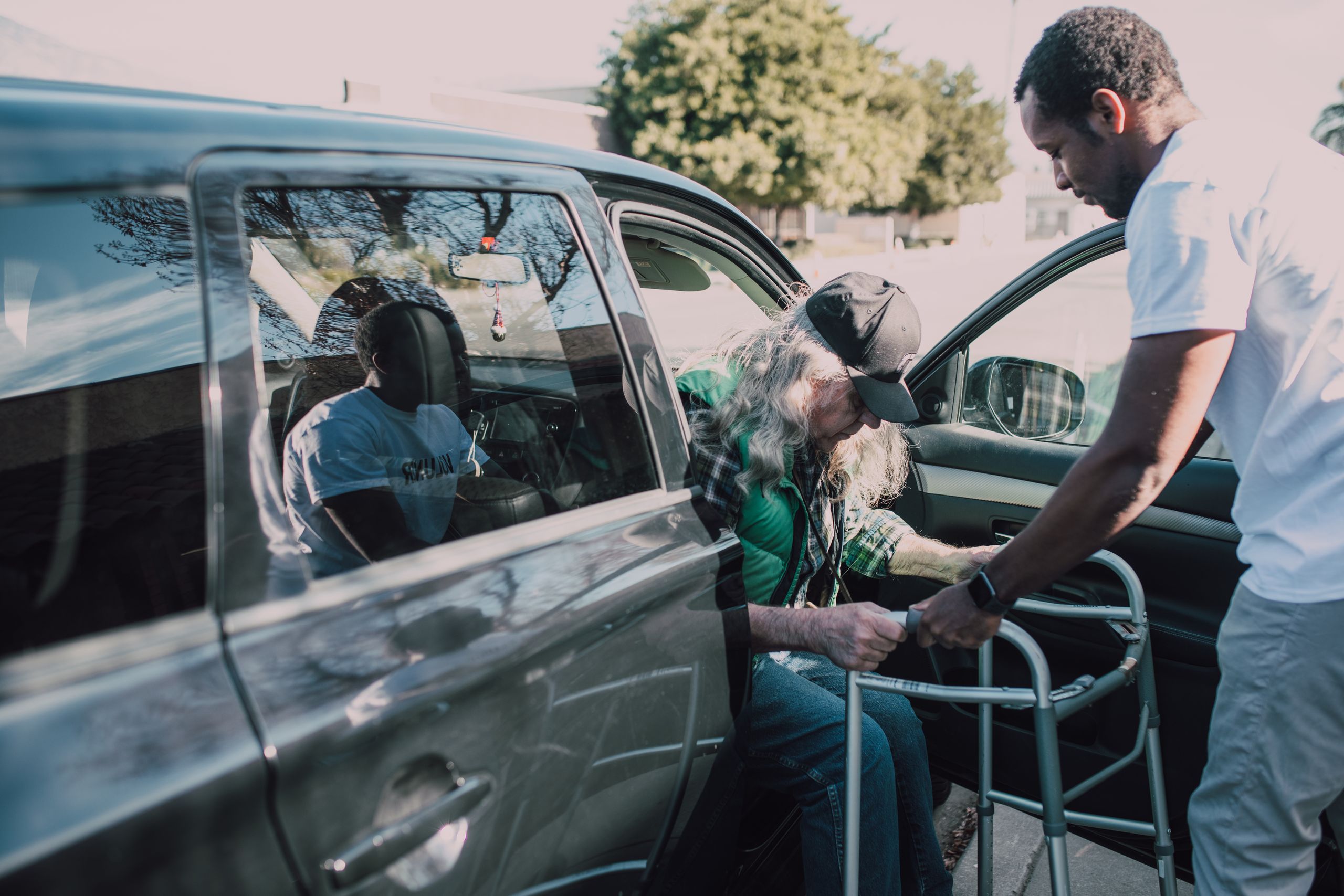
Many seniors face challenges when moving around the house, getting in and out of bed, or using mobility aids. Caregivers provide physical support to prevent falls and injuries.
Safe movement is a critical part of maintaining independence and preventing hospital visits.
3. Meal Preparation and Nutrition Support
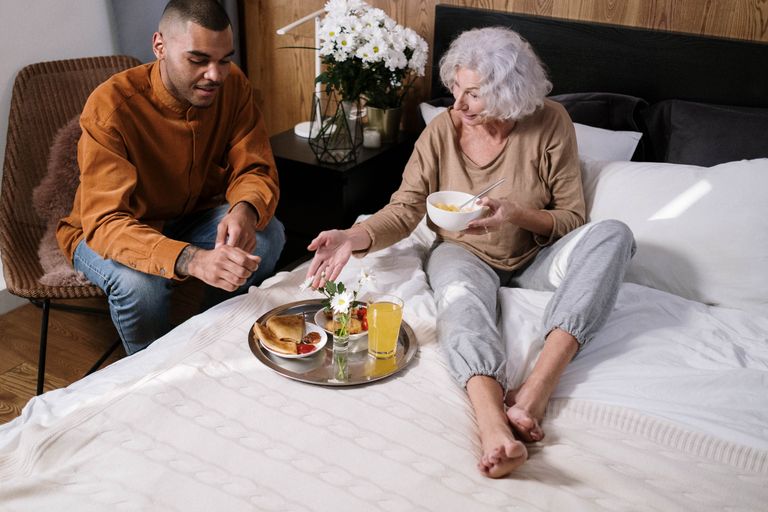
Proper nutrition is essential for healthy aging. Caregivers assist with meal planning, cooking, and feeding when necessary.
They ensure that seniors receive balanced meals tailored to their dietary needs, helping to prevent malnutrition and related health issues.
4. Medication Reminders
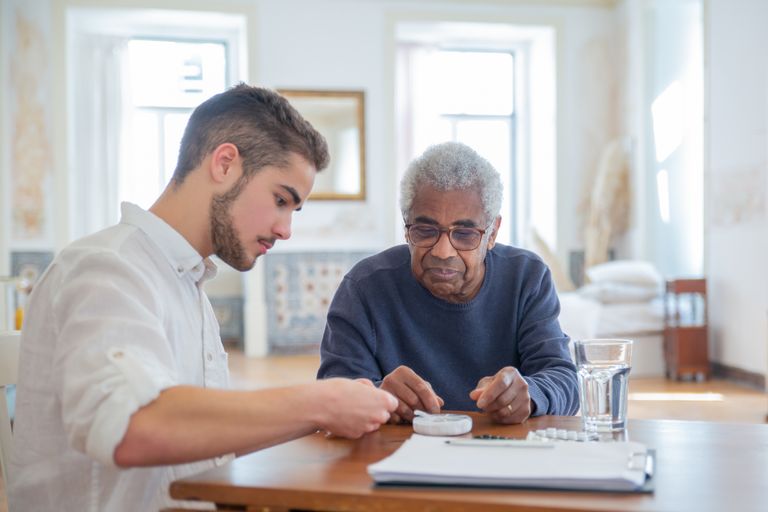
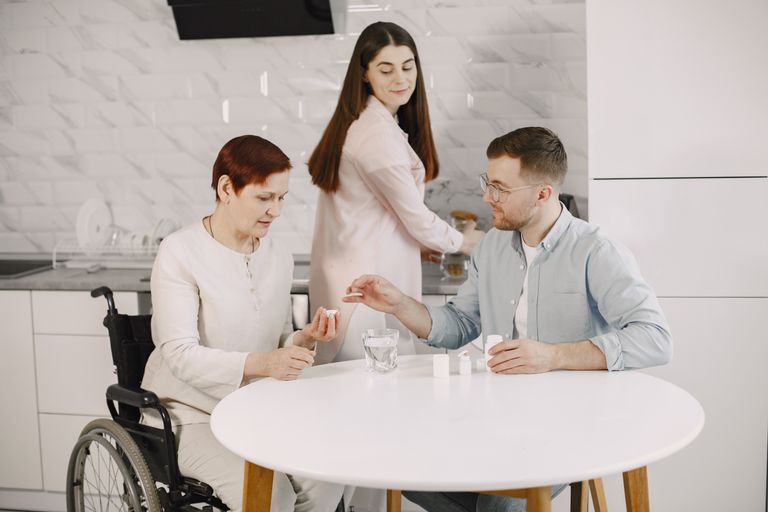
While personal caregivers do not administer medical treatment, they play an important role in reminding seniors to take their medications on time.
This helps improve adherence to prescriptions and reduces the risk of missed doses or complications.
5. Toileting and Continence Care
This is often a sensitive but necessary aspect of personal care. Caregivers provide respectful assistance with toileting and continence management, ensuring dignity and privacy are maintained.
The Role of Personal Care in Senior Independence
One of the most important goals of Personal Care Assistance is to support independence rather than replace it. Many seniors fear losing control over their daily lives, but personal care is designed to empower them.
Caregivers encourage seniors to do what they can on their own while stepping in only when necessary. This approach builds confidence and helps maintain physical and mental strength.
Independence is not just physical—it is emotional. When seniors feel capable, they experience higher self-worth and improved mental wellbeing.
How Personal Care Strengthens Family Care Support
Caring for an aging loved one can be emotionally rewarding but also physically and mentally exhausting. Families often struggle to balance caregiving with work, parenting, and personal responsibilities.
This is where Family Care Support becomes invaluable. Personal care assistance reduces caregiver burnout by sharing responsibilities with trained professionals.
Instead of handling all tasks alone, families can focus on spending quality time with their loved ones. This improves relationships and reduces stress for everyone involved.
It also ensures continuity of care, especially during emergencies or busy schedules.
Emotional and Psychological Benefits
Beyond physical support, personal care assistance has a strong emotional impact. Many seniors experience loneliness, especially if they live alone or have limited social interaction.
Caregivers provide companionship through conversation, shared activities, and emotional encouragement. This helps reduce feelings of isolation and depression.
Having someone consistent and trustworthy in the home creates a sense of security and emotional stability. Over time, caregivers often become familiar and comforting figures in the senior’s life.
Safety and Risk Prevention at Home
One of the major concerns for aging adults is the risk of accidents at home. Falls, medication errors, and dehydration are common issues that can lead to serious health complications.
Personal care assistants help reduce these risks by ensuring a safe living environment. They monitor movement, assist with walking, and keep the home free of hazards.
Their presence also means emergencies can be identified quickly, allowing for faster response and reduced complications.
When Should Families Consider Personal Care Assistance?
Families often wonder when the right time is to introduce personal care support. Some common signs include:
- Difficulty with bathing or grooming
- Frequent falls or mobility issues
- Missed medications or confusion with prescriptions
- Poor nutrition or weight loss
- Increased forgetfulness or confusion
- Social withdrawal or loneliness
- Caregiver stress within the family
When these signs appear, it may be time to consider professional support to maintain safety and wellbeing.
Choosing the Right Personal Care Provider
Selecting the right caregiver or agency is an important decision. Families should look for providers that offer:
- Trained and experienced caregivers
- Personalized care plans
- Strong communication with families
- Reliable and consistent service
- Compassionate and respectful care approach
Trust is key. Families should feel confident that their loved one is in safe and caring hands.
The Future of Personal Care Assistance
As the global population continues to age, the demand for personalized home-based care will continue to grow. Families are increasingly choosing care solutions that allow seniors to remain at home while receiving professional support.
Personal care assistance is becoming a cornerstone of modern elder care because it balances independence with safety, and comfort with professionalism.
Technology, caregiver training, and improved care models will continue to enhance how these services are delivered in the future.
Conclusion
Personal Care Assistance is more than just help with daily tasks—it is a comprehensive support system that enhances dignity, independence, and quality of life for seniors.
By providing structured Senior Support Services and strengthening Family Care Support, it ensures that aging loved ones receive the care they deserve without losing the comfort of home.
For families seeking reliable solutions, Blessed Hands Home Care offer compassionate and personalized services that make aging at home both safe and fulfilling.
FAQs
1. What is included in personal care assistance?
It includes help with hygiene, mobility, meals, medication reminders, and daily living support.
2. Is personal care assistance medical care?
No, it is non-medical support focused on daily activities and safety.
3. Who needs personal care assistance?
Seniors who struggle with daily tasks, mobility issues, or memory challenges may benefit from it.
4. Can personal care help reduce family stress?
Yes, it provides essential support and reduces caregiver burnout within families.
5. How do I choose a personal care provider?
Look for trained caregivers, personalized care plans, and a trusted reputation for compassionate service.