
10 Powerful Benefits of In-Home Care for Aging Loved Ones
Introduction
As people age, their needs gradually change, and families are often faced with one major decision: how to ensure their loved ones receive the right level of support while still maintaining dignity and comfort. One of the most trusted and rapidly growing options today is in-home care, a service designed to help seniors live safely and comfortably in their own homes while receiving professional assistance.
The concept of aging in place has become more than just a preference; it is now a global movement driven by the desire for independence, familiarity, and emotional wellbeing. Instead of relocating to assisted living facilities or nursing homes, many seniors now choose to remain in their homes with tailored support systems in place.
In this article, we will explore 10 powerful benefits of in-home care for aging loved ones, and why it continues to stand out as one of the most effective elder care solutions available today.
1. Promotes Independence and Dignity
One of the strongest advantages of in-home care is the ability for seniors to maintain their independence. Unlike institutional care settings where routines are fixed, home care allows individuals to live life on their own terms.
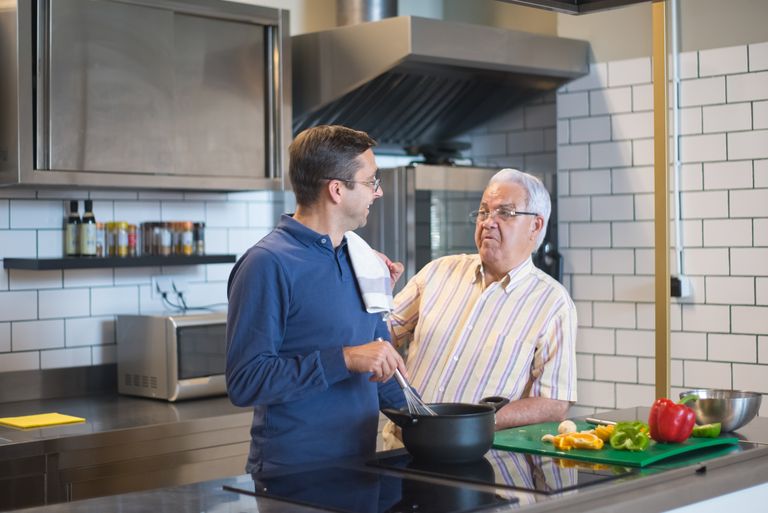
Seniors can wake up when they want, eat their preferred meals, and engage in daily activities without unnecessary restrictions. This level of autonomy helps preserve dignity, which is essential for emotional wellbeing.
Independence is not just about physical ability—it is about choice. Even when assistance is needed, caregivers provide support in a way that encourages participation rather than replacement, helping seniors feel in control of their lives.
2. Supports Aging in Place Comfortably
The idea of aging in place refers to growing older in the comfort of one’s own home rather than relocating to a care facility. For many seniors, home is deeply tied to memories, identity, and emotional stability.
In-home care makes this possible by bringing professional support directly into the home environment. This includes help with daily tasks, mobility support, and health monitoring.
Familiar surroundings reduce confusion and anxiety, especially for individuals with memory-related conditions. Simply staying in a known environment can significantly improve emotional balance and overall wellbeing.
3. Enhances Emotional and Mental Wellbeing
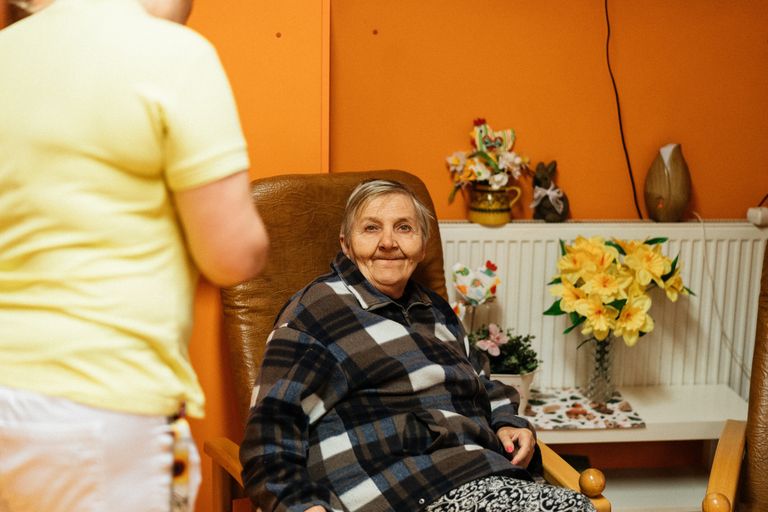
Loneliness and isolation are common challenges among older adults. In-home care addresses this by providing companionship alongside physical support.
Caregivers often become trusted companions who engage seniors in conversations, hobbies, and recreational activities. This social interaction helps reduce feelings of depression and anxiety.
Emotional wellbeing is just as important as physical health. When seniors feel valued and heard, their overall quality of life improves significantly. A familiar caregiver can also provide emotional stability during difficult transitions or health challenges.
4. Provides Personalized Elder Care Solutions
Every senior has unique needs, and in-home care is designed to reflect that individuality. Unlike institutional settings where care is standardized, home care is highly personalized.
Care plans are tailored based on health conditions, preferences, routines, and family input. Whether a senior needs part-time assistance or full-time support, services are adjusted accordingly.
This personalized approach ensures that care is not only effective but also respectful of personal choices and lifestyle habits.
5. Improves Safety at Home
As people age, risks such as falls, medication errors, and mobility challenges increase. In-home caregivers play a key role in reducing these risks by providing supervision and assistance.
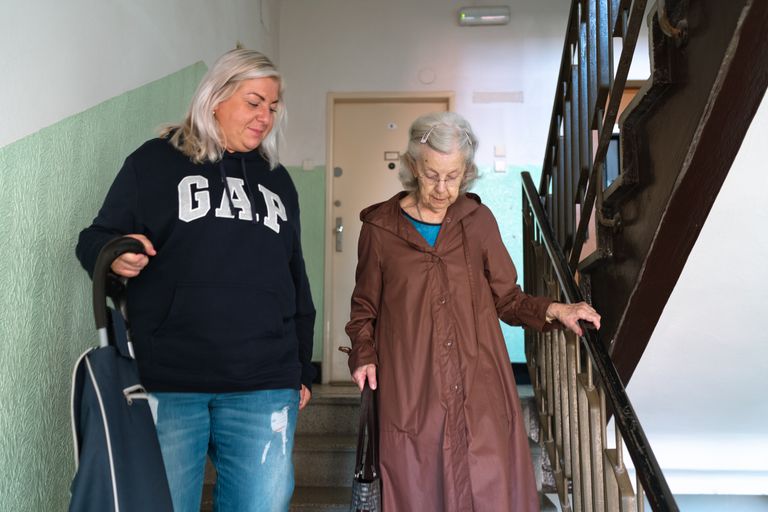
They help seniors move safely around the house, ensure proper lighting, remove hazards, and assist with mobility devices when needed.
Caregivers also monitor changes in health conditions and report concerns early, helping prevent emergencies before they occur. This proactive approach significantly improves home safety.
6. Encourages Strong Family Involvement
One of the unique benefits of in-home care is that it allows families to remain actively involved in their loved one’s care.
Unlike residential facilities where access may be limited, home care allows family members to visit freely, participate in care planning, and stay informed about progress.
This collaborative approach strengthens family bonds and reduces the emotional stress often associated with long-distance caregiving or institutional placement.
7. Supports Better Health Outcomes
Studies have shown that seniors who receive care at home often experience better health outcomes compared to those in institutional settings.
This is partly because care is more personalized and consistent. Medication reminders, proper nutrition, and regular monitoring all contribute to improved health.
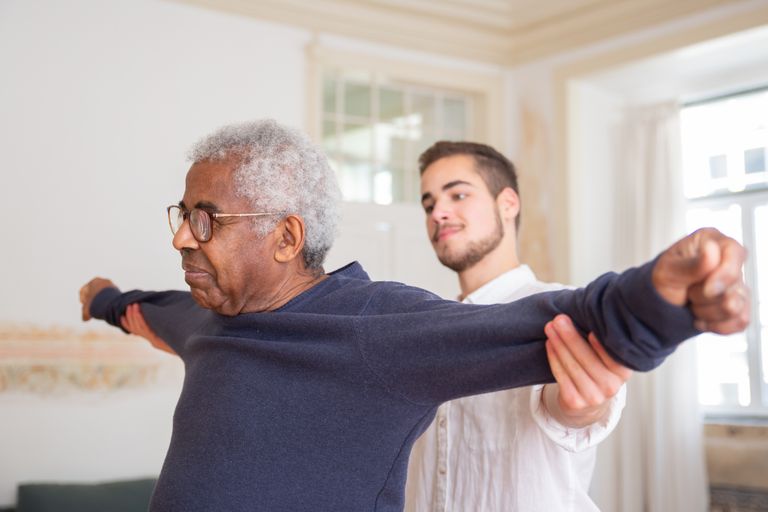
In-home caregivers also encourage healthy routines such as hydration, exercise, and balanced meals, which are essential for maintaining strength and vitality.
8. Offers Flexible Care Options
Flexibility is one of the most important aspects of in-home care services. Families can choose the level of support that best fits their needs, whether it is hourly care, overnight assistance, or 24-hour supervision.
This adaptability allows care plans to evolve as needs change over time. For example, a senior recovering from surgery may need short-term intensive care, while another individual may require long-term companionship and daily assistance.
This flexibility ensures that families only pay for the services they need while still receiving high-quality support.
9. Provides Relief for Family Caregivers
Caring for an aging loved one can be emotionally and physically demanding. Many family caregivers experience stress, burnout, and exhaustion over time.
In-home care provides essential relief by sharing caregiving responsibilities with trained professionals. This allows family members to focus on spending quality time with their loved ones rather than being overwhelmed by daily tasks.
This support system, often called respite care, ensures that both seniors and their families maintain balance and wellbeing.
10. Delivers Cost-Effective Elder Care Solutions
Compared to assisted living facilities and nursing homes, in-home care can often be a more cost-effective solution, especially when care needs are moderate or flexible.
Families can customize services based on budget and requirements, avoiding unnecessary expenses associated with full-time residential care.
In addition, in-home care eliminates costs related to relocation, facility fees, and shared service charges, making it a practical option for many households.
Why In-Home Care Is Growing in Demand
The global shift toward aging in place reflects changing attitudes about senior care. More families now prioritize comfort, independence, and emotional wellbeing over institutional living arrangements.
In-home care offers a balanced solution that combines professional support with personal freedom. It bridges the gap between medical needs and lifestyle preferences, making it one of the most sustainable elder care solutions available today.
Conclusion
In-home care continues to transform how families approach senior support. By offering independence, safety, emotional connection, and personalized assistance, it provides a comprehensive solution that meets both physical and emotional needs.
For many families, the decision to choose in-home care is not just about convenience—it is about preserving dignity, strengthening relationships, and ensuring a better quality of life for aging loved ones.
As the demand for in-home care services continues to grow, it remains one of the most trusted ways to support seniors while allowing them to remain in the place they love most—home. Blessed Hands Home Care provides many in-home care plans tailored to meet each individual health need.
FAQs
1. What is in-home care for seniors?
In-home care is professional support provided to seniors in their homes, including personal care, companionship, and daily living assistance.
2. Is in-home care better than assisted living?
It depends on individual needs, but many seniors prefer in-home care because it allows them to maintain independence and stay in familiar surroundings.
3. How does in-home care support aging in place?
It provides the necessary assistance for seniors to safely remain in their homes while receiving help with daily tasks and health monitoring.
4. Can in-home care be customized?
Yes, care plans are tailored to meet the specific needs, preferences, and health conditions of each individual.
5. Is in-home care affordable?
In many cases, it is more flexible and cost-effective than residential care facilities, especially for part-time or moderate care needs.