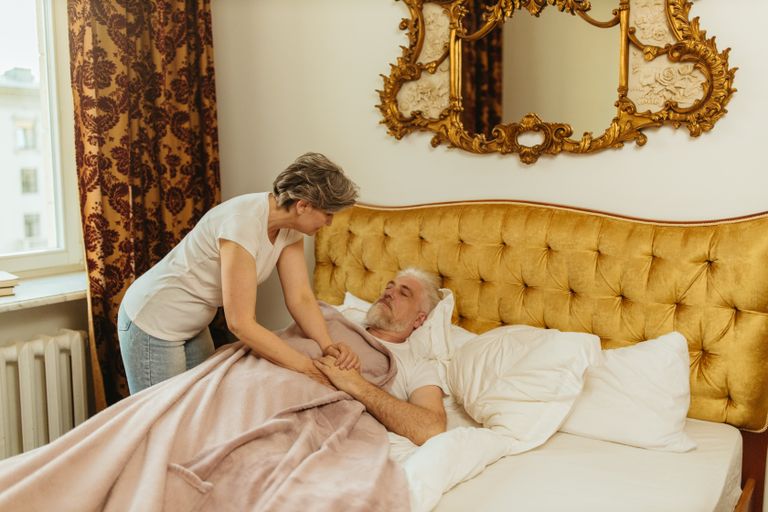

The Complete Guide to Home Care Services for Seniors: Everything Families Need to Know
Growing older is a journey that comes with both opportunities and challenges. While many seniors wish to remain in the comfort of their own homes, everyday tasks can become increasingly difficult with age. Families often find themselves searching for reliable solutions that allow their loved ones to maintain independence while receiving the support they need. This is where home care services play a critical role.
The demand for senior care and in-home care continues to grow as populations age across the world. Research shows that a large majority of older adults prefer to remain in their own homes rather than move into institutional care settings. The desire to age comfortably in familiar surroundings has made aging in place one of the most important trends in elder care today. Recent industry data indicates that demand for home care services continues to rise as more families seek personalized alternatives to nursing homes and assisted living facilities.
Understanding the different types of care available can help families make informed decisions. Whether a loved one needs occasional companionship, assistance with daily activities, or around-the-clock support, there is a home care solution designed to meet those unique needs.
Understanding Home Care Services
What Is Home Care?
Home care services refer to professional support provided to individuals in their own homes. These services are designed to help seniors maintain their independence while ensuring their safety, comfort, and overall wellbeing. Home care can include assistance with personal hygiene, meal preparation, transportation, medication reminders, companionship, and specialized care for chronic conditions.
Unlike nursing homes or residential care facilities, home care allows seniors to remain in a familiar environment surrounded by cherished memories, family members, and community connections. This familiarity often contributes positively to emotional health and quality of life. For many older adults, home is much more than a physical space—it is a source of comfort, identity, and security.
Home care is highly flexible and can be customized according to individual needs. Some seniors may require only a few hours of support each week, while others benefit from full-time or live-in care arrangements. The ability to tailor services makes home care one of the most effective and compassionate approaches to senior support.
Why More Families Are Choosing In-Home Care
Families today face numerous challenges when caring for aging loved ones. Work commitments, geographic distance, and personal responsibilities can make it difficult to provide consistent support. Professional caregivers help bridge this gap by offering dependable assistance while allowing family members to remain actively involved in care decisions.
The preference for aging in place is a significant factor driving the growth of home care services. Studies indicate that a substantial majority of adults over 50 would rather remain at home as they age than move into institutional care.
Another reason families choose home care is the personalized attention seniors receive. Unlike facility-based care where staff may be responsible for multiple residents, home caregivers often provide one-on-one support tailored to the individual’s unique needs and preferences.
Types of Home Care Services Available
Personal Care Assistance
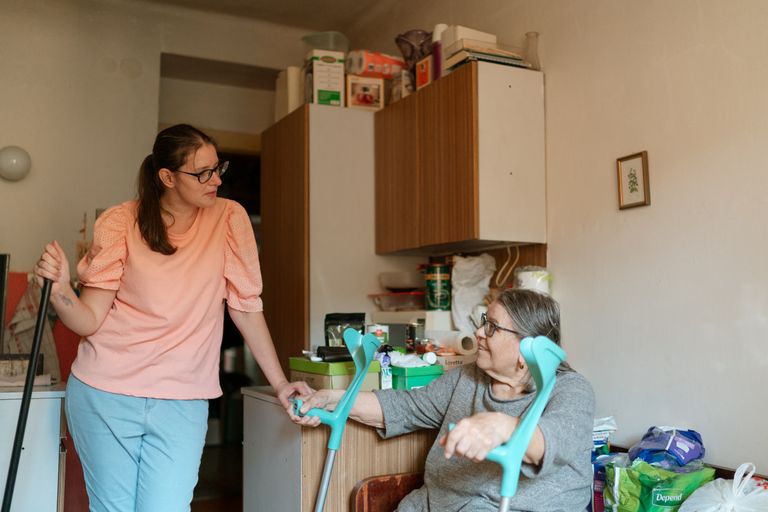
Personal care assistance focuses on helping seniors perform essential daily activities. These tasks may include bathing, grooming, dressing, toileting, mobility assistance, and maintaining personal hygiene. While these activities may seem simple, they are vital for preserving dignity, health, and self-esteem.
Professional caregivers provide assistance respectfully and compassionately, encouraging seniors to remain as independent as possible. Rather than taking over completely, caregivers often empower individuals to participate in tasks according to their abilities.
This type of support can significantly reduce the risk of falls and injuries while improving overall quality of life. It also provides peace of mind for family members who may worry about their loved one’s safety and wellbeing.
Companion Care
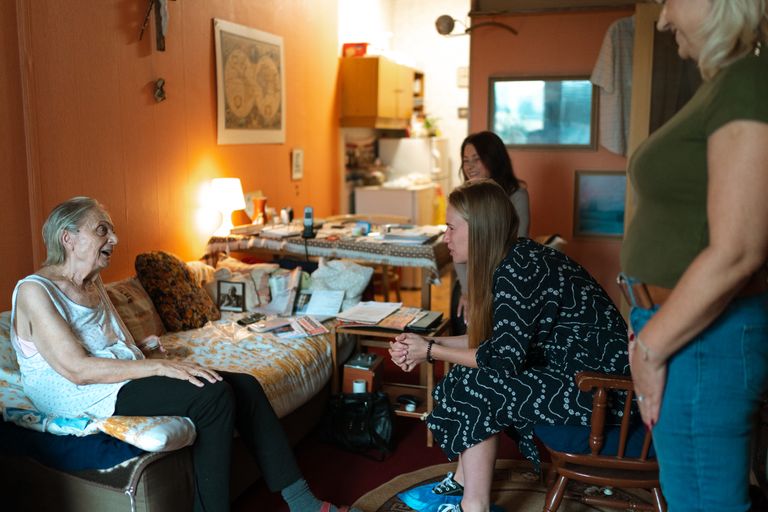
Loneliness and social isolation are common concerns among older adults. Companion care addresses these challenges by providing meaningful social interaction and emotional support. Caregivers engage seniors in conversation, recreational activities, hobbies, and outings that promote mental stimulation and emotional wellness.
Companionship can have a profound impact on a senior’s overall health. Social engagement is linked to improved mood, better cognitive function, and reduced feelings of depression and anxiety. A trusted companion can become an important source of friendship and encouragement.
Companion caregivers may also assist with errands, grocery shopping, transportation, and light housekeeping, making daily life more manageable and enjoyable.
Live-In Care
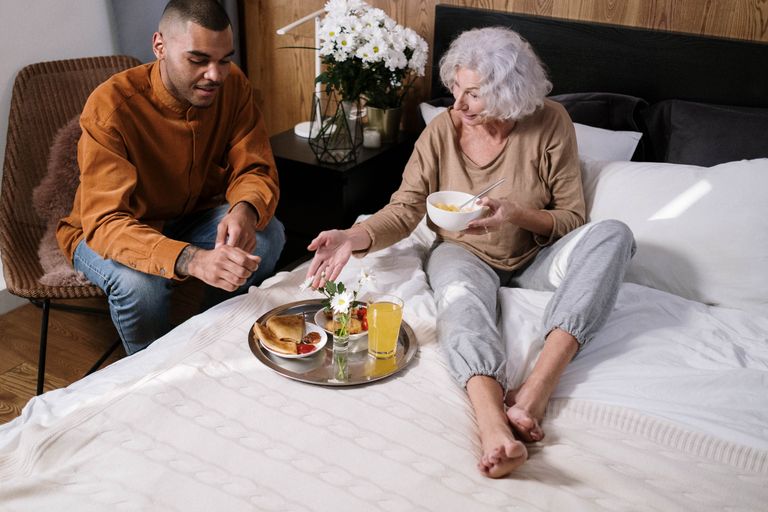
Live-in care provides continuous support for seniors who require regular assistance throughout the day. A caregiver resides in the home and becomes an integral part of the individual’s support system.
This arrangement is ideal for seniors with mobility challenges, chronic illnesses, or conditions that require ongoing supervision. Live-in care allows individuals to remain safely at home while receiving personalized attention tailored to their routines and preferences.
Families often appreciate the consistency and familiarity that live-in caregivers provide. Building a trusting relationship over time can enhance comfort, security, and overall satisfaction with care.
24-Hour and Overnight Care
Some seniors require support around the clock. 24-hour care ensures that assistance is always available, regardless of the time of day or night. This level of care is particularly beneficial for individuals recovering from surgery, managing advanced illnesses, or experiencing cognitive impairments.
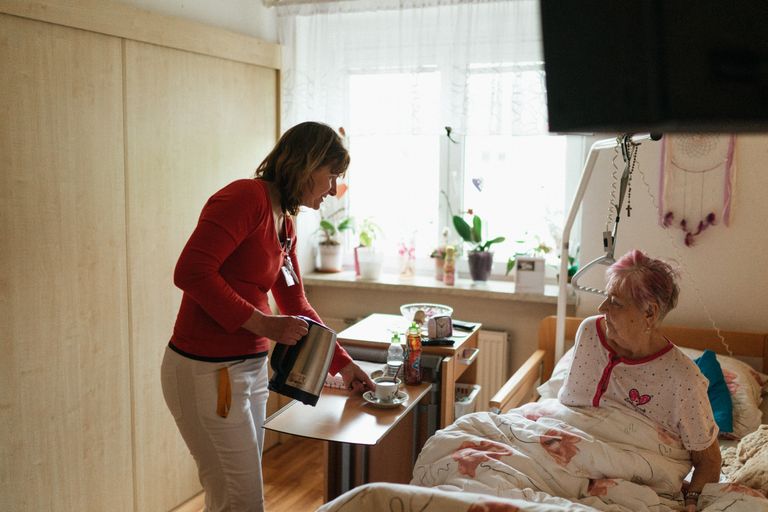
Overnight care focuses specifically on nighttime needs. Caregivers assist with bathroom visits, medication reminders, mobility support, and monitoring for safety concerns. Knowing that a trained professional is available during the night can provide reassurance for both seniors and their families.
Home Health Care
Home health care differs slightly from non-medical home care because it involves skilled medical services delivered by licensed healthcare professionals. These services may include wound care, therapy, health monitoring, and medical assessments.
Home health care is often recommended after hospitalization or surgery and can play a critical role in recovery. Combining medical support with non-medical caregiving creates a comprehensive approach that addresses both health and daily living needs.
Benefits of Aging in Place
Maintaining Independence
One of the greatest advantages of home care is the ability to maintain independence. Seniors can continue living according to their own schedules, preferences, and routines. They remain in control of important decisions while receiving the support needed to stay safe and comfortable.
Independence contributes significantly to self-confidence and emotional wellbeing. Rather than feeling restricted by institutional settings, seniors can enjoy familiar surroundings and meaningful connections within their communities.
Research continues to show strong preferences among older adults for remaining at home whenever possible.
Emotional and Mental Wellbeing
Home environments often promote emotional stability and comfort. Familiar surroundings can reduce stress, confusion, and anxiety, especially for individuals experiencing memory-related conditions.
Remaining close to family, neighbors, pets, and treasured possessions helps preserve a sense of identity and belonging. Home care supports not only physical health but also emotional resilience and mental wellness.
For many seniors, aging in place represents freedom, dignity, and continuity. These factors contribute significantly to overall quality of life.
Specialized Care Services
Dementia Care
Dementia care requires patience, expertise, and a deep understanding of cognitive changes. Specialized caregivers help individuals manage daily activities while providing structure, supervision, and emotional support.
Care plans are tailored to the individual’s needs and focus on maintaining routines, reducing confusion, and promoting safety. Professional dementia care can help seniors remain at home longer while improving their quality of life.
Alzheimer’s Care
Alzheimer’s care involves specialized strategies designed to support individuals experiencing memory loss and cognitive decline. Caregivers assist with daily tasks, communication challenges, and behavioral changes while promoting comfort and security.
Families often benefit from professional guidance and support as they navigate the complexities of Alzheimer’s disease. Personalized care plans help address evolving needs while preserving dignity and independence.
Medication Management
Medication errors can have serious consequences for older adults. Caregivers provide medication reminders, monitor adherence, and help ensure medications are taken as prescribed.
Proper medication management can improve health outcomes, reduce hospitalizations, and support overall wellness. It also provides reassurance for family members concerned about medication safety.
Choosing the Right Home Care Agency
Qualities of Professional Caregivers
Selecting the right caregiver is one of the most important decisions families can make. Professional caregivers should demonstrate compassion, reliability, patience, and strong communication skills.
Key qualities include:
| Quality | Why It Matters |
|---|---|
| Compassion | Builds trust and emotional connection |
| Reliability | Ensures consistent care |
| Experience | Supports effective caregiving |
| Communication | Keeps families informed |
| Professionalism | Promotes safety and accountability |
Questions to Ask Before Hiring
Before choosing a home care provider, families should ask:
- What services are offered?
- How are caregivers trained?
- Are care plans personalized?
- What happens during emergencies?
- How is caregiver compatibility assessed?
Asking these questions helps ensure the selected provider can meet the unique needs of the individual receiving care.
How Blessed Hands Home Care Supports Families
Blessed Hands Home Care is committed to delivering compassionate, personalized support that empowers seniors to live safely and comfortably at home. Through a combination of skilled caregivers, customized care plans, and family-centered services, the organization helps clients maintain independence while receiving the assistance they need.
Whether providing companion care, personal care assistance, respite services, dementia support, or long-term care solutions, the goal remains the same: improving quality of life through trusted home care services.
Conclusion
Home care has transformed the way families support aging loved ones. By combining professional expertise with compassionate assistance, home care services allow seniors to remain where they feel most comfortable—at home. From personal care and companionship to specialized dementia support and around-the-clock assistance, home care offers flexible solutions that adapt to changing needs.
As the demand for senior care continues to grow, families increasingly recognize the value of personalized support delivered in familiar surroundings. Choosing the right home care provider can make a meaningful difference in safety, wellbeing, independence, and overall quality of life.
Frequently Asked Questions
1. What is the difference between home care and home health care?
Home care focuses on non-medical assistance such as personal care, companionship, and daily living support, while home health care includes medical services provided by licensed professionals.
2. Who can benefit from home care services?
Seniors, individuals recovering from illness or surgery, people with disabilities, and those managing chronic conditions can all benefit from home care.
3. Is home care more affordable than assisted living?
Costs vary depending on the level of care required, but many families find home care to be a flexible and cost-effective alternative.
4. How do I know when my loved one needs home care?
Signs may include difficulty with daily activities, frequent falls, memory issues, medication challenges, or increasing social isolation.
5. Can home care services be customized?
Yes. Most reputable agencies create personalized care plans based on each individual’s needs, preferences, and goals.