Home Safety Tips for Seniors to Prevent Falls
For many older adults, home is more than just a place to live—it’s where cherished memories have been made, routines are familiar, and independence can be maintained. However, as we age, the home can also present hidden safety hazards that increase the risk of slips, trips, and falls.
A loose rug, poor lighting, cluttered walkways, or an uneven step may seem like minor issues, but they can quickly lead to serious injuries. Falls are one of the leading causes of injury among older adults, and they can affect confidence, mobility, and the ability to live independently.
The encouraging news is that many falls can be prevented through simple home safety improvements, healthy daily habits, and compassionate support from family members or professional caregivers.
At Blessed Hands Home Care, we believe that creating a safe home environment is one of the most important ways to help seniors, adults with disabilities, and individuals recovering from illness continue living independently. Our caregivers work closely with families to identify potential risks while encouraging confidence, mobility, and a better quality of life.
Why Fall Prevention Matters
A fall can affect much more than physical health.
Even when injuries are minor, many older adults develop a fear of falling again. This fear may cause them to avoid walking, exercising, participating in hobbies, or spending time with friends and family.
Over time, reduced activity can lead to:
- Muscle weakness
- Poor balance
- Loss of confidence
- Increased isolation
- Reduced independence
- Greater dependence on others
Preventing falls helps seniors remain active, confident, and engaged in everyday life.
Creating a safer home environment allows individuals to continue enjoying the comfort and familiarity of their own homes while reducing unnecessary risks.
Most Falls Are Preventable
Many people assume falls are simply a normal part of aging.
In reality, many falls occur because of hazards that can easily be corrected.
Simple changes often make a significant difference.
Examples include:
- Removing loose rugs
- Improving lighting
- Installing grab bars
- Wearing supportive footwear
- Keeping frequently used items within easy reach
- Cleaning spills immediately
- Organizing walkways
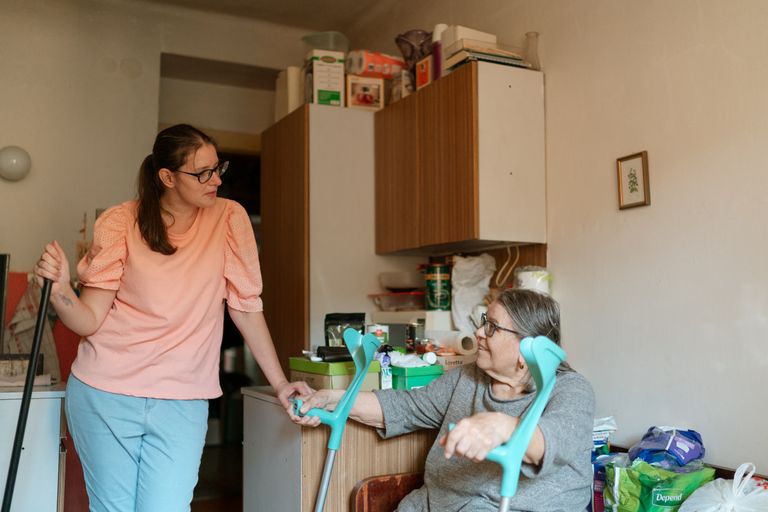
- Using mobility devices correctly
Small improvements made today can help prevent serious injuries tomorrow.
Compassionate Care Supports Everyday Safety
Professional home care goes beyond helping with daily tasks.
Caregivers also help create routines that promote safety while encouraging independence.
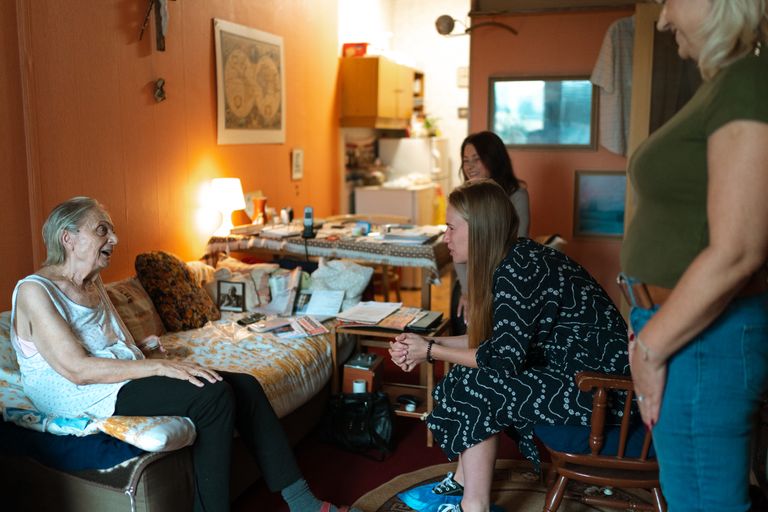
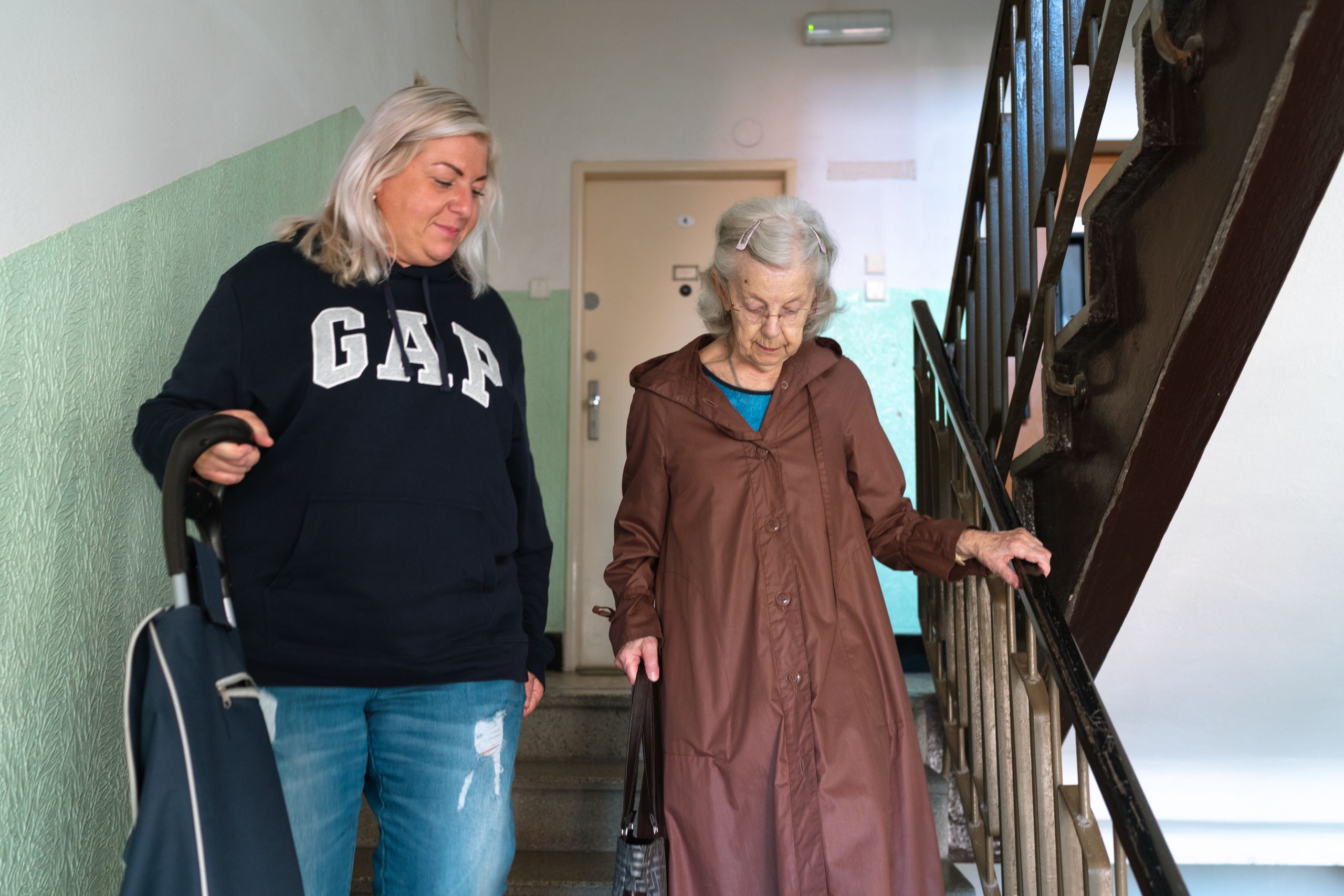
As we discussed in Small Acts of Kindness That Improve a Senior’s Quality of Life, compassionate care often begins with simple everyday actions. Helping someone safely move around the home, offering a steady hand during a walk, or taking time to organize a cluttered room are thoughtful acts of kindness that also reduce fall risks and help seniors feel more confident in their daily routines.
Safety and kindness work together to help older adults continue living comfortably and independently.
Recognizing When Additional Support May Be Needed
Sometimes a home becomes less safe because changes happen gradually.
A senior may begin struggling with stairs, have difficulty getting in and out of the bathtub, or become less steady while walking.
These changes may go unnoticed until an accident occurs.
If you’ve noticed increasing concerns about mobility or daily safety, our article Signs Your Loved One May Need Home Care Services explains the common warning signs that indicate additional support could help someone remain safe, healthy, and independent at home.
Recognizing these signs early allows families to take proactive steps before a preventable fall occurs.
10 Home Safety Tips to Prevent Falls
1. Keep Walkways Clear
One of the simplest ways to reduce fall risks is keeping pathways free of obstacles.
Hallways, bedrooms, living rooms, and entryways should remain uncluttered at all times.
Remove items such as:
- Electrical cords
- Shoes
- Boxes
- Small furniture
- Pet toys
- Loose decorations
- Laundry baskets
Clear walkways make it easier to move safely throughout the home, especially for individuals using walkers, canes, or wheelchairs.
2. Improve Lighting Throughout the Home
Poor lighting makes it difficult to notice steps, uneven flooring, or obstacles.
Ensure every room has adequate lighting, especially:
- Hallways
- Staircases
- Bathrooms
- Bedrooms
- Entryways
- Kitchens
Install nightlights in bedrooms and bathrooms to make nighttime trips safer.
Motion-sensor lights near entrances and hallways can also improve visibility while reducing the need to search for light switches in the dark.
3. Remove Tripping Hazards
Many common household items increase the risk of falls without families realizing it.
Look for hazards such as:
- Loose area rugs
- Curled carpet edges
- Slippery floors
- Extension cords
- Clutter
- Uneven flooring
Secure rugs with non-slip backing or remove them entirely.
Repair damaged flooring promptly to reduce unnecessary risks.
A safer home begins by identifying hazards before they cause accidents.
4. Install Grab Bars and Handrails
Bathrooms are one of the most common locations for falls.
Installing grab bars near toilets and inside showers or bathtubs provides additional stability during transfers.
Handrails should also be securely installed on both sides of staircases whenever possible.
These simple additions help seniors move more confidently while reducing strain on joints and improving overall balance.
Professional caregivers can also remind clients to use available safety equipment consistently during everyday routines.
5. Wear Proper Footwear
What seniors wear on their feet can significantly affect their balance and stability.
Loose-fitting slippers, worn-out shoes, socks on smooth floors, or shoes with slippery soles can increase the risk of falling.
The safest footwear should:
- Fit properly
- Have non-slip rubber soles
- Provide good arch support
- Have a low heel
- Fasten securely with laces or Velcro
Walking barefoot or wearing only socks on hardwood, tile, or laminate flooring should be avoided whenever possible.
Good footwear provides a stable foundation for safe movement throughout the home.
6. Keep Frequently Used Items Within Easy Reach
Stretching, climbing on chairs, or bending too far to reach everyday items increases the chance of losing balance.
Arrange the home so commonly used items are easily accessible.
Store frequently used items such as:
- Medications
- Dishes
- Cooking utensils
- Clothing
- Toiletries
- Phone chargers
- Reading glasses
between waist and shoulder height whenever possible.
This simple organization reduces unnecessary reaching and helps seniors complete daily tasks more safely.
7. Make the Bathroom Safer
Bathrooms are one of the highest-risk areas for slips and falls because of water, smooth surfaces, and limited space.
Simple safety improvements include:
- Installing non-slip mats inside and outside the shower
- Using a shower chair when needed
- Installing a handheld showerhead
- Adding grab bars near the toilet and shower
- Keeping towels within easy reach
- Wiping up water spills immediately
A safer bathroom helps seniors maintain privacy and confidence while reducing one of the most common causes of household falls.
8. Stay Physically Active
Strong muscles and good balance play an important role in fall prevention.
Regular physical activity helps improve:
- Balance
- Coordination
- Flexibility
- Muscle strength
- Joint mobility
- Endurance
Activities may include:
- Daily walking
- Gentle stretching
- Chair exercises
- Tai Chi
- Light strength training
- Balance exercises approved by a healthcare provider
Remaining active also supports heart health, improves mood, and helps seniors maintain greater independence.
Even small amounts of regular movement can make everyday activities easier and safer.
9. Schedule Regular Vision and Hearing Checkups
Good vision and hearing are essential for navigating the home safely.
Difficulty seeing stairs, changes in flooring, or obstacles can increase fall risks.
Likewise, hearing changes may reduce awareness of people, pets, alarms, or environmental hazards.
Families should encourage regular eye and hearing examinations while ensuring prescriptions for glasses or hearing aids remain current.
Good sensory health helps seniors move more confidently while recognizing potential hazards before accidents occur.
10. Consider Professional Home Care Support
Sometimes the safest solution is having someone available to provide assistance when needed.
Professional caregivers help reduce fall risks by assisting with:
- Walking safely throughout the home
- Transfers in and out of bed or chairs
- Bathroom assistance
- Meal preparation
- Light housekeeping
- Medication reminders
- Transportation
- Daily routines
- Safety monitoring
Having compassionate support available allows seniors to remain independent while giving families greater confidence that their loved one is safe.
Home care focuses on encouraging independence—not replacing it.
Daily Habits That Help Prevent Falls
Creating healthy routines can significantly improve safety at home.
Encourage seniors to:
- Stand up slowly after sitting or lying down.
- Drink enough water throughout the day.
- Keep emergency phone numbers nearby.
- Use mobility devices correctly.
- Avoid rushing when answering the phone or door.
- Keep pathways well lit.
- Take medications exactly as prescribed.
- Ask for assistance whenever needed.
These habits become even more effective when practiced consistently.
How Professional Home Care Helps Prevent Falls
Professional caregivers do much more than provide assistance with daily activities.
They also help create safer routines by identifying potential hazards, encouraging healthy habits, and supporting mobility throughout the day.
Caregivers may:
- Observe changes in balance or mobility.
- Help organize safer living spaces.
- Encourage appropriate physical activity.
- Assist with transfers.
- Monitor for signs of increased fall risk.
- Provide companionship during walks.
- Help clients safely complete household tasks.
This proactive approach allows seniors to remain active while reducing unnecessary risks.
Why Families Trust Blessed Hands Home Care
At Blessed Hands Home Care, we believe every individual deserves to feel safe, confident, and independent in the comfort of their own home.
Our caregivers are committed to creating environments that reduce fall risks while encouraging clients to continue participating in the activities they enjoy.
We understand that safety isn’t only about preventing accidents—it’s about protecting independence, dignity, and peace of mind.
Whether assisting with mobility, organizing safer living spaces, providing companionship, or supporting daily routines, our team delivers personalized care tailored to each client’s unique needs and preferences.
By working closely with families, we help create care plans that promote confidence today while preparing for tomorrow’s needs.
Frequently Asked Questions
What causes most falls among seniors?
Many falls are caused by loose rugs, poor lighting, cluttered walkways, slippery floors, improper footwear, muscle weakness, balance problems, medication side effects, and vision changes.
How can seniors reduce their risk of falling at home?
Simple steps include improving lighting, removing tripping hazards, installing grab bars, wearing supportive shoes, exercising regularly, keeping frequently used items within reach, and seeking assistance when needed.
Does home care help prevent falls?
Yes. Professional caregivers assist with mobility, daily routines, home safety, medication reminders, and supervision, helping seniors remain safe while maintaining their independence.
Which room is the most dangerous for falls?
Bathrooms are among the highest-risk areas because of wet floors and limited support. Installing grab bars, non-slip mats, and shower chairs can significantly improve safety.
When should families consider home care for fall prevention?
Families should consider home care if a loved one has experienced a fall, struggles with balance, has difficulty walking, needs help with daily activities, or if family members are concerned about their safety at home.
A Safer Home Supports a More Independent Life
Preventing falls is one of the most effective ways to help seniors maintain their independence, confidence, and quality of life. Small changes—such as improving lighting, removing hazards, staying physically active, and seeking support when needed—can make a lasting difference.
At Blessed Hands Home Care, we are committed to helping seniors and adults with disabilities live safely and comfortably in the homes they love. Through personalized care, mobility assistance, companionship, and proactive safety support, we help families create environments where independence can continue to thrive.
Every step taken toward a safer home is a step toward greater confidence, better health, and peace of mind.
Contact Blessed Hands Home Care Today
If you’re looking for compassionate in-home care that prioritizes safety, independence, and fall prevention, contact Blessed Hands Home Care today. Our experienced caregivers provide personalized support that helps seniors and adults with disabilities remain safe, active, and confident while enjoying the comfort and familiarity of home.