Healthy Meal Planning for Seniors Receiving Home Care
Good nutrition is one of the most important foundations of healthy aging. As people grow older, their nutritional needs change, and maintaining a balanced diet becomes increasingly important for preserving strength, supporting the immune system, managing chronic health conditions, and maintaining independence. Yet for many seniors, preparing healthy meals every day becomes more challenging due to mobility limitations, arthritis, vision changes, memory loss, or simply living alone.
Unfortunately, poor nutrition often develops gradually. Skipping meals, relying on processed foods, or finding cooking too exhausting can lead to weight loss, fatigue, dehydration, weakened immunity, and an increased risk of illness. Over time, these challenges can affect not only physical health but also emotional well-being and overall quality of life.
The good news is that receiving home care doesn’t mean giving up the enjoyment of home-cooked meals. With the support of compassionate caregivers, seniors can continue eating nutritious foods that match their dietary needs, cultural preferences, and personal tastes while remaining independent in the comfort of their own homes.
At Blessed Hands Home Care, we understand that healthy eating is about much more than food—it’s about helping people maintain their energy, confidence, independence, and enjoyment of everyday life. Our caregivers work alongside seniors, adults with disabilities, and individuals recovering from illness to support healthy meal planning while respecting each client’s personal choices and routines.
Why Nutrition Matters More as We Age
The body naturally changes with age.
Metabolism slows down, muscle mass gradually decreases, and certain medical conditions may require special dietary considerations. Some medications can also affect appetite, digestion, or the body’s ability to absorb important nutrients.
Because of these changes, seniors often need meals that provide more nutritional value while remaining easy to prepare and enjoyable to eat.
A well-balanced diet can help:
- Maintain healthy body weight
- Support heart health
- Strengthen the immune system
- Improve bone and muscle strength
- Increase daily energy
- Support brain health and memory
- Reduce the risk of chronic disease
- Promote faster recovery from illness
Healthy meal planning ensures seniors receive the right nutrients consistently rather than relying on convenience foods that may be high in sodium, sugar, or unhealthy fats.
Common Nutrition Challenges Seniors Face
Many older adults genuinely want to eat healthy meals but encounter obstacles that make daily meal preparation difficult.
Some of the most common challenges include:
Reduced Appetite
Changes in taste, smell, medications, or health conditions may reduce a senior’s desire to eat.
Difficulty Cooking
Standing for long periods, lifting cookware, or chopping ingredients can become physically demanding.
Limited Mobility
Driving to the grocery store or carrying groceries may no longer be safe or practical.
Chronic Health Conditions
Conditions such as diabetes, heart disease, high blood pressure, or kidney disease often require specialized meal planning.
Living Alone
Many seniors lose interest in cooking when preparing meals for just one person.
These challenges can make healthy eating difficult without the right support.
The Role of Home Care in Healthy Meal Planning
Professional home caregivers do much more than prepare food—they help create routines that encourage long-term healthy eating habits while preserving independence.
Depending on a client’s needs, caregivers may assist with:
- Planning balanced weekly meals
- Grocery shopping
- Reading nutrition labels
- Preparing fresh meals
- Organizing the refrigerator and pantry
- Encouraging hydration
- Monitoring food expiration dates
- Assisting during mealtimes when needed
Every care plan is personalized to match the client’s health goals, dietary requirements, cultural traditions, and favorite foods.
This person-centered approach allows seniors to remain actively involved in meal planning rather than simply having meals prepared for them.
For many families, understanding the level of support available can make choosing home care much easier. Our guide on Meal Preparation Assistance: Supporting Healthy Aging at Home explains how caregivers help seniors enjoy nutritious meals while maintaining their independence and dignity.
8 Benefits of Healthy Meal Planning for Seniors
1. Supports Better Overall Health
A nutritious diet provides the vitamins, minerals, protein, healthy fats, and fiber the body needs to function properly.
Balanced meals support every major body system, including the heart, brain, digestive system, bones, and immune system.
Consistently eating healthy foods can reduce the risk of illness while helping seniors maintain their independence longer.
Rather than focusing on restrictive diets, meal planning encourages balanced nutrition that supports long-term wellness.
2. Helps Manage Chronic Health Conditions
Many seniors live with one or more chronic medical conditions that require careful attention to nutrition.
Healthy meal planning can help support the management of conditions such as:
- Diabetes
- High blood pressure
- Heart disease
- High cholesterol
- Osteoporosis
- Kidney disease
Caregivers can assist with preparing meals that follow physician recommendations while still reflecting each client’s personal preferences.
This helps seniors enjoy delicious meals without feeling limited by dietary restrictions.
3. Encourages Independence in Daily Living
Preparing meals is one of the most important Activities of Daily Living that contributes to independent living.
When seniors receive just the right amount of support with grocery shopping, meal preparation, or kitchen safety, they often remain confident and actively involved in making food choices.
As discussed in our article, Activities of Daily Living (ADLs): How Home Care Helps People Stay Independent, personalized home care focuses on supporting individuals with everyday routines while encouraging them to do as much as they safely can for themselves. Meal planning is another important way caregivers help preserve independence rather than replace it.
4. Reduces the Risk of Malnutrition and Dehydration
Malnutrition and dehydration are more common among older adults than many families realize.
Skipping meals, eating smaller portions, or forgetting to drink enough water can gradually affect strength, balance, concentration, and overall health.
Professional caregivers help establish consistent meal and hydration routines by encouraging regular eating habits throughout the day.
Simple reminders, nutritious snacks, and appealing meals can make a significant difference in preventing nutritional deficiencies while helping seniors feel healthier and more energetic.
5. Makes Mealtimes More Enjoyable
For many seniors, eating is about much more than nutrition—it’s also a time for conversation, comfort, and connection. Unfortunately, older adults who live alone may begin skipping meals because cooking for one no longer feels enjoyable.
A companion caregiver helps transform mealtimes into meaningful moments rather than daily chores.
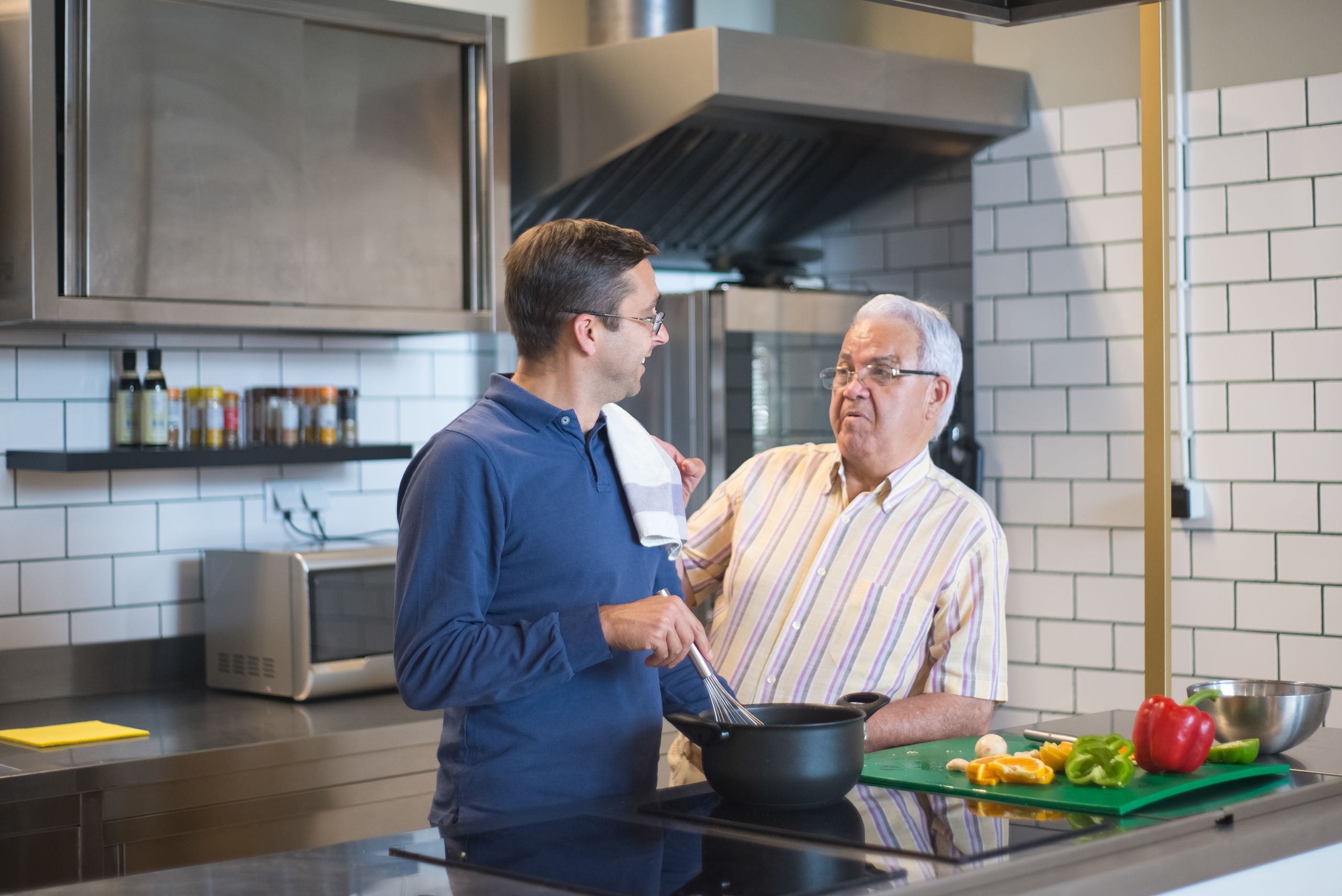
Whether preparing breakfast together, sharing lunch, or enjoying a cup of tea while talking about the day, these simple interactions can improve appetite and create a more positive relationship with food.
Regular companionship during meals also helps reduce feelings of loneliness, which is one of the leading reasons many seniors lose interest in eating well.
Creating enjoyable mealtime experiences encourages healthier eating habits while supporting both emotional and physical well-being.
6. Supports Independence and Confidence
Many seniors want to remain involved in preparing their own meals, even if they need occasional assistance.
Professional caregivers encourage independence by working alongside clients instead of doing everything for them.
For example, a caregiver might:
- Wash and prepare ingredients while the client follows a favorite family recipe.
- Assist with reaching high cabinets or lifting heavy cookware.
- Help organize groceries while allowing the client to choose meals.
- Prepare part of a meal while encouraging the client to complete tasks they can safely manage.
This collaborative approach preserves confidence and allows seniors to continue enjoying one of life’s most meaningful daily routines.
Supporting independence through meal preparation is just one example of person-centered care that respects each individual’s abilities and preferences.
7. Improves Kitchen Safety
The kitchen can present several safety risks for older adults.
Common concerns include:
- Forgetting to turn off the stove
- Difficulty carrying hot pots and pans
- Slippery kitchen floors
- Burns from hot cookware
- Cuts while preparing food
- Lifting heavy groceries
Professional caregivers help create a safer cooking environment by providing assistance where needed while encouraging safe habits.
They may also help organize frequently used items within easy reach, reduce clutter, and ensure food is stored properly to prevent spoilage.
These small safety improvements significantly reduce the risk of accidents while allowing seniors to continue enjoying their kitchens with greater confidence.
8. Promotes Long-Term Healthy Aging
Healthy eating isn’t about following strict diets—it’s about creating sustainable habits that support a person’s overall quality of life.
Consistently enjoying nutritious meals can help seniors:
- Maintain strength and muscle mass
- Improve balance and mobility
- Support healthy brain function
- Increase daily energy
- Reduce the risk of hospitalization
- Recover more quickly from illness
- Strengthen the immune system
- Continue participating in favorite activities
When combined with compassionate home care, healthy nutrition becomes part of a larger approach to aging well, one that promotes independence, dignity, and a fulfilling lifestyle.
Simple Meal Planning Tips for Seniors
Healthy meal planning doesn’t have to be complicated.
These practical tips can make daily nutrition easier and more enjoyable:
Plan Meals for the Week
Creating a simple weekly meal plan reduces stress and makes grocery shopping more efficient.
Choose Colorful Foods
Include a variety of fruits and vegetables to ensure a wide range of vitamins and minerals.
Prioritize Lean Protein
Foods such as chicken, fish, eggs, beans, yogurt, and tofu help maintain muscle strength and support healthy aging.
Include Whole Grains
Whole-grain bread, brown rice, oatmeal, and quinoa provide lasting energy and support heart health.
Stay Hydrated
Many seniors don’t feel thirsty even when their bodies need fluids. Drinking water regularly throughout the day helps prevent dehydration.
Prepare Larger Portions
Cooking extra servings allows healthy leftovers to be enjoyed later in the week, reducing daily cooking demands.
Signs Your Loved One May Need Meal Preparation Assistance
Families often notice subtle changes before realizing a loved one needs additional support.
Some signs include:
- Frequently skipping meals
- Unexplained weight loss
- Spoiled or expired food in the refrigerator
- Empty cupboards
- Difficulty standing long enough to cook
- Burned cookware or forgotten meals
- Increased reliance on processed or fast foods
- Reduced energy levels
- Difficulty grocery shopping independently
Recognizing these signs early allows families to provide support before nutritional concerns begin affecting overall health.
Why Families Trust Blessed Hands Home Care
At Blessed Hands Home Care, we believe that good nutrition is an important part of living a healthy, independent, and fulfilling life.
Our caregivers provide personalized meal planning and preparation support designed around each client’s unique health needs, dietary preferences, cultural traditions, and favorite foods.
Whether assisting with grocery shopping, preparing balanced meals, encouraging hydration, or simply sharing meaningful conversations during mealtimes, our caregivers focus on promoting independence while treating every client with dignity and respect.
We proudly serve seniors, adults with disabilities, and individuals recovering from illness by helping them remain active, healthy, and connected in the comfort of their own homes.
Every meal prepared is another opportunity to support wellness, confidence, and a higher quality of life.
Frequently Asked Questions
Why is healthy meal planning important for seniors?
Healthy meal planning provides essential nutrients that support heart health, brain function, muscle strength, immunity, and energy levels. It also helps seniors manage chronic conditions and maintain their independence.
How can home caregivers help with meal preparation?
Home caregivers can assist with grocery shopping, meal planning, food preparation, hydration reminders, kitchen organization, and encouraging healthy eating habits while respecting each client’s preferences and independence.
What foods should seniors eat regularly?
Most seniors benefit from a balanced diet that includes lean proteins, whole grains, fruits, vegetables, healthy fats, low-fat dairy or fortified alternatives, and plenty of water. Individual dietary needs may vary based on health conditions and recommendations from healthcare providers.
Can home care help seniors with special diets?
Yes. Professional caregivers can prepare meals that follow physician-recommended dietary guidelines for conditions such as diabetes, heart disease, high blood pressure, and other health concerns while still creating enjoyable and satisfying meals.
How do I know if my loved one needs meal preparation assistance?
Signs may include frequent skipped meals, noticeable weight loss, spoiled food in the home, difficulty grocery shopping, reduced energy, or challenges preparing nutritious meals safely.
Nourishing Independence One Meal at a Time
Healthy eating is one of the simplest yet most powerful ways to support independence, strength, and overall well-being. When seniors have access to nutritious meals and the right level of assistance, they are better able to maintain their health, continue enjoying their favorite activities, and remain safely in the comfort of their own homes.
At Blessed Hands Home Care, we believe every individual deserves compassionate support that respects their choices while promoting a healthier, more fulfilling life. From personalized meal planning and preparation to companionship and daily assistance, our caregivers are committed to helping clients thrive with dignity and confidence.
Whether your loved one needs occasional help in the kitchen or ongoing support with daily nutrition, our dedicated team is here to help every step of the way.
Contact Blessed Hands Home Care Today
Looking for compassionate home care that supports healthy aging through personalized meal planning and daily assistance? Contact Blessed Hands Home Care today to learn more about our in-home care services and discover how we can help your loved one enjoy nutritious meals, greater independence, and a higher quality of life from the comfort of home.