
Dementia Care at Home: Helping Families Navigate Memory Loss
Introduction
Caring for a loved one with memory loss can be one of the most emotionally challenging experiences a family faces. Conditions such as dementia do not only affect memory—they gradually impact communication, behavior, independence, and daily functioning. For many families, the question is not just about treatment, but about how to provide safe, compassionate, and dignified care at home.
This is where Dementia Care within Home Care Services becomes essential. Instead of moving a loved one into a facility, many families are now choosing to support them at home, where familiarity and comfort can significantly reduce confusion and distress.
Elderly Care for individuals living with dementia requires patience, structure, and specialized support. Understanding how to manage the condition at home can help families reduce stress while improving the quality of life for their loved ones.
Understanding Dementia and Its Impact
Dementia is not a single disease but a group of symptoms affecting memory, thinking, and social abilities. It is progressive, meaning symptoms gradually worsen over time.
Common types include Alzheimer’s disease, vascular dementia, and Lewy body dementia. While each type differs, they all affect cognitive function in ways that interfere with daily life.
Common Symptoms of Dementia
- Memory loss, especially recent events
- Confusion about time and place
- Difficulty communicating or finding words
- Changes in mood or personality
- Poor judgment and decision-making
- Difficulty performing familiar tasks
As symptoms progress, individuals require increasing levels of Elderly Care and structured support.
Why Home-Based Dementia Care Matters
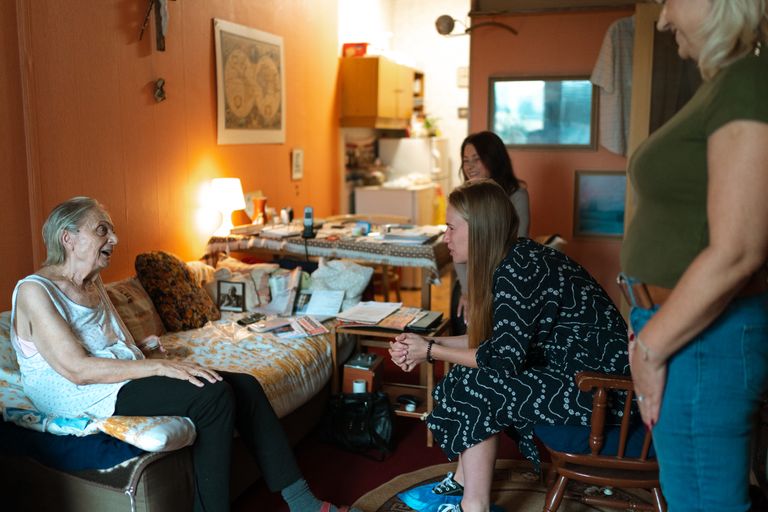
Many families prefer Dementia Care at home because familiar environments can help reduce confusion and anxiety. Home settings provide emotional stability and continuity, which are extremely important for individuals experiencing memory loss.
Unlike institutional care, Home Care Services allow seniors to remain in a space filled with personal memories, familiar objects, and routine patterns.
Benefits of Home-Based Care
- Reduced confusion and disorientation
- Emotional comfort and familiarity
- Personalized attention
- Stronger family involvement
- Flexibility in care routines
Home care also allows caregivers to adapt the environment to the senior’s changing needs over time.
The Role of Structure in Dementia Care
One of the most important elements of effective Dementia Care is routine. Individuals with memory loss often feel safer when their day follows a predictable structure.
Creating a Daily Routine
A structured routine may include:
- Waking up and sleeping at consistent times
- Regular meal schedules
- Scheduled medication times
- Short walks or light activities
- Rest periods during the day
Consistency helps reduce anxiety and confusion, making daily life more manageable.
Communication Strategies for Memory Loss
Communication becomes increasingly difficult as dementia progresses. Family members and caregivers must adjust how they interact to ensure understanding and comfort.
Effective Communication Techniques
- Use simple, clear sentences
- Speak slowly and calmly
- Maintain eye contact
- Avoid arguing or correcting harshly
- Use visual cues or gestures
Patience is key. Even when communication is difficult, emotional connection remains important.
Safety Considerations in Home Care Services
Safety is a major concern in Home Care Services for individuals with dementia. Memory loss can lead to wandering, forgetfulness, and accidents.
Common Safety Risks
- Leaving stoves or appliances on
- Wandering outside the home
- Forgetting to take medication
- Falling due to confusion or poor coordination
Home Safety Adjustments
- Installing locks or alarms on doors
- Removing tripping hazards
- Labeling rooms and objects
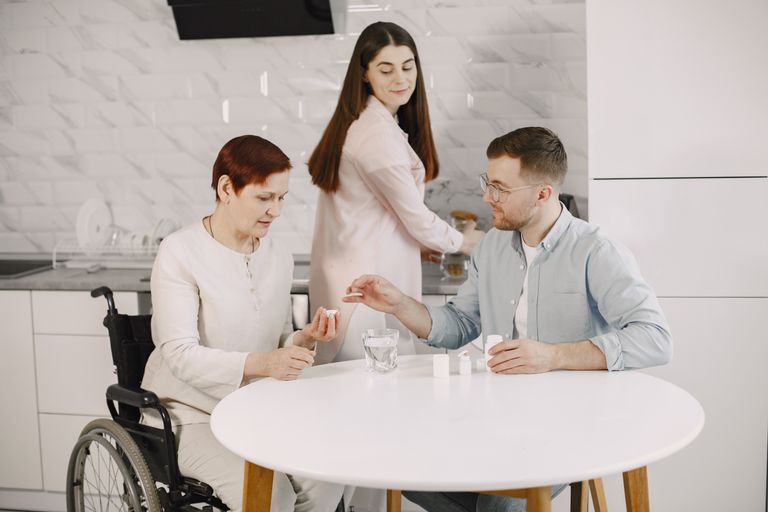
- Using medication reminders or dispensers
These adjustments help create a safer living environment while maintaining independence.
Emotional and Behavioral Changes in Dementia
Dementia affects more than memory—it also impacts emotions and behavior. Individuals may experience mood swings, agitation, anxiety, or withdrawal.
Common Behavioral Changes
- Restlessness or pacing
- Sudden anger or frustration
- Depression or sadness
- Confusion-induced anxiety
Caregivers must respond with calmness and reassurance rather than confrontation. Emotional validation often helps reduce distress.
The Importance of Compassionate Elderly Care
Providing Elderly Care for someone with dementia requires more than physical support—it requires empathy and emotional understanding.
Compassionate care focuses on preserving dignity, even when cognitive abilities decline. This includes respecting preferences, encouraging independence where possible, and maintaining kindness in all interactions.
Small gestures such as holding a hand, speaking gently, or sharing familiar stories can make a significant difference in emotional wellbeing.
Supporting Family Caregivers
Families often take on the responsibility of dementia care, which can be overwhelming over time. Watching a loved one experience memory loss is emotionally difficult, and the demands of daily care can lead to burnout.
Challenges for Family Caregivers
- Emotional stress and grief
- Physical exhaustion
- Lack of personal time
- Difficulty managing behaviors
This is why professional Home Care Services are often introduced to support families. Caregivers provide relief while ensuring consistent and structured care for the senior.
Cognitive Stimulation and Engagement
Even though dementia affects memory, mental stimulation remains important. Engaging activities can help slow cognitive decline and improve mood.
Examples of Cognitive Activities
- Simple puzzles or games
- Listening to music from earlier life stages
- Looking through photo albums
- Light gardening or household tasks
- Storytelling and conversation
These activities provide comfort and familiarity while supporting brain engagement.
Nutrition and Dementia Care
Proper nutrition plays a key role in supporting individuals with memory loss. Seniors with dementia may forget to eat, lose interest in food, or struggle with meal preparation.
Caregivers in Home Care Services help ensure regular meals, balanced nutrition, and proper hydration.
Good nutrition supports:
- Brain health
- Energy levels
- Immune function
- Overall wellbeing
When to Consider Professional Dementia Care
Families may consider professional support when they notice:
- Increased confusion or wandering
- Difficulty managing daily tasks
- Caregiver exhaustion
- Safety risks at home
- Decline in personal hygiene or nutrition
Introducing professional Dementia Care early can improve outcomes and reduce stress for families.
The Value of Consistency in Care
Consistency is one of the most important aspects of dementia support. Familiar caregivers, routines, and environments help reduce confusion and anxiety.
Frequent changes in routine or caregivers can increase agitation, so stability is essential in effective Elderly Care planning.
Conclusion
Dementia Care at Home offers families a compassionate and practical way to support loved ones experiencing memory loss. By combining structure, safety, emotional support, and professional assistance, home-based care helps maintain dignity and comfort while managing the challenges of cognitive decline.
Through well-organized Home Care Services and patient Elderly Care, families can create an environment where individuals with dementia feel secure, understood, and valued.
Although dementia presents many challenges, the right care approach can make a meaningful difference in quality of life—for both seniors and their families.
Blessed Hands Home Care provide compassionate and structured Dementia Care through professional Home Care Services, helping seniors remain safe, supported, and comfortable while receiving specialized Elderly Care in the familiarity of their homes.
FAQs
1. What is dementia care at home?
It is specialized support provided in a home setting for individuals experiencing memory loss.
2. Why is home care better for dementia patients?
Familiar environments reduce confusion and provide emotional comfort.
3. Can dementia patients live safely at home?
Yes, with proper supervision, safety measures, and structured care.
4. How do caregivers help with dementia care?
They assist with daily tasks, provide emotional support, and ensure safety.
5. When should families seek professional dementia care?
When safety, memory loss, or caregiver stress becomes difficult to manage.