Why Seniors Prefer Aging in Place at Home
Ask most older adults where they’d like to spend their later years, and the answer is almost always the same: home. Not a facility, not a new apartment closer to family—home. The house where they raised children, the kitchen where they know exactly which drawer holds the good scissors, the chair by the window that gets the afternoon sun.
For families, this preference can create tension. You want your parent to be safe, and sometimes a facility feels like the more responsible choice. But dismissing the desire to stay home as stubbornness misses something important. Aging in place isn’t just about familiarity or resistance to change. It’s tied to identity, autonomy, emotional health, and a sense of continuity that’s genuinely hard to replicate anywhere else.
The good news is that staying home and staying safe are no longer opposing choices. With the right support—whether that’s a few hours of help a week or daily caregiving—many seniors can remain in their own homes far longer than families expect.
At Blessed Hands Home Care, we work with families every day who are navigating this exact question. In this article, we’ll look at why seniors so strongly prefer aging in place, what the research and real-world experience tell us about the benefits, and what it actually takes to make staying home a safe, realistic option.
What Does “Aging in Place” Actually Mean?
Aging in place refers to remaining in one’s own home and community as you grow older, rather than moving into an assisted living facility or nursing home. It doesn’t mean doing everything alone. In fact, most successful aging-in-place arrangements involve some combination of home modifications, family involvement, and professional caregiving support.
The defining feature isn’t independence from help—it’s independence of place. The person stays where they’ve chosen to be, and support comes to them.
The Emotional Reasons Seniors Want to Stay Home
A Home Holds Memory and Identity
A house isn’t just shelter. It’s where birthdays happened, where a spouse’s photograph sits on the hallway table, where a garden was planted decades ago. Leaving that behind can feel like leaving part of yourself behind. For many seniors, the emotional cost of a move outweighs the practical benefits.
Familiarity Reduces Confusion and Anxiety
This matters especially for seniors experiencing memory changes. A familiar layout—knowing where the bathroom is without thinking, recognizing the sound of the front door—provides orientation and calm. New environments can increase disorientation and agitation, sometimes significantly.
Control Over Daily Life
At home, a person decides when to wake up, what to eat, when to have visitors, and whether to watch television at two in the morning. Institutional settings, by necessity, run on schedules built for groups rather than individuals. That loss of control is one of the most commonly cited reasons seniors resist moving.
Staying Connected to Community
Neighbors who wave from the driveway, a church down the road, a familiar pharmacist who remembers your name—these small connections form a social fabric that’s difficult to rebuild elsewhere. Remaining rooted in a community supports emotional health in ways that are easy to underestimate, something closely related to what we explored in Community Engagement for Seniors: Why Staying Connected Matters, where consistent community ties were linked to better mood and overall well-being.
The Practical Benefits of Aging in Place
Beyond emotional reasons, staying home offers real practical advantages:
- One-on-one attention. In-home care means a caregiver focused on one person, rather than staff dividing attention among many residents.
- Flexible scheduling. Care hours can scale up or down as needs change, rather than paying for a fixed level of service.
- Lower risk of infection. Communal living environments carry higher exposure to contagious illness.
- Family access without restrictions. Loved ones can visit whenever they like, without visiting hours or sign-in procedures.
- Cost flexibility. For seniors who need part-time rather than round-the-clock support, home care is often more affordable than facility care.
What Makes Aging in Place Actually Work
Wanting to stay home isn’t enough on its own. Certain things need to be in place for it to be safe and sustainable.
Home Safety Adjustments
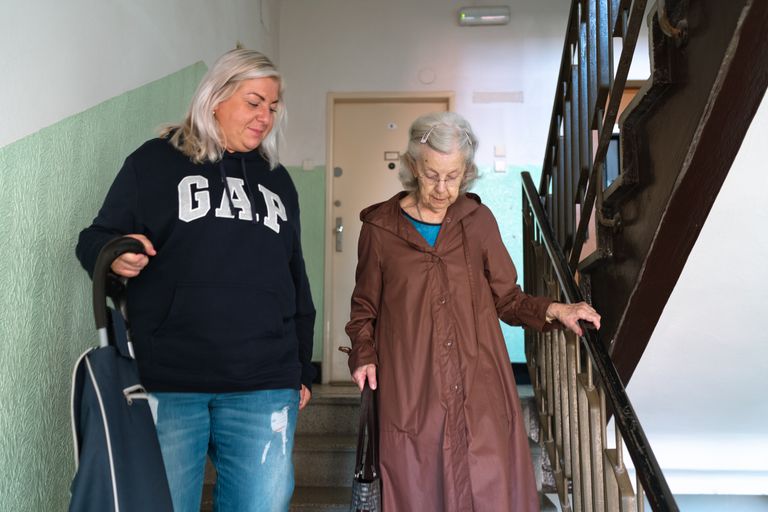
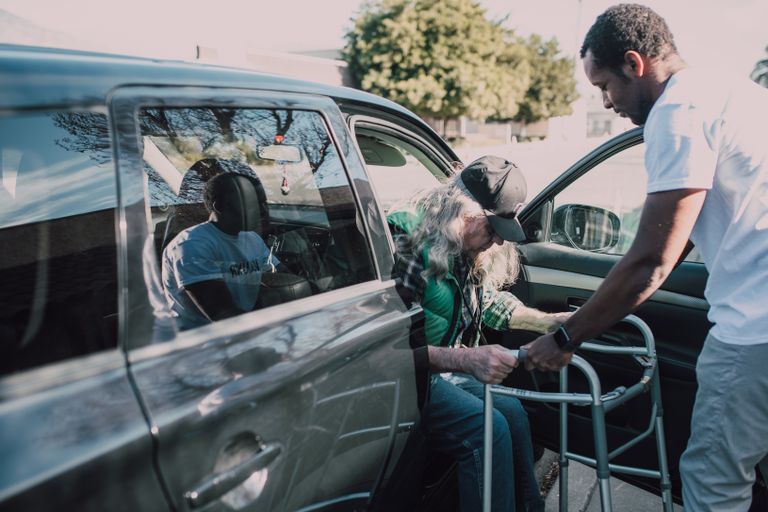
Most homes weren’t designed with aging in mind. Stairs, narrow doorways, poor lighting, and slippery bathroom floors create real risks. Simple modifications—grab bars, improved lighting, removing loose rugs, adding a shower chair—dramatically reduce the chance of falls.
Honest Assessment of Daily Needs
Families need a clear picture of what their loved one can manage alone and where they’re struggling. Bathing, meal preparation, medication routines, and mobility are the usual pressure points.
Reliable Support That Scales
Needs change. Someone who manages fine with a few hours of help on weekdays may need more after an illness or a fall. A care arrangement that can adjust is far more sustainable than one that requires starting over each time circumstances shift.
Attention to Isolation
Living alone at home carries one genuine risk that facilities address by default: loneliness. Without intentional effort, days can pass with very little human contact. This is one of the strongest arguments for companion-focused caregiving, a point we covered in depth in Why Companion Care Is Essential for Seniors Living Alone, where regular social contact proved just as important as physical assistance.
Practical Tips for Families Supporting Aging in Place
- Walk through the home together and note tripping hazards, poor lighting, and hard-to-reach items
- Start support early rather than waiting for a crisis to force the decision
- Introduce help gradually—a few hours a week is easier to accept than a sudden full schedule
- Keep a written list of medications, appointments, and emergency contacts in a visible place
- Check in on social contact, not just physical safety
- Revisit the arrangement every few months as needs evolve
How Blessed Hands Home Care Helps
At Blessed Hands Home Care, we build care around the goal that matters most to our clients: staying home, safely and comfortably. That starts with understanding the specific gaps between what someone wants to do and what they can currently manage on their own.
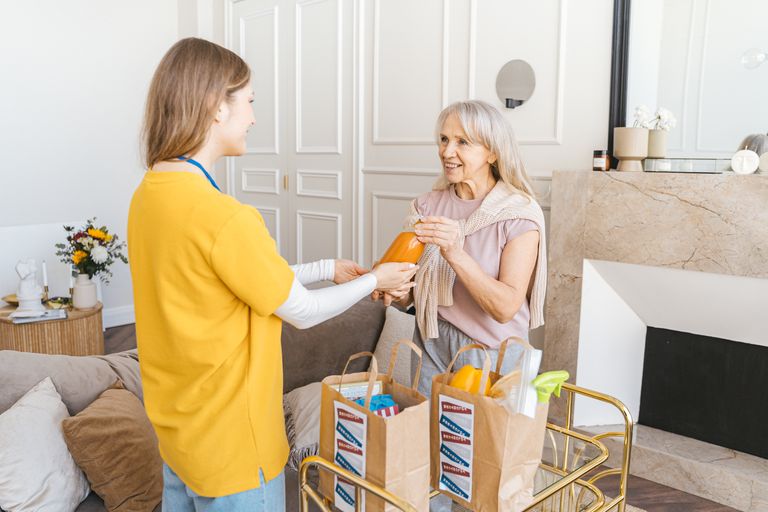
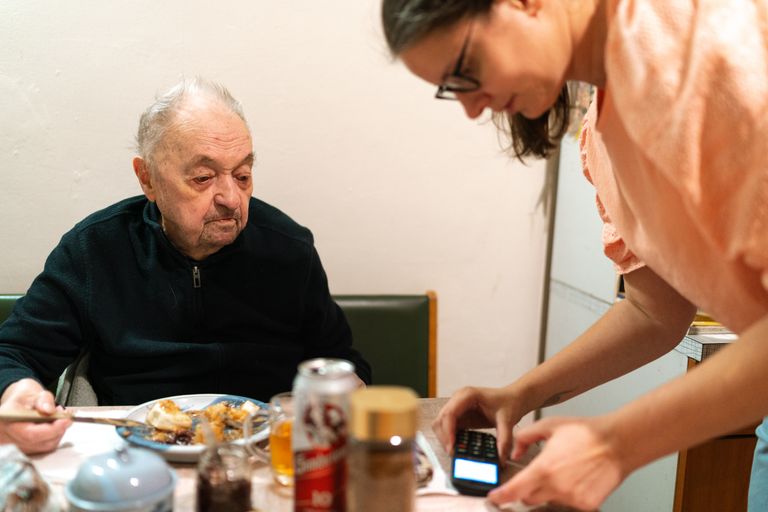
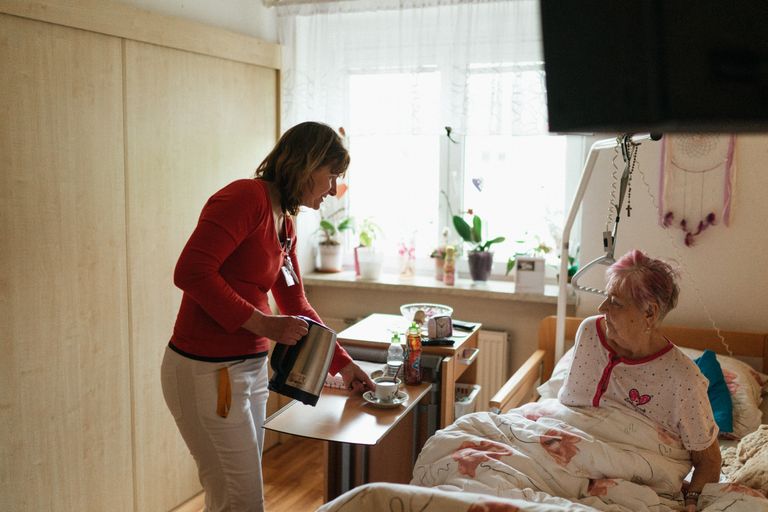
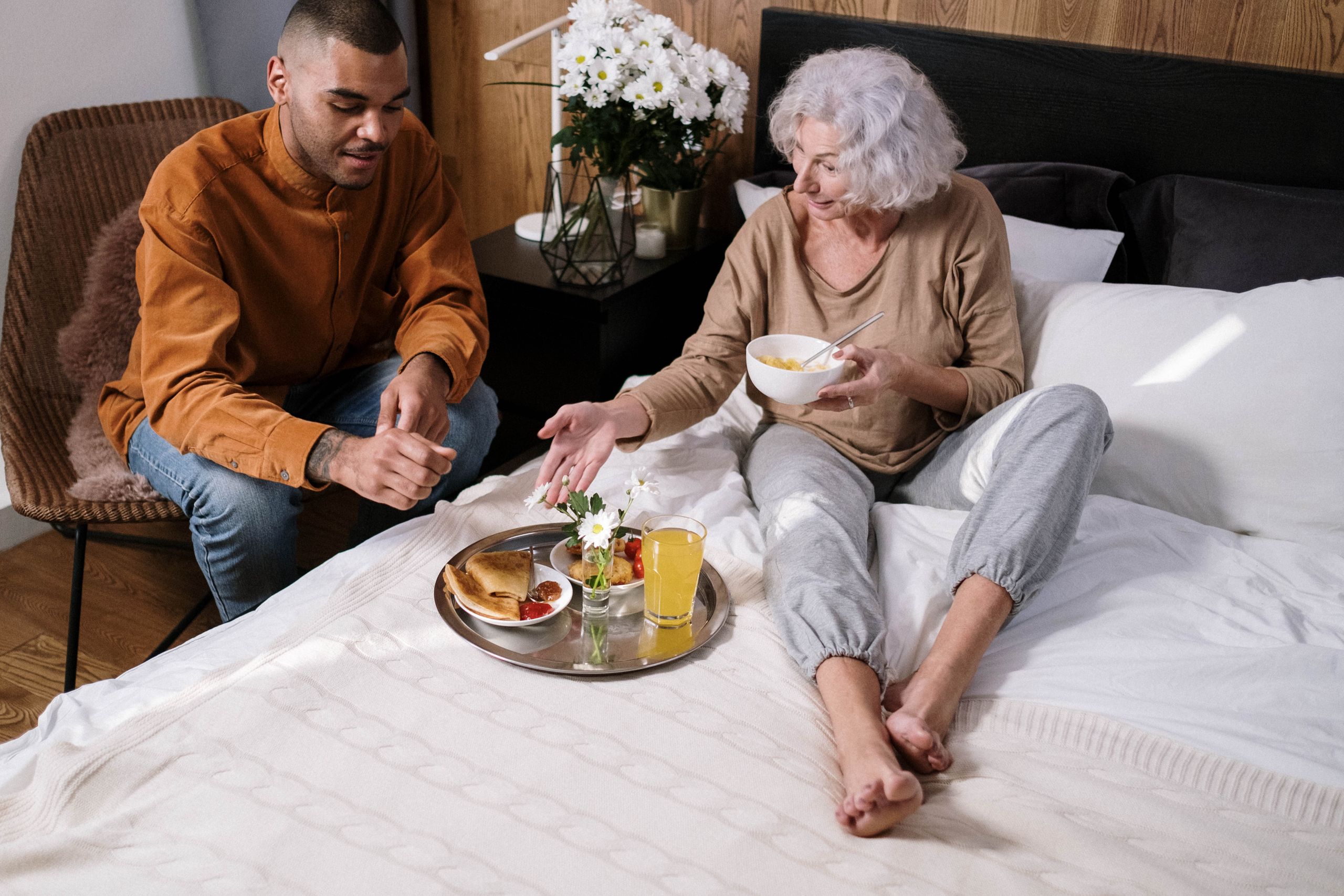
For one client, that might mean help with bathing and meal preparation three mornings a week. For another, it might mean daily companionship, medication reminders, and mobility support. We don’t apply the same schedule or the same task list to everyone, because the whole point of aging in place is that life continues on the client’s terms.
Our caregivers also pay close attention to changes over time—shifts in appetite, balance, mood, or energy—and communicate those observations to families. This allows care to adjust gradually rather than in emergency response to a fall or hospitalization. For many families, that early awareness is what makes long-term aging in place genuinely possible rather than just aspirational.
Frequently Asked Questions
Is aging in place safe for someone who lives alone?
It can be, with the right support. Safety depends on home modifications, reliable check-ins, and honest assessment of daily needs. Many seniors live alone safely with part-time caregiving support.
At what point does aging in place stop being realistic?
This varies. Generally, when someone requires round-the-clock skilled medical supervision, or when safety risks can’t be managed even with support, families may need to consider other options. Many people never reach that point.
Is home care more expensive than assisted living?
Not always. For seniors needing part-time support, home care is often less expensive. For those requiring continuous care, costs can be comparable or higher. It depends entirely on the hours needed.
What if my parent wants to stay home but I think it’s unsafe?
Start with a specific list of concerns rather than a general sense of worry. Many safety issues—falls, missed medications, poor nutrition—have direct solutions through home modifications and caregiving support.
Can someone with memory loss age in place?
Often, yes, especially in earlier stages. Familiar surroundings can actually reduce confusion. As memory changes progress, the level of supervision needed typically increases.
How do I start the conversation about bringing in help?
Frame it around staying home rather than losing independence. Many seniors are more receptive when help is presented as what makes aging in place possible, rather than as a step toward losing control.
Key Takeaways
- Seniors prefer aging in place largely for reasons tied to identity, control, and familiarity—not simply resistance to change.
- Familiar environments reduce confusion and anxiety, particularly for those with memory changes.
- Home care offers one-on-one attention, flexible scheduling, and unrestricted family access.
- Successful aging in place requires home safety adjustments, honest needs assessment, and attention to isolation.
- Blessed Hands Home Care builds flexible, personalized support around each client’s goal of staying home.
Conclusion
The desire to age in place runs deeper than comfort or habit. It’s about staying connected to a life that’s been built over decades—the routines, the memories, the neighbors, the sense of being in charge of your own day.
With thoughtful planning and the right support, that desire doesn’t have to compete with safety. For many families, home care is what turns “I want to stay home” from a difficult conversation into a workable plan.
Contact Blessed Hands Home Care Today
If your loved one wants to remain at home, Blessed Hands Home Care can help make that possible. Contact us today to discuss a personalized care plan built around safety, comfort, and independence at home.