Meal Preparation Assistance: Supporting Healthy Aging at Home
Introduction
As people age, maintaining a healthy and balanced diet becomes more important than ever. Proper nutrition plays a key role in energy levels, immune strength, cognitive health, and overall quality of life. However, many seniors face challenges when it comes to cooking and meal planning due to reduced mobility, health conditions, or lack of motivation. This is where Meal Preparation Assistance becomes a vital part of Senior Wellness and Independent Living Support.
For many older adults, the simple act of preparing meals can become physically demanding or even unsafe. Standing for long periods, handling kitchen equipment, or remembering dietary requirements may become difficult. As a result, some seniors may skip meals, rely on unhealthy food choices, or become nutritionally deficient.
Meal preparation assistance helps bridge this gap by ensuring seniors receive nutritious, well-balanced meals while continuing to live comfortably at home. This support not only improves physical health but also enhances emotional wellbeing and independence.
What Is Meal Preparation Assistance?
Meal Preparation Assistance refers to professional or caregiver support provided to seniors in planning, preparing, and sometimes serving meals. It is designed to ensure that older adults receive proper nutrition tailored to their dietary needs while maintaining independence at home.
This service can include:
- Meal planning based on dietary needs
- Grocery shopping and ingredient selection
- Cooking and food preparation
- Portion control and serving assistance
- Kitchen cleanup and organization
- Monitoring food safety and storage
The goal is to make healthy eating easier, safer, and more consistent for seniors who may struggle with cooking on their own.
Why Nutrition Is Critical for Senior Wellness
Good nutrition is a cornerstone of Senior Wellness. As the body ages, nutritional needs change, and the ability to absorb nutrients may decrease. Seniors require balanced meals that are rich in vitamins, minerals, protein, and fiber to maintain strength and health.
Poor nutrition in older adults can lead to:
- Weak immune system
- Muscle loss and fatigue
- Increased risk of falls
- Cognitive decline
- Slower recovery from illness
- Chronic health complications
Meal preparation assistance ensures that seniors consistently receive the nutrients they need to stay healthy and active.
Common Challenges Seniors Face with Meal Preparation
Many seniors struggle with meal preparation for a variety of reasons.
1. Physical Limitations
Arthritis, reduced strength, or mobility issues can make cooking difficult and sometimes unsafe.
2. Memory or Cognitive Decline
Seniors with memory issues may forget recipes, ingredients, or even whether they have eaten.
3. Loss of Motivation
Cooking for one person can feel discouraging, leading some seniors to skip meals or rely on processed foods.
4. Dietary Restrictions
Managing conditions like diabetes, hypertension, or heart disease requires careful meal planning, which can be overwhelming.
5. Safety Concerns
Accidents such as burns, cuts, or kitchen fires are more common among seniors who cook alone.
These challenges highlight the importance of structured Meal Preparation Assistance.
How Meal Preparation Assistance Supports Independent Living
One of the biggest advantages of meal preparation assistance is that it promotes Independent Living Support. Rather than moving to a care facility, seniors can remain in their homes while receiving help with essential daily needs.
This support allows seniors to:
- Maintain control over their lifestyle
- Enjoy familiar surroundings
- Continue making personal food choices
- Stay engaged in daily routines
By reducing the burden of cooking, seniors gain more time and energy to focus on other aspects of life such as hobbies, family, and social activities.
Key Benefits of Meal Preparation Assistance
1. Improved Physical Health
Balanced meals provide essential nutrients that support heart health, bone strength, and immune function. Regular, nutritious meals help seniors maintain stable energy levels throughout the day.
2. Better Medication and Diet Coordination
Many seniors require specific diets that work alongside their medications. Caregivers ensure meals align with medical recommendations, reducing health risks.
3. Reduced Risk of Malnutrition
Malnutrition is a common issue among older adults living alone. Meal preparation assistance ensures consistent access to healthy, well-balanced food.
4. Enhanced Safety in the Kitchen
Caregivers help reduce risks associated with cooking, such as falls, burns, or improper food handling.
5. Emotional and Social Support
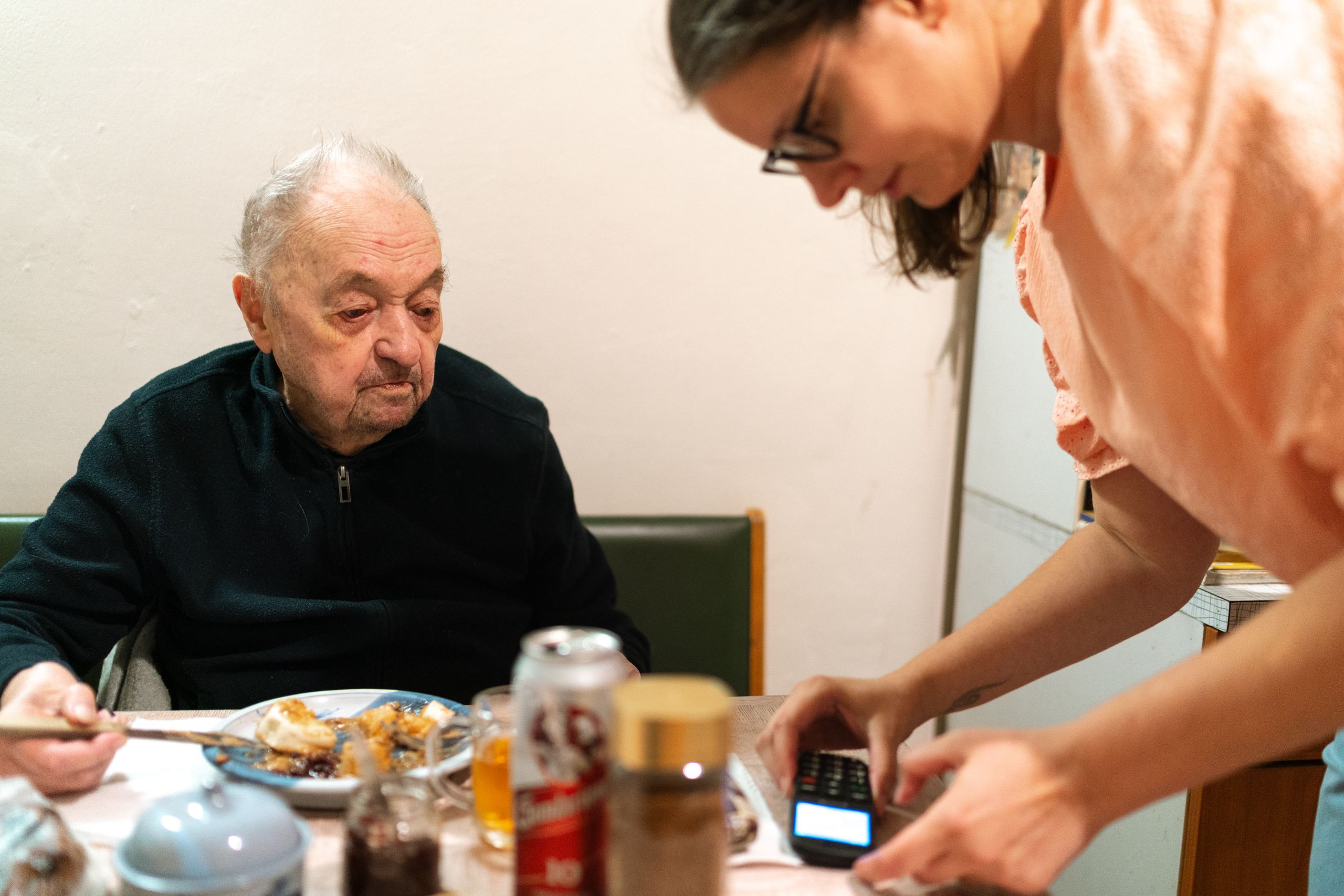
Mealtime can be a lonely experience for seniors living alone. Having someone assist with cooking or share meals provides companionship and emotional comfort.
6. Encouragement of Healthy Eating Habits
Caregivers can introduce nutritious recipes, portion control, and balanced meal planning, encouraging long-term healthy eating habits.
What Does a Meal Preparation Assistant Do?
A caregiver providing Meal Preparation Assistance does more than just cook. Their role includes a variety of supportive tasks:
Meal Planning
They plan meals based on dietary restrictions, preferences, and nutritional needs.
Grocery Shopping
They assist with selecting fresh, healthy ingredients and avoiding unhealthy processed foods.
Cooking and Preparation
They prepare meals safely while ensuring nutritional balance and taste.
Monitoring Nutrition
They help ensure seniors are eating regularly and maintaining a healthy diet.
Kitchen Safety
They maintain a clean and safe kitchen environment, reducing accident risks.
Meal Preparation and Senior Wellness Connection
Proper nutrition directly affects Senior Wellness. When seniors eat balanced meals regularly, they experience improved physical strength, mental clarity, and emotional stability.
Healthy eating helps:
- Maintain brain function
- Support immune health
- Improve digestion
- Reduce fatigue
- Enhance mood and emotional wellbeing
Meal preparation assistance ensures these benefits are consistently achieved through structured and supportive care.
Role of Caregivers in Meal Preparation Assistance
Caregivers play a crucial role in ensuring seniors receive proper nutrition. They are trained to understand dietary needs, food safety, and senior health conditions.
Their responsibilities go beyond cooking—they help build trust, provide companionship, and encourage healthy lifestyle habits.
This makes meal preparation assistance both a practical and emotional support system.
Meal Preparation for Special Diets
Many seniors require specialized diets due to health conditions. Meal preparation assistance ensures these needs are met.
Examples include:
- Low-sodium diets for heart health
- Diabetic-friendly meals
- High-protein diets for muscle maintenance
- Soft diets for dental issues
- Low-cholesterol meal plans
Caregivers ensure meals are safe, appropriate, and enjoyable while meeting medical requirements.
The Importance of Routine in Meal Preparation
Consistency is key when it comes to senior nutrition. Regular meal schedules help regulate digestion, energy levels, and medication timing.
Caregivers help establish structured routines, ensuring seniors eat at the right times and maintain balanced nutrition throughout the day.
This routine is especially important for seniors with memory challenges.
Emotional Impact of Shared Meals
Eating is not just a physical necessity—it is also an emotional experience. Shared meals can reduce loneliness and create moments of connection.
For seniors, having someone assist with or share meals can significantly improve mood and reduce feelings of isolation.
This emotional support is an important part of overall wellbeing.
How Blessed Hands Home Care Supports Families
For families seeking reliable solutions, Blessed Hands Home Care offer compassionate and personalized services that make aging at home both safe and fulfilling. Our Meal Preparation Assistance services are designed to support nutrition, independence, and overall Senior Wellness while promoting dignity and comfort at home.
Conclusion
Meal Preparation Assistance is a vital part of supporting seniors who wish to remain at home while maintaining their health and independence. By ensuring access to nutritious meals, promoting safety, and encouraging healthy eating habits, this service plays a key role in Senior Wellness and Independent Living Support.
Beyond physical nourishment, meal preparation also provides emotional comfort, routine, and companionship. It helps seniors live healthier, safer, and more fulfilling lives in the comfort of their own homes.
With the right support system in place, aging at home becomes not only possible but truly enjoyable.
FAQs
1. What is meal preparation assistance for seniors?
It is support provided to help seniors plan, prepare, and enjoy healthy meals at home.
2. How does meal preparation improve senior wellness?
It ensures proper nutrition, boosts energy, and supports overall health and wellbeing.
3. Can caregivers handle special diets?
Yes, caregivers can prepare meals tailored to medical and dietary requirements.
4. Is meal preparation assistance part of home care?
Yes, it is a key component of non-medical home care services.
5. How does it support independent living?
It allows seniors to stay at home safely while receiving help with essential daily nutrition needs.