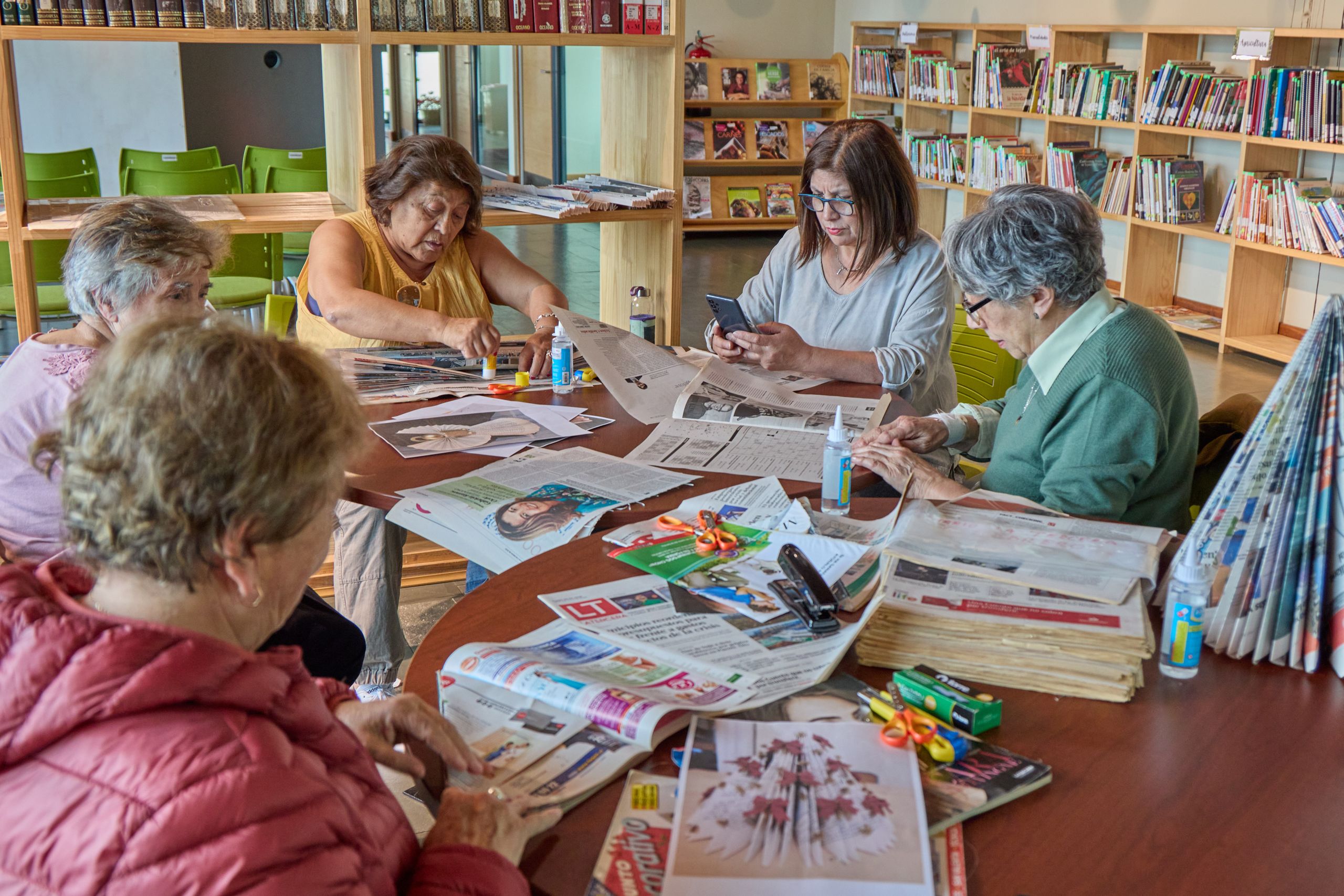
Community Engagement for Seniors: Why Staying Connected Matters
Growing older doesn’t mean stepping away from the people, places, and activities that bring life meaning. In fact, staying connected to family, friends, neighbors, churches, volunteer groups, and local communities becomes even more important as we age.
Unfortunately, many seniors experience reduced social interaction due to retirement, health conditions, limited mobility, transportation challenges, or the loss of close friends and loved ones. Over time, this isolation can affect emotional well-being, confidence, and even physical health.
The good news is that meaningful community engagement can make a remarkable difference. Whether attending a church service, joining a senior center activity, volunteering, visiting a local park, or simply enjoying regular conversations with neighbors, staying connected helps seniors continue living active, fulfilling, and purposeful lives.
At Blessed Hands Home Care, we believe everyone deserves to feel connected to the people and communities that matter most. Our caregivers encourage seniors and adults with disabilities to remain engaged in the activities they enjoy while providing the personalized support needed to participate safely and confidently.
Why Social Connection Is Essential for Healthy Aging
Humans are naturally social.
Strong relationships and regular interaction contribute to emotional, mental, and physical well-being throughout every stage of life.
As people grow older, maintaining these connections becomes increasingly valuable.
Regular social engagement can help seniors:
- Feel valued and appreciated
- Reduce feelings of loneliness
- Improve self-confidence
- Stay mentally active
- Build meaningful friendships
- Maintain a positive outlook
- Feel connected to their community
- Continue living with purpose
Even simple conversations can brighten someone’s day and improve overall quality of life.
Being connected reminds seniors they remain an important part of the lives of others.
The Hidden Effects of Social Isolation
Isolation doesn’t always happen suddenly.
Often, it develops gradually as life circumstances change.
A senior may stop driving, retire from work, experience health challenges, or lose opportunities to participate in community events.
Without regular interaction, isolation may contribute to:
- Increased loneliness
- Reduced confidence
- Depression and anxiety
- Memory difficulties
- Reduced physical activity
- Loss of motivation
- Lower overall quality of life
Recognizing these changes early allows families to encourage more opportunities for meaningful engagement before isolation becomes a serious concern.
Independence Makes Community Participation Possible
Remaining connected to the community often begins with maintaining independence at home.
When individuals feel confident managing daily routines, they are more likely to participate in activities outside the home.
As we discussed in Supporting Personal Goals and Independence for Adults with Disabilities, personalized support helps individuals build confidence while pursuing meaningful goals. That same confidence often encourages greater participation in churches, recreational programs, volunteer opportunities, educational activities, and neighborhood events.
Independence creates opportunities for stronger community connections.
Choosing the Right Care Can Encourage Social Engagement
Families sometimes worry that accepting professional care means giving up independence.
In reality, the right home care services often make community involvement easier.
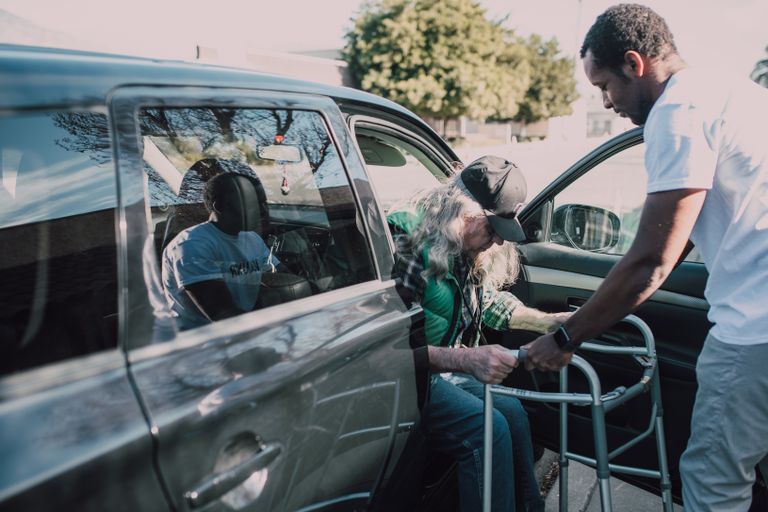
Transportation assistance, companionship, mobility support, and personalized encouragement help many seniors continue enjoying the activities they love.
If you’re comparing different long-term care options, our article Live-In Care vs. Assisted Living: Which Option Is Best? explains how different care choices affect independence, daily routines, and opportunities to remain connected with family and the local community.
The best care supports both safety and meaningful participation in everyday life.
8 Benefits of Community Engagement for Seniors
1. Reduces Loneliness
Loneliness affects many older adults, especially after retirement or the loss of loved ones.
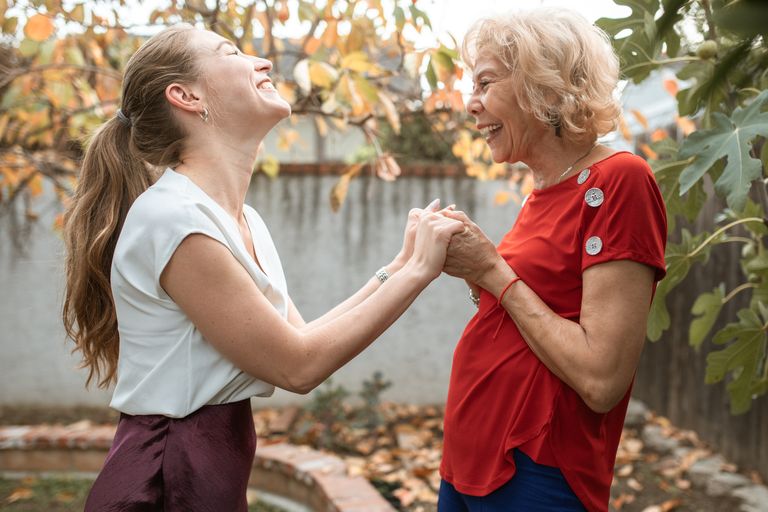
Regular social interaction provides emotional comfort while reminding seniors they are valued members of their families and communities.
Whether attending church, joining a book club, visiting neighbors, or spending time with friends, meaningful relationships reduce feelings of isolation.
Even a weekly outing or regular phone call can make a significant difference in emotional well-being.
2. Improves Mental Health
Social engagement encourages conversation, laughter, learning, and emotional support.
These positive experiences help reduce stress while improving mood and overall happiness.
Activities like community events, family gatherings, volunteer work, and hobby groups provide opportunities to:
- Express emotions
- Build friendships
- Share experiences
- Feel appreciated
- Develop confidence
Remaining socially active contributes to greater emotional resilience and a more optimistic outlook on life.
3. Encourages Physical Activity
Many community activities naturally involve movement.
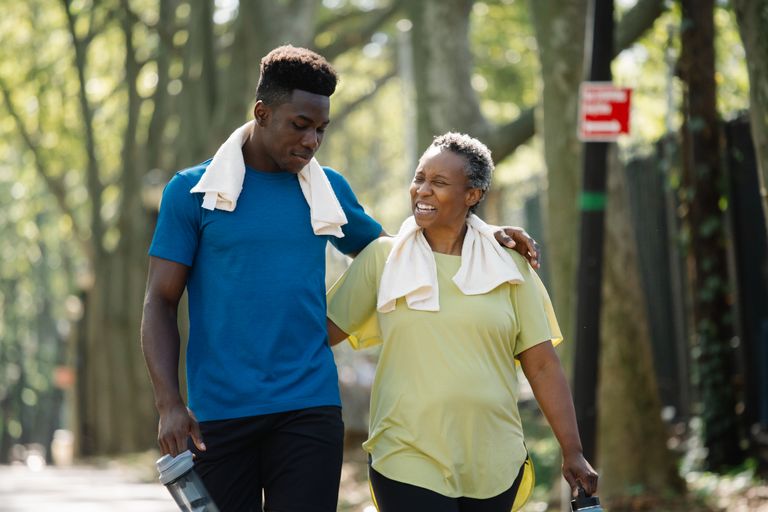
Walking through a local park, attending church, participating in exercise classes, shopping at a farmers market, or visiting friends all encourage gentle physical activity.
Regular movement helps support:
- Better balance
- Improved mobility
- Stronger muscles
- Heart health
- Greater endurance
- Increased energy
Combining physical activity with social interaction creates benefits for both body and mind.
4. Strengthens Cognitive Health
Meaningful conversations and new experiences help keep the brain active.
Community engagement encourages seniors to:
- Learn new information
- Solve problems
- Remember names and events
- Participate in discussions
- Practice communication skills
- Explore new hobbies
Keeping the mind engaged may help support memory, concentration, and overall cognitive well-being.
Every meaningful interaction becomes an opportunity for lifelong learning.
5. Gives Seniors a Greater Sense of Purpose
Everyone wants to feel that they still have something meaningful to contribute.
Community involvement gives seniors opportunities to share their talents, experiences, and wisdom while remaining active participants in society.
Whether volunteering at a local charity, helping at church, mentoring younger generations, or participating in neighborhood events, these activities reinforce a sense of purpose.
Purpose has a powerful impact on emotional well-being because it reminds seniors that they are still making valuable contributions to the lives of others.
Every act of involvement strengthens confidence while creating meaningful connections.
6. Builds Stronger Friendships
Friendships remain important at every stage of life.
Regular interaction with others creates opportunities to build relationships based on shared interests, experiences, and mutual support.
Community engagement helps seniors meet people through:
- Church groups
- Senior centers
- Volunteer organizations
- Walking clubs
- Hobby classes
- Community events
- Local libraries
- Recreational programs
Strong friendships provide encouragement during difficult times while creating joyful moments that improve overall quality of life.
Having trusted friends also helps reduce feelings of loneliness and isolation.
7. Encourages Lifelong Learning
Learning doesn’t stop with age.
Community programs often introduce seniors to new hobbies, educational opportunities, technology, arts, music, fitness activities, and cultural experiences.
Learning something new helps improve:
- Confidence
- Problem-solving skills
- Memory
- Creativity
- Communication
- Emotional well-being
Whether attending a computer class, joining a gardening club, learning a new craft, or participating in educational workshops, lifelong learning keeps life interesting and fulfilling.
Every new experience becomes another opportunity for personal growth.
8. Helps Seniors Maintain Independence
Remaining active in the community encourages seniors to continue practicing important life skills.
Attending appointments, participating in local activities, shopping, visiting friends, or attending church all help individuals maintain routines that support independence.
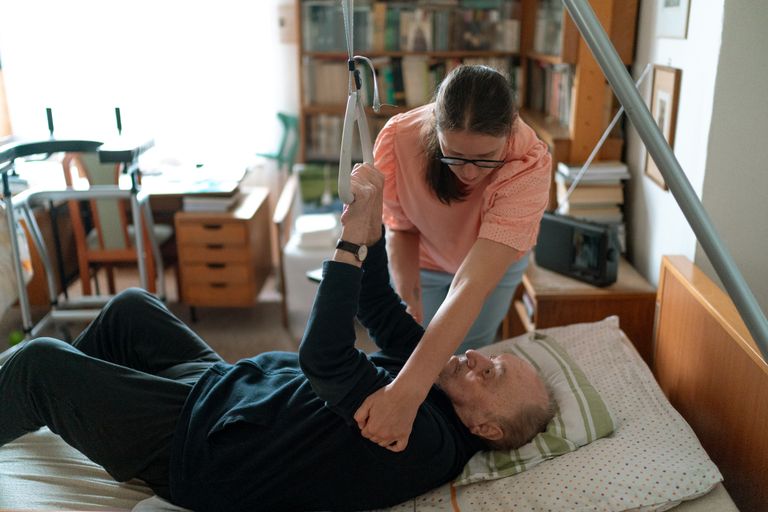
Professional caregivers can provide transportation, mobility assistance, companionship, and encouragement while allowing seniors to remain as independent as possible.
Community engagement isn’t about dependence—it’s about creating opportunities for continued independence in a safe and supportive way.
Simple Ways Families Can Help Seniors Stay Connected
Families play an important role in encouraging social engagement.
Simple actions can make a lasting difference.
Families can:
- Schedule regular family visits.
- Encourage participation in church activities.
- Help arrange transportation.
- Invite seniors to family celebrations.
- Encourage hobbies that involve others.
- Introduce local senior programs.
- Teach basic technology for video calls.
- Plan neighborhood walks together.
- Celebrate birthdays and holidays.
- Encourage volunteering when appropriate.
These consistent efforts help seniors maintain meaningful relationships while staying actively involved in their communities.
Common Barriers to Community Engagement
Some seniors want to remain active but face challenges that make participation more difficult.
Common barriers include:
- Limited mobility
- Transportation difficulties
- Chronic health conditions
- Loss of confidence
- Fear of falling
- Living alone
- Hearing or vision changes
- Lack of nearby family support
Fortunately, many of these challenges can be addressed through personalized home care, adaptive transportation, mobility assistance, and compassionate encouragement.
With the right support, many seniors can safely continue enjoying the activities they love.
Why Families Trust Blessed Hands Home Care
At Blessed Hands Home Care, we believe staying connected is an essential part of healthy aging.
Our caregivers do more than provide assistance with daily activities—they encourage meaningful participation in family life, community events, faith-based activities, hobbies, and personal interests.
Every care plan is designed around the individual’s goals, abilities, and preferences because we understand that every person deserves opportunities to remain engaged with the people and places that bring them joy.
Whether accompanying a client to church, helping them attend a community event, supporting transportation to appointments, or simply encouraging meaningful conversations, our caregivers are committed to helping clients maintain strong social connections while living safely and independently at home.
Because a connected life is often a happier, healthier, and more fulfilling life.
Frequently Asked Questions
Why is community engagement important for seniors?
Community engagement helps seniors reduce loneliness, improve emotional well-being, maintain cognitive function, encourage physical activity, build friendships, and continue living with purpose while staying connected to family and their local community.
How can home care help seniors stay socially active?
Professional caregivers provide companionship, transportation, mobility assistance, and encouragement that helps seniors attend community events, church services, family gatherings, appointments, volunteer opportunities, and recreational activities.
What are good community activities for seniors?
Popular activities include church services, senior centers, book clubs, gardening groups, exercise classes, volunteer programs, educational workshops, hobby clubs, walking groups, community festivals, and family events.
Can social interaction improve senior health?
Yes. Regular social interaction has been linked to improved emotional well-being, greater confidence, better cognitive health, increased physical activity, reduced loneliness, and an overall higher quality of life.
How does Blessed Hands Home Care encourage community involvement?
Blessed Hands Home Care provides personalized support that helps seniors safely participate in community activities, maintain relationships, pursue hobbies, attend appointments, and remain active members of their communities while preserving their independence.
Staying Connected Helps Seniors Thrive
Community engagement is about much more than attending events—it’s about maintaining friendships, building confidence, discovering new opportunities, and continuing to live with purpose. Every conversation, outing, shared activity, and community experience helps seniors feel connected, valued, and supported.
At Blessed Hands Home Care, we are passionate about helping seniors and adults with disabilities remain active participants in the communities they love. Through compassionate companionship, personalized support, and encouragement to stay socially engaged, we help our clients enjoy healthier, happier, and more independent lives.
When seniors remain connected to the people and activities that matter most, they don’t just age in place—they continue to thrive.
Contact Blessed Hands Home Care Today
If you or your loved one could benefit from compassionate home care that promotes independence, meaningful companionship, and community involvement, contact Blessed Hands Home Care today. Our experienced caregivers are dedicated to helping seniors and adults with disabilities stay connected, confident, and engaged while enjoying the comfort and familiarity of home.