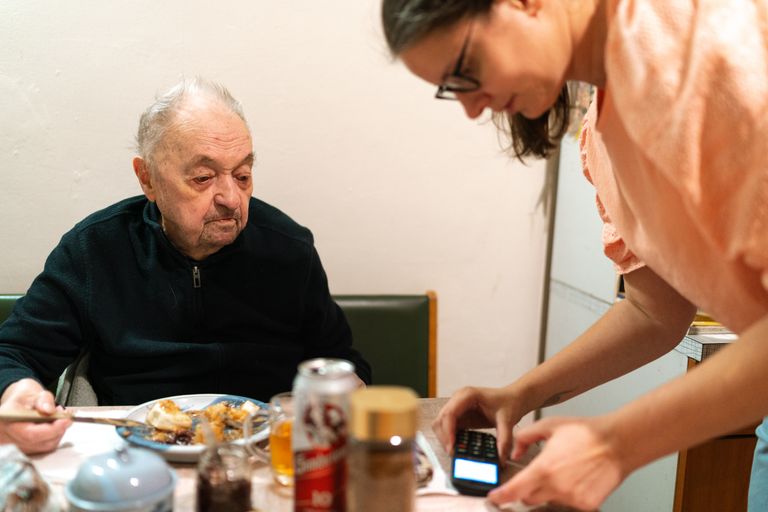

Signs a Family Caregiver May Need Respite Care and Support
Caring for an aging parent or a loved one with disabilities is one of the most meaningful things a person can do—but it’s also one of the most demanding. Many family caregivers give everything they have to make sure their loved one is safe, comfortable, and cared for, often while juggling their own jobs, children, and personal responsibilities.
What often gets overlooked in the process is the caregiver’s own well-being. It’s easy to keep pushing forward, telling yourself you’ll rest “once things calm down.” But for most family caregivers, things rarely calm down on their own. Without support, exhaustion builds quietly until it starts affecting health, relationships, and even the quality of care being provided.
This is exactly where respite care comes in. Respite care offers family caregivers temporary relief—giving them the chance to rest, recharge, and attend to their own needs, while a trained caregiver steps in to provide safe, compassionate support.
At Blessed Hands Home Care, we’ve worked with many families who didn’t realize how close they were to burnout until they finally asked for help. In this article, we’ll look at the common signs that a family caregiver may need respite care, why asking for support isn’t a failure, and how respite care can benefit both the caregiver and their loved one.
What Is Respite Care?
Respite care is short-term, temporary care provided by a trained professional, allowing a family caregiver to take a break from their caregiving responsibilities. This could mean a few hours a week, an overnight stay, or occasional coverage during a vacation or personal emergency.
The goal isn’t to replace the family caregiver—it’s to give them room to rest, without worrying about their loved one’s safety or well-being in the meantime.
Why Caregiver Burnout Happens So Easily
Family caregivers often take on their role gradually, without ever formally deciding “I am now a caregiver.” A little extra help here, a few more errands there—until, without quite realizing it, caregiving has become a second full-time responsibility.
Because the role builds slowly, many caregivers don’t notice the toll it’s taking until they’re already exhausted. And because caregiving is driven by love and obligation, many feel guilty admitting they need a break at all.
Common Signs a Family Caregiver May Need Respite Care
Physical Exhaustion
Constant fatigue, trouble sleeping, or getting sick more often than usual can all be signs that a caregiver’s body is running on empty.
Increased Irritability or Impatience
Feeling snappy or short-tempered—especially toward the person you’re caring for—is often less about frustration with them and more a sign of accumulated stress.
Neglecting Personal Health
Skipping doctor’s appointments, forgetting to eat properly, or putting off exercise are common when a caregiver’s time and energy go entirely toward someone else.
Withdrawing from Friends and Activities
Many caregivers slowly stop attending social events or hobbies they once enjoyed, simply because there’s no time or energy left for anything beyond caregiving duties.
Feeling Resentful or Guilty
It’s common for caregivers to feel resentment toward their situation, followed quickly by guilt for feeling that way at all. Both are signs of emotional strain, not personal failure.
Difficulty Concentrating
Chronic stress can affect memory and focus, making it harder to manage daily tasks, appointments, or even conversations.
A Sense of Being “Touched Out” or Overwhelmed
Feeling like there’s no space left—physically or emotionally—for anything else is a strong signal that some relief is needed.
Why Respite Care Benefits More Than Just the Caregiver
It’s easy to think of respite care as something purely for the caregiver’s benefit, but the reality is broader than that. When a caregiver is exhausted, it becomes harder to stay patient, attentive, and present—which can affect the quality of care their loved one receives.
Regular breaks allow caregivers to return to their role with more patience and energy, ultimately benefiting the relationship on both sides. This connects closely to what we discussed in The Benefits of Family Involvement in Home Care, where sustainable, well-supported family involvement leads to better outcomes than stretched-too-thin caregiving alone.
Practical Tips for Family Caregivers
- Start with small breaks—even a few hours a week can help
- Don’t wait until you’re overwhelmed to ask for support
- Keep a simple written routine so a respite caregiver can step in smoothly
- Use respite time intentionally—rest, see friends, or simply do nothing
- Talk openly with family members about sharing caregiving responsibilities
- Recognize that asking for help is a sign of strength, not weakness
How Blessed Hands Home Care Helps
At Blessed Hands Home Care, we understand that family caregivers often put their loved one’s needs ahead of their own—sometimes to their own detriment. Our respite care services are designed to give caregivers real, guilt-free breaks, knowing their loved one is in safe, compassionate hands.
Whether it’s a few hours a week, occasional overnight coverage, or support during a family caregiver’s vacation, our caregivers step in with the same attentiveness and consistency the family already provides. We take time to learn each client’s routines and preferences ahead of time, so the transition feels seamless rather than disruptive.
This kind of support doesn’t just protect the caregiver’s well-being—it also reinforces something we explored in How Home Care Gives Families Peace of Mind: that consistent, trustworthy care allows families to step back when they need to, without carrying constant worry.
Frequently Asked Questions
How long can respite care last?
Respite care can range from a few hours to several days, depending on what the family caregiver needs—whether it’s a short break, coverage during an appointment, or support during travel.
Is respite care only for emergencies?
No. While respite care can help during emergencies, it’s most effective when used regularly and proactively, before burnout sets in.
Will my loved one be upset by a new caregiver during respite care?
Many clients adjust well, especially when the respite caregiver takes time to learn their routines and preferences beforehand. Familiarizing your loved one gradually can also help ease the transition.
How do I know if I need respite care versus full-time home care?
If you’re still managing daily caregiving but feeling worn down, respite care may be enough. If caregiving needs have grown significantly, a broader home care plan may be worth discussing.
Is it selfish to want a break from caregiving?
Not at all. Taking breaks helps caregivers sustain their role long-term and often improves the quality of care they’re able to provide.
Key Takeaways
- Caregiver burnout often builds gradually and goes unnoticed until it becomes serious.
- Physical exhaustion, irritability, and withdrawal from social life are common warning signs.
- Respite care benefits both the caregiver and the person receiving care.
- Blessed Hands Home Care offers flexible respite support tailored to each family’s needs.
Conclusion
Family caregivers give so much of themselves, often without stopping to check in on their own well-being. Recognizing the signs of burnout early—and accepting support when it’s needed—isn’t a failure. It’s what allows caregiving to remain sustainable, compassionate, and healthy for everyone involved.
Contact Blessed Hands Home Care Today
If you’re feeling stretched thin as a family caregiver, Blessed Hands Home Care is here to help. Contact us today to learn how our respite care services can give you the break you deserve, with confidence that your loved one is well cared for.