
Why Companion Care Is Essential for Seniors Living Alone
Growing older often brings new opportunities to enjoy retirement, spend time with loved ones, and pursue hobbies that bring joy. However, for many seniors, aging also comes with significant life changes. Children may move away, friends and spouses may pass on, and physical limitations can make it difficult to stay socially active. As a result, many older adults find themselves living alone, facing feelings of loneliness and isolation that can affect both their physical and emotional well-being.
While living independently is a goal for many seniors, independence should never mean facing life’s challenges alone. Having regular companionship can make a remarkable difference in maintaining happiness, confidence, and overall health.
This is where companion care plays an invaluable role.
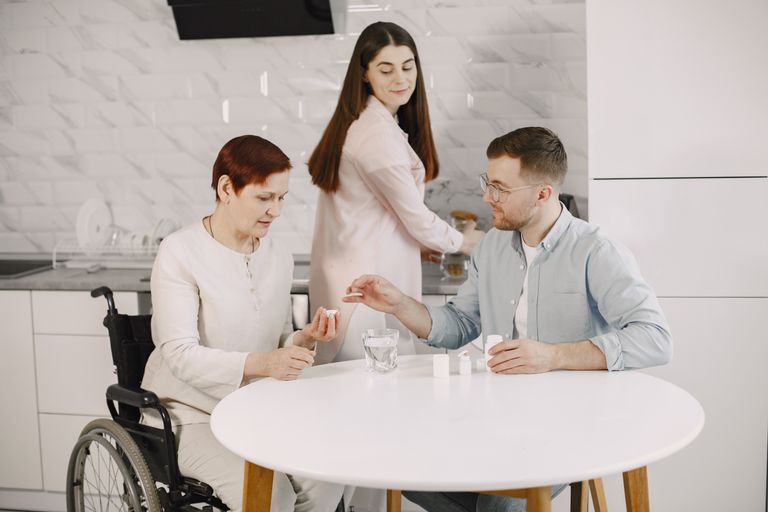
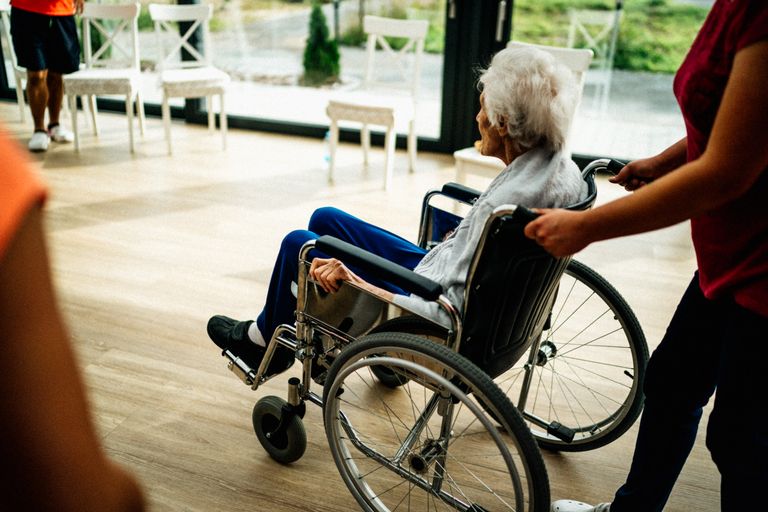
Unlike medical care, companion care focuses on providing emotional support, meaningful conversation, assistance with everyday activities, and encouragement to remain active and engaged in life. A compassionate caregiver becomes more than just someone who visits—they become a trusted companion who helps brighten each day while supporting a senior’s independence.
At Blessed Hands Home Care, we believe every senior deserves to feel valued, respected, and connected to the people and activities they love. Through personalized companion care services, we help seniors, adults with disabilities, and individuals recovering from illness continue living fulfilling lives in the comfort and familiarity of their own homes.
What Is Companion Care?
Companion care is a type of non-medical home care designed to improve the quality of life for seniors and adults who may need emotional support or assistance with daily routines but do not require skilled nursing care.
The primary goal is to reduce loneliness while encouraging independence and meaningful engagement.
A companion caregiver can assist with activities such as:
- Friendly conversation and emotional support
- Playing games and engaging in hobbies
- Reading books or newspapers together
- Preparing light meals
- Accompanying clients on walks
- Grocery shopping and errands
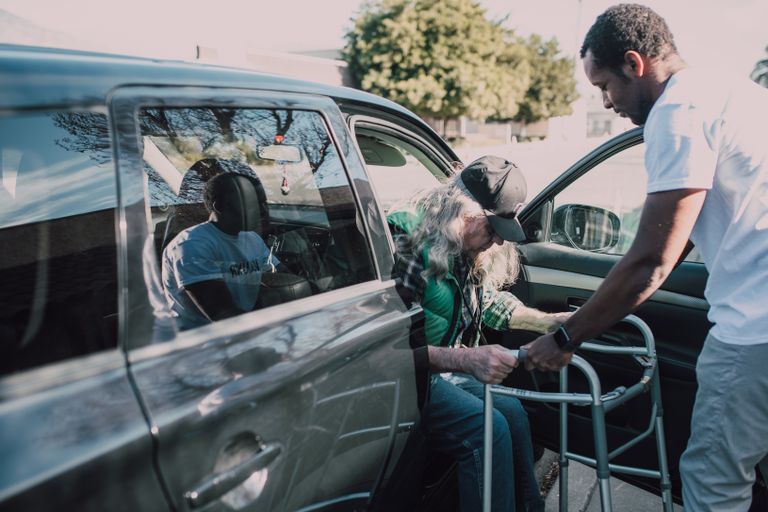
- Transportation to appointments
- Medication reminders
- Attending community events
- Helping maintain a comfortable daily routine
While these tasks may seem simple, they often have a profound impact on a person’s overall happiness and confidence.
It’s also important to understand how companion care differs from other forms of home care. If you’re unsure which type of support best fits your loved one’s needs, our guide on Companion Care vs. Personal Care: Which Is Right for Your Loved One? explains the differences and can help families make an informed decision.
The Hidden Challenges of Living Alone
Many seniors choose to remain in their own homes because it provides comfort, familiarity, and a sense of independence. However, living alone can also create challenges that are not always immediately visible to family members.
One of the greatest concerns is social isolation.
Days may pass without meaningful conversations or personal interaction. Over time, this lack of connection can contribute to feelings of sadness, anxiety, and even depression.
Simple daily tasks may also become increasingly difficult. Grocery shopping, preparing meals, keeping appointments, or maintaining household routines can feel overwhelming without someone nearby to provide encouragement or assistance.
Family members often want to help, but balancing work, parenting, and other responsibilities can make frequent visits difficult. Companion care bridges this gap by providing consistent support and companionship that allows seniors to remain safely at home while enjoying regular social interaction.
7 Reasons Companion Care Is Essential for Seniors Living Alone
1. Reduces Loneliness and Social Isolation
Loneliness has become one of the most significant health concerns affecting older adults today.
Regular conversations, shared activities, and simply having someone to spend time with can dramatically improve a senior’s emotional well-being.
Whether it’s enjoying morning coffee together, watching a favorite television program, working on a puzzle, or sharing stories from the past, these everyday moments help seniors feel connected and appreciated.
Companion caregivers build genuine relationships that create comfort, trust, and a renewed sense of belonging.
2. Encourages Independence
Many people assume accepting help means giving up independence.
In reality, the opposite is often true.
A companion caregiver provides just enough assistance to allow seniors to continue making their own choices and participating in their favorite activities.
Rather than taking over daily life, caregivers empower seniors to remain active participants in their routines while offering support only when needed.
This approach promotes confidence and preserves dignity.
3. Supports Better Mental and Emotional Health
Emotional wellness is just as important as physical health.
Regular companionship helps reduce stress, anxiety, and feelings of isolation by creating meaningful social connections.
Having someone who listens with patience, celebrates accomplishments, and encourages positive daily routines can significantly improve a senior’s outlook on life.
Companion caregivers often become trusted friends who provide encouragement during both ordinary and challenging moments.
4. Encourages Hobbies and Meaningful Activities
One of the greatest benefits of companion care is helping seniors continue doing the things they love.
Whether it’s gardening, baking, reading, knitting, birdwatching, painting, playing cards, or taking short walks, meaningful activities bring purpose and joy to everyday life.
In fact, hobbies such as gardening provide excellent opportunities for physical activity, stress relief, and emotional well-being. Our article on Gardening for Seniors: 10 Health Benefits of Gardening with a Caregiver at Home explores how caregiver support helps older adults safely continue enjoying one of life’s most rewarding hobbies while staying active and independent.
Rather than allowing hobbies to fade because of age or mobility challenges, companion caregivers encourage seniors to keep pursuing the interests that make life fulfilling.
5. Promotes Better Physical Health
While companion caregivers are not medical professionals, they play an important role in helping seniors maintain healthy daily habits. Small acts of encouragement can make a significant difference in overall well-being.
A companion caregiver can encourage seniors to:
- Take regular walks around the neighborhood
- Stay hydrated throughout the day
- Prepare and enjoy nutritious meals
- Keep medical appointments
- Follow daily routines
- Participate in gentle exercise
- Spend time outdoors
These healthy habits contribute to improved energy levels, better mobility, and a greater sense of independence.
Companion caregivers also notice changes that family members may not immediately see. If a senior appears unusually tired, withdrawn, or less interested in daily activities, caregivers can communicate these observations with family members, helping concerns be addressed early.
6. Provides Peace of Mind for Families
Caring for an aging loved one is rewarding, but it can also be emotionally demanding.
Many adult children worry throughout the day, asking themselves questions like:
- Has Mom eaten today?
- Is Dad feeling lonely?
- Did they remember their appointment?
- Is someone checking in on them?
When families cannot be there every day because of work, distance, or other responsibilities, companion care offers reassurance that someone trustworthy is providing regular support.
Knowing a compassionate caregiver is visiting consistently gives families confidence that their loved one is not facing each day alone.
This peace of mind often reduces caregiver stress while strengthening family relationships, allowing visits to focus more on creating memories than completing chores.
7. Helps Seniors Continue Living at Home Longer
Most older adults share one common goal—to remain in the comfort of their own home for as long as possible.
Home represents familiarity, cherished memories, independence, and personal freedom.
Companion care makes aging in place more achievable by providing the support seniors need without requiring them to leave the environment they know and love.
Whether it’s helping with errands, encouraging hobbies, accompanying clients to community activities, or simply sharing meaningful conversations, companion caregivers make everyday life more enjoyable while reducing many of the challenges associated with living alone.
This personalized support allows seniors to maintain their routines, preserve their independence, and continue living life on their own terms.
Signs Your Loved One May Benefit from Companion Care
Sometimes the need for companion care develops gradually, making it easy for families to overlook the early signs.
Your loved one may benefit from companion care if they:
- Frequently mention feeling lonely or isolated
- Spend most days without social interaction
- Have stopped participating in hobbies they once enjoyed
- Miss appointments or forget daily routines
- Appear withdrawn or less enthusiastic than usual
- Need assistance with errands or transportation
- Have family members who live far away or have limited availability
- Want to remain independent while receiving occasional support
Recognizing these signs early can help improve quality of life before loneliness or isolation begins affecting physical or emotional health.
Why Families Choose Blessed Hands Home Care
At Blessed Hands Home Care, we understand that every individual has unique needs, interests, and goals. That’s why we provide personalized companion care designed around each client’s preferences rather than a one-size-fits-all approach.
Our caregivers focus on building genuine relationships based on trust, compassion, respect, and dignity.
Whether your loved one enjoys gardening, reading, attending church, taking walks, cooking, or simply having someone to talk with over a cup of coffee, we encourage meaningful engagement that supports both independence and emotional well-being.
We proudly serve seniors, adults with disabilities, and individuals recovering from illness by helping them remain active participants in their communities while continuing to live safely and comfortably at home.
Our mission is simple: to empower every person we support to live with purpose, confidence, and a sense of belonging.
Frequently Asked Questions
What is companion care for seniors?
Companion care is a non-medical home care service that focuses on providing emotional support, companionship, assistance with daily activities, transportation, meal preparation, and meaningful social interaction to help seniors maintain their independence and quality of life.
What is the difference between companion care and personal care?
Companion care focuses on social interaction, emotional support, light household assistance, and daily companionship. Personal care includes hands-on assistance with activities such as bathing, dressing, grooming, toileting, and mobility support.
Can companion care help reduce loneliness?
Yes. One of the primary benefits of companion care is reducing loneliness and social isolation through regular conversation, shared activities, community engagement, and emotional support.
Is companion care only for seniors?
No. Companion care can also benefit adults with disabilities, individuals recovering from surgery or illness, and anyone who needs non-medical support to remain independent at home.
How often can a companion caregiver visit?
Care schedules are flexible and can be customized based on each person’s needs. Some clients may benefit from a few visits each week, while others prefer daily companionship and support.
Choosing Compassion Today Creates a Better Tomorrow
Living alone should never mean living without connection, encouragement, or support. Meaningful companionship has the power to improve emotional well-being, promote independence, and help seniors continue enjoying the activities that bring purpose to their lives.
At Blessed Hands Home Care, we believe compassionate care is about more than assisting with daily routines—it’s about building relationships, creating meaningful moments, and helping every client live with dignity, confidence, and joy in the place they call home.
If your loved one could benefit from friendly companionship, personalized support, or assistance with everyday activities, our experienced caregivers are here to help every step of the way.
Contact Blessed Hands Home Care Today
Discover how our compassionate companion care services can help your loved one stay independent, connected, and confident at home. Contact Blessed Hands Home Care today to learn more about our personalized in-home care services and schedule a consultation. Together, we can create a care plan that supports a happier, healthier, and more fulfilling life.