Brain Games for Seniors: Keeping the Mind Active at Home
Maintaining a healthy mind is just as important as maintaining a healthy body. As people grow older, it’s natural to notice changes in memory, concentration, and processing speed. While some changes are a normal part of aging, staying mentally active can help seniors maintain cognitive function, build confidence, and continue enjoying an independent lifestyle.
One of the most effective ways to support brain health is through regular mental stimulation. Activities that challenge the mind encourage problem-solving, memory recall, creativity, and communication, all of which contribute to healthy aging.
The good news is that keeping the brain active doesn’t require expensive equipment or complicated routines. Many enjoyable activities—such as puzzles, card games, reading, word games, music, and conversation—can provide valuable mental exercise while creating meaningful opportunities for social interaction.
At Blessed Hands Home Care, we believe healthy aging includes caring for both the body and the mind. Our caregivers encourage seniors, adults with disabilities, and individuals recovering from illness to participate in enjoyable activities that promote cognitive wellness, emotional well-being, and continued independence.
Why Brain Health Matters as We Age
The brain is like a muscle—the more it is exercised, the better it performs.
Regular mental stimulation helps create new neural connections while strengthening existing ones. Although no activity can completely prevent age-related cognitive changes, consistently engaging the mind may help maintain memory, attention, reasoning, and problem-solving skills.
Keeping the mind active also supports emotional well-being by encouraging confidence and reducing boredom.
A healthy brain contributes to many aspects of daily living, including:
- Remembering appointments
- Following conversations
- Making decisions
- Managing daily routines
- Learning new skills
- Maintaining independence
- Enjoying hobbies and social activities
For seniors receiving home care, incorporating brain games into everyday routines creates enjoyable opportunities for lifelong learning while improving overall quality of life.
What Are Brain Games?
Brain games are activities specifically designed to stimulate thinking, memory, attention, reasoning, language, and problem-solving.
Some games involve solving puzzles, while others encourage creativity, conversation, or learning new skills.
The goal isn’t competition—it’s keeping the mind active through enjoyable and meaningful experiences.
Popular brain games include:
- Crossword puzzles
- Sudoku
- Word searches
- Jigsaw puzzles
- Chess
- Checkers
- Card games
- Trivia quizzes
- Memory matching games
- Reading and discussing books
- Learning simple crafts
- Music and singing activities
Many of these activities can easily be adapted for seniors with different physical abilities or cognitive needs.
Brain Games Are More Fun When Shared
Mental stimulation becomes even more valuable when combined with companionship.
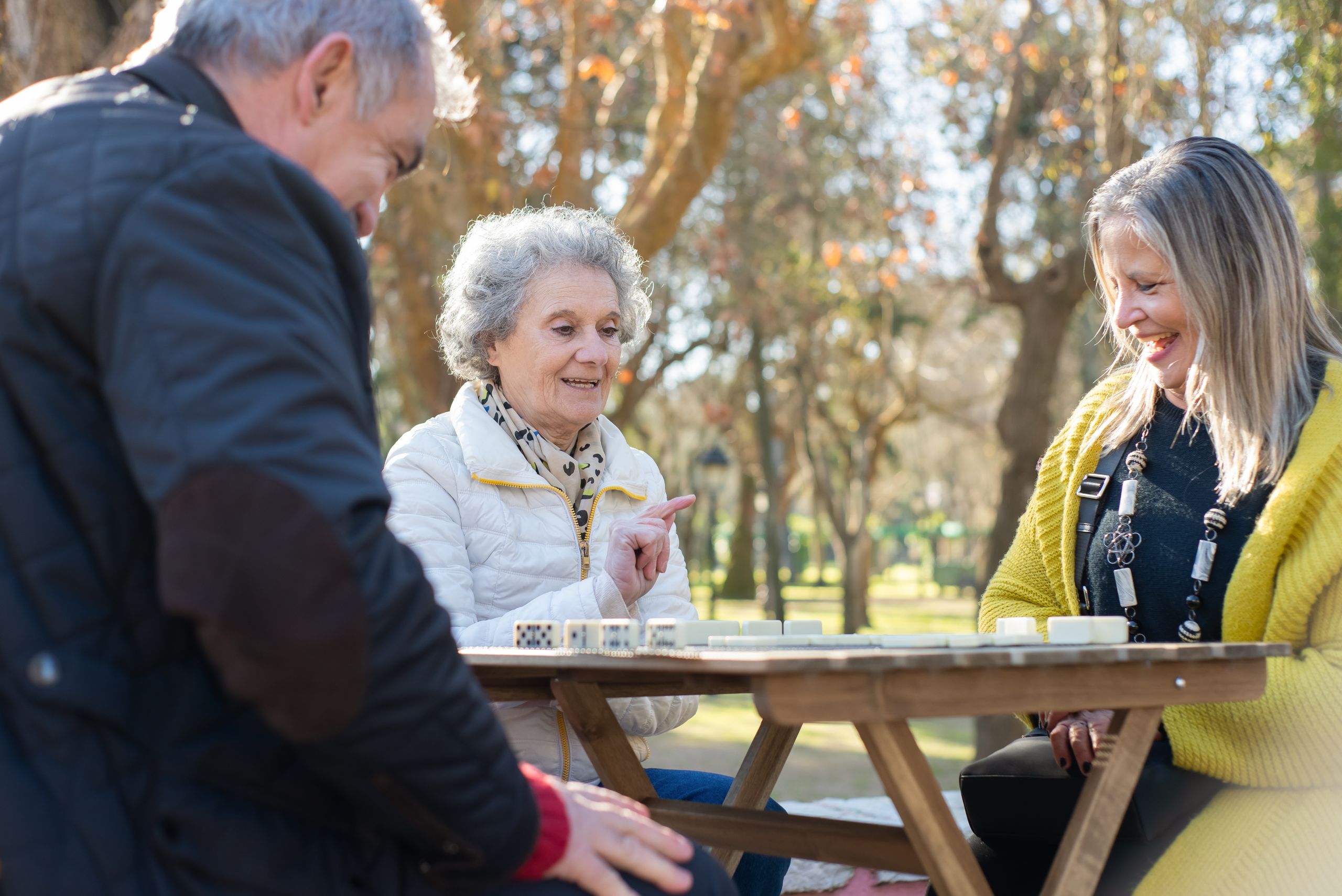
Playing games with a caregiver, family member, or friend transforms cognitive exercise into an enjoyable social experience.
Shared activities encourage conversation, laughter, teamwork, and emotional connection while naturally stimulating memory and communication skills.
Whether completing a crossword puzzle together, discussing a favorite book, or playing a friendly game of cards, these moments help seniors remain mentally engaged while strengthening relationships.
As we explored in our article How Shared Activities Improve Emotional Well-Being Through Home Care, meaningful activities not only stimulate the mind but also reduce loneliness, encourage confidence, and create a greater sense of purpose. Combining cognitive activities with companionship supports both emotional and mental wellness.
Understanding Cognitive Changes and Dementia
Many families worry when a loved one begins forgetting names, appointments, or everyday details.
It’s important to remember that occasional forgetfulness can be a normal part of aging.
However, persistent memory loss, confusion, or difficulty completing familiar tasks may indicate a more serious cognitive condition such as dementia.
While brain games cannot cure dementia, they can provide meaningful engagement, encourage communication, and help individuals continue participating in enjoyable daily activities.
Families seeking guidance on memory care can learn more in our article Dementia Care at Home: Helping Families Navigate Memory Loss, where we discuss compassionate ways caregivers support individuals living with memory-related conditions while preserving dignity and quality of life.
Understanding the difference between normal aging and more significant memory changes helps families seek the right support at the right time.
8 Benefits of Brain Games for Seniors
1. Supports Memory and Recall
Many brain games encourage seniors to remember words, images, numbers, names, or sequences.
These activities exercise short-term and long-term memory while encouraging the brain to retrieve stored information more efficiently.
Simple games like matching cards, recalling family memories, or identifying familiar songs can provide enjoyable opportunities to strengthen memory skills.
Consistency is often more important than difficulty.
Even a few minutes of mental exercise each day can become part of a healthy routine.
2. Improves Concentration and Focus
Concentration naturally changes with age.
Activities that require attention—such as crossword puzzles, Sudoku, or word searches—encourage seniors to focus on one task while ignoring distractions.
Improved concentration supports many everyday activities, including reading, cooking, following conversations, and completing household tasks.
Mental focus also helps build confidence by reinforcing a person’s ability to complete meaningful challenges successfully.
3. Encourages Problem-Solving Skills
Many games encourage players to think critically before making decisions.
Whether solving a puzzle, planning a move in chess, or completing a logic game, seniors practice reasoning and decision-making skills that remain valuable in everyday life.
Problem-solving activities also promote creativity by encouraging individuals to approach challenges from different perspectives.
These exercises help keep the brain active while providing a rewarding sense of accomplishment after completing each task.
4. Promotes Social Interaction and Communication
Brain games become even more valuable when enjoyed with others.
Playing cards, participating in trivia games, discussing books, or working together on a puzzle naturally encourages conversation and collaboration.
These interactions reduce feelings of isolation while strengthening communication skills.
For seniors receiving home care, cognitive activities provide caregivers with opportunities to build meaningful relationships while encouraging clients to remain socially engaged.
The combination of companionship and mental stimulation creates a positive environment that supports emotional well-being alongside cognitive health.
5. Builds Confidence Through Achievement
Completing a puzzle, remembering the answer to a trivia question, or finishing a challenging word search may seem like small accomplishments, but they can have a big impact on a senior’s confidence.
As people age, physical or cognitive changes may sometimes cause them to question their abilities. Brain games provide opportunities to experience success every day.
Caregivers encourage seniors to work at their own pace, celebrate progress, and enjoy the process rather than focusing on perfection.
These positive experiences help build self-esteem and encourage continued participation in mentally stimulating activities.
6. Helps Reduce Stress and Anxiety
Keeping the mind occupied with enjoyable activities can have a calming effect.
Many brain games encourage relaxation by redirecting attention away from worries and focusing on something enjoyable and rewarding.
Activities such as:
- Coloring books
- Simple puzzles
- Reading inspirational stories
- Listening to music
- Playing memory games
- Completing jigsaw puzzles
can provide a sense of peace while promoting emotional balance.
Combined with compassionate companionship, these activities create comforting daily routines that help seniors feel more relaxed and emotionally supported.
7. Encourages Lifelong Learning
The brain continues to learn throughout life.
Trying new activities stimulates curiosity and encourages seniors to remain engaged with the world around them.
Examples include:
- Learning basic technology skills
- Trying a new card game
- Learning simple crafts
- Exploring family history
- Reading books on interesting topics
- Listening to educational podcasts
- Learning a few words in another language
Learning something new creates fresh neural connections while reminding seniors that personal growth doesn’t stop with age.
Curiosity helps keep both the mind and the spirit active.
8. Supports Greater Independence
Strong cognitive skills help seniors continue managing many aspects of daily life.
Memory, attention, reasoning, and communication all contribute to maintaining independence.
Brain games complement other healthy habits by encouraging mental sharpness that supports everyday tasks such as:
- Remembering appointments
- Following medication schedules
- Planning meals
- Managing routines
- Holding conversations
- Making everyday decisions
Although brain games are only one part of healthy aging, they help seniors remain actively involved in their own lives while supporting confidence and independence.
The Best Brain Games for Seniors at Home
The most effective brain games are those that are enjoyable, engaging, and matched to a person’s interests and abilities.
Some excellent options include:
Crossword Puzzles
Improve vocabulary, memory, and problem-solving.
Sudoku
Strengthens logical thinking and concentration.
Word Searches
Encourage focus while improving visual scanning skills.
Jigsaw Puzzles
Promote spatial reasoning, patience, and teamwork.
Card Games
Games such as Uno, Rummy, Go Fish, or Bridge encourage memory, planning, and social interaction.
Chess and Checkers
Excellent for strategic thinking and decision-making.
Trivia Games
Stimulate long-term memory while encouraging conversation.
Reading and Storytelling
Reading books aloud or sharing personal life stories helps strengthen memory, communication, and emotional connection.
Music Activities
Listening to familiar songs, singing, or identifying favorite artists stimulates memory and often brings back meaningful life experiences.
Simple Ways to Keep the Mind Active Every Day
Brain health doesn’t depend on puzzles alone.
Small daily habits also contribute to lifelong cognitive wellness.
Encourage seniors to:
- Read books or newspapers regularly.
- Learn a new hobby.
- Stay physically active.
- Spend time with family and friends.
- Get enough quality sleep.
- Eat a balanced, nutritious diet.
- Listen to music.
- Practice gratitude or journaling.
- Participate in community events.
- Have regular conversations with others.
Keeping both the body and mind active creates the best foundation for healthy aging.
Signs Your Loved One May Benefit from More Cognitive Activities
Every individual experiences occasional forgetfulness.
However, some signs may indicate that additional mental stimulation or professional support could be beneficial.
Watch for:
- Reduced interest in hobbies
- Increased forgetfulness
- Difficulty concentrating
- Repeating questions frequently
- Trouble following conversations
- Spending long periods without meaningful interaction
- Avoiding activities they once enjoyed
- Difficulty completing familiar games or tasks
Introducing enjoyable cognitive activities early can help seniors stay mentally engaged while improving confidence and emotional well-being.
Why Families Trust Blessed Hands Home Care
At Blessed Hands Home Care, we believe caring for the mind is just as important as caring for the body.
Our compassionate caregivers encourage seniors, adults with disabilities, and individuals recovering from illness to participate in meaningful activities that promote memory, conversation, creativity, and lifelong learning.
Whether completing puzzles, reading together, playing games, enjoying music, or simply sharing stories from the past, we create opportunities for mental stimulation while building genuine relationships based on trust and respect.
Every activity is tailored to each client’s interests, abilities, and comfort level because we understand that meaningful engagement looks different for every individual.
Our goal is to help clients remain mentally active, emotionally fulfilled, and confidently independent while continuing to enjoy life in the comfort of home.
Frequently Asked Questions
Are brain games good for seniors?
Yes. Brain games can help stimulate memory, attention, problem-solving, language, and concentration. While they cannot prevent every age-related cognitive change, they are an enjoyable way to support overall brain health and mental engagement.
What are the best brain games for older adults?
Popular options include crossword puzzles, Sudoku, jigsaw puzzles, card games, chess, trivia, word searches, reading, storytelling, music activities, and memory-matching games. The best choice depends on the person’s interests and cognitive abilities.
Can brain games help people with dementia?
Brain games cannot cure dementia, but they can encourage meaningful engagement, communication, and enjoyment. Activities should be adapted to the person’s abilities and should focus on participation rather than performance.
How often should seniors do brain exercises?
Daily mental stimulation is ideal. Even 15 to 30 minutes of enjoyable cognitive activity each day can become part of a healthy routine that supports lifelong brain health.
How does home care encourage cognitive wellness?
Professional caregivers encourage seniors to participate in activities that stimulate the mind while providing companionship, emotional support, and personalized engagement based on each client’s interests and abilities.
A Healthy Mind Leads to a More Fulfilling Life
Keeping the mind active is one of the best ways to support healthy aging. Through brain games, meaningful conversations, lifelong learning, and shared experiences, seniors can continue building confidence, strengthening relationships, and enjoying greater independence.
At Blessed Hands Home Care, we believe every day offers an opportunity to learn, laugh, and create meaningful moments. Our caregivers provide personalized support that nurtures both mental and emotional well-being, helping seniors remain engaged with the people, hobbies, and routines they love.
Whether your loved one enjoys puzzles, reading, music, card games, or simply sharing stories over a cup of coffee, we’re here to provide compassionate care that enriches daily life.
Contact Blessed Hands Home Care Today
If you’re looking for professional in-home care that supports cognitive wellness, companionship, and independent living, contact Blessed Hands Home Care today. Our dedicated caregivers are committed to helping seniors and adults with disabilities stay mentally active, emotionally connected, and confident in the comfort of their own homes.