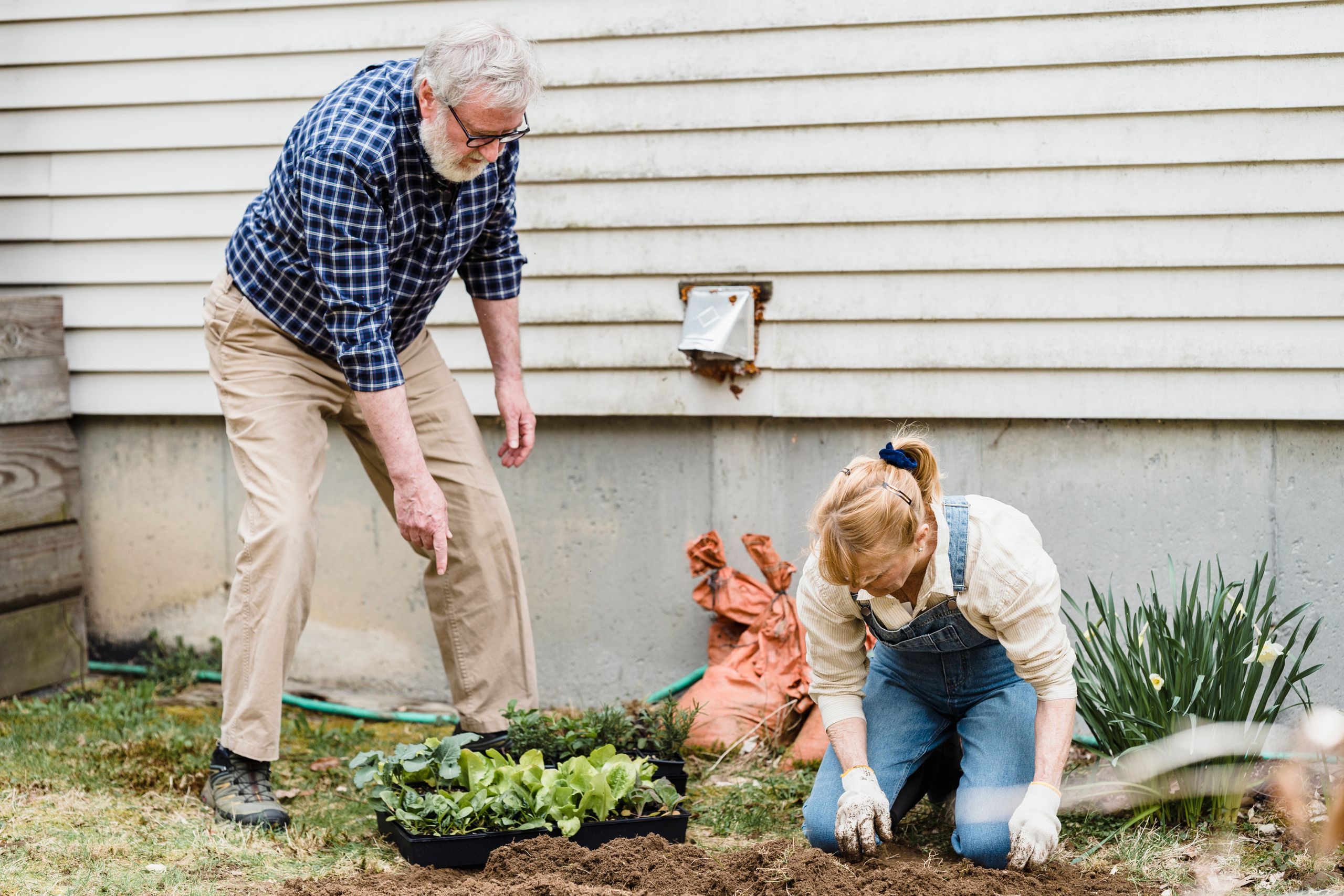
Gardening for Seniors: 10 Health Benefits of Gardening with a Caregiver at Home
Gardening is much more than planting flowers or growing vegetables—it’s a meaningful activity that nurtures both the body and the mind. For many older adults, tending to a garden represents years of cherished memories, personal achievement, and a connection to nature. As mobility, strength, or health challenges arise with age, many seniors assume they must leave gardening behind. Fortunately, that doesn’t have to be the case.
With the support of a compassionate caregiver, seniors can continue enjoying one of life’s most rewarding hobbies while staying safe, active, and independent. Whether it’s watering flowers, planting herbs, or harvesting fresh vegetables, gardening provides physical exercise, emotional well-being, and a renewed sense of purpose.
At Blessed Hands Home Care, we believe meaningful activities should never stop because of age or disability. Our caregivers help seniors, adults recovering from illness, and individuals with disabilities continue participating in the activities they love while promoting independence, dignity, and overall well-being.
In this guide, we’ll explore the top health benefits of gardening for seniors and how caregiver support makes every moment in the garden safer, more enjoyable, and more fulfilling.
Why Gardening Is One of the Best Activities for Seniors
Remaining active is essential for healthy aging. Gardening is one of the few hobbies that combines light physical activity, mental stimulation, creativity, and relaxation all in one experience.
Unlike strenuous exercise, gardening allows seniors to move at their own pace. Simple tasks like watering plants, trimming flowers, or arranging pots provide gentle movement that keeps the body engaged without unnecessary strain.
Beyond the physical benefits, spending time outdoors reduces stress, improves mood, and creates opportunities for meaningful conversations with family members and caregivers. Every flower planted or vegetable harvested becomes another reminder that life continues to grow with purpose.
10 Health Benefits of Gardening for Seniors
1. Improves Physical Strength and Mobility
Gardening encourages natural movement through bending, stretching, reaching, and walking. These gentle motions help improve flexibility, coordination, and muscle strength without requiring an intense workout.
Even seniors with limited mobility can enjoy container gardening, raised garden beds, or indoor gardening projects with caregiver assistance.
Regular movement also helps reduce stiffness that often accompanies aging.
2. Supports Better Heart Health
Gardening is considered a low-impact physical activity that helps improve circulation and cardiovascular health.
Activities such as watering plants, pulling weeds, or walking around the garden encourage healthy blood flow while promoting better endurance.
Combined with fresh air and regular movement, gardening contributes to a healthier lifestyle that supports long-term wellness.
3. Reduces Stress and Anxiety
Nature has a remarkable calming effect.
Research consistently shows that spending time in green spaces helps lower stress levels and promote relaxation.
Gardening gives seniors an opportunity to disconnect from daily worries while focusing on something positive and productive.
Watching flowers bloom or vegetables grow provides a peaceful sense of accomplishment that improves emotional well-being.
4. Improves Mental Health and Memory
Gardening stimulates the brain through planning, problem-solving, and routine.
Remembering watering schedules, identifying different plants, or deciding where to plant flowers keeps the mind active.
These activities may help support memory, concentration, and cognitive function while reducing feelings of loneliness or isolation.
For seniors living with early-stage dementia or mild cognitive decline, gardening can also trigger pleasant memories and encourage meaningful engagement.
5. Encourages Independence
One of the greatest fears many seniors experience is losing their independence.
Gardening helps restore confidence by allowing older adults to continue making decisions, completing projects, and contributing to their home environment.
Rather than taking over, professional caregivers provide the right level of support, allowing seniors to remain in control of their favorite activities whenever possible.
6. Promotes Better Sleep
Regular outdoor activity combined with exposure to natural daylight helps regulate the body’s internal clock.
Many seniors who spend time gardening report improved sleep quality and feeling more refreshed throughout the day.
Better sleep also contributes to improved energy, mood, and overall health.
7. Creates Opportunities for Social Connection
Gardening doesn’t have to be a solitary activity.
Working alongside a caregiver creates opportunities for conversation, laughter, and companionship.
Family members can also join gardening sessions, turning ordinary afternoons into treasured memories that strengthen relationships.
Community gardens and neighborhood gardening clubs may also provide seniors with additional opportunities to remain socially connected.
8. Encourages Healthy Eating
Growing vegetables, herbs, and fruits inspires healthier eating habits.
Fresh tomatoes, peppers, lettuce, basil, and herbs harvested from the garden often encourage seniors to prepare more nutritious meals.
Caregivers can also assist with meal preparation using homegrown ingredients, creating enjoyable farm-to-table experiences right at home.
Healthy nutrition plays an important role in maintaining strength, supporting the immune system, and managing chronic health conditions.
9. Gives Life Greater Purpose
Purpose is essential at every stage of life.
Gardening gives seniors something to look forward to each day.
Whether checking on blooming flowers or harvesting vegetables, every small achievement builds confidence and creates excitement.
These meaningful daily routines contribute to improved emotional health and greater overall life satisfaction.
10. Brings Joy Through Every Season
Gardening teaches patience, hope, and gratitude.
Each season offers something new to enjoy—from spring flowers to summer vegetables and colorful autumn landscapes.
Even indoor gardening during colder months provides opportunities to stay engaged year-round.
The joy that comes from nurturing life often extends far beyond the garden itself.
How a Caregiver Makes Gardening Safer
While gardening offers many benefits, certain tasks may become difficult as mobility changes.
Professional caregivers help seniors continue gardening safely by providing assistance without taking away independence.
A caregiver can help by:
- Carrying heavy pots and gardening supplies
- Watering plants when lifting becomes difficult
- Assisting with kneeling or standing safely
- Preventing slips and falls on uneven surfaces
- Monitoring hydration during warm weather
- Encouraging regular rest breaks
- Helping organize gardening tools
- Supporting raised garden bed projects
The goal is not to replace independence but to make meaningful activities possible for longer.
Gardening Ideas for Seniors with Limited Mobility
Not every senior needs a large backyard to enjoy gardening.
Some excellent options include:
- Raised garden beds
- Container gardening
- Herb gardens
- Indoor plants
- Succulent collections
- Vertical gardens
- Window boxes
- Hanging flower baskets
- Butterfly gardens
- Small vegetable gardens
These alternatives allow seniors with arthritis, limited mobility, or balance concerns to continue gardening comfortably.
How Blessed Hands Home Care Helps Seniors Stay Active
At Blessed Hands Home Care, we believe compassionate care goes beyond assisting with daily living activities. As we explain in our guide on How Professional Caregivers Improve Quality of Life for Seniors, professional caregiving is about helping people maintain their independence, dignity, and overall well-being. Our caregivers encourage seniors and adults with disabilities to continue participating in hobbies that bring joy, confidence, and purpose.
Whether it’s gardening, cooking, walking, attending community events, or simply enjoying time outdoors, we personalize care based on each individual’s goals, abilities, and preferences.
Our commitment is rooted in respect, dignity, inclusion, meaningful relationships, and helping every client live independently in the comfort of their own home.
By supporting the activities that matter most, we help create happier days, healthier lives, and stronger connections with family and community.
Frequently Asked Questions
Is gardening good for seniors?
Yes. Gardening is one of the best low-impact activities for older adults because it supports physical health, mental well-being, mobility, and emotional wellness while encouraging independence.
Can seniors with arthritis still enjoy gardening?
Absolutely. Raised garden beds, lightweight gardening tools, ergonomic equipment, and caregiver assistance make gardening easier and more comfortable for individuals with arthritis.
Can home caregivers help with gardening?
Yes. Professional caregivers can assist with outdoor activities, watering plants, lifting heavy items, organizing gardening supplies, and ensuring seniors garden safely while maintaining as much independence as possible.
What are the best plants for seniors to grow?
Easy-to-maintain plants such as herbs, tomatoes, lettuce, marigolds, lavender, succulents, peppers, and sunflowers are excellent choices because they require relatively simple care and provide rewarding results.
Continue Growing, Continue Living
Growing older doesn’t mean giving up the activities that make life meaningful. With compassionate support, seniors can continue nurturing gardens, enjoying nature, and creating beautiful memories while maintaining their independence.
At Blessed Hands Home Care, we’re committed to helping seniors, adults recovering from illness, and people with disabilities live fulfilling, active lives through personalized in-home care. Whether your loved one enjoys gardening, cooking, walking, or spending time in the community, our caregivers provide the encouragement and support they need to thrive safely at home.
Ready to help your loved one continue doing what they love? Contact Blessed Hands Home Care today to learn how our compassionate caregivers can provide personalized support that promotes independence, dignity, and a higher quality of life.