Walking for Seniors: Safe Ways to Stay Active and Independent
Staying physically active is one of the best ways to maintain health, independence, and a high quality of life as we age. While strenuous workouts may not be suitable for everyone, walking remains one of the safest, simplest, and most effective forms of exercise for seniors. Whether it’s a short stroll around the neighborhood, a walk through a local park, or simply moving around the home, regular walking offers incredible benefits for both physical and emotional well-being.
Unfortunately, many older adults become less active due to arthritis, chronic pain, balance concerns, or fear of falling. Over time, reduced movement can lead to weaker muscles, decreased mobility, poor circulation, and a greater risk of health complications. The less a person moves, the harder it often becomes to remain independent.
The encouraging news is that with the right support, walking can remain a safe and enjoyable part of daily life. Professional caregivers help seniors stay active by providing encouragement, companionship, and assistance that builds confidence without taking away independence.
At Blessed Hands Home Care, we believe movement is an important part of healthy aging. Our caregivers support seniors, adults with disabilities, and individuals recovering from illness by helping them remain active in ways that are safe, enjoyable, and tailored to their individual abilities.
Why Walking Is One of the Best Exercises for Seniors
Walking is often called the perfect exercise because it requires very little equipment, can be adapted to different fitness levels, and provides benefits for nearly every part of the body.
Unlike high-impact workouts, walking is gentle on the joints while still helping improve cardiovascular health, muscle strength, balance, flexibility, and endurance.
Walking also provides opportunities to spend time outdoors, enjoy fresh air, and connect with family members, friends, or caregivers.
Most importantly, regular walking supports one of the biggest goals many seniors have—remaining independent for as long as possible.
Whether someone walks for ten minutes or an hour, every step contributes to better health.
Why Seniors Stop Walking
Many families notice that their loved ones become less active over time.
Often, this isn’t because they don’t want to walk—it is because certain challenges make walking feel difficult or unsafe.
Some common reasons include:
Fear of Falling
After experiencing a fall or even witnessing someone else fall, many seniors become hesitant to walk without assistance.
Joint Pain and Arthritis
Stiff joints and chronic pain can reduce confidence and make movement uncomfortable.
Balance Problems
Changes in balance often lead seniors to avoid walking unless someone is nearby.
Fatigue
Health conditions or certain medications may reduce energy levels, making physical activity feel overwhelming.
Lack of Motivation
Walking alone isn’t always enjoyable. Without companionship or encouragement, many seniors gradually become less active.
The good news is that these challenges can often be managed with the right support and a personalized approach to physical activity.
8 Benefits of Walking for Seniors
1. Improves Heart Health
Walking is one of the most effective low-impact exercises for improving cardiovascular health.
Regular walking helps improve blood circulation, strengthen the heart, and support healthy blood pressure.
It may also reduce the risk of heart disease, stroke, and other cardiovascular conditions when combined with a healthy lifestyle.
Even short daily walks can make a noticeable difference over time.
2. Helps Maintain Strength and Mobility
Strong muscles are essential for maintaining balance, independence, and the ability to perform everyday tasks.
Walking helps strengthen the legs, hips, and core muscles that support movement.
Maintaining muscle strength allows seniors to continue participating in daily activities such as climbing stairs, shopping, gardening, and spending time with family.
Combined with personalized home care support, regular walking can help individuals remain active and confident for longer.
3. Supports Healthy Weight Management
Regular physical activity helps burn calories while supporting healthy metabolism.
Walking, combined with proper nutrition, provides an excellent foundation for healthy aging.
Nutritious meals give the body the energy needed to stay active, while regular walking helps maintain strength and overall fitness. As we discussed in our article Healthy Meal Planning for Seniors Receiving Home Care, balanced nutrition and daily movement work together to promote better health, support independence, and improve quality of life.
When healthy eating and regular exercise become part of a daily routine, seniors often experience increased energy and improved overall wellness.
4. Improves Balance and Reduces Fall Risk
Many people mistakenly believe avoiding activity prevents falls.
In reality, safely maintaining strength and balance through regular movement often helps reduce fall risks.
Walking strengthens muscles involved in posture and stability while improving coordination.
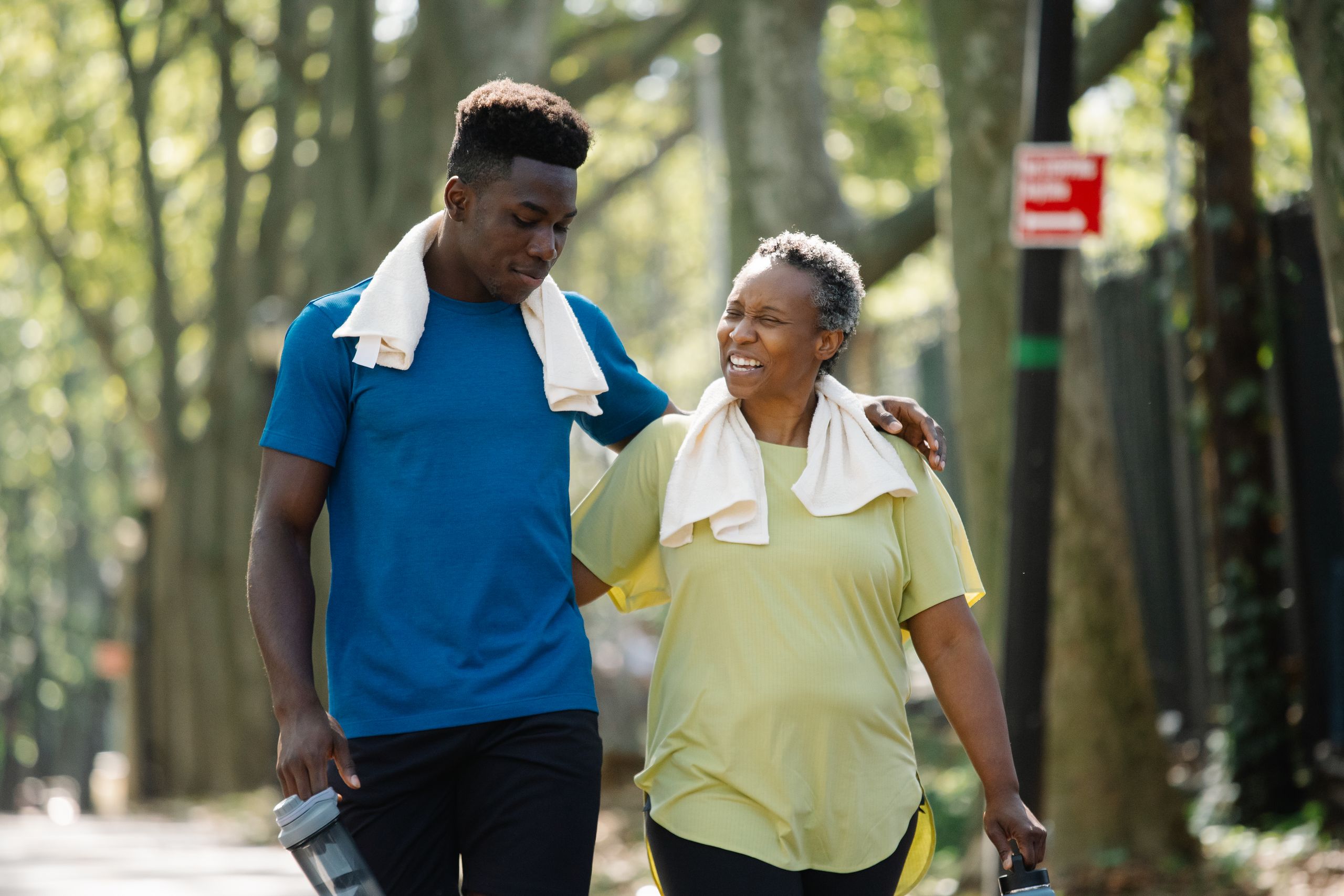
When caregivers accompany seniors during walks, they provide reassurance and assistance that helps individuals build confidence while staying safe.
This supportive approach allows seniors to remain active instead of becoming fearful of movement.
5. Boosts Mental Health and Emotional Well-Being
Walking benefits much more than physical health—it also has a powerful impact on emotional wellness.
Spending time outdoors, enjoying fresh air, and experiencing nature can help reduce feelings of stress, anxiety, and loneliness. Even a short walk around the neighborhood provides opportunities to clear the mind, appreciate the surroundings, and enjoy meaningful conversations with a caregiver or loved one.
Regular walking also encourages the release of endorphins, often called the body’s “feel-good” hormones, which naturally improve mood and promote relaxation.
For seniors who live alone, combining walking with companionship creates valuable social interaction that supports emotional health while making daily exercise something to look forward to.
6. Supports Brain Health and Memory
Staying physically active is closely connected to maintaining cognitive health.
Research suggests that regular walking may help improve blood flow to the brain, support memory, increase concentration, and reduce the risk of cognitive decline associated with aging.
Walking also stimulates the mind by exposing seniors to changing environments, conversations, and everyday experiences that encourage mental engagement.
Whether it’s identifying flowers in a garden, greeting neighbors, or simply observing the changing seasons, walking keeps both the body and the mind active.
When combined with a healthy lifestyle, regular movement becomes an important part of supporting lifelong brain health.
7. Encourages Social Connection
Walking doesn’t have to be a solitary activity.
Many seniors enjoy walking with caregivers, family members, friends, or neighbors.
These shared experiences create opportunities for conversation, laughter, and meaningful relationships while reducing feelings of isolation.
Caregivers often encourage clients to visit local parks, community centers, walking trails, or neighborhood events whenever appropriate.
These outings not only provide exercise but also help seniors remain connected to their communities and continue participating in the activities they enjoy.
Staying socially engaged is an important part of healthy aging and contributes significantly to overall quality of life.
8. Helps Seniors Maintain Independence
Perhaps the greatest benefit of regular walking is its ability to support independence.
Walking strengthens muscles, improves balance, increases confidence, and helps seniors continue performing everyday activities such as shopping, attending appointments, visiting friends, and enjoying favorite hobbies.
The more individuals remain active, the more likely they are to continue living independently in the comfort of their own homes.
Rather than limiting activity because of age, compassionate home care encourages safe movement that empowers seniors to continue living life on their own terms.
Every step taken today contributes to greater independence tomorrow.
Safe Walking Tips for Seniors
Walking is generally one of the safest forms of exercise, but following a few simple precautions can make it even safer and more enjoyable.
Wear Supportive Footwear
Choose comfortable shoes with non-slip soles that provide good support and fit properly.
Start Slowly
Individuals who haven’t exercised recently should begin with short walks and gradually increase time and distance as strength improves.
Stay Hydrated
Drink water before and after walking, especially during warm weather.
Walk in Safe Areas
Choose sidewalks, parks, indoor walking tracks, or well-maintained paths with good lighting and minimal obstacles.
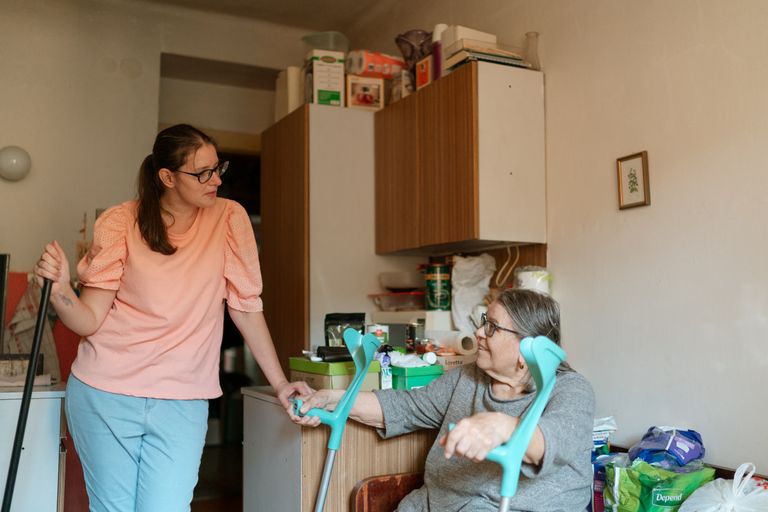
Use Mobility Aids if Needed
Canes, walkers, or other assistive devices can provide additional stability and confidence.
Pay Attention to the Weather
Avoid walking during extreme heat, icy conditions, or severe weather. Indoor locations such as shopping malls or community centers can be excellent alternatives.
Listen to Your Body
If pain, dizziness, shortness of breath, or unusual fatigue occurs, stop walking and seek medical advice if symptoms persist.
Safety should always come before distance or speed.
How Home Care Supports Safe Walking
Professional caregivers do much more than accompany clients on walks.
They help create safe, enjoyable routines that encourage consistent physical activity while respecting each person’s abilities and comfort level.
A caregiver may assist by:
- Providing steady support during walks
- Encouraging proper posture and pacing
- Helping clients use mobility aids safely
- Planning walking routes with fewer hazards
- Offering hydration reminders
- Monitoring for signs of fatigue
- Providing encouragement and motivation
- Turning walks into enjoyable social experiences
This personalized support helps seniors remain active without feeling overwhelmed or unsafe.
For many individuals, having someone beside them provides the confidence needed to continue enjoying regular exercise.
Signs Your Loved One May Need Mobility Support
Sometimes family members notice subtle changes before realizing additional support is needed.
Some common signs include:
- Walking less frequently than before
- Difficulty getting up from chairs
- Hesitating when climbing stairs
- Holding onto furniture while walking
- Fear of leaving the house alone
- Shortness of breath after minimal activity
- Complaints of balance problems
- Recent slips or falls
- Reduced participation in favorite activities
Recognizing these signs early allows families to introduce supportive care that promotes safety while preserving independence.
Why Families Choose Blessed Hands Home Care
At Blessed Hands Home Care, we believe staying active is an important part of living a healthier, happier, and more independent life.
Our compassionate caregivers encourage seniors, adults with disabilities, and individuals recovering from illness to remain physically active in ways that match their abilities, goals, and interests.
Whether accompanying clients on neighborhood walks, encouraging light exercise, assisting with mobility, or supporting participation in favorite hobbies, we provide personalized care that promotes confidence without limiting independence.
Home care is about far more than assistance with daily tasks. It is about empowering people to continue enjoying life safely, comfortably, and with dignity. If you’d like to learn more about the broader impact compassionate caregiving can have, explore our article 10 Powerful Benefits of In-Home Care for Aging Loved Ones, where we discuss how personalized home care improves safety, independence, emotional well-being, and overall quality of life.
Every care plan we create is built around respect, compassion, meaningful relationships, and helping every client continue living life on their own terms.
Frequently Asked Questions
Is walking the best exercise for seniors?
Walking is one of the safest and most effective low-impact exercises for many older adults. It supports heart health, improves balance, strengthens muscles, enhances mood, and helps maintain independence. Seniors should always consult their healthcare provider before starting a new exercise routine, especially if they have existing medical conditions.
How much should seniors walk each day?
The ideal amount varies based on a person’s health and mobility. Many older adults benefit from short daily walks that gradually increase in duration as strength and endurance improve. Consistency is more important than distance.
Can caregivers assist seniors with walking?
Yes. Professional caregivers can accompany seniors during walks, provide mobility assistance, encourage safe exercise habits, monitor for fatigue, and help build confidence while reducing fall risks.
What should seniors do if they are afraid of falling?
Fear of falling is common, but avoiding movement altogether can actually reduce strength and balance over time. Walking with a caregiver, using appropriate mobility aids, and choosing safe walking environments can help seniors stay active with greater confidence.
Why is regular walking important for healthy aging?
Regular walking supports cardiovascular health, muscle strength, flexibility, balance, brain health, emotional well-being, and overall independence. It is one of the simplest ways to maintain an active lifestyle while aging.
Every Step Toward Better Health Matters
Walking is one of the simplest yet most effective ways for seniors to stay healthy, independent, and connected to the world around them. With the right encouragement and support, regular walking can improve physical strength, boost confidence, enhance emotional well-being, and help older adults continue enjoying the activities they love.
At Blessed Hands Home Care, we believe every individual deserves the opportunity to remain active while receiving compassionate support that respects their goals, choices, and abilities. Whether your loved one needs assistance with walking, mobility, companionship, or daily activities, our dedicated caregivers are here to help them thrive safely at home.
Contact Blessed Hands Home Care Today
If you or someone you love could benefit from personalized in-home care that promotes mobility, independence, and a healthier lifestyle, contact Blessed Hands Home Care today. Our compassionate team is ready to create a customized care plan that helps your loved one stay active, confident, and independent in the comfort of home.