How to Prepare Your Home for a Senior Returning from the Hospital
The call comes, and the news is good: your loved one is being discharged. There’s relief, and then, almost immediately, a wave of questions. Is the house ready? Do we have what we need? Who will be there on the first night? What if something goes wrong?
Discharge days tend to arrive quickly, sometimes with only a few hours of notice. Hospitals work to get patients home as soon as it’s safe, which is good news for recovery, but it can leave families scrambling to organize equipment, medications, meals, and help all at once.
A little preparation makes a big difference. A home that’s been set up for recovery is safer, calmer, and easier to manage, for both the senior and the family. It also lowers the chance of falls, medication mix-ups, and the kind of avoidable problems that lead to a return trip to the hospital.
At Blessed Hands Home Care, we’ve helped many families through this exact transition, and we’ve learned which small steps matter most. In this article, we’ll walk you through a practical, room-by-room checklist, from what to do while your loved one is still in the hospital to what to expect on the first night home.
Start While They’re Still in the Hospital
You don’t have to wait until the day of discharge. The more you learn and arrange early, the smoother the transition will be.
Ask the Right Questions
Before discharge, talk with the nurse, doctor, or hospital discharge planner. Helpful questions include:
- What level of help will my loved one need, and for how long?
- Are there activity restrictions, such as lifting, stairs, or driving?
- What medications are being started, stopped, or changed?
- What equipment will we need, such as a walker, shower chair, or hospital bed?
- What warning signs should prompt a call to the doctor or emergency services?
- When are the follow-up appointments, and who will be arranging them?
- Will they need physical therapy, nursing visits, or other services?
Get It in Writing
Ask for written discharge instructions, a current medication list, and the contact numbers for the care team. Keep them together in a folder or envelope.
Arrange Transportation
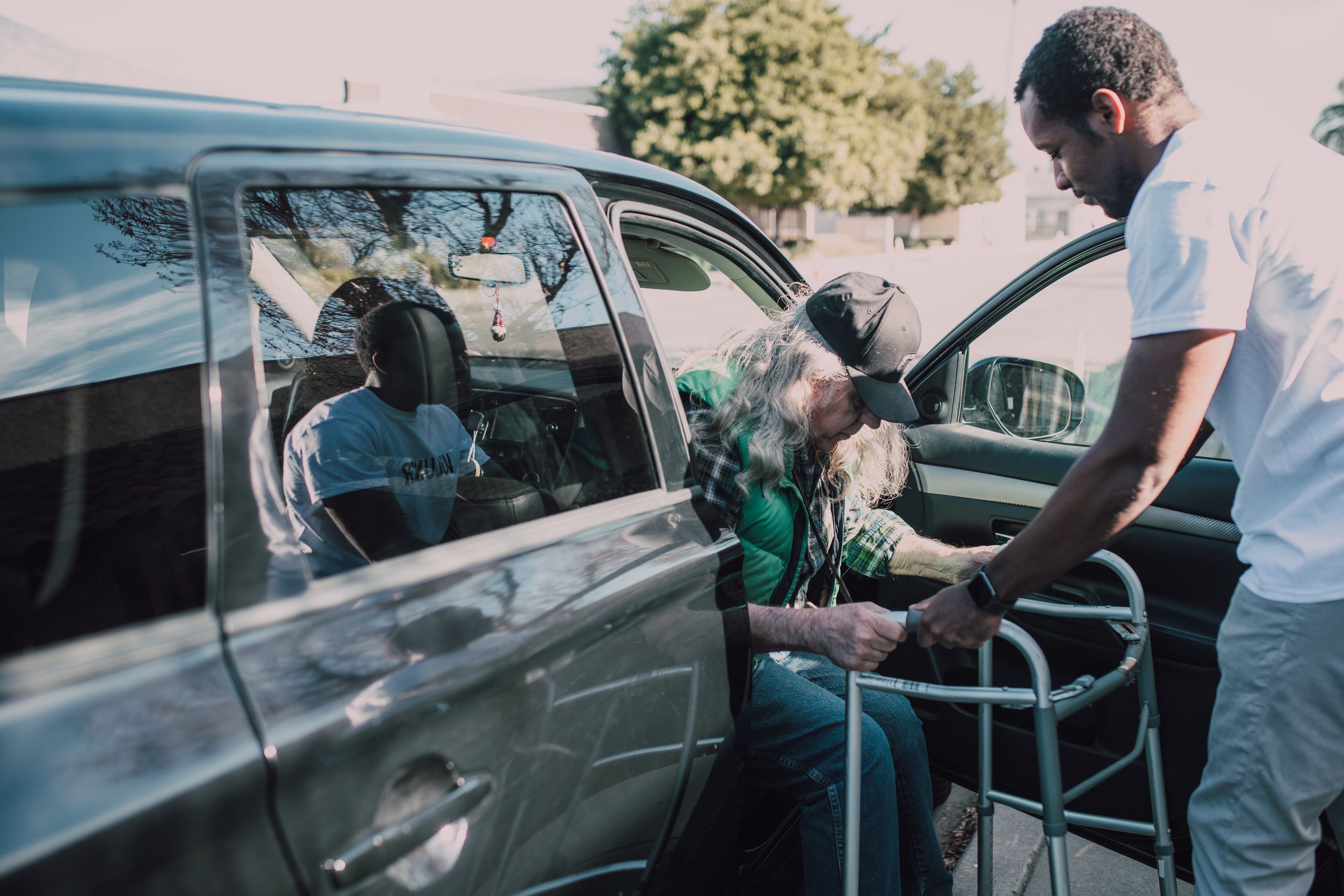
Make sure someone can safely drive your loved one home and, ideally, help them into the house. A car with easy-to-access seating is better than a low or cramped one.
Prepare the Main Living Spaces
Choose a Recovery Zone
If possible, set up the main living area on one floor, with the bed, bathroom, and a comfortable seating spot close together. This reduces stair use and unnecessary walking.
Clear Walkways
Remove loose rugs, cords, clutter, and low furniture from paths between the bed, bathroom, and kitchen. Aim for wide, open routes, especially if a walker will be used.
Improve Lighting
Add nightlights in hallways and bathrooms, and make sure lamps or switches are easy to reach from the bed and chair. Good lighting is one of the simplest ways to prevent falls, and our guide to Home Safety Tips for Seniors to Prevent Falls offers more practical ideas for every room.
Adjust Furniture
Make sure the chair and bed are at a comfortable height for getting up and down. A firm chair with armrests is easier to use than a low, soft sofa. Add pillows or cushions for support if recommended.
The Bathroom
The bathroom is often the highest-risk room after a hospital stay.
- Install or ask about grab bars near the toilet and shower
- Use a shower chair or bench and a handheld showerhead
- Place non-slip mats inside and outside the tub or shower
- Consider a raised toilet seat or bedside commode if mobility is limited
- Keep towels, soap, and a robe within easy reach
- Lower the water heater temperature if possible to prevent scalds
The Kitchen
- Stock up on easy-to-prepare, nutritious meals and snacks
- Move frequently used items to counter height or easy-to-reach shelves
- Prepare and freeze meals ahead of time if you can
- Keep a water pitcher or filled bottle nearby so hydration is easy
- Remove or label any expired or unsafe foods
The Bedroom
- Place a lamp, phone, glasses, water, and tissues within arm’s reach of the bed
- Keep a clear path to the bathroom
- Consider bed rails or a bed assist handle if recommended
- Have a fresh set of comfortable, easy-to-wear clothes ready
Organize Medications
Medication errors are a common problem after hospital discharge, because prescriptions are often added, stopped, or changed.
- Compare the hospital’s medication list with what’s already in the home, and remove old or discontinued medications
- Fill new prescriptions before the first night home
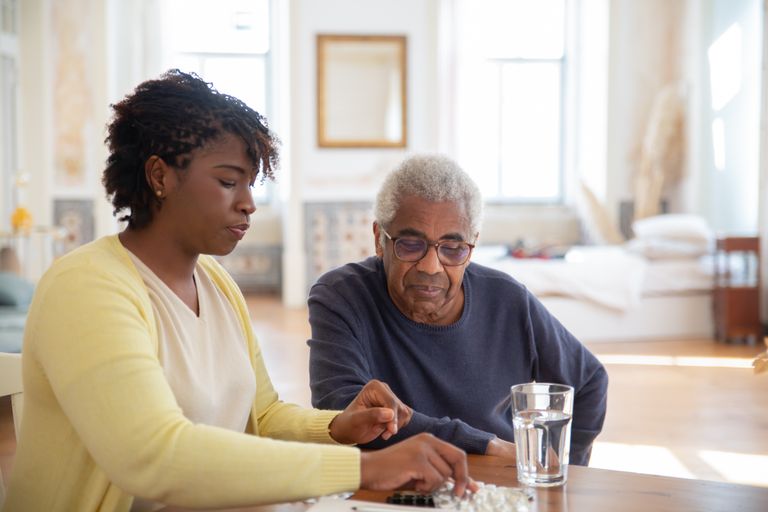
- Set up a weekly pill organizer
- Write out a simple schedule with names, doses, and times
- Ask the pharmacist about side effects and interactions
- Keep a current list in the wallet or on the fridge for emergencies
Gather Medical Supplies and Equipment
Depending on needs, you may need:
- A walker, cane, or wheelchair
- Shower chair or bedside commode
- Wound care supplies, if instructed by the care team
- A thermometer, blood pressure monitor, or glucose meter
- Incontinence supplies
- Oxygen or other home medical equipment arranged through the hospital or a supplier
Ask the discharge planner to help arrange or deliver equipment before your loved one comes home.
Set Up Support and Routines
Line Up Help for the First Days
The first few days at home are often the most vulnerable. Someone should be available around the clock or close by if possible, especially if your loved one is on strong pain medication or has limited mobility. Family, friends, and professional caregivers can share the load.
Create a Simple Schedule
A predictable routine for meals, medications, rest, and light activity helps recovery and reduces confusion.
Put Important Numbers in One Place
Keep phone numbers for the doctor, pharmacy, home care provider, and emergency contacts on the fridge or a bedside table.
Plan for Follow-Up Appointments
Schedule appointments, arrange transportation, and write down questions to ask at each visit.
The First Night Home: What to Expect
The first night can be emotional. Your loved one may be tired, sore, or a little disoriented in the familiar surroundings. Keep the evening quiet and simple:
- Offer a light meal and fluids
- Review the medication schedule
- Help them get comfortable and settled
- Keep the lights low and the path to the bathroom clear
- Stay close or have someone within hearing distance
- Know the doctor’s number and warning signs to watch for
It’s normal for everyone to feel a mix of relief and anxiety. Take it one step at a time.
Practical Tips for Families
- Don’t try to do everything alone, and ask friends and relatives for specific help
- Keep a notebook for questions, symptoms, and daily observations
- Encourage short, gentle movement as approved by the care team
- Watch for changes in alertness, appetite, mood, and mobility
- Let your loved one be involved in decisions about their own comfort and care
- Take care of yourself too, since caregiving can be tiring
How Blessed Hands Home Care Helps
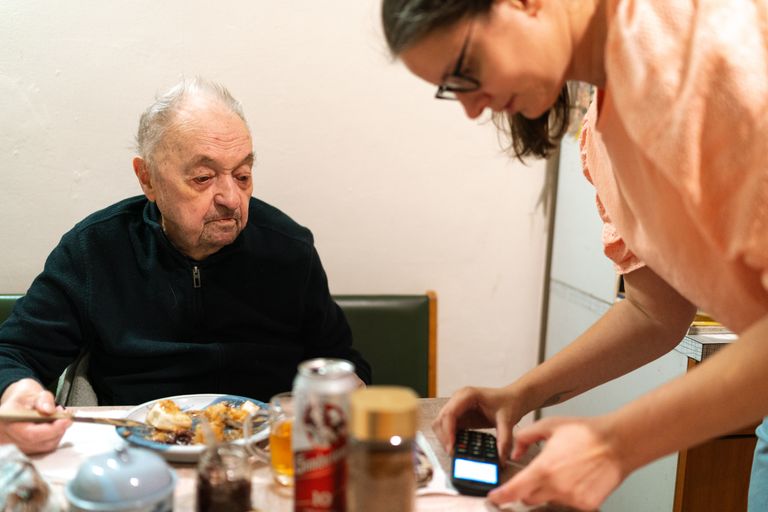
At Blessed Hands Home Care, we often meet with families before or right after discharge to help them think through what’s needed. We look at the layout of the home, the care plan, and the family’s availability, then build a flexible schedule of support that fits the situation.
Our caregivers help with personal care, meal preparation, mobility, light housekeeping, medication reminders, and transportation to appointments. They also keep an eye out for early warning signs and update families regularly so no one is left guessing.
The days after hospital discharge carry some of the highest risks for falls and setbacks, which we explored in How Home Care Supports Recovery After Illness or Hospitalization. Having steady, trained support in place from day one gives families confidence and gives seniors the best chance at a smooth recovery.
Frequently Asked Questions
How soon should home care start after hospital discharge?
Ideally, on the day of discharge or as soon as possible afterward, since the first days at home carry the highest risk of falls, medication mistakes, and complications.
Do we need a hospital bed at home?
Not always. It depends on mobility, the type of illness or surgery, and the doctor’s recommendations. Ask the discharge planner whether one would help.
What if the hospital discharges my parent sooner than I expected?
You can ask the care team about the plan, whether it’s safe, and what services can be arranged. Hospital social workers and discharge planners can help connect you with resources.
Can a caregiver help with medical equipment?
Caregivers can help clients use mobility equipment safely and provide standby support, but medical setup and training are usually done by the equipment provider or a nurse.
How do we avoid medication mistakes?
Compare the hospital list with the medications at home, use a pill organizer, keep a written schedule, and ask the pharmacist questions. Reminders from a caregiver can also help keep routines on track.
What if my loved one doesn’t want help at home?
Many seniors resist at first. Starting with a few hours of support, involving them in choices, and explaining that the goal is a safe recovery can help ease them into accepting it.
Key Takeaways
- Start planning while your loved one is still in the hospital, and ask detailed questions about discharge.
- Set up a safe recovery zone with clear walkways, good lighting, and comfortable furniture.
- Prepare the bathroom, kitchen, and bedroom, and organize medications and supplies ahead of time.
- Make sure help is in place for the first days, when risk is highest.
- Blessed Hands Home Care helps families prepare for and manage the transition from hospital to home.
Conclusion
Bringing a loved one home from the hospital is a moment of relief, and a moment of responsibility. With some thoughtful preparation, a safe and comfortable home, and dependable support, you can turn a stressful transition into a calm, confident start to recovery.
You don’t have to have everything perfect. A clear plan, a few key safety steps, and the right help go a long way.
Contact Blessed Hands Home Care Today
If a loved one is coming home from the hospital, Blessed Hands Home Care can help you prepare. Contact us today to talk about a care plan that supports a safe, comfortable recovery at home.