Why 24-Hour Home Care Is Essential for Seniors with Complex Needs
As seniors age, their care needs often become more complex and unpredictable. Conditions such as dementia, chronic illnesses, mobility limitations, and post-surgery recovery can make it difficult for families to provide adequate support around the clock. In these situations, 24-Hour Care becomes not just helpful, but essential.
Unlike part-time support, 24-Hour Home Care ensures that seniors receive continuous assistance, supervision, and emotional support throughout the day and night. This level of care is designed to prevent emergencies, improve safety, and enhance overall quality of life for individuals with high dependency needs.
For many families, the decision to transition into full-time care is emotional and challenging. However, understanding the benefits of Overnight Care and continuous supervision can help make this decision clearer and more reassuring.
This article explores why 24-hour home care is critical for seniors with complex needs and how it supports both physical health and emotional wellbeing.
Understanding 24-Hour Home Care
24-Hour Care refers to continuous caregiving services provided in a senior’s home, ensuring that assistance is available at all times—day and night. This care model is typically delivered by a team of professional caregivers who work in shifts to provide uninterrupted support.
The goal is to ensure safety, comfort, and immediate response to any situation that may arise, whether it is a medical emergency, mobility issue, or nighttime confusion.
Key Features of 24-Hour Care
- Continuous supervision and support
- Multiple caregivers working in shifts
- Assistance with daily living activities
- Immediate response to emergencies
- Emotional reassurance and companionship
This level of care is especially important for seniors who cannot be safely left alone for extended periods.
Why Seniors With Complex Needs Require Continuous Care
Seniors with complex health conditions often face unpredictable challenges that require immediate attention. These may include:
- Memory loss or dementia-related confusion
- Frequent falls or mobility issues
- Chronic illnesses such as diabetes or heart disease
- Recovery after surgery or hospitalization
- Severe arthritis or physical disability
In such cases, even short periods without supervision can lead to serious risks. Home Health Care combined with 24-hour support ensures that these risks are minimized through constant monitoring and timely intervention.
The Importance of Overnight Care
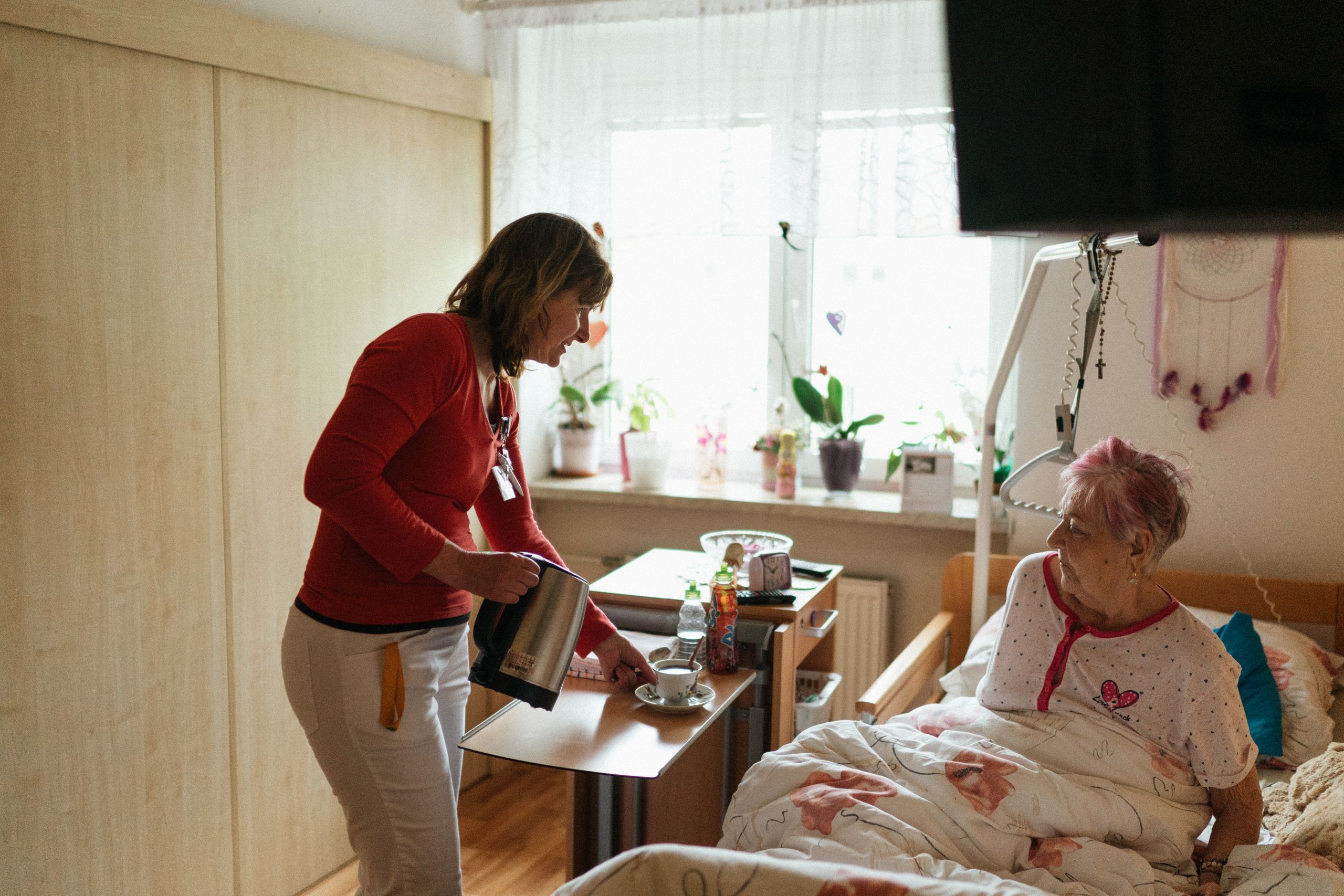
Many accidents and emergencies occur during the night when seniors are most vulnerable. Overnight Care provides peace of mind by ensuring that someone is always present to assist during these critical hours.
Common Nighttime Risks for Seniors
- Wandering due to dementia or confusion
- Falls when getting out of bed
- Medication-related complications
- Anxiety or restlessness
- Difficulty using the bathroom safely
Overnight caregivers help manage these risks by providing assistance with mobility, monitoring sleep patterns, and responding quickly to emergencies.
This ensures that seniors remain safe even during hours when family members are asleep.
Key Benefits of 24-Hour Home Care
1. Continuous Safety and Supervision
One of the most important benefits of 24-Hour Care is constant supervision. Seniors are never left alone, reducing the risk of accidents, falls, or unattended medical emergencies.
Caregivers are trained to identify risks early and take immediate action when needed.
2. Immediate Emergency Response
In emergency situations, every second matters. Whether it is a sudden illness, fall, or confusion episode, having a caregiver present ensures immediate response.
This rapid intervention can prevent complications and improve recovery outcomes.
3. Support for Complex Medical Conditions
Seniors with chronic illnesses often require frequent monitoring and assistance with daily routines. Home Health Care services within a 24-hour care model ensure that medication schedules are followed, symptoms are tracked, and health changes are reported promptly.
This reduces hospital visits and supports better long-term health management.
4. Reduced Family Stress and Burnout
Caring for a loved one with complex needs can be physically and emotionally exhausting for families. 24-Hour Care relieves this burden by ensuring professional caregivers handle daily responsibilities.
This allows family members to focus on emotional connection rather than constant caregiving duties.
5. Improved Emotional Wellbeing
Loneliness and anxiety are common among seniors who require high levels of care. Having a caregiver present at all times provides emotional reassurance and companionship.
This reduces fear, especially during nighttime hours when seniors may feel most vulnerable.
6. Better Sleep Quality
Many seniors experience sleep disturbances due to discomfort, anxiety, or medical conditions. With Overnight Care, caregivers can assist with repositioning, bathroom visits, and calming support during the night.
This helps improve sleep quality, which is essential for overall health and recovery.
7. Personalized and Consistent Care
24-hour care is tailored to the individual’s needs. Caregivers follow structured care plans that adapt as health conditions change.
This ensures consistency in care delivery, which is especially important for seniors with cognitive decline or chronic illnesses.
Home Health Care and Its Role in 24-Hour Support
Home Health Care often works alongside 24-hour caregiving services to provide a more comprehensive care solution. While home health care includes medical support such as wound care, therapy, and clinical monitoring, 24-hour caregivers ensure that daily living needs and safety are continuously managed.
Together, they create a complete support system that addresses both medical and non-medical needs within the comfort of the home.
Who Needs 24-Hour Home Care?
Not all seniors require round-the-clock care, but it becomes essential in certain situations.
Seniors who may need 24-hour care include:
- Individuals with advanced dementia or Alzheimer’s
- Seniors recovering from major surgery or hospitalization
- Those with severe mobility limitations
- Individuals with frequent nighttime confusion or wandering
- Seniors with complex chronic health conditions
In these cases, continuous care ensures safety, stability, and improved quality of life.
Emotional Impact on Families
Families often experience emotional relief when they choose 24-Hour Care for their loved ones. Instead of constantly worrying about safety or emergencies, they gain peace of mind knowing trained professionals are always present.
This allows families to focus on meaningful moments rather than caregiving stress. It also strengthens relationships by reducing caregiver fatigue and emotional strain.
Challenges Without 24-Hour Care
Without continuous support, seniors with complex needs may face serious risks, including:
- Increased risk of falls and injuries
- Missed medications or improper dosing
- Delayed response to emergencies
- Emotional isolation and anxiety
- Caregiver burnout within families
These challenges highlight why 24-hour care is not just a convenience but a necessity for many households.
Choosing the Right Care Provider
Selecting a trusted care provider is essential for ensuring quality support. Families should look for:
- Experienced and trained caregivers
- Flexible care plans
- Strong communication with families
- Reliable overnight supervision services
- Compassionate and patient care approach
A good provider ensures both safety and emotional wellbeing.
How Blessed Hands Home Care Supports Families
For families seeking reliable solutions, Blessed Hands Home Care offer compassionate and personalized services that make aging at home both safe and fulfilling. Their approach to 24-Hour Care, Overnight Care, and Home Health Care ensures that seniors with complex needs receive continuous support, dignity, and comfort in the place they call home.
Conclusion
24-Hour Home Care plays a vital role in supporting seniors with complex health and daily living needs. By providing continuous supervision, immediate emergency response, and emotional support, it ensures safety and stability at all times.
When combined with Overnight Care and Home Health Care, it creates a comprehensive care system that addresses both physical and emotional wellbeing.
For families, it offers peace of mind and relief from caregiving stress. For seniors, it ensures dignity, comfort, and a better quality of life.
Choosing 24-hour care is ultimately about ensuring that loved ones are never alone when they need support the most.
FAQs
1. What is 24-hour home care?
It is continuous caregiving provided day and night by professional caregivers working in shifts.
2. How is overnight care different from 24-hour care?
Overnight care focuses specifically on nighttime supervision, while 24-hour care provides full-day support.
3. Who needs 24-hour home care?
Seniors with dementia, mobility issues, chronic illness, or high fall risk often require it.
4. Does 24-hour care include medical services?
It may include coordination with home health care professionals for medical needs.
5. Is 24-hour care better than assisted living?
It depends on individual needs, but many families prefer it for personalized, home-based support.