Post-Surgery Home Care for Seniors: Support During Recovery
Surgery is a big event at any age, but for older adults, the real work often begins after the operation. The surgeon’s job may be done in a few hours. Recovery, though, takes days, weeks, or even months, and most of it happens at home, where there are no nurses down the hall and no call button by the bed.
Families often assume that once the surgery goes well, the hard part is over. Then the discharge papers come, the pain medications get filled, and everyone realizes how many questions are still unanswered. Who will help with bathing while the incision heals? Who will cook, clean, and drive to follow-up visits? Who will notice if something doesn’t look right?
Older adults face particular challenges after surgery. Healing can be slower, strength and balance may be reduced after time in bed, and anesthesia and pain medication can cause grogginess or confusion. Appetite may drop, constipation is common, and the risk of falls rises just when movement is limited. Without support, a small setback can turn into a readmission.
The encouraging news is that thoughtful preparation and the right help at home can make recovery safer and much less stressful. At Blessed Hands Home Care, we work with seniors and their families before and after surgery, and we’ve seen how much smoother recovery goes when the plan is in place early. In this article, we’ll walk through how to prepare, what the first weeks at home look like, and how a caregiver can help.
Why Recovery at Home Can Be Challenging for Seniors
Slower Healing
Older bodies often take longer to recover from surgery, and wounds may heal more slowly.
Reduced Strength and Balance
Time in bed and reduced activity lead to muscle loss. Weakness combined with pain medication raises the risk of falls.
Pain and Medication Effects
Pain medications can cause drowsiness, dizziness, constipation, and confusion, especially in older adults, and managing multiple prescriptions at once can be overwhelming.
Temporary Confusion
Some seniors experience short-term confusion or disorientation after surgery or anesthesia, which can be frightening for families.
Limited Mobility and Restrictions
Surgeons may restrict lifting, bending, driving, or putting weight on a limb, making everyday tasks much harder.
Emotional Strain
Worry, frustration, and low mood are common during recovery, particularly when independence is temporarily lost.
Preparing for Surgery Recovery Before the Operation
The best recovery plans start before surgery day. If the procedure is scheduled, there’s time to get ready.
- Set up the main living space on one floor if possible, with the bed, bathroom, and kitchen easy to reach
- Clear walkways and remove loose rugs and clutter
- Stock the pantry and freezer with easy, nutritious meals
- Prepare a medication list with names, doses, and schedules, and bring it to appointments
- Arrange transportation home from the hospital and to follow-up visits
- Install safety equipment, such as a shower chair, grab bars, or a raised toilet seat, if advised
- Ask the surgical team about expected restrictions, equipment needs, and what recovery will look like
- Line up help for the first days and weeks, including family, friends, and professional caregivers
If you’re looking for ways to make the home safer before a loved one returns, our guide to Simple Ways to Make a Home More Accessible for Seniors and People with Disabilities is a helpful place to start.
What Recovery at Home Typically Involves
Every surgery and every person is different, so always follow your loved one’s surgeon and care team. In general, recovery at home often includes the following.
The First Few Days
Rest is the priority, along with pain management, gradual movement as advised, and careful attention to the incision site. Fatigue is normal, and appetite may be low.
The First Few Weeks
Strength slowly returns. Many seniors begin gentle walking or prescribed exercises, attend follow-up appointments, and slowly resume light daily tasks. Restrictions are often gradually lifted by the surgeon.
Longer-Term Recovery
For major procedures, such as joint replacements or cardiac surgery, full recovery may take months, often with physical therapy.
How Caregivers Support Post-Surgery Recovery
Personal Care and Mobility
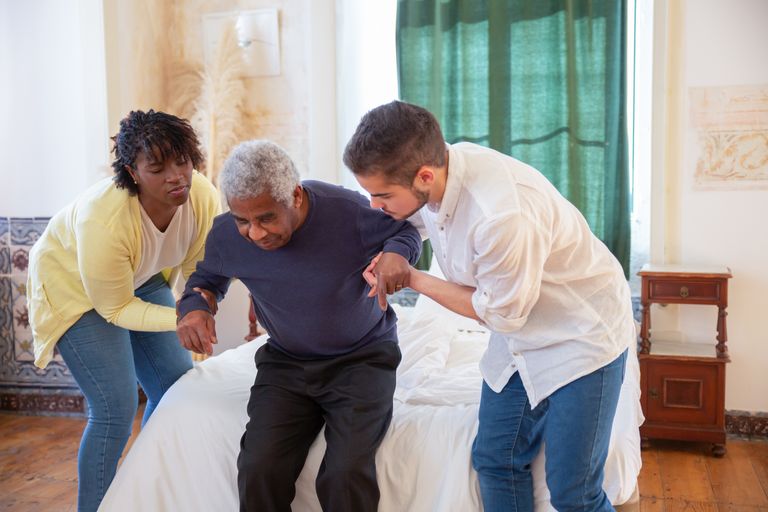
Bathing, dressing, and moving around can be challenging with an incision, restrictions, or weakness. Caregivers provide steady support, helping with transfers, walking, and personal hygiene while following the surgeon’s precautions.
Fall Prevention
Weakness, pain medication, and unfamiliar equipment can raise fall risk. Caregivers keep walkways clear, provide a steady arm, and stay alert to dizziness.
Medication Reminders
Managing new prescriptions, pain relievers, and schedule changes is one of the biggest challenges after surgery. Caregivers offer timely reminders so doses aren’t missed or doubled. They don’t make medical decisions, but they help keep routines on track, as we explained in Medication Reminders for Seniors: How Caregivers Support Safer Daily Routines.
Nutrition and Hydration
The body needs protein, fluids, and nutrients to heal. Caregivers prepare simple, nourishing meals and encourage drinking enough fluids, within any medical guidance.
Watching for Warning Signs
Caregivers spend steady time with clients and may notice early signs of trouble, such as worsening pain, redness or swelling at the incision, fever, new confusion, or unusual sleepiness. They share these observations with families so a doctor can be contacted promptly.
Transportation and Appointments
Follow-up visits are essential. Caregivers can help with scheduling, reminders, and rides.
Light Housekeeping and Meals
Laundry, dishes, and basic cleaning can be difficult during recovery. Caregivers handle these tasks so seniors can focus on healing.
Companionship and Encouragement
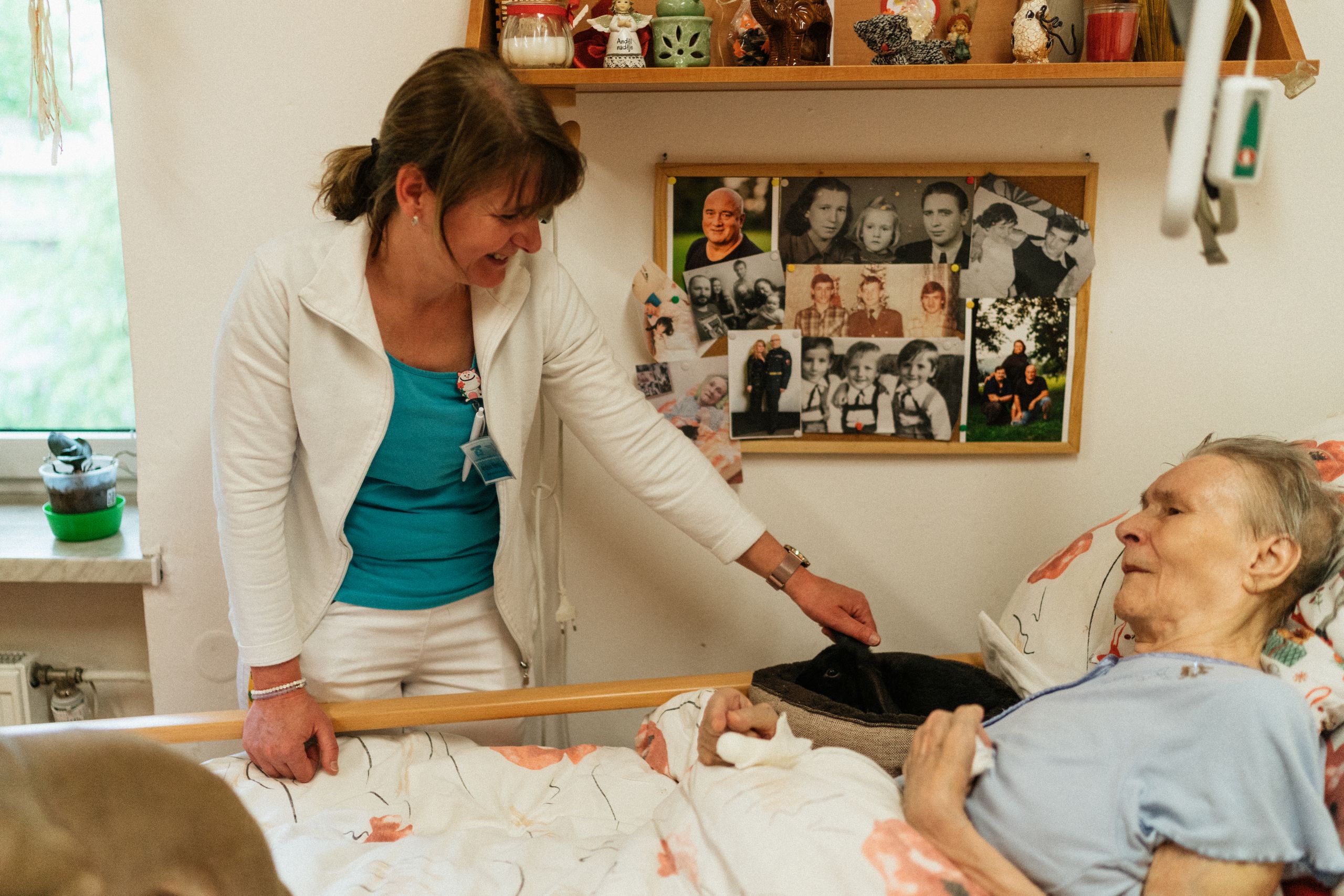
Recovery can be slow and discouraging. A friendly, patient presence helps seniors stay positive and motivated.
Warning Signs That Need Medical Attention
Contact the surgeon or seek urgent care if you notice:
- Fever or chills
- Increasing redness, swelling, warmth, or drainage at the incision
- Pain that is worsening or not controlled by prescribed medication
- Shortness of breath or chest pain (call emergency services immediately)
- Swelling, pain, or warmth in one leg
- Persistent nausea or vomiting
- Sudden or worsening confusion
- No bowel movement for several days, or inability to urinate
If something seems wrong, it’s always better to call than to wait.
Practical Tips for Families
- Keep discharge instructions, medication lists, and the surgeon’s phone number in an easy-to-find spot
- Ask about restrictions on lifting, bending, driving, and bathing
- Encourage gentle movement as approved, since it supports healing
- Keep nutritious, easy-to-eat foods on hand
- Watch for changes in mood, appetite, and alertness
- Ask for help early, rather than waiting until the caregiver at home is exhausted
How Blessed Hands Home Care Helps
At Blessed Hands Home Care, we support clients through the transition from hospital to home with patience and consistency. Where possible, we meet with families before discharge or surgery to understand the care plan, restrictions, and preferences, and we build support around what the medical team recommends.
Our caregivers help with personal care, meals, mobility, medication reminders, and light housekeeping, while watching closely for changes and keeping families informed. We encourage clients to do what they safely can, so recovery builds independence instead of reducing it.
Many of the same principles apply to recovery after any hospital stay, which we covered in How Home Care Supports Recovery After Illness or Hospitalization, and our team applies that same steady, attentive approach to every post-surgery client.
Frequently Asked Questions
How long will my parent need help after surgery?
It depends on the type of surgery and their overall health. Some seniors need help for a few weeks, while others benefit from support for several months. The surgical team can offer guidance.
Can a caregiver help with wound care?
Non-medical caregivers can help keep the area clean and watch for warning signs, but dressing changes and medical wound care may need to be handled by a nurse or family member trained by the care team.
Should someone stay with my parent after they come home?
For the first days, it’s often recommended that someone be available around the clock or at least nearby, particularly if they’re on strong pain medication or have limited mobility.
What if my parent seems confused after surgery?
Mild confusion can happen after anesthesia or with certain medications, but it should always be reported to the doctor, especially if it appears suddenly or worsens.
How can I help prevent falls during recovery?
Clear walkways, ensure good lighting, use recommended equipment, provide standby assistance when walking, and be mindful of medication side effects like dizziness.
When should we arrange home care?
Ideally, before discharge, so help is in place from the first day home. It’s easier to plan ahead than to scramble in the middle of recovery.
Key Takeaways
- Recovery after surgery takes place mostly at home and often takes longer for older adults.
- Preparing the home, medications, meals, and transportation before surgery makes recovery smoother.
- Caregivers support mobility, personal care, nutrition, medication routines, and early detection of warning signs.
- Know when to call the doctor or seek urgent care.
- Blessed Hands Home Care provides steady, individualized support from the day of discharge onward.
Conclusion
Surgery doesn’t end when the operation does. Healing continues at home, and the quality of support during those weeks can shape how safe, comfortable, and complete recovery feels. With a clear plan, a prepared home, and dependable help, seniors can heal with confidence and families can rest easier.
You don’t need to figure it all out alone. Planning early and asking for support is one of the best things you can do for a loved one’s recovery.
Contact Blessed Hands Home Care Today
If a loved one has surgery coming up or has just come home, Blessed Hands Home Care can help. Contact us today to talk about a recovery care plan that supports healing, safety, and peace of mind.