
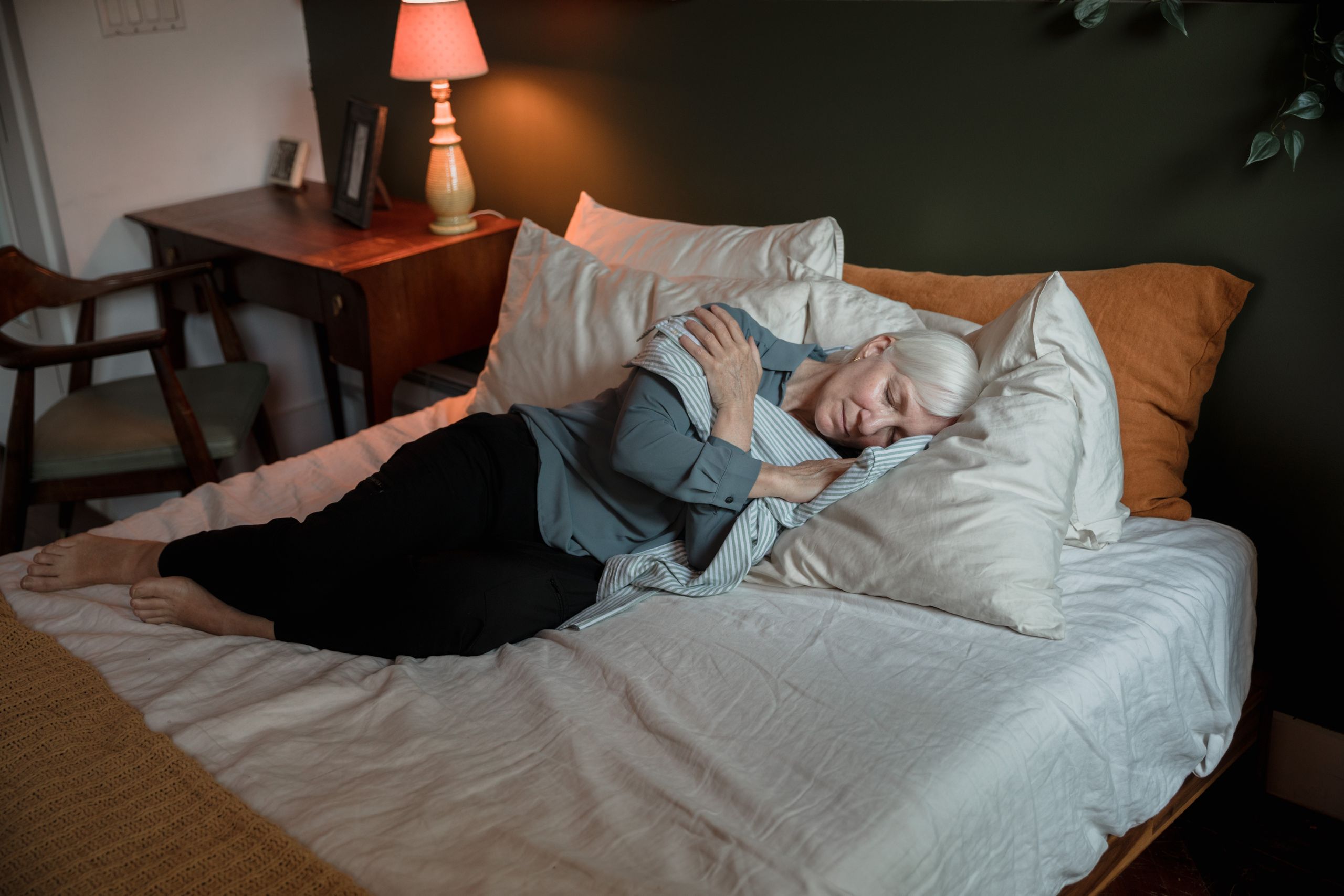
Sleep Tips for Seniors: Creating a Healthy Bedtime Routine at Home
Ask a group of older adults how they slept last night, and you’ll likely hear a familiar mix of answers. Woke up three times. Couldn’t fall asleep until after midnight. Up at five and couldn’t get back to sleep. Napped too long in the afternoon, so now it’s eleven and wide awake.
Sleep changes with age, and many of those changes are normal. Older adults often spend less time in deep sleep, wake more easily, and feel sleepy earlier in the evening. But “normal” doesn’t mean “nothing can be done.” Persistent poor sleep affects far more than mood. It can worsen memory, balance, pain sensitivity, and appetite, and it raises the risk of falls, especially during groggy nighttime bathroom trips.
For families, sleep problems can be hard to spot. A parent may not mention it, or may brush it off as just part of getting older. But fatigue, irritability, confusion in the afternoon, or a sudden dependence on naps can all signal that nights aren’t restful.
The good news is that small, consistent changes to the bedtime routine and sleep environment often make a real difference. At Blessed Hands Home Care, we help clients build evening routines that feel calm, safe, and personal. In this article, we’ll look at why sleep changes with age, the habits that help, and how to create a bedtime routine that works.
Why Sleep Changes as We Age
Shifts in the Body’s Internal Clock
Many older adults feel sleepy earlier in the evening and wake earlier in the morning. This natural shift can clash with a household schedule or lead to frustration if someone tries to stay up later than their body wants.
Lighter, More Fragmented Sleep
With age, sleep tends to become lighter, and nighttime awakenings become more common. Noises, discomfort, or a need to use the bathroom can interrupt rest.
Health Conditions and Pain
Arthritis, heart or lung conditions, acid reflux, and chronic pain can all make it harder to get comfortable or stay asleep.
Medication Effects
Some prescriptions can cause drowsiness during the day, restlessness at night, or frequent urination. Timing and combinations matter, which is worth discussing with a doctor or pharmacist.
Less Daylight and Activity
Spending more time indoors and being less physically active can weaken the signals that help the body know when to sleep and when to be awake.
Emotional Factors
Worry, grief, loneliness, or depression often show up first as trouble sleeping. Evening can be a particularly hard time, when the house is quiet and thoughts get louder.
Why Good Sleep Matters So Much
Better sleep supports nearly everything seniors care about:
- Safety. Rested people are steadier on their feet and less prone to nighttime falls.
- Memory and focus. Sleep helps the brain sort and store information.
- Mood. Poor sleep is closely linked to irritability, anxiety, and low mood.
- Physical health. Sleep supports immune function, blood pressure, and healing.
- Independence. When rested, seniors are more energetic and more willing to stay active.
Building a Healthy Bedtime Routine
A bedtime routine tells the body that the day is winding down. It doesn’t have to be elaborate. It just has to be consistent.
Keep a Regular Schedule
Going to bed and waking up at roughly the same time every day, including weekends, helps regulate the body’s internal clock.
Create a Wind-Down Period
Set aside 30 to 60 minutes before bed for calming activities, such as reading, listening to soft music, gentle stretching, or a warm cup of decaffeinated tea. Dim the lights and turn off loud television.
Limit Late-Day Stimulants
Caffeine can linger for hours, so it’s best to avoid coffee, strong tea, and cola after early afternoon. Large meals, alcohol, and heavy snacks close to bedtime can also disrupt sleep.
Watch Fluids in the Evening
Drinking enough water during the day is important, but tapering off in the last couple of hours before bed can reduce nighttime bathroom trips.
Be Careful with Naps
A short nap early in the afternoon can be refreshing. Long or late naps often make it harder to fall asleep at night.
Get Daylight and Movement
Morning or early-afternoon light, a short walk, or light activity helps set the body’s rhythm and promotes better sleep at night.
Setting Up a Sleep-Friendly Bedroom
The bedroom environment has a bigger effect than many people realize.
- Comfortable temperature. A slightly cool room is usually best for sleep.
- Darkness and quiet. Blackout curtains, a sleep mask, or a white noise machine can help.
- Supportive bedding. A mattress and pillows that suit the person’s comfort and pain needs matter.
- A clutter-free path. Clear walkways between the bed and bathroom.
- Soft lighting. Nightlights along the path to the bathroom provide safety without fully waking the senses.
- Essentials within reach. A lamp, glasses, phone, and water within arm’s length reduce unnecessary movement.
Nighttime safety deserves special attention. Dim, cluttered paths and groggy bathroom trips are a common cause of falls. Our guide to Home Safety Tips for Seniors to Prevent Falls covers lighting, clutter, and other simple fixes that make the bedroom and hallways safer after dark.
When Sleep Problems May Need Medical Attention
Occasional restless nights are common. But talk with a doctor if you notice:
- Trouble sleeping that lasts more than a few weeks
- Loud snoring, gasping, or pauses in breathing (possible signs of sleep apnea)
- An uncontrollable urge to move the legs at night
- Acting out dreams, or significant confusion at night
- Heavy daytime sleepiness despite a full night in bed
- Sleep problems that began after a new medication
Sleep aids, including over-the-counter ones, should only be used after talking with a doctor or pharmacist, since they can cause grogginess, confusion, and fall risk in older adults.
Practical Tips for Families
- Ask your loved one how they’re sleeping, and listen for specifics
- Help establish a consistent evening routine rather than changing everything at once
- Check the bedroom for lighting, temperature, and trip hazards
- Encourage daytime activity and time outdoors
- Keep a simple sleep log for a week to share with a doctor if needed
- Be patient, since new habits take a few weeks to settle in
How Blessed Hands Home Care Helps
At Blessed Hands Home Care, evening routines are as important as morning ones. For many clients, the hours before bed are when anxiety, loneliness, and fatigue peak, and when risk of falls is highest. Our caregivers help create a calm, predictable wind-down: preparing a light snack, helping with evening hygiene and changing into nightclothes, making sure the bedroom is safe, and keeping the atmosphere unhurried and warm.
We also pay attention to patterns. If a client is repeatedly restless, tired in the daytime, or confused at night, we share those observations with the family so they can raise it with a physician. Because routine is so central to good sleep, we work to keep visits consistent and aligned with each client’s preferences.
Good nights and good mornings go together. A calm evening makes the next day easier, which we explored in Morning Routines for Seniors: How Home Care Can Make Each Day Easier, where a predictable start to the day helped seniors feel steadier and more energized.
Frequently Asked Questions
How much sleep do seniors need?
Most older adults do best with about seven to nine hours of sleep, though needs vary. How rested someone feels during the day is often a better guide than the exact number of hours.
Is it normal for seniors to wake up several times at night?
Occasional awakenings are common with age. Frequent or prolonged awakenings, especially if they cause daytime exhaustion, are worth discussing with a doctor.
Are naps bad for seniors?
Not necessarily. A short nap early in the afternoon can be helpful, but long or late naps often interfere with nighttime sleep.
Can a caregiver help with bedtime routines?
Yes. Caregivers can help with evening hygiene, a light snack, getting comfortable, and making sure the bedroom is safe, all in a calm and unhurried way.
What if my parent is up and wandering at night?
Nighttime wandering can be a sign of confusion, discomfort, or other health issues. Share what you see with their doctor, and make sure the home is well lit and free of hazards.
Should seniors take sleeping pills?
Sleep medications carry real risks for older adults, including falls and confusion. They should only be used under a doctor’s guidance, and non-medication approaches are usually tried first.
Key Takeaways
- Sleep naturally changes with age, but persistent poor sleep isn’t something to simply accept.
- A consistent bedtime routine, daylight, movement, and limited late stimulants all help.
- A dark, quiet, comfortable, and hazard-free bedroom supports safer, better rest.
- Ongoing sleep problems, loud snoring, or nighttime confusion deserve a conversation with a doctor.
- Blessed Hands Home Care helps clients build calm evening routines and shares observations with families.
Conclusion
Good sleep isn’t a luxury at any age. It supports safety, memory, mood, and independence. With a steady routine, a comfortable and safe bedroom, and a bit of support at the end of the day, many seniors find that nights become calmer and days become brighter.
Small changes, practiced consistently, often make the biggest difference. If sleep continues to be a struggle, don’t hesitate to bring it up with a doctor, and know that you don’t have to manage it alone.
Contact Blessed Hands Home Care Today
If bedtime has become difficult for your loved one, Blessed Hands Home Care can help. Contact us today to talk about how our caregivers can support a calm, safe evening routine at home.