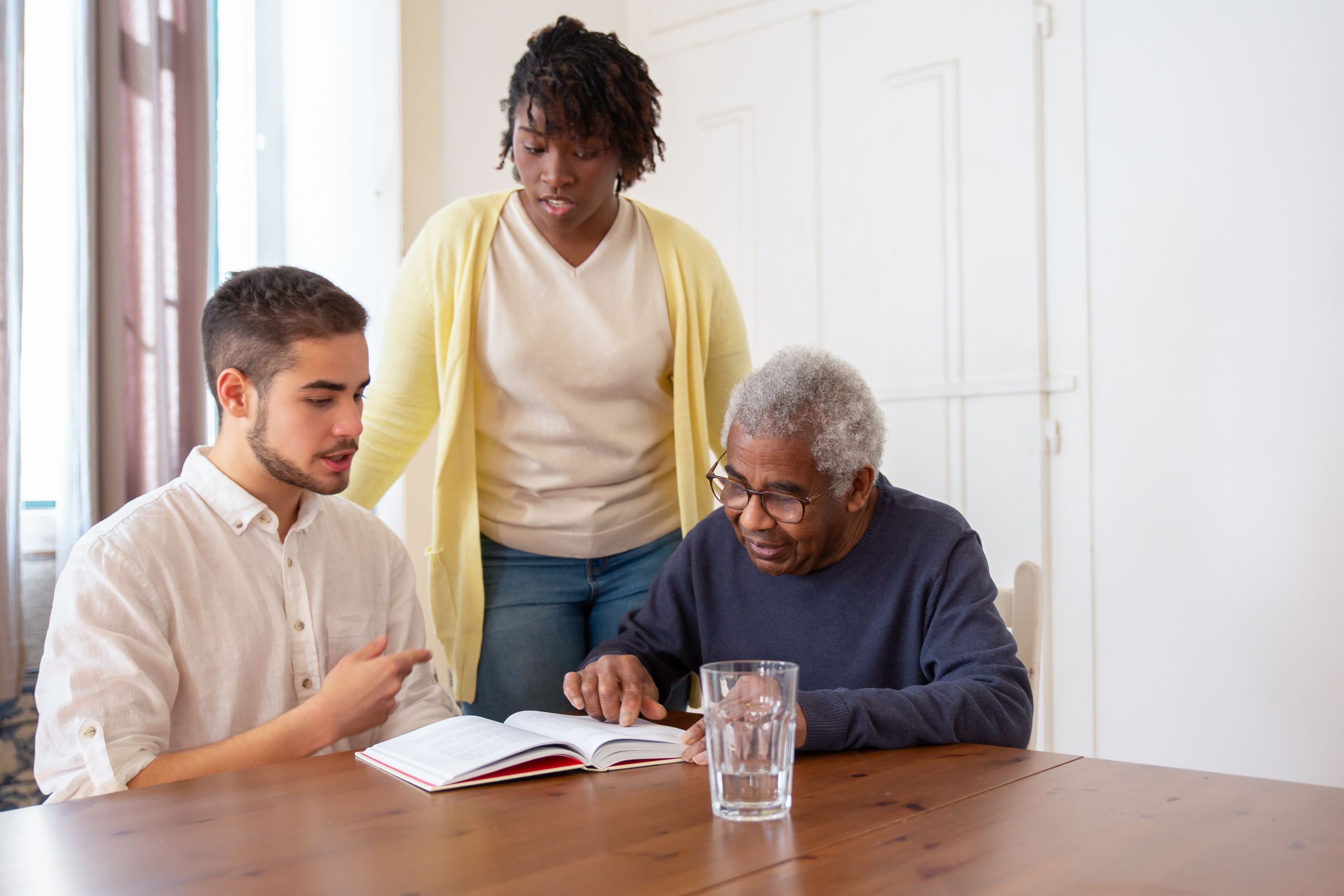
The Benefits of Family Involvement in Home Care
When a loved one begins receiving home care, families often wonder what their role should be. Some worry they need to step back and let professional caregivers take over, while others try to manage everything themselves. In reality, the most successful home care happens when families and caregivers work together as partners.
Professional caregivers bring experience, training, and compassionate support, while family members contribute something equally valuable—a deep understanding of their loved one’s personality, history, preferences, routines, and life experiences.
Together, this partnership creates personalized care that supports not only physical health but also emotional well-being, independence, and happiness.
For seniors, adults with disabilities, and individuals recovering from illness, knowing that both family members and caregivers are working together provides reassurance, comfort, and confidence.
At Blessed Hands Home Care, we believe families are an essential part of the care journey. By maintaining open communication, encouraging collaboration, and respecting each person’s role, we help create a supportive environment where clients can continue living safely, comfortably, and with dignity in the place they call home.
Why Family Involvement Matters
Family plays an important role in every stage of life.
Even when professional caregivers provide daily assistance, loved ones continue to offer emotional support, encouragement, companionship, and a strong sense of belonging.
When families stay actively involved, clients often experience:
- Greater emotional well-being
- Increased confidence
- More personalized care
- Better communication
- Stronger relationships
- Greater peace of mind
- Improved quality of life
- Continued connection with loved ones
Home care works best when everyone shares the same goal of helping the client live as independently and comfortably as possible.
Professional Care and Family Care Work Together
Choosing professional home care does not replace the love and support families provide.
Instead, it strengthens it.
Professional caregivers assist with daily activities such as:
- Personal care
- Meal preparation
- Medication reminders
- Light housekeeping
- Mobility assistance
- Transportation
- Companionship
Meanwhile, family members continue providing:
- Emotional support
- Personal encouragement
- Family traditions
- Shared memories
- Decision-making support
- Social connection
- Love and reassurance
Together, these roles create a balanced approach that benefits everyone involved.
Strong Relationships Lead to Better Care
Trust is built through teamwork.
As we discussed in Compassionate Home Care That Feels Like Family, meaningful relationships between caregivers, clients, and family members create an environment where individuals feel respected, understood, and supported. When caregivers and families communicate openly and work toward the same goals, clients receive more consistent, personalized, and compassionate care.
The strongest care plans are built on relationships, not routines alone.
Supporting Families Through Every Stage of Care
Every family’s caregiving journey is unique.
Needs change over time, whether a loved one requires occasional companionship, assistance after surgery, long-term personal care, or ongoing support for a disability.
Understanding how care evolves helps families prepare for each stage with confidence.
If you’d like to learn more about this journey, our article How Blessed Hands Home Care Supports Families Through Every Stage of Aging explains how personalized home care adapts to changing needs while helping seniors remain safe, independent, and connected to the people they love.
With the right support, families never have to navigate caregiving alone.
8 Benefits of Family Involvement in Home Care
1. Creates More Personalized Care
Family members know their loved ones better than anyone else.
They understand personal routines, favorite meals, hobbies, cultural traditions, religious practices, and the little details that make someone feel comfortable and secure.
Sharing this information with caregivers helps create care that reflects the client’s personality rather than following a one-size-fits-all approach.
Personalized care may include:
- Preparing favorite recipes.
- Maintaining familiar routines.
- Supporting cherished hobbies.
- Respecting cultural traditions.
- Celebrating important holidays.
- Honoring personal preferences.
These thoughtful details help clients feel truly at home while strengthening trust between families and caregivers.
2. Improves Communication
Good communication is the foundation of excellent home care.
When families and caregivers communicate regularly, everyone stays informed about changing needs, health updates, appointments, medications, and daily routines.
Open communication helps:
- Prevent misunderstandings.
- Address concerns early.
- Adjust care plans when needed.
- Improve safety.
- Build trust.
- Keep everyone working toward the same goals.
Regular conversations create confidence for both caregivers and family members while ensuring clients receive consistent, high-quality care.
3. Provides Emotional Support
Professional caregivers provide valuable companionship, but family relationships remain irreplaceable.
Regular visits, phone calls, video chats, shared meals, and family celebrations remind seniors and adults with disabilities that they continue to be loved and appreciated.
Emotional support helps reduce feelings of loneliness while encouraging optimism, confidence, and resilience.
Simple acts such as listening to stories, looking through family photo albums, or enjoying favorite traditions together often become some of the most meaningful moments in a person’s day.
4. Encourages Independence
Families sometimes believe helping means doing everything for their loved one.
In reality, encouraging safe participation in everyday activities often promotes greater confidence and independence.
Working together with professional caregivers, families can encourage loved ones to:
- Make daily choices.
- Participate in household tasks.
- Continue favorite hobbies.
- Prepare simple meals.
- Attend community events.
- Practice daily living skills.
Supporting independence while offering assistance when needed helps individuals maintain dignity and continue living active, meaningful lives.
5. Reduces Stress for Family Caregivers
Caring for a loved one is rewarding, but it can also be physically and emotionally demanding.
Many family caregivers balance caregiving with work, raising children, managing households, and other personal responsibilities.
Professional home care provides much-needed support by sharing caregiving responsibilities, allowing family members to focus on spending quality time with their loved one instead of feeling overwhelmed by daily tasks.
This support can help reduce:
- Caregiver burnout
- Physical exhaustion
- Emotional stress
- Anxiety
- Feelings of isolation
- Scheduling challenges
When families receive the help they need, they are better able to care for themselves while continuing to provide love and encouragement to their loved ones.
Healthy caregivers are better equipped to provide meaningful support.
6. Helps Maintain Family Traditions
Family traditions create a sense of identity, comfort, and belonging.
Whether it’s Sunday dinners, birthday celebrations, holiday gatherings, attending church together, or preparing favorite family recipes, these traditions strengthen emotional connections and create lasting memories.
Professional caregivers can help clients continue participating in these meaningful moments by providing assistance with:
- Transportation
- Meal preparation
- Personal care before outings
- Mobility support
- Holiday preparations
- Family celebrations
Maintaining traditions reminds seniors and adults with disabilities that they remain an important part of family life.
These shared experiences often become some of the most treasured memories for everyone involved.
7. Promotes Better Decision-Making
Important decisions are easier when families and caregivers communicate openly.
By sharing observations, discussing changes, and planning together, everyone can make informed decisions that reflect the client’s wishes and best interests.
Collaboration may involve conversations about:
- Changes in daily routines
- Health concerns
- Safety needs
- Personal preferences
- Community involvement
- Care plan adjustments
- Long-term goals
When everyone works together, decisions become more thoughtful, consistent, and centered around the individual’s needs.
Person-centered care always begins with listening.
8. Provides Greater Peace of Mind
One of the greatest benefits of professional home care is the reassurance it provides to families.
Knowing a trusted caregiver is supporting a loved one brings comfort, especially when family members cannot be there throughout the day.
Families gain peace of mind knowing their loved one is receiving compassionate assistance with daily activities while remaining safe, comfortable, and engaged at home.
This confidence allows family members to enjoy their time together without constantly worrying about caregiving responsibilities.
Instead of focusing on tasks, they can focus on making meaningful memories.
How Families Can Build Strong Partnerships with Caregivers
Successful home care is built on teamwork and mutual respect.
Families can strengthen their partnership with caregivers by:
- Sharing personal preferences and routines.
- Communicating openly and honestly.
- Providing updates about changing needs.
- Respecting the caregiver’s professional experience.
- Asking questions whenever concerns arise.
- Celebrating progress together.
- Encouraging consistency in daily routines.
- Expressing appreciation for caregivers’ efforts.
Strong partnerships create a positive care experience that benefits everyone—especially the client.
Common Mistakes Families Should Avoid
Families naturally want the very best for their loved ones, but certain habits can unintentionally create challenges.
Try to avoid:
- Waiting too long before seeking help.
- Keeping important information from caregivers.
- Expecting caregivers to read minds instead of communicating openly.
- Taking over every task instead of encouraging independence.
- Ignoring the importance of self-care.
- Failing to update caregivers about changes in health or routines.
- Treating caregivers as outsiders rather than trusted partners.
Working together with respect and open communication creates the strongest foundation for exceptional care.
Why Families Trust Blessed Hands Home Care
At Blessed Hands Home Care, we believe families are essential members of every care team.
Our caregivers work closely with clients and their loved ones to develop personalized care plans that reflect each individual’s needs, goals, routines, cultural values, and personal preferences.
We encourage open communication, mutual respect, and ongoing collaboration because we know that the best outcomes happen when families and caregivers work together.
Whether providing companionship, personal care, meal preparation, transportation, or daily living assistance, our caregivers strive to support not only the client but the entire family.
By combining compassionate care with strong family partnerships, we help seniors and adults with disabilities continue living safely, confidently, and independently in the comfort of home.
Frequently Asked Questions
Why is family involvement important in home care?
Family involvement helps create more personalized care, strengthens emotional support, improves communication, encourages independence, and ensures care reflects the individual’s preferences, values, and goals.
How can families work effectively with professional caregivers?
Families can build strong partnerships by communicating openly, sharing important information, respecting the caregiver’s expertise, participating in care planning, and working together to support the client’s well-being.
Does hiring home care replace family involvement?
No. Professional home care complements family caregiving rather than replacing it. Caregivers provide professional support while family members continue offering love, companionship, encouragement, and emotional connection.
How does family involvement improve quality of life?
Regular family interaction helps reduce loneliness, improve emotional well-being, strengthen relationships, maintain traditions, and provide seniors with a greater sense of belonging and purpose.
How does Blessed Hands Home Care involve families?
Blessed Hands Home Care values family partnerships by maintaining open communication, creating personalized care plans, encouraging collaboration, and ensuring loved ones remain actively involved throughout every stage of care.
Working Together Creates Better Care
The most successful home care is never the result of one person working alone. It is built on the combined efforts of compassionate caregivers, supportive family members, and clients who remain at the center of every decision. When everyone works together with respect, communication, and shared goals, seniors and adults with disabilities receive care that nurtures not only their physical needs but also their emotional well-being, independence, and sense of belonging.
At Blessed Hands Home Care, we are proud to partner with families to provide personalized care that strengthens relationships and improves quality of life. By combining professional expertise with the love and support of family, we help our clients continue living safely, confidently, and comfortably in the place they know best—home.
Because the best care happens when families and caregivers work together.
Contact Blessed Hands Home Care Today
If you’re looking for compassionate home care that values family involvement and personalized support, contact Blessed Hands Home Care today. Our experienced caregivers work alongside families to provide trusted in-home care that promotes independence, dignity, and peace of mind for seniors and adults with disabilities every step of the way.