Maintaining Senior Independence Through Compassionate Home Care
Introduction
Aging is a natural part of life, but it does not automatically mean losing independence. For many older adults, the ability to make their own choices, live in familiar surroundings, and maintain daily routines is deeply tied to dignity and emotional wellbeing. The challenge for families is finding the right balance between providing support and preserving autonomy.
This is where Compassionate Care within Home Care Services plays a powerful role. Instead of taking control away from seniors, the goal is to empower them with the right level of assistance so they can continue living meaningful, independent lives.
Supporting Senior Independence is not about doing everything for an older adult. It is about providing the right Independent Living Support so they can continue doing as much as possible on their own, safely and confidently.
This article explores how compassionate home care helps seniors maintain independence while improving safety, confidence, and quality of life.
Understanding Senior Independence
Senior Independence refers to an older adult’s ability to manage daily life with minimal assistance. It includes physical, emotional, and social independence.
For many seniors, independence means:
- Living in their own home
- Making personal decisions
- Managing daily routines
- Maintaining social connections
- Feeling in control of their lifestyle
Independence is closely linked to self-worth. When it is reduced too quickly or unnecessarily, seniors may feel helpless or isolated.
The Role of Compassionate Care in Aging
Compassionate Care goes beyond physical assistance. It focuses on empathy, respect, patience, and emotional understanding.
In home care settings, compassion means:
- Listening to seniors’ preferences
- Respecting their routines and habits
- Encouraging rather than forcing assistance
- Supporting dignity in every interaction
- Building trust between caregiver and senior
This approach ensures that care feels supportive, not controlling.
Why Independence Matters in Senior Care
Maintaining independence is essential for healthy aging. It impacts both physical and emotional wellbeing.
Benefits of independence include:
- Improved self-confidence
- Better mental health
- Increased motivation
- Stronger sense of identity
- Reduced risk of depression
When seniors are encouraged to remain independent, they often stay more active and engaged in life.
How Home Care Supports Independent Living
Independent Living Support provided through home care allows seniors to continue living at home while receiving assistance where needed.
This support is flexible and can include:
- Help with daily tasks
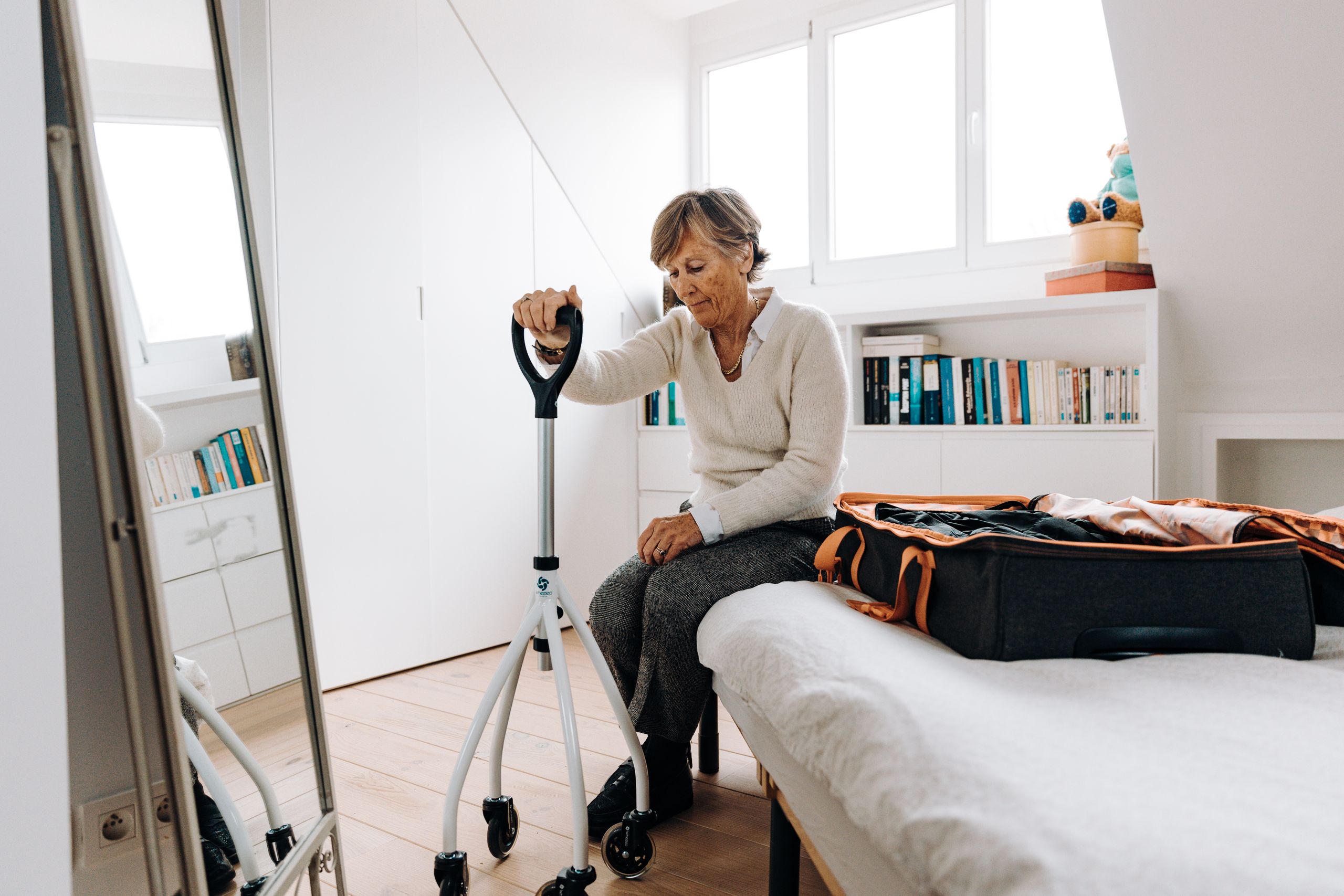
- Mobility assistance
- Medication reminders
- Meal preparation
- Companionship
- Safety monitoring
The key principle is balance—support is provided only where necessary, allowing seniors to remain as independent as possible.
Encouraging Independence Instead of Replacing It
One of the most important principles in Compassionate Care is encouragement rather than replacement.
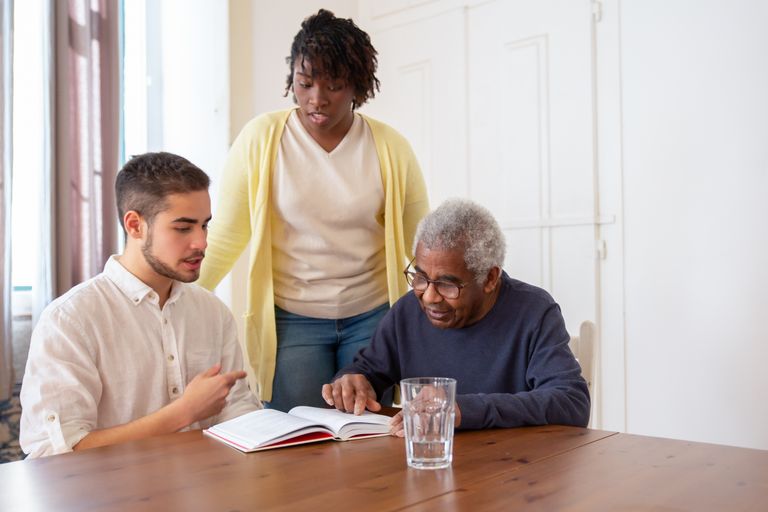
Instead of doing everything for the senior, caregivers aim to:
- Encourage participation in daily tasks
- Provide step-by-step assistance
- Offer choices instead of instructions
- Support rather than take over
For example, instead of preparing a meal entirely, a caregiver might assist with ingredients while the senior participates in cooking safely.
Supporting Physical Independence
Physical limitations often challenge independence, but the right support can help seniors stay active and mobile.
Ways home care supports physical independence:
- Assisting with safe mobility
- Preventing falls through home safety measures
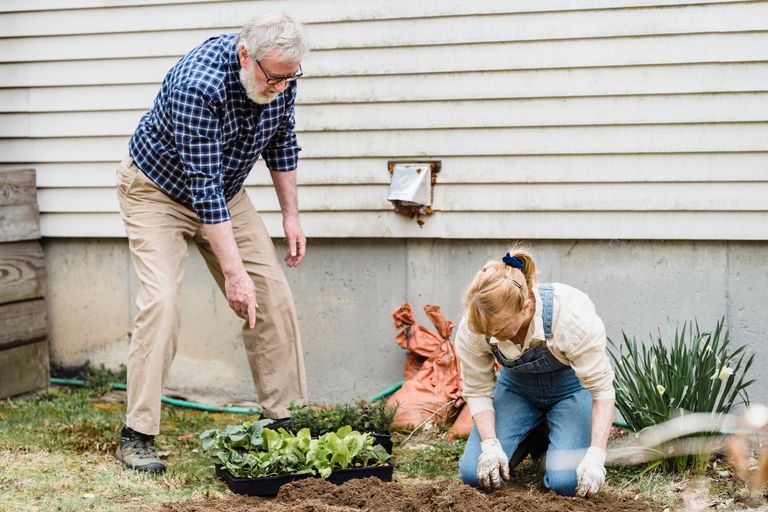
- Encouraging light exercise or walking
- Supporting personal hygiene without full dependency
These interventions help seniors maintain strength and confidence in their movements.
Supporting Cognitive Independence
Cognitive changes such as memory loss or confusion can affect independence, but structured support can help manage these challenges.
Strategies include:
- Using reminders for medication and appointments
- Establishing daily routines
- Providing simple instructions
- Using visual cues and labels at home
These tools help seniors stay mentally engaged while reducing frustration.
Emotional Independence and Wellbeing
Independence is not only physical—it is also emotional. Seniors need to feel valued, heard, and respected.
Emotional support in home care includes:
- Meaningful conversations
- Encouragement of hobbies and interests
- Social interaction and companionship
- Respecting personal choices
When seniors feel emotionally supported, they are more confident in maintaining independence.
The Balance Between Safety and Independence
One of the biggest challenges in senior care is balancing independence with safety. Too much restriction can reduce confidence, while too little support can increase risk.
Independent Living Support aims to find the middle ground.
Examples of balanced care:
- Installing grab bars but allowing independent movement
- Providing medication reminders without taking control
- Assisting with cooking while encouraging participation
This balance helps seniors stay safe without feeling dependent.
Role of Caregivers in Promoting Independence
Caregivers trained in Compassionate Care understand how to support independence effectively.
Their responsibilities include:
- Encouraging self-care activities
- Providing gentle assistance when needed
- Respecting privacy and dignity
- Building trust and emotional connection
- Observing changes without taking over unnecessarily
Their role is supportive, not restrictive.
Home Environment and Independence
A well-organized home plays a major role in maintaining independence.
Home modifications may include:
- Improved lighting
- Non-slip flooring
- Easy access to daily items
- Reduced clutter
- Clear pathways for mobility
These changes allow seniors to move freely and safely.
Family Involvement in Supporting Independence
Families play a key role in maintaining Senior Independence. However, it is important for families to avoid overprotectiveness, which can unintentionally reduce autonomy.
Healthy family support includes:
- Encouraging decision-making
- Respecting personal preferences
- Allowing safe independence
- Supporting rather than controlling
This approach strengthens trust and confidence.
When Independence Needs Extra Support
There are times when additional care becomes necessary. Signs include:
- Increased fall risk
- Memory decline
- Difficulty managing daily tasks
- Poor nutrition or hygiene
- Isolation or emotional decline
At this stage, structured Independent Living Support ensures seniors remain safe while still maintaining autonomy.
Benefits of Compassionate Home Care
When care is delivered with compassion, seniors experience a wide range of benefits.
Key benefits include:
- Greater confidence in daily living
- Reduced anxiety and fear
- Improved physical health
- Strong emotional stability
- Stronger family relationships
For families seeking reliable solutions, Blessed Hands Home Care provide Compassionate Care and tailored Independent Living Support services that strengthen Senior Independence while ensuring safety, dignity, and comfort at home.
Conclusion
Maintaining Senior Independence is one of the most important goals in modern caregiving. With the right balance of Compassionate Care and structured Independent Living Support, seniors can continue living meaningful, dignified, and fulfilling lives in their own homes.
True care does not take independence away—it strengthens it. By encouraging participation, respecting choices, and providing support only when needed, families and caregivers can create an environment where aging becomes a continuation of life, not a limitation.
FAQs
1. What is senior independence?
It is the ability of older adults to manage daily life with minimal assistance.
2. How does home care support independence?
It provides assistance only where needed while allowing seniors to stay active and involved.
3. What is compassionate care?
It is care that focuses on empathy, respect, and emotional support.
4. Can seniors remain independent at home?
Yes, with proper support and safety measures in place.
5. Why is independence important for seniors?
It improves confidence, emotional wellbeing, and overall quality of life.