
How to Create a Personalized Care Plan for Aging Parents
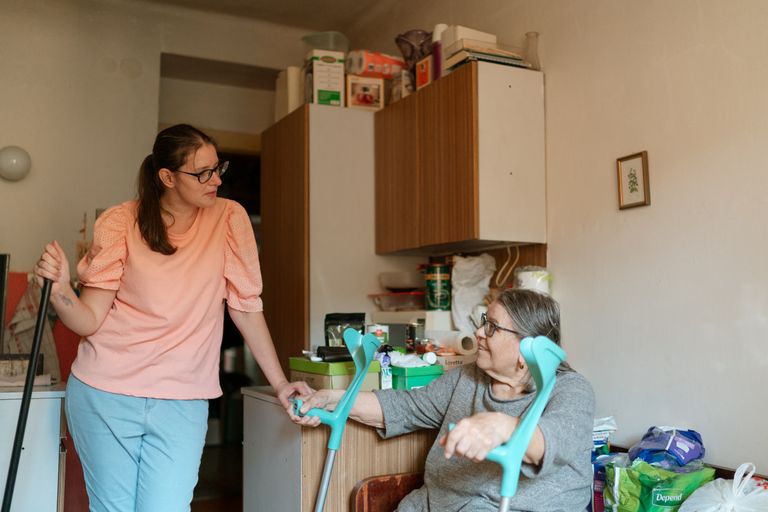
Watching aging parents begin to need more help is a moment many families are not fully prepared for. One day they are independent, managing their routines with ease, and the next, you start noticing missed medications, forgetfulness, reduced mobility, or difficulty with daily tasks. This shift often brings a mix of emotions—concern, responsibility, confusion, and sometimes guilt.
This is where Personalized Care Plans become essential. A well-structured care plan helps families organize support in a clear, thoughtful, and sustainable way. Instead of reacting to problems as they arise, families can proactively design a system that ensures safety, dignity, and comfort for their aging parents.
Creating a personalized care plan is not just about assigning tasks. It is about understanding needs, preserving independence, and building a strong Family Care Support system that evolves as circumstances change.
This guide walks you through how to create a practical and effective care plan for your aging parents while maintaining balance within the family.
What Is a Personalized Care Plan?
A Personalized Care Plan is a structured approach to meeting the physical, emotional, and social needs of an aging individual. It is tailored specifically to the person’s health condition, lifestyle, preferences, and living situation.
Unlike generic care approaches, personalized plans recognize that every senior is different. Two parents of the same age may have completely different needs depending on their health, mobility, and cognitive condition.
A good care plan typically includes:
- Medical and health management
- Daily living assistance
- Nutrition and meal planning
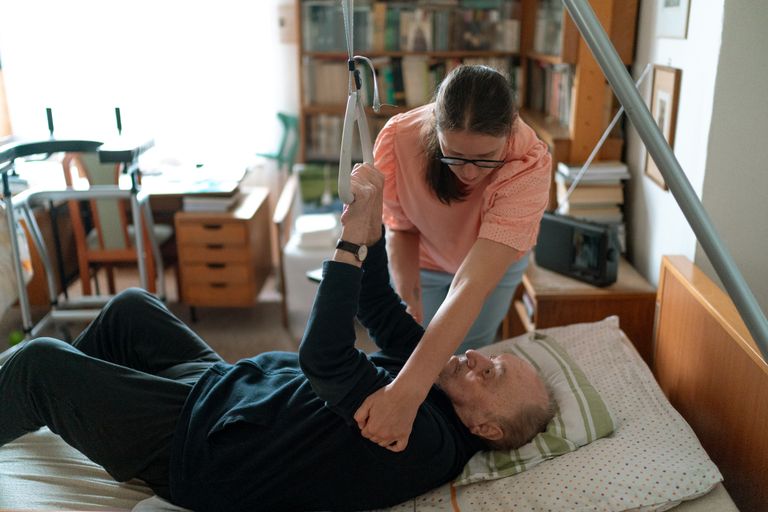
- Safety and mobility support
- Emotional and social wellbeing
- Caregiver responsibilities and schedules
The goal is to create a balanced system that promotes independence while ensuring safety.
Step 1: Assess Your Parent’s Needs
The first step in building effective Senior Care is understanding the current situation clearly. This requires careful observation and sometimes professional input.
Key areas to assess:
- Physical health (mobility, chronic illnesses, pain levels)
- Cognitive health (memory, confusion, decision-making)
- Daily activities (bathing, dressing, cooking, cleaning)
- Emotional wellbeing (loneliness, mood changes)
- Home safety risks
It is important to be honest during this stage. Many families underestimate or overestimate needs due to emotional bias.
If possible, involve a healthcare professional to provide a more accurate assessment.
Step 2: Identify Daily Living Challenges
Once needs are assessed, the next step is identifying where support is required in daily life.
Common challenges include:
- Difficulty preparing meals
- Forgetting medications
- Trouble moving around safely
- Managing personal hygiene
- Handling finances or appointments
These challenges form the foundation of your Personalized Care Plans. Each identified issue should have a clear solution or support strategy.
Step 3: Set Clear Care Goals
Care planning is more effective when goals are clearly defined. These goals should focus on maintaining dignity and independence while ensuring safety.
Examples of care goals:
- Maintain independence at home as long as possible
- Ensure medications are taken correctly
- Reduce fall risks and improve safety
- Support emotional wellbeing and reduce loneliness
- Improve nutrition and hydration
Clear goals help guide decision-making and keep the care plan focused.
Step 4: Involve Family Care Support
A strong Family Care Support system is essential for long-term success. Care should never fall on one person alone, as this can lead to burnout and stress.
Ways families can contribute:
- Sharing caregiving responsibilities
- Creating a rotating schedule
- Handling medical appointments
- Providing financial or logistical support
- Offering emotional encouragement
When family members work together, care becomes more balanced and sustainable.
Step 5: Consider Professional Care Services
In many cases, families need additional support beyond what they can provide alone. This is where professional Senior Care services become valuable.
Professional support may include:
- Home caregiving assistance
- Medication management
- Meal preparation help
- Personal care assistance
- Companionship services
Professional caregivers can fill gaps in care, especially during working hours or periods of high demand.
For families seeking reliable and compassionate support, Blessed Hands Home Care offer structured services that help implement Personalized Care Plans while strengthening Family Care Support systems at home.
Step 6: Create a Daily Care Schedule
Structure is one of the most important parts of any care plan. A daily schedule helps reduce confusion for aging parents and ensures consistency in care delivery.
A simple daily structure may include:
- Morning routine (hygiene, medication, breakfast)
- Midday activities (light exercise, social interaction)
- Afternoon rest or hobbies
- Evening meals and relaxation
- Nighttime safety checks
A predictable routine helps improve emotional stability and reduces anxiety.
Step 7: Prioritize Safety in the Home
Home safety is a critical part of Senior Care planning. As mobility and cognitive abilities change, the home environment must be adjusted accordingly.
Safety improvements may include:
- Installing grab bars in bathrooms
- Removing loose rugs and clutter
- Improving lighting in hallways
- Securing sharp or hazardous items
- Adding emergency contact systems
A safe environment reduces the risk of accidents and promotes independence.
Step 8: Plan for Medical and Health Management
Healthcare management is a core part of any Personalized Care Plan. This includes managing medications, doctor visits, and ongoing health monitoring.
Key components:
- Medication schedules and reminders
- Regular health checkups
- Monitoring chronic conditions
- Tracking symptoms or changes
- Coordinating with healthcare providers
Consistency in medical care helps prevent complications and hospital visits.
Step 9: Support Emotional and Social Wellbeing
Aging is not only physical—it is also emotional. Many seniors experience loneliness, isolation, or anxiety.
Ways to support emotional health:
- Encourage social interaction
- Arrange family visits or calls
- Promote hobbies and interests
- Provide companionship
- Include them in family activities
Emotional wellbeing is just as important as physical health in Senior Care.
Step 10: Review and Adjust the Care Plan Regularly
A care plan is not static. As parents age, their needs will change. Regular review ensures the plan remains effective.
When to update a care plan:
- After a medical diagnosis or hospital visit
- When mobility changes
- When cognitive decline progresses
- When caregiver availability changes
Flexibility ensures long-term success and prevents care gaps.
Common Mistakes to Avoid
Families often face challenges when creating care plans. Avoiding common mistakes improves outcomes.
Mistakes include:
- Ignoring early signs of decline
- Relying on one caregiver only
- Overlooking emotional needs
- Failing to update the care plan
- Not seeking professional help when needed
Awareness helps prevent breakdowns in care.
The Role of Compassion in Care Planning
While structure is important, compassion is the heart of any care plan. Aging parents need to feel respected, valued, and included in decisions about their care.
Listening to their preferences and involving them in planning helps maintain dignity and trust. Blessed Hands Home Care provide personalized cares for aging parents ensuring wellbeing.
Conclusion
Creating Personalized Care Plans for aging parents is one of the most important steps a family can take to ensure long-term safety, comfort, and wellbeing. It involves careful assessment, structured planning, shared responsibility, and emotional understanding.
With strong Family Care Support and the right balance of professional assistance, families can build a care system that adapts to changing needs while preserving independence and dignity.
Senior care is not just about managing health—it is about supporting life, relationships, and respect throughout the aging journey.
FAQs
1. What is a personalized care plan?
It is a customized plan designed to meet the specific needs of an aging individual.
2. Why is senior care planning important?
It ensures safety, structure, and better quality of life for aging parents.
3. Who should be involved in care planning?
Family members, caregivers, and healthcare professionals.
4. How often should care plans be updated?
They should be reviewed regularly, especially after health changes.
5. Can professional caregivers help with care plans?
Yes, they can support implementation and provide hands-on care services.