
Morning Routines for Seniors: How Home Care Can Make Each Day Easier
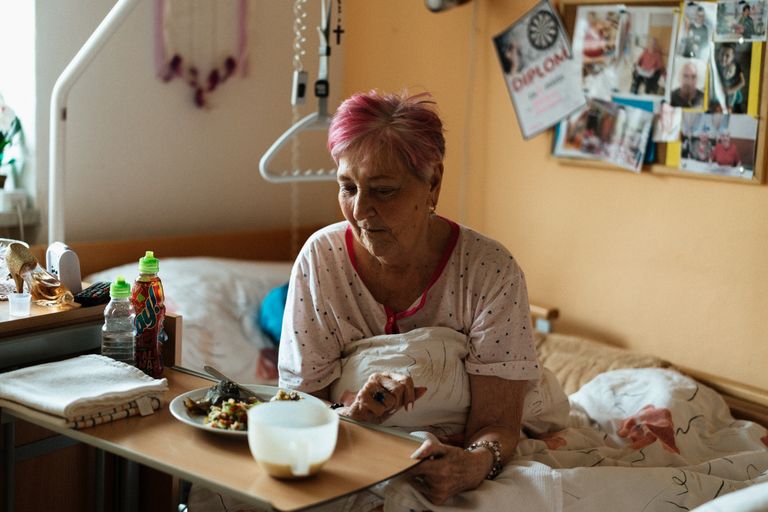
For most of our lives, mornings run on autopilot. We get out of bed, wash up, get dressed, make coffee, take our pills, and head into the day without much thought. But for many seniors, that same sequence can slowly become one of the hardest parts of the day.
Stiff joints take longer to loosen up. Balance is shakier first thing in the morning. Dizziness can come on when standing up too quickly. Tasks like buttoning a shirt, standing at the stove, or stepping into the shower take more effort and carry more risk. When the morning goes badly, it often colors everything that follows, leaving a senior tired, discouraged, and less likely to eat well, stay active, or take part in anything social.
Families often notice this from a distance. A parent sounds rushed or worn out on the phone before lunch. Breakfast was skipped again. Morning medications seem to get forgotten more often than they used to. These are small signals, but they usually point to the same thing: the morning routine has become too much to manage alone.
The encouraging part is that a few thoughtful changes, along with the right support, can make mornings calmer, safer, and far more enjoyable. At Blessed Hands Home Care, morning visits are among the most requested parts of our care, because a good start to the day has a way of lifting everything after it.
In this article, we’ll look at why mornings are so challenging for many older adults, what a supported morning routine looks like, and how families can help build one that feels natural rather than forced.
Why Mornings Can Be Difficult for Seniors
Physical Stiffness and Pain
Many older adults wake up with stiff joints, sore muscles, or arthritis pain that eases only after they’ve moved around for a while. Getting out of bed and walking to the bathroom can be uncomfortable and unsteady during that stretch.
Dizziness and Low Blood Pressure
Standing up too quickly can cause lightheadedness, particularly for seniors taking blood pressure medications. This is one of the most common reasons for early-morning falls.
Bathroom Urgency
Nighttime and early-morning trips to the bathroom are common with age, and they happen when someone is groggy, the lights are low, and balance is at its weakest.
Mental Fog and Fatigue
Poor sleep, medication side effects, or early memory changes can make the first hour of the day feel foggy or overwhelming. A routine with several steps can be hard to keep straight.
Time-Sensitive Tasks
Morning is also when many medications are due and when a good breakfast matters most. Missing either can affect energy, blood sugar, and mood for the rest of the day.
What a Supported Morning Routine Looks Like
A good morning routine isn’t a rigid schedule. It’s a predictable sequence that removes guesswork and lowers risk, while leaving room for personal preference. For most seniors, it includes the following steps.
Waking Up and Getting Out of Bed Safely
Moving slowly makes a real difference. Sitting at the edge of the bed for a minute or two before standing gives blood pressure time to adjust and reduces dizziness. A caregiver can offer a steady arm, watch for unsteadiness, and make sure the path to the bathroom is clear and well lit.
Using the Bathroom and Freshening Up
Washing up, brushing teeth, and grooming are part of feeling like yourself. For seniors who find these tasks tiring or risky, caregivers provide as much or as little help as needed while protecting privacy and dignity. This is the kind of support we described in How Personal Care Assistance Helps Seniors Maintain Independence, where help with hygiene and dressing allowed seniors to keep their routines instead of quietly giving them up.
Getting Dressed Comfortably
Choosing an outfit and getting dressed can be tiring, especially with limited reach or grip strength. Layout the night before, clothing with easy fasteners, and a seat to dress from all help. A caregiver can assist with the harder parts, like socks, shoes, and buttons, while the senior still decides what to wear.
Eating a Real Breakfast
Skipped breakfasts are common among seniors living alone. Cooking can feel like too much effort, and appetite is often lower in the morning. A caregiver can prepare something simple and nourishing, like oatmeal with fruit, eggs with toast, or yogurt with nuts, and sit down with the client so it becomes a pleasant part of the day rather than a chore.
Taking Morning Medications
Many prescriptions are timed to the morning, often alongside food. A steady routine of breakfast followed by medications, with a reminder as needed, helps prevent missed or doubled doses.
Easing into the Day
Once the essentials are done, there’s time for what makes a morning feel good: a cup of coffee, the newspaper, a short walk, a phone call with a friend, or a favorite radio program. These small rituals give the day shape and something to look forward to.
Practical Tips for Building a Better Morning Routine
- Keep a lamp or nightlight within reach of the bed and along the path to the bathroom
- Sit at the edge of the bed for a minute or two before standing
- Lay out clothes the night before, with easy fasteners where possible
- Keep breakfast staples simple and easy to reach
- Use a weekly pill organizer so morning medications are obvious at a glance
- Keep the same wake-up and breakfast times each day as much as possible
- Allow extra time so nothing feels rushed
Common Morning Challenges and Simple Fixes
Dizziness on standing: Sit first, take a few deep breaths, then stand with something stable to hold.
Skipped breakfast: Prepare grab-and-go options the night before, or arrange for a caregiver to be there at mealtime.
Forgotten medications: Pair medications with an established habit, like breakfast, and use a pill organizer.
Dreading the shower: Add a shower chair, grab bars, and non-slip mats, or arrange for a caregiver to help.
Low mood in the morning: A familiar voice and a predictable routine often help. Companionship can make a real difference here.
How Blessed Hands Home Care Helps
At Blessed Hands Home Care, we build each client’s morning around what they actually want their day to look like. Some clients want help with bathing and dressing, others mostly want company at breakfast and a reminder about medications. We start with a conversation, learn the routine that already works, and support it rather than replacing it.
Our caregivers focus on safety and comfort without rushing. They allow extra time, offer choices like what to wear or what to eat, and let clients do as much as they can for themselves. They also stay alert to how a client seems each morning, noticing changes in energy, balance, or appetite and sharing those observations with families.
Morning is also when many medications are due, and a calm, consistent routine makes them much easier to manage. That connects directly to what we covered in Medication Reminders for Seniors: How Caregivers Support Safer Daily Routines, where steady reminders tied to daily habits reduced missed doses and gave families real peace of mind.
For many families, knowing that someone friendly and dependable will be there each morning is what finally lets them relax about the early part of the day.
Frequently Asked Questions
What time of day is best for home care visits?
Many families choose mornings because that’s when help with bathing, dressing, breakfast, and medications is most useful. The right time depends on when your loved one struggles most.
How long should a morning home care visit last?
This depends on the tasks involved. Some visits last an hour or two, while others are longer to allow for a relaxed pace. Care plans can be adjusted as needs change.
Can a caregiver help my parent get out of bed safely?
Yes. Caregivers can offer steady support while a senior sits up, stands, and walks to the bathroom, and can watch for dizziness or unsteadiness.
What if my parent isn’t a morning person and resists a routine?
Start with small, flexible steps and respect their natural rhythm. A routine should fit the person, not the other way around.
Does a morning routine really affect the rest of the day?
Often, yes. A calm, well-supported morning tends to improve energy, nutrition, and mood, while a rushed or difficult one can leave a senior drained and discouraged.
Can caregivers help with breakfast and medication timing together?
Yes. Pairing medications with a regular breakfast is a common and effective way to make morning routines more reliable.
Key Takeaways
- Mornings are often the hardest part of the day for seniors because of stiffness, dizziness, fatigue, and time-sensitive tasks.
- A supported routine covers safe waking, hygiene, dressing, breakfast, medications, and a gentle start to the day.
- Small changes like better lighting, easy clothing, and a pill organizer reduce risk and stress.
- Allowing extra time and offering choices helps seniors keep control of their own mornings.
- Blessed Hands Home Care builds morning support around each client’s preferences and pace.
Conclusion
A good morning doesn’t need to be elaborate. It needs to be safe, predictable, and unhurried, with just enough support to make each step manageable. When mornings feel easier, seniors tend to eat better, stay more active, and approach the rest of the day with more confidence.
With thoughtful routines and the right help, mornings can go back to being what they should be: a calm, comfortable start to a day worth looking forward to.
Contact Blessed Hands Home Care Today
If mornings have become stressful for your loved one, Blessed Hands Home Care can help. Contact us today to talk about how a supported morning routine could make each day easier for your family.