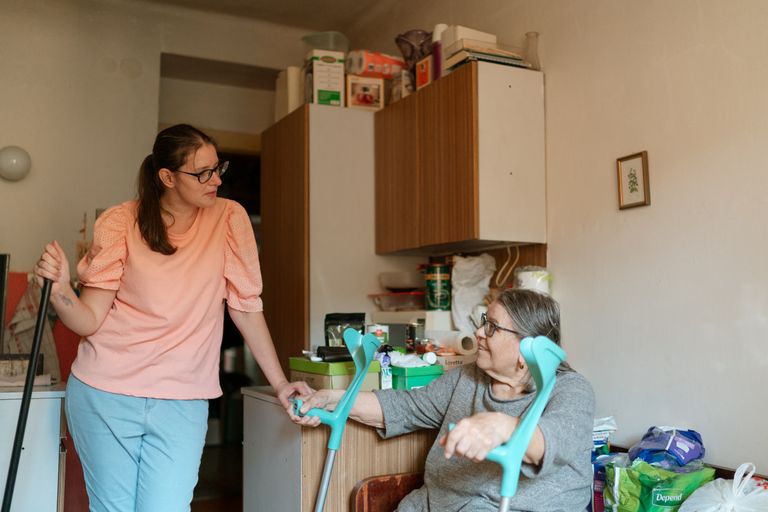

Alzheimer’s Care: Practical Strategies for Families and Caregivers
Caring for someone living with Alzheimer’s disease is one of the most emotionally demanding journeys a family can experience. Alzheimer’s gradually affects memory, thinking, behavior, and the ability to perform everyday tasks. Over time, even familiar faces, routines, and environments may become confusing to the person living with the condition.
This is where structured Alzheimer’s Care becomes essential. It is not only about managing symptoms but also about preserving dignity, reducing distress, and creating a safe and supportive environment. Families often take on this responsibility out of love, but without the right strategies and support, the demands can quickly become overwhelming.
With the help of Professional Caregivers and structured Senior Support Services, families can create a care approach that is both compassionate and sustainable. This article explores practical strategies that can help caregivers manage Alzheimer’s at home while improving quality of life for their loved ones.
Understanding Alzheimer’s Disease
Alzheimer’s disease is a progressive brain disorder and the most common cause of dementia. It slowly destroys memory and thinking skills and eventually affects the ability to carry out simple tasks.
Unlike normal aging, Alzheimer’s leads to significant cognitive decline that worsens over time. Early symptoms may be mild, but later stages require full-time support.
Common Symptoms of Alzheimer’s
- Short-term memory loss
- Confusion about time or place
- Difficulty recognizing familiar people
- Trouble speaking or finding words
- Poor judgment and decision-making
- Mood swings and behavioral changes
Understanding these symptoms is the first step toward effective Alzheimer’s Care.
The Importance of Early Planning in Alzheimer’s Care
Early planning allows families to prepare emotionally, financially, and practically for the progression of Alzheimer’s disease. It also helps ensure that care decisions are made while the individual can still express their preferences.
Why Early Planning Matters
- Allows time to build a care strategy
- Reduces emergency decisions later
- Helps coordinate medical and home support
- Provides emotional readiness for families
Early intervention also improves the effectiveness of Senior Support Services, ensuring smoother transitions as the condition progresses.
Creating a Safe and Supportive Home Environment
One of the most important aspects of Alzheimer’s Care is adapting the home to ensure safety and reduce confusion.
Home Safety Strategies
- Remove sharp objects and tripping hazards
- Install locks on doors and cabinets
- Label rooms and important areas
- Use night lights to prevent nighttime confusion
- Secure medication and cleaning products
A safe environment reduces anxiety and prevents accidents, allowing individuals to move more freely with confidence.
Establishing Daily Routines
People with Alzheimer’s respond well to structure. A predictable routine reduces confusion and helps create a sense of stability.
Key Elements of a Routine
- Consistent wake-up and sleep times
- Regular meal schedules
- Scheduled personal care activities
- Short, simple daily tasks
- Time for rest and relaxation
Routine is one of the most effective tools in Alzheimer’s Care, as it reduces cognitive overload and emotional stress.
Communication Strategies for Alzheimer’s Care
Communication becomes increasingly difficult as Alzheimer’s progresses. Caregivers must adapt their communication style to ensure understanding and comfort.
Effective Communication Techniques
- Use short, simple sentences
- Speak slowly and clearly
- Maintain eye contact
- Avoid arguing or correcting harshly
- Use gestures and visual cues
Patience is essential. Even when words are forgotten, emotional understanding often remains.
Managing Behavioral Changes
Behavioral changes are common in Alzheimer’s patients. These may include agitation, aggression, confusion, or withdrawal.
Common Triggers
- Overstimulation or noise
- Hunger or discomfort
- Changes in routine
- Fatigue or illness
How to Respond
- Stay calm and reassuring
- Redirect attention gently
- Avoid confrontation
- Identify and remove triggers
Understanding behavior as communication rather than resistance is key in effective Alzheimer’s Care.
The Role of Professional Caregivers
Professional Caregivers play a vital role in supporting families dealing with Alzheimer’s. They are trained to manage cognitive decline, behavioral challenges, and daily care needs.
What Professional Caregivers Provide
- Assistance with personal hygiene and grooming
- Medication reminders and monitoring
- Emotional support and companionship
- Supervision and safety monitoring
- Help with mobility and daily activities
Their expertise reduces caregiver stress and ensures consistent, high-quality care.
Supporting Families Through Senior Support Services
Senior Support Services provide structured assistance to both individuals with Alzheimer’s and their families. These services are designed to reduce caregiver burden and improve overall care coordination.
Types of Support Services
- In-home caregiving assistance
- Respite care for family caregivers
- Cognitive stimulation activities
- Meal preparation and nutrition support
- Safety monitoring and supervision
These services ensure that care is not solely dependent on family members, creating a more balanced support system.
Cognitive Stimulation and Engagement
Although Alzheimer’s affects memory, mental stimulation can still help maintain cognitive function and improve mood.
Helpful Activities
- Listening to familiar music
- Looking at family photo albums
- Simple puzzles or memory games
- Light gardening or household tasks
- Storytelling and reminiscing
Engagement helps reduce agitation and improves emotional wellbeing.
Nutrition and Alzheimer’s Care
Proper nutrition is essential for maintaining energy and brain health. However, individuals with Alzheimer’s may forget to eat or struggle with meal routines.
Nutrition Challenges
- Forgetting meals
- Loss of appetite
- Difficulty using utensils
- Preference for unhealthy foods
Caregivers and Senior Support Services help ensure regular meals, hydration, and balanced nutrition tailored to individual needs.
Emotional Support for Caregivers
Alzheimer’s Care is not only challenging for patients but also for caregivers. Family members often experience emotional stress, sadness, and fatigue.
Caregiver Challenges
- Emotional exhaustion
- Lack of personal time
- Stress from behavioral changes
- Feelings of helplessness
Support systems, including Professional Caregivers, help reduce this burden and allow families to maintain emotional balance.
Importance of Consistency in Care
Consistency is one of the most important principles in Alzheimer’s support. Frequent changes in routine, environment, or caregivers can increase confusion and anxiety.
Stable caregiving helps:
- Reduce agitation
- Improve trust
- Create emotional security
- Support better daily functioning
Consistency is a foundation of effective Alzheimer’s Care.
When to Seek Professional Help
Families should consider professional support when:
- Memory loss becomes severe
- Safety risks increase at home
- Caregiver burnout develops
- Daily tasks become unmanageable
- Behavioral changes become difficult to handle
Early involvement of Professional Caregivers can significantly improve care outcomes and reduce stress.
Building a Long-Term Care Strategy
Alzheimer’s is a progressive condition, meaning care needs will increase over time. Families should prepare for this progression by building a flexible care plan.
Key Elements of a Care Strategy
- Regular medical checkups
- Adaptive home safety measures
- Integration of professional support
- Emotional and family involvement
- Financial planning for long-term care
A structured approach ensures continuity and reduces crisis situations.
Conclusion
Alzheimer’s Care requires patience, structure, and a compassionate approach. While the journey can be challenging, practical strategies such as establishing routines, improving communication, ensuring safety, and involving Professional Caregivers can significantly improve quality of life.
With the support of Senior Support Services, families do not have to face this journey alone. Instead, they can build a care system that balances emotional connection with professional assistance.
For families seeking reliable solutions, Blessed Hands Home Care provide compassionate Alzheimer’s Care through experienced Professional Caregivers and structured Senior Support Services, helping families manage memory loss with dignity, patience, and consistent home-based support.
Ultimately, the goal of Alzheimer’s care is not only to manage symptoms but to preserve dignity, comfort, and meaningful moments throughout every stage of the condition.
FAQs
1. What is Alzheimer’s care?
It is specialized support designed to help individuals living with Alzheimer’s manage daily life and symptoms.
2. How do professional caregivers help with Alzheimer’s?
They provide daily assistance, supervision, emotional support, and safety monitoring.
3. What are senior support services?
They are structured services that assist seniors and families with caregiving needs.
4. Can Alzheimer’s patients live at home?
Yes, with proper safety measures and professional support, home care is possible.
5. What is the most important part of Alzheimer’s care?
Consistency, patience, and emotional support are key to effective care.