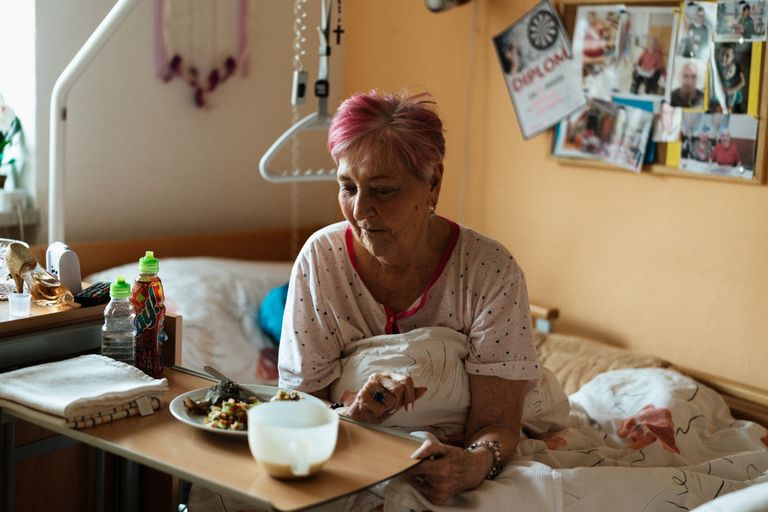

Medication Reminders for Seniors: How Caregivers Support Safer Daily Routines
For many seniors, managing medication isn’t as simple as taking a single pill once a day. It often means keeping track of five, eight, sometimes a dozen different prescriptions—each with its own timing, dosage, and instructions. One taken with food. Another on an empty stomach. One in the morning, another at bedtime, a third every other day.
Even someone with a sharp memory can lose track of a routine that complicated. Add in age-related changes in memory, vision, or dexterity, and the margin for error grows quickly. A missed dose might seem minor in the moment, but missed or mistimed medications are one of the most common—and most preventable—reasons seniors end up back in the hospital.
Families often don’t realize how much daily effort medication management actually takes until they see it up close: pill organizers filled incorrectly, prescriptions refilled late, or a parent who insists they took their medication but can’t quite remember when.
At Blessed Hands Home Care, medication reminders are one of the most requested and most impactful parts of our caregiving support. In this article, we’ll look at why medication management becomes so difficult with age, the real risks of missed doses, and how consistent caregiver support makes daily routines safer.
Why Medication Management Gets Harder with Age
Increasing Number of Prescriptions
It’s common for older adults to manage multiple chronic conditions at once—high blood pressure, diabetes, arthritis, heart disease—each often requiring its own medication. This is sometimes called polypharmacy, and it significantly increases the complexity of daily routines.
Memory Changes
Even mild, normal age-related forgetfulness can disrupt a medication schedule that depends on precise timing. Someone might genuinely believe they took a dose when they didn’t, or take it twice without realizing.
Vision and Dexterity Challenges
Reading small print on prescription labels or opening childproof caps becomes harder with age-related vision loss or reduced hand strength, sometimes leading people to avoid or delay taking medication altogether.
Complex Instructions
Different medications often come with different rules—some can’t be taken together, some require food, others interact with specific foods or supplements. Keeping all of this straight is a genuine cognitive load, even for someone otherwise sharp.
The Real Risks of Missed or Mistimed Medication
Missed medications aren’t just a minor inconvenience. Depending on the medication, the consequences can include:
- Uncontrolled blood pressure, increasing stroke or heart attack risk
- Blood sugar swings for those managing diabetes
- Withdrawal-like symptoms from suddenly stopped medications
- Increased confusion or agitation from missed psychiatric or cognitive medications
- Hospital readmission, particularly after a recent illness or surgery
This is especially critical during recovery periods, a connection we explored in How Home Care Supports Recovery After Illness or Hospitalization, where consistent medication routines played a direct role in preventing setbacks and avoidable readmissions.
How Caregivers Support Safer Medication Routines
Consistent Daily Reminders
Caregivers provide reliable, friendly reminders at the right times each day, reducing the reliance on memory alone. A simple prompt at a consistent time each visit builds a routine that’s far more dependable than relying on willpower.
Organizing Pill Boxes and Schedules
Caregivers can help set up weekly pill organizers, making it easy to see at a glance whether a dose has been taken, and quickly catch any gaps or duplications.
Watching for Side Effects
Because caregivers spend consistent time with clients, they’re often positioned to notice new symptoms—dizziness, confusion, unusual fatigue—that might be linked to a medication change, and can flag it to family or a physician.
Supporting Refill Timing
Running out of a medication unexpectedly is a common and preventable disruption. Caregivers help track when refills are needed so prescriptions don’t lapse.
Reinforcing Instructions
Whether it’s reminding a client to take a medication with food or avoiding a specific supplement, caregivers help reinforce the specific instructions tied to each prescription.
Important Boundaries: What Caregivers Do and Don’t Do
It’s worth being clear about scope. Non-medical caregivers, like those at Blessed Hands Home Care, provide medication reminders—not medical administration. Caregivers do not:
- Diagnose or adjust medication dosages
- Administer injections or specialized medical treatments
- Make medical decisions about changing a prescription
Instead, caregivers provide the consistent structure and observation that supports safer routines, while medical decisions remain with physicians and pharmacists.
Practical Tips for Families
- Keep an updated, written list of all medications, dosages, and timing in one place
- Use a weekly pill organizer to make missed or duplicated doses easy to spot
- Set phone reminders as a backup, especially for medications with strict timing
- Ask the pharmacist about combining prescription refill dates to reduce confusion
- Review medications with a doctor periodically to check for unnecessary duplicates
- Watch for signs of medication mismanagement, like extra pills remaining at week’s end
How Blessed Hands Home Care Helps
At Blessed Hands Home Care, medication reminders are built directly into each client’s daily care routine, not treated as an afterthought. Before care begins, our caregivers review each client’s medication schedule with the family to understand timing, special instructions, and any specific concerns.
From there, caregivers provide consistent, friendly reminders during scheduled visits, along with light organizational support like maintaining pill boxes and flagging when refills are approaching. Just as importantly, our caregivers stay alert to anything unusual—a client feeling unusually drowsy, dizzy, or different than normal—and communicate that promptly to families.
This kind of steady, attentive support is part of a broader approach to safety that we discussed in How to Recognize When an Aging Parent Needs More Support at Home, where consistent caregiver observation helped families catch small issues before they became serious ones.
Frequently Asked Questions
Can a caregiver administer medication directly?
Non-medical caregivers typically provide reminders rather than administering medication themselves. Actual administration, especially injections or specialized treatments, requires a licensed medical professional.
What happens if a caregiver notices a missed dose?
Caregivers document what they observe and communicate promptly with the family, and with a physician if the missed dose raises any safety concerns.
How do caregivers keep track of complex medication schedules?
Caregivers typically work from a written medication list provided by the family, often paired with a labeled weekly pill organizer to track doses clearly.
Is medication reminder support included in general home care, or is it a separate service?
At Blessed Hands Home Care, medication reminders are typically included as part of a broader personal care plan, rather than offered as a standalone service.
What if my parent refuses to take medication from a caregiver?
Caregivers are trained to approach this gently, offering reminders rather than pressure, and communicating with families if refusal becomes a recurring pattern that may need a physician’s involvement.
Can medication reminders help prevent hospital readmission?
Yes. Missed or mistimed medications are a common cause of complications after illness or surgery, so consistent reminders play a meaningful role in supporting a safer recovery.
Key Takeaways
- Managing multiple medications becomes significantly harder with age due to memory, vision, and dexterity changes.
- Missed or mistimed doses carry real health risks, including hospital readmission.
- Caregivers provide reminders, organization, and observation—not medical administration.
- Consistent routines and clear communication with families make medication management safer.
- Blessed Hands Home Care builds medication reminders directly into personalized daily care plans.
Conclusion
Medication management might look simple from the outside—just remembering to take a pill—but for many seniors juggling multiple prescriptions, it’s a daily task with real margin for error. Consistent support turns a fragile routine into a reliable one, reducing risk and giving families genuine peace of mind.
Contact Blessed Hands Home Care Today
If medication management has become a source of worry for your family, Blessed Hands Home Care can help. Contact us today to learn how our caregivers support safer, more consistent daily routines at home.