
Hydration for Seniors: Simple Ways to Encourage Healthy Drinking Habits
A glass of water seems like the simplest thing in the world. But for many older adults, getting enough to drink each day is surprisingly hard. Thirst fades with age, bathroom trips become inconvenient or worrying, and the simple habit of reaching for a drink slips out of the daily routine without anyone noticing.
The result is that dehydration is one of the most common and most overlooked health risks among seniors. It can sneak up quietly, showing up as tiredness, dizziness, confusion, constipation, or urinary tract infections. Sometimes it’s mistaken for “just getting older.” In more serious cases, it contributes to falls, hospital visits, and complications with existing health conditions.
Families often feel unsure how to help. You can’t exactly stand over a parent with a glass of water, and nagging tends to backfire. What works better is making hydration easier, more appealing, and part of the daily rhythm rather than another thing to remember.
At Blessed Hands Home Care, hydration is one of the quiet, everyday ways our caregivers help clients feel better and stay safer. In this article, we’ll look at why seniors are at higher risk of dehydration, how to spot the warning signs, and practical, respectful ways to encourage healthy drinking habits at home.
Why Seniors Are More Prone to Dehydration
A Weaker Sense of Thirst
As we age, the body’s thirst signals become less reliable. Many older adults simply don’t feel thirsty, even when their bodies need fluids.
Changes in Body Composition
Older adults carry less water in their bodies than younger people, which means there’s less of a buffer when fluid intake drops.
Medications
Some medications, especially diuretics (“water pills”), laxatives, and certain blood pressure drugs, increase fluid loss. Others cause dry mouth or reduce appetite.
Fear of Bathroom Trips
Seniors with bladder control concerns or mobility problems sometimes drink less on purpose to avoid urgent or difficult trips to the bathroom, especially at night or when out of the house.
Mobility and Memory Challenges
If getting to the kitchen is difficult, or if memory loss makes it easy to forget to drink, fluid intake can drop without anyone realizing.
Illness and Hot Weather
Fever, vomiting, diarrhea, and hot weather all increase fluid needs, and seniors can become dehydrated much faster than expected.
Warning Signs of Dehydration in Older Adults
Dehydration doesn’t always look like thirst. Watch for these signs:
- Dry mouth, cracked lips, or a sticky feeling in the mouth
- Dark yellow or strong-smelling urine, or going far less often
- Unusual tiredness or weakness
- Dizziness or lightheadedness, especially when standing
- Headaches
- Confusion, irritability, or sudden changes in behavior
- Constipation
- Dry, less elastic skin
- Sunken eyes
Sudden confusion, a very rapid heartbeat, little or no urine, or fainting can signal serious dehydration and need prompt medical attention.
How Much Should Seniors Drink?
Needs vary based on body size, climate, activity level, diet, and health. As a general guide, many older adults do well with roughly six to eight cups of fluid a day from drinks and foods combined. However, some conditions, such as heart failure or kidney disease, may require limiting fluids. Always follow a doctor’s guidance on how much your loved one should drink.
Simple Ways to Encourage Healthy Drinking Habits
Make Drinks Easy to Reach
Keep a filled glass or bottle within arm’s reach of favorite chairs, the bed, and the kitchen table. If a drink is right there, it’s far more likely to get sipped.
Tie Drinking to Daily Habits
Link fluids to routines that already exist: a glass with each medication, a cup of tea after breakfast, water at every meal, a drink during favorite TV shows.
Offer Variety
Plain water isn’t everyone’s favorite. Options include:
- Water with lemon, cucumber, or berries
- Herbal tea, hot or iced
- Low-sodium broth
- Diluted juice
- Milk or fortified plant milk
- Decaffeinated coffee or tea in moderation
Eat Your Water, Too
Many foods contribute meaningfully to hydration, including watermelon, oranges, strawberries, cucumbers, soups, yogurt, and gelatin. Our guide to Healthy Meal Planning for Seniors Receiving Home Care shows how to build hydrating foods into everyday meals and snacks without making it feel like extra work.
Use Cups and Bottles That Work for Them
Lightweight cups, two-handled mugs, cups with lids and straws, or bottles with easy grips can make drinking easier for those with arthritis, tremors, or weak hands.
Make It Social
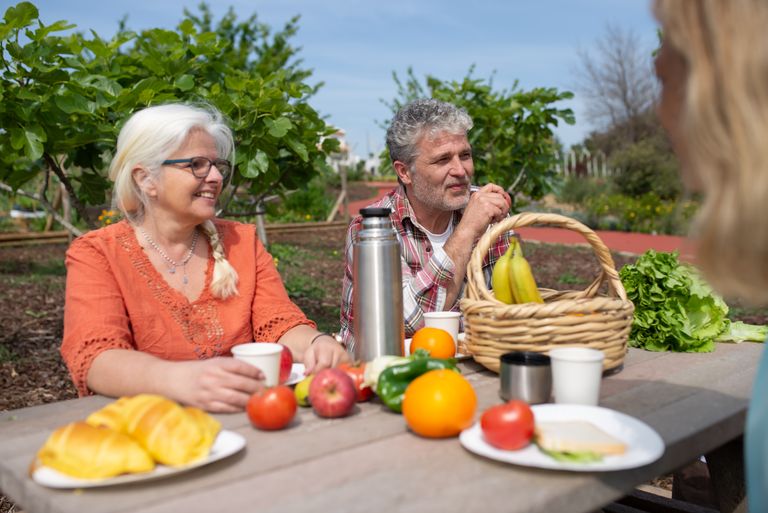
Sharing a cup of tea or coffee together turns hydration into companionship. Seniors are often more likely to drink when someone is drinking alongside them.
Spread Fluids Throughout the Day
Rather than expecting large amounts at once, aim for small, regular sips from morning through early evening. Tapering off a couple of hours before bed can reduce nighttime bathroom trips.
Use Gentle Reminders, Not Pressure
A friendly “Would you like a cup of tea?” is far more effective than “You need to drink more.” Choice and respect keep it from feeling like a chore.
Addressing Common Barriers
“I don’t feel thirsty.” Rely on routines and reminders instead of thirst.
“I don’t want to keep going to the bathroom.” Explore bathroom safety, nightlights, grab bars, and a plan for urgency. Reassure them that staying hydrated actually supports bladder health.
“I can’t stand the taste of plain water.” Try flavored options, herbal teas, or fruit-infused water.
“I forget.” Use visual cues, like a marked bottle, a pitcher on the table, or a caregiver reminder.
“My hands shake.” Choose lightweight cups with handles or lids and straws.
Practical Tips for Families
- Keep a pitcher of water or iced tea on the counter or fridge door
- Check for signs of dehydration during visits, especially in hot weather
- Ask their doctor or pharmacist whether any medications affect fluid needs
- Keep hydrating snacks on hand, like grapes, melon, or yogurt
- Track intake for a few days to see whether it’s a real concern
- Increase fluids during illness or heat, unless the doctor has advised otherwise
How Blessed Hands Home Care Helps
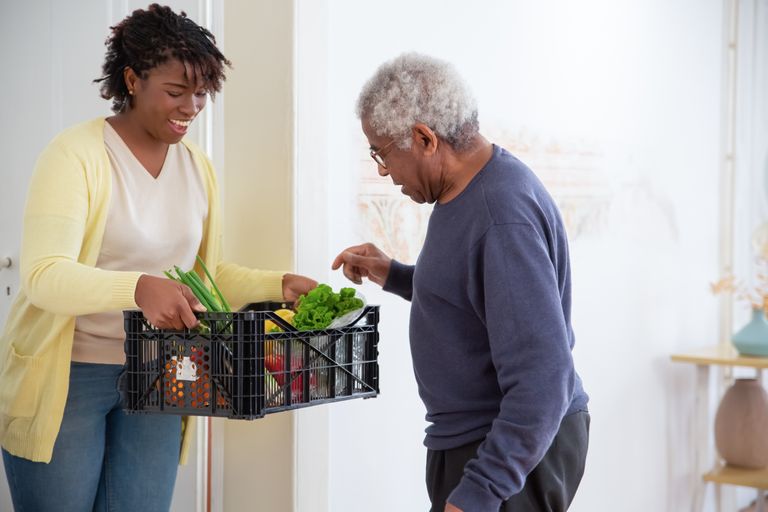
At Blessed Hands Home Care, our caregivers build hydration into each client’s day naturally. They offer drinks with meals, keep favorite beverages within reach, suggest refreshing snacks, and share a cup of tea during visits so it feels like company, not supervision.
They also notice changes: darker urine, dry lips, unusual sleepiness, new confusion, or a drop in appetite. When something seems off, we let the family know right away so they can follow up with a physician if needed.
For clients with conditions like heart disease, diabetes, or kidney concerns, hydration needs can be more complex, and fluid guidance from a medical team matters. Our caregivers follow those instructions closely, a topic we explored in How Home Care Supports Seniors Living with Long-Term Health Conditions, where consistent daily support helped clients stay on track with their care plans.
Frequently Asked Questions
Can dehydration cause confusion in seniors?
Yes. Confusion, disorientation, and sudden changes in behavior are common signs of dehydration in older adults and should be taken seriously.
Does coffee or tea count toward fluid intake?
In moderation, yes. They contribute to overall fluid intake, though decaffeinated options and water are often better choices, especially later in the day.
How can I tell if my parent is drinking enough?
Look at urine color (pale yellow is a good sign), energy levels, and how often they urinate. Keeping a simple intake log for a few days can also help.
What if my loved one has to limit fluids for a medical condition?
Follow the doctor’s guidance carefully. Fluid restrictions are individual, and a caregiver should be made aware of the exact limits.
Are electrolyte drinks necessary?
Usually not for everyday hydration, and many are high in sugar or sodium. They may be helpful during illness, but it’s best to check with a doctor.
Can a caregiver help my parent drink more without nagging?
Yes. Caregivers can build drinks into meals and routines, offer favorites, and share drinks together in a relaxed, respectful way.
Key Takeaways
- Seniors are at higher risk of dehydration because of weaker thirst signals, medications, mobility issues, and fear of bathroom trips.
- Signs include dark urine, dry mouth, dizziness, tiredness, and confusion.
- Making drinks visible, varied, and tied to routines is more effective than reminders alone.
- Hydrating foods like fruit, soups, and yogurt count toward daily fluids.
- Always follow a doctor’s guidance when fluid limits are required.
Conclusion
Hydration may seem like a small detail, but it touches nearly every part of a senior’s health, from energy and mood to balance and clear thinking. With easy access, tasty options, and a gentle routine, healthy drinking can become a natural part of the day.
Small, consistent habits often make the biggest difference, and you don’t have to build them alone.
Contact Blessed Hands Home Care Today
If you’re concerned about your loved one’s hydration or daily routines, Blessed Hands Home Care can help. Contact us today to talk about how our caregivers can support healthier habits at home.