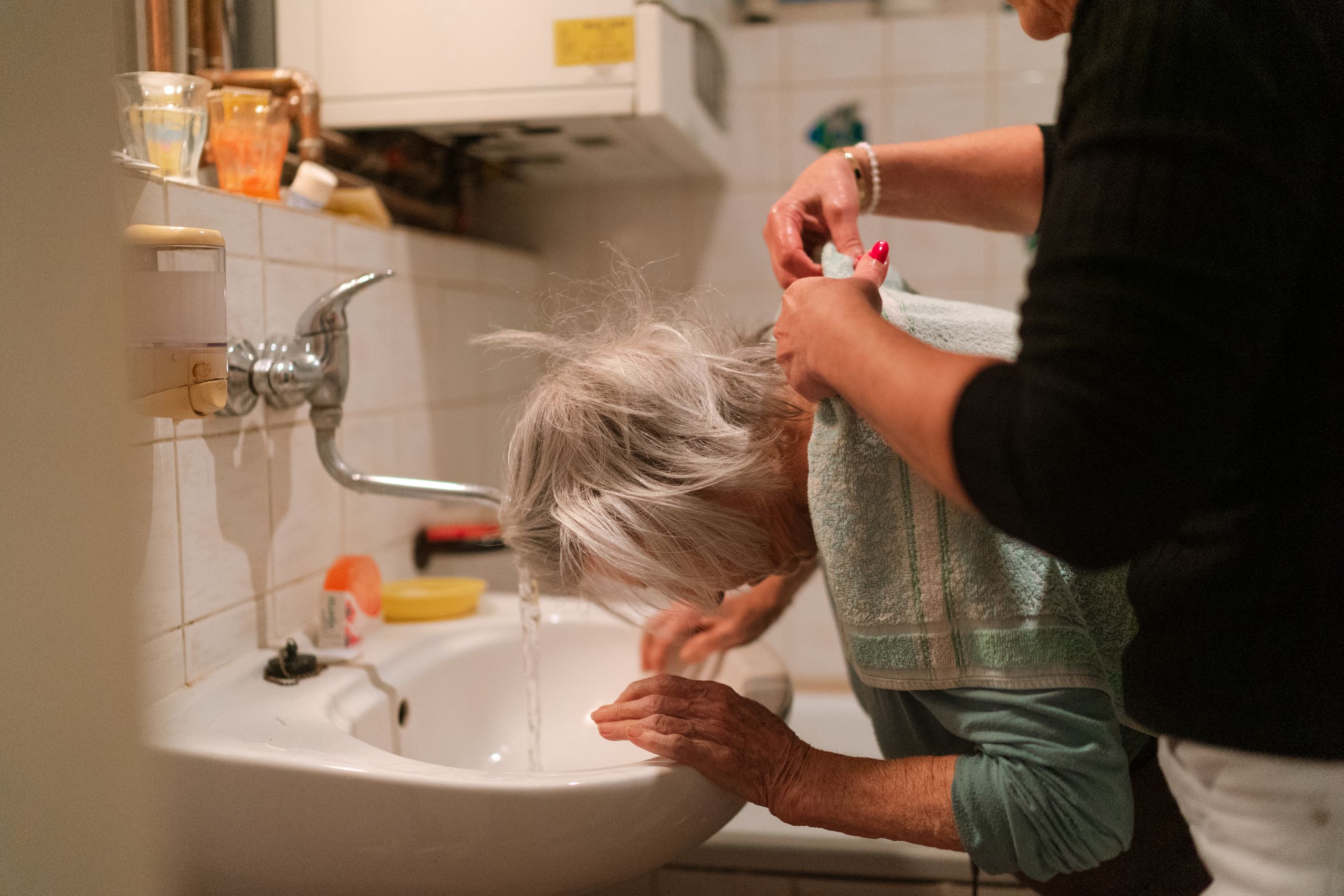
Bathing Assistance for Seniors: Tips for Comfort, Safety, and Dignity
Few daily tasks are as personal as bathing. It’s private, it’s vulnerable, and for most of our lives, it’s something we do entirely on our own. So when a parent or spouse starts to struggle with it, the situation can feel delicate for everyone involved.
Maybe your loved one has begun to skip showers. Maybe there’s been a slip, a close call, or a new fear of stepping into the tub. Maybe they’ve simply grown too tired to manage the whole process, and avoiding it has become easier than doing it. These changes are common, and they’re rarely about stubbornness. More often, they’re about fear, discomfort, or embarrassment.
The bathroom is also one of the riskiest rooms in the home. Wet surfaces, hard fixtures, and tight spaces make falls more likely and more serious. At the same time, avoiding bathing carries its own risks, including skin problems, infections, odor, and a gradual loss of self-esteem.
The good news is that bathing assistance, done well, can feel respectful and even relaxing. It’s all about the approach: preparing the space, offering the right amount of help, and keeping dignity at the center of every step.
At Blessed Hands Home Care, we support clients with bathing every day, and we’ve learned that how help is offered matters just as much as the help itself. In this article, we’ll look at why bathing becomes difficult, how to make it safer and more comfortable, and how to handle the emotional side with care.
Why Bathing Becomes Difficult for Seniors
Balance and Strength Changes
Stepping over a tub wall, standing on a wet surface, or reaching to wash feet requires strength and balance that may have declined.
Pain and Stiffness
Arthritis and joint pain can make bending, reaching, and gripping uncomfortable.
Fear of Falling
Even seniors who haven’t fallen may be afraid of it, and that fear can lead to avoiding bathing altogether.
Fatigue
Bathing involves undressing, washing, rinsing, drying, and dressing again. For someone with low energy, it can feel like too much.
Memory and Cognitive Changes
Seniors with memory loss may forget how to bathe, feel confused by water temperature or running water, or resist because they don’t understand what’s happening.
Embarrassment and Loss of Privacy
Accepting help with bathing can feel like the end of independence, which is why some seniors refuse it, even when they need it.
Signs a Loved One May Need Bathing Help
- Skipping showers or bathing less frequently
- Noticeable body odor or unkempt appearance
- Wearing the same clothes for days
- Bruises or scrapes suggesting falls
- Fear or anxiety when the topic comes up
- Difficulty getting in or out of the tub or shower
- Skin irritation, rashes, or sores
Making the Bathroom Safer
A safer bathroom reduces risk and builds confidence. Many improvements are simple and affordable.
- Grab bars inside the shower and near the toilet provide stable support
- A shower chair or bench lets seniors sit while washing
- A handheld showerhead makes washing easier, especially while seated
- Non-slip mats inside and outside the tub or shower reduce slipping
- A raised toilet seat eases sitting and standing
- Good lighting helps prevent missteps
- A bath mat or towel placed within reach so no one has to step across wet floors
For more ideas on bathrooms and other rooms in the home, see Simple Ways to Make a Home More Accessible for Seniors and People with Disabilities, which walks through practical modifications room by room.
Tips for Comfortable, Safe Bathing
Prepare Everything in Advance
Gather towels, soap, shampoo, washcloths, a robe, and fresh clothes before starting. Warm the bathroom beforehand, since feeling cold makes bathing unpleasant.
Check the Water Temperature
Older adults often have thinner skin and reduced sensitivity to heat, so burns can happen easily. Test the water first, and keep it comfortably warm, not hot.
Take It Slowly
Rushing increases both anxiety and risk. Allow plenty of time, and let the person set the pace.
Keep Them Covered
Using a towel or robe to cover parts of the body that aren’t being washed preserves modesty and helps keep them warm.
Let Them Do What They Can
Handing someone a washcloth and letting them wash their face, arms, or chest maintains independence and dignity. Help only where needed.
Wash Gently and Dry Thoroughly
Use mild, fragrance-free soap, and pat skin dry rather than rubbing, paying special attention to skin folds, between toes, and under the arms, where moisture can cause irritation.
Moisturize Afterward
Dry skin is common in older adults. A gentle moisturizer helps prevent itching and cracking.
Never Leave Them Alone in the Water
If someone needs help bathing, it’s not safe to leave them unattended in the tub or shower.
Alternatives to Full Showers or Baths
Not every bathing session has to be a full shower. Depending on energy, mobility, and comfort, alternatives can work well:
- Sponge baths at the sink or while seated
- No-rinse cleansing products designed for gentle washing
- Bed baths, if someone is mostly bedridden
- Alternating schedules, such as a full bath a few times a week with daily washing of key areas in between
Protecting Dignity During Bathing
Dignity is the heart of good bathing assistance.
- Knock before entering and ask permission before helping
- Explain each step before doing it
- Keep the door closed and the room warm and private
- Use a calm, matter-of-fact tone
- Respect personal preferences, such as favorite soaps or bathing times
- Offer choices: “Would you like to shower now or after breakfast?”
Approaching personal care with warmth and respect is something we explored in How Compassionate Care Helps Seniors Build Confidence at Home, where a matter-of-fact, encouraging approach helped clients feel comfortable accepting help without feeling diminished.
When a Loved One Refuses to Bathe
Resistance is common, and it usually has a reason behind it. Try these approaches:
- Find the cause. Is it fear, pain, cold, embarrassment, or confusion?
- Adjust the routine. Try a different time of day when they’re calmer and more rested.
- Make it warm and inviting. Soft music, a warm room, and a favorite towel can help.
- Offer choices. Control reduces resistance.
- Start small. A partial wash can be a gentle first step.
- Let someone else help. Sometimes a person is more comfortable with a caregiver than with a family member.
Practical Tips for Families
- Don’t wait for a fall to make the bathroom safer
- Ask a doctor or occupational therapist about recommended equipment
- Be patient, since changing a lifelong routine takes time
- Avoid criticism or comments about hygiene, which can feel humiliating
- Consider bringing in a trained caregiver for bathing, since many seniors accept help more easily from a professional
How Blessed Hands Home Care Helps
At Blessed Hands Home Care, we know bathing is deeply personal, and we treat it that way. Our caregivers begin by learning each client’s preferences, such as when they like to bathe, how they like the water, and what makes them most comfortable. Care is never rushed, and clients are always involved in each step.
We prepare the space carefully, using safety equipment where needed, and provide only the help required, so clients keep doing as much as they can for themselves. We pay close attention to skin, noting any redness, sores, or bruises, and passing along observations to families when something looks unusual.
Above all, our caregivers focus on dignity: knocking before entering, explaining each step, keeping clients covered, and speaking calmly. Many families tell us the biggest change isn’t just cleanliness. It’s that their loved one feels more relaxed, more confident, and more like themselves.
Frequently Asked Questions
How often should seniors bathe?
Most older adults don’t need a full bath every day, and frequent bathing can dry out the skin. A full bath or shower a few times a week, with regular washing of key areas, is often enough.
How can I help my parent bathe without embarrassing them?
Keep them covered, explain each step, let them do what they can, and stay calm and matter-of-fact. A caregiver can also help if they’re more comfortable with someone outside the family.
Is a walk-in tub or shower better for seniors?
Walk-in showers with a bench and grab bars are often easier and safer than stepping over a tub wall. The best option depends on mobility, budget, and bathroom layout.
What if my loved one has dementia and resists bathing?
Stay calm, keep the routine consistent, simplify steps, and respond to fear or confusion with reassurance. A trained caregiver can often make the process smoother.
Can a caregiver help with bathing even if my parent mostly manages on their own?
Yes. Many seniors benefit from standby support, such as help getting in and out of the shower or washing hard-to-reach areas, while handling the rest themselves.
How do I know if the water is too hot?
Test it with your inner wrist or elbow, and keep it warm rather than hot. Seniors may not feel heat as strongly, so extra care is important.
Key Takeaways
- Bathing becomes harder with age due to balance, pain, fatigue, fear, and sometimes memory changes.
- A safer bathroom, with grab bars, a shower chair, and non-slip mats, reduces risk.
- Taking it slowly, keeping the person covered, and letting them do what they can protects comfort and dignity.
- Sponge baths and alternative routines can work when full showers aren’t practical.
- Blessed Hands Home Care provides bathing assistance with patience, privacy, and respect.
Conclusion
Bathing assistance isn’t just about cleanliness. It’s about helping someone feel safe, comfortable, and respected in one of life’s most private moments. With the right setup, a gentle approach, and a little patience, bathing can go back to being a calm and even refreshing part of the day.
If your loved one is struggling or avoiding bathing altogether, remember that help is available, and asking for it is a sign of care, not failure.
Contact Blessed Hands Home Care Today
If bathing has become difficult for your loved one, Blessed Hands Home Care can help. Contact us today to talk about how our caregivers provide safe, respectful, and compassionate personal care at home.