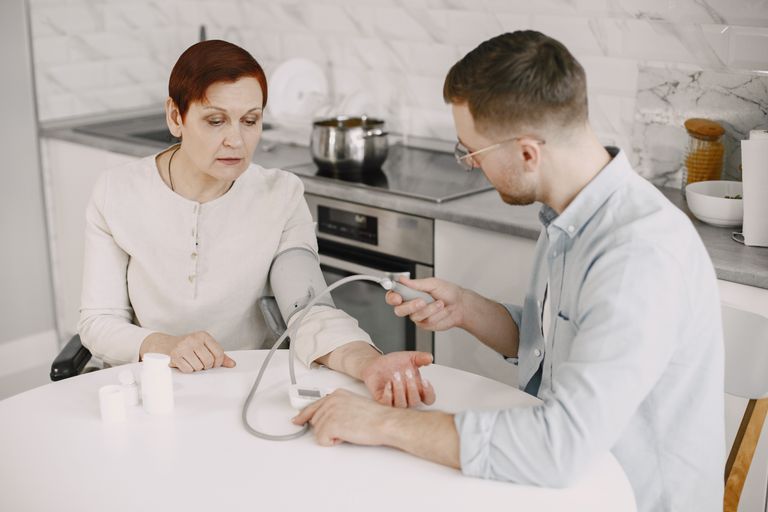

How Compassionate Care Helps Seniors Build Confidence at Home
Confidence isn’t something most people associate with home care, but it’s often one of the most meaningful outcomes of good caregiving. As physical or cognitive changes make certain tasks harder, it’s common for seniors to start doubting themselves in ways that go far beyond the task at hand—feeling less capable, less independent, and sometimes less like themselves.
This kind of quiet self-doubt often builds gradually. A missed step while walking leads to hesitation the next time. Struggling to remember a word leads to withdrawing from conversation. Needing help with a task once done easily leads to feeling like a burden. None of these moments are dramatic on their own, but together, they can erode confidence in ways that affect willingness to engage with daily life at all.
Compassionate caregiving addresses this directly—not by ignoring physical or cognitive changes, but by approaching them in a way that preserves dignity and reinforces capability rather than highlighting limitation. The manner in which support is offered matters just as much as the support itself.
At Blessed Hands Home Care, building confidence is a genuine goal of how we approach caregiving, not simply a pleasant side effect. In this article, we’ll look at how confidence tends to erode with age or illness, and the specific ways compassionate care helps rebuild it.
How Confidence Erodes with Age or Illness
Repeated Small Failures
Struggling with tasks that were once automatic—buttoning a shirt, remembering a name, walking without hesitation—can accumulate into a broader sense of declining capability, even when the underlying changes are minor.
Feeling Like a Burden
Needing help, especially with personal or intimate tasks, can create genuine discomfort and a fear of being seen as a burden to family or caregivers, which often leads to reluctance in asking for help even when it’s needed.
Loss of Roles and Identity
A person who spent decades as a provider, a caregiver themselves, or a respected figure in their community may struggle with the shift to needing assistance, feeling like their identity has changed along with their abilities.
Public or Social Embarrassment
Visible signs of decline—using a walker, needing help at a restaurant, forgetting a familiar name in conversation—can create self-consciousness that leads to social withdrawal.
How Compassionate Care Rebuilds Confidence
Approaching Tasks with Respect, Not Pity
The tone a caregiver brings to a task matters significantly. A caregiver who approaches personal care matter-of-factly, without hesitation or visible discomfort, helps a client feel normal rather than diminished.
Encouraging Participation
Rather than doing everything for a client, compassionate caregivers look for ways to keep clients actively involved, reinforcing what they’re still capable of rather than emphasizing what they can’t do, an approach we detailed in How Caregivers Encourage Seniors to Do More for Themselves, where active participation had a measurable effect on clients’ sense of capability.
Celebrating Genuine Effort
Acknowledging effort, not just successful outcomes, reinforces that trying matters—which builds motivation to keep engaging rather than giving up after a difficult attempt.
Treating Clients as Whole People
Compassionate caregivers take time to learn about a client’s history, interests, and personality, engaging with them as a full person rather than a list of needs. This recognition reinforces identity and self-worth beyond current physical or cognitive limitations.
Normalizing the Need for Help
Caregivers who speak about assistance matter-of-factly, without treating it as unusual or unfortunate, help reduce the shame many clients feel about needing support in the first place.
Providing Consistent, Judgment-Free Support
Knowing that a caregiver’s support doesn’t waver based on good days or bad days provides a sense of security that allows clients to be honest about their struggles without fear of judgment.
Why Confidence Matters Beyond Emotional Well-Being
Confidence isn’t just a feel-good outcome—it has real practical effects:
- Confident individuals are more likely to attempt tasks that support continued independence
- Confidence supports willingness to engage socially, reducing isolation
- A positive sense of self is linked to better overall health outcomes and motivation for self-care
- Clients who feel respected are more likely to communicate openly about their needs and concerns
Practical Tips for Families
- Avoid speaking about your loved one’s limitations in front of them, even casually
- Acknowledge and celebrate small efforts and achievements, not just major milestones
- Ask your loved one about their preferences and involve them in decisions about their own care
- Encourage continued engagement with hobbies or interests that reinforce identity
- Choose a caregiver who treats your loved one with genuine warmth and respect, not just efficiency
How Blessed Hands Home Care Helps
At Blessed Hands Home Care, we train our caregivers to approach every interaction with genuine warmth and respect, recognizing that how care is delivered matters just as much as what gets done. This means engaging clients in real conversation, learning their personal history, and treating assistance as a normal, respectful part of daily life rather than something uncomfortable or unfortunate.
We also focus on encouraging active participation wherever possible, helping clients recognize their continued capability rather than reinforcing a narrative of decline. Over time, we’ve seen this approach make a genuine difference—not just in how comfortable clients feel accepting help, but in their overall outlook and engagement with daily life.
This philosophy connects closely to what we discussed in Celebrating Small Wins: Encouraging Independence Every Day, where consistent recognition of effort and achievement played a direct role in helping clients rebuild confidence over time.
Frequently Asked Questions
Can compassionate caregiving really make a measurable difference in confidence?
Yes. The way support is delivered—with respect, patience, and encouragement—significantly affects how comfortable and capable clients feel, which in turn influences their willingness to engage in daily life.
How can families help rebuild a loved one’s confidence at home?
Acknowledging effort, involving them in decisions, and avoiding language that emphasizes limitations all contribute to preserving and rebuilding confidence.
Does needing more help over time inevitably mean losing confidence?
Not necessarily. With a compassionate, respectful approach to caregiving, many clients maintain or even rebuild confidence despite needing more assistance over time.
What if my loved one feels embarrassed about needing help with personal care?
A caregiver who approaches personal care matter-of-factly and respectfully can help normalize the experience, reducing embarrassment over time.
Can building confidence improve physical health outcomes?
Yes. Confident individuals are more likely to engage in activities that support their health, including physical movement, social engagement, and proactive self-care.
How do I choose a caregiver who prioritizes this kind of compassionate approach?
Ask providers directly about their training and philosophy around dignity and respect in caregiving, and pay attention to how caregivers interact with your loved one during initial visits.
Key Takeaways
- Confidence often erodes gradually through small struggles, feelings of being a burden, and loss of identity tied to previous roles.
- Compassionate caregiving rebuilds confidence through respect, encouragement, and genuine engagement.
- Celebrating effort and encouraging active participation reinforce a client’s sense of capability.
- Confidence has real practical effects on independence, social engagement, and health outcomes.
- Blessed Hands Home Care trains caregivers to prioritize dignity and warmth in every interaction.
Conclusion
Good caregiving does more than complete tasks—it shapes how a person feels about themselves. With a compassionate, respectful approach, seniors can maintain and even rebuild confidence, continuing to engage fully with life even as their needs change.
Contact Blessed Hands Home Care Today
If you want care that supports your loved one’s confidence and dignity, not just their daily tasks, Blessed Hands Home Care is here to help. Contact us today to learn more about our compassionate approach to caregiving.