Why Aging in Place Is Becoming the Preferred Choice for Seniors
For generations, the conventional progression of senior living followed a predictable, often rigid path. As older adults experienced changes in their physical mobility or health, the standard response was to pack up their belongings and transition into a nursing home or an assisted living facility. Today, however, a massive cultural and demographic shift is underway.
Modern seniors are redefining what it means to grow older. Given the choice, the overwhelming majority of older adults express a powerful, unwavering preference to remain right where they are. This phenomenon, known as Aging in Place, has grown from a heartfelt desire into the leading standard of modern elder care.
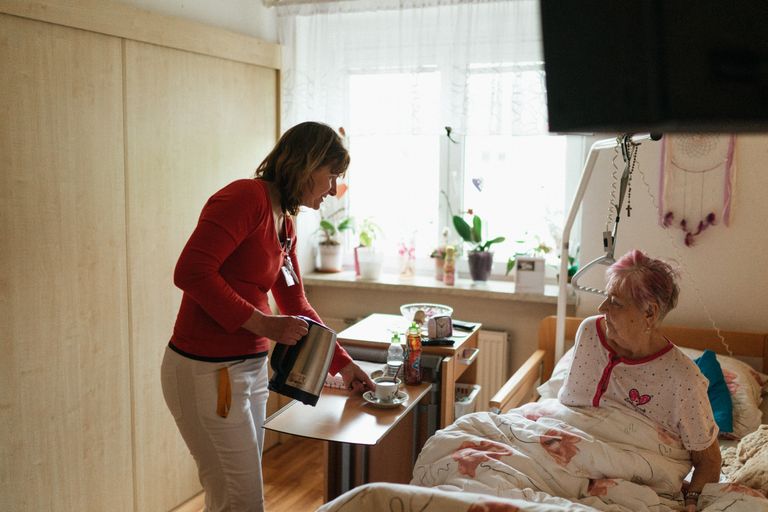
Rather than moving into institutional environments, seniors are choosing to stay in their own houses, apartments, or family residences. Backed by the strategic support of professional In-Home Care, older adults are proving that growing older does not have to mean giving up your freedom. Instead, staying at home preserves Senior Independence and delivers an exceptional, customized standard of Quality Home Care that institutional facilities simply cannot duplicate.
Defining the Phenomenon of Aging in Place
At its core, Aging in Place means having the ability to live in one’s own home and community safely, independently, and comfortably, regardless of age, income, or ability level. It is an intentional philosophy that views the home not just as a piece of real estate, but as a vital pillar of health, emotional stability, and personal identity.
                  ┌────────────────────────────────────────┐
                  │      PILLARS OF AGING IN PLACE         │
                  └───────────────────┬────────────────────┘
                                      │
         ┌────────────────────────────┼────────────────────────────┐
         ▼                            ▼                            ▼
┌──────────────────┐         ┌──────────────────┐         ┌──────────────────┐
│ EMOTIONAL COMFORT│         │ PHYSICAL SAFETY  │         │ TRUE INDEPENDENCE│
│ Deep familiarity │         │ Personalized,    │         │ Autonomy over    │
│ and decades of   │         │ adaptive home    │         │ your own daily   │
│ personal history │         │ environments     │         │ routines         │
└──────────────────┘         └──────────────────┘         └──────────────────┘
At Blessed Hands Home Care, our day-to-day work is driven by a deep and foundational family promise of caring for the elderly. We know that home is where your loved one feels safest. Our approach is designed to honor that connection, creating a supportive environment where seniors can age with total dignity, surrounded by the memories they have built over a lifetime.
The Emotional and Psychological Value of Familiarity
The primary reason seniors choose to stay at home is deeply emotional. A house is far more than four walls and a roof; it is a living archive of a person’s life. It is the place where they raised their children, hosted holiday dinners, celebrated milestones, and found quiet comfort during life’s challenges.
Moving into an assisted living facility requires compressing decades of history into a single, generic room. This sudden change can cause deep emotional stress, confusion, and a sense of grief. For seniors navigating early cognitive changes or memory loss, staying in familiar surroundings is especially vital. The layout of a long-time home provides natural, comforting physical cues that promote safety and reduce the anxiety often triggered by unfamiliar spaces.
Furthermore, remaining at home allows seniors to stay connected to their local neighborhoods. They can keep visiting the same grocery stores, walking along familiar paths, and chatting with neighbors they have known for years. This continuous connection acts as a powerful barrier against social isolation and depression, helping older adults maintain a strong sense of purpose and belonging.
Preserving Senior Independence and Personal Autonomy
True health is deeply connected to a person’s sense of control over their own life. In institutional environments, daily life is naturally shaped by rigid, facility-wide schedules. Residents must adjust to set times for meals, waking up, bathing, and taking part in activities. For a fiercely independent senior, this lack of control can feel restrictive and frustrating.
Choosing to age at home preserves vital Senior Independence. When older adults stay in their own residences, they remain the authors of their daily routines:
- Customized Schedules: Seniors decide exactly when they want to wake up, what they want to eat, and when they prefer to rest.
- Personal Privacy: There are no shared dining halls or unannounced checks from changing facility staff. The home remains a private sanctuary.
- Maintaining Habits: Whether it’s enjoying a morning cup of coffee while reading the paper on the back porch or tending to a small garden, home care allows seniors to keep the small, meaningful rituals that define their days.
The Role of Professional In-Home Care
While the benefits of staying at home are clear, making it work long-term requires a proactive strategy to address physical or cognitive changes. Professional In-Home Care provides the essential, flexible support network that makes staying at home a realistic, sustainable option.
                         ┌───────────────────────┐
                         │   IN-HOME CARE LIFELINE  │
                         └───────────┬───────────┘
                                     │
         ┌───────────────────────────┼───────────────────────────┐
         ▼                           ▼                           ▼
┌─────────────────┐         ┌─────────────────┐         ┌─────────────────┐
│ COMPANION CARE  │         │  PERSONAL CARE  │         │ SPECIALIZED CARE│
│ Social harmony, │         │ Hands-on safety │         │ Advanced memory │
│ conversations,  │         │ for bathing and |         │ support and 24/7│
│ and errands  │         │ mobility       │         │ monitoring    │
└─────────────────┘         └─────────────────┘         └─────────────────┘
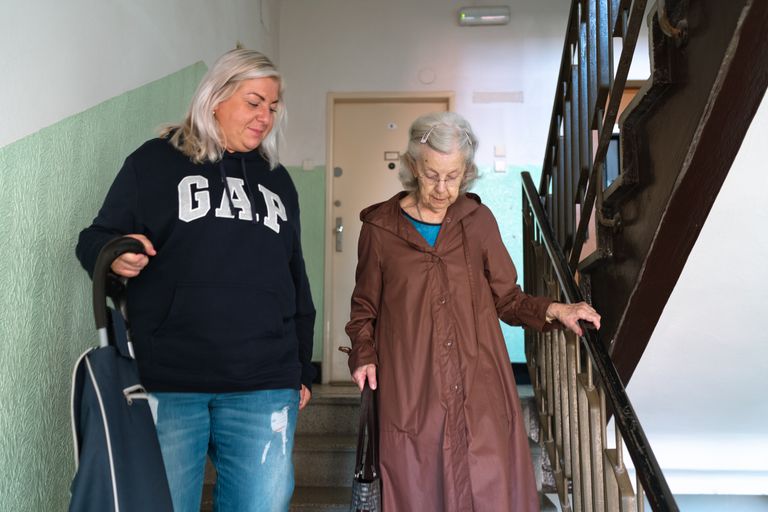
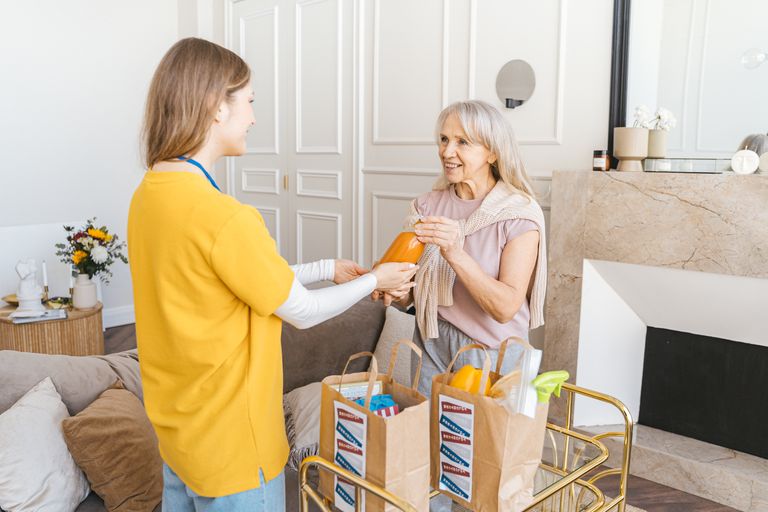
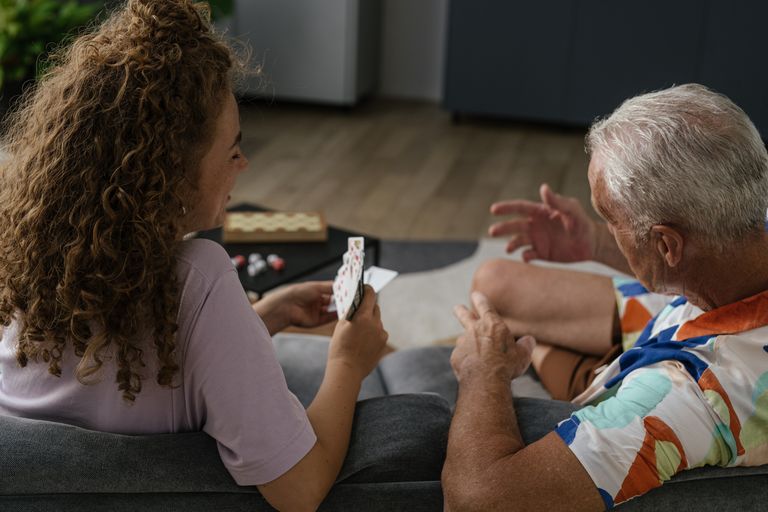
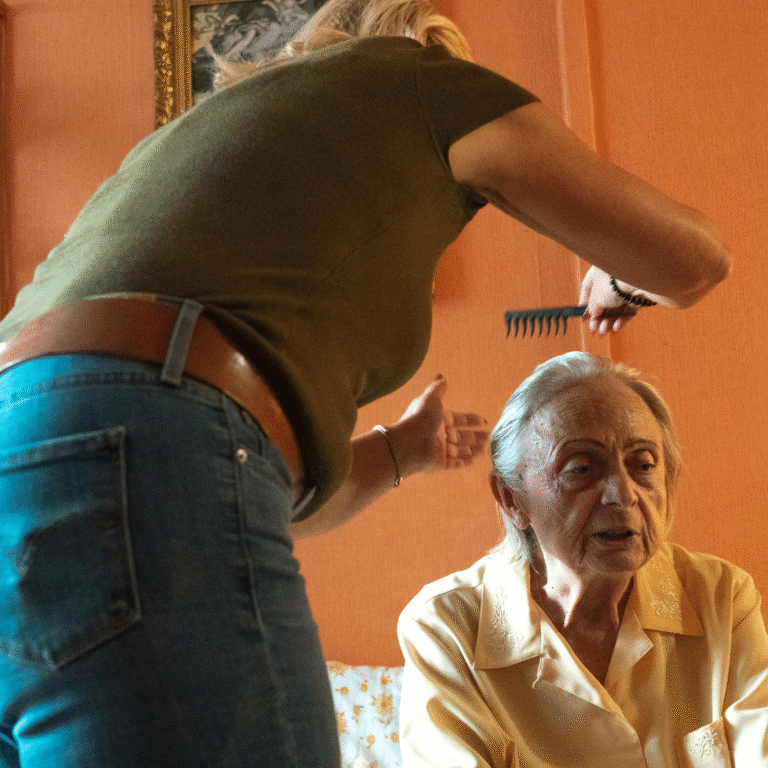
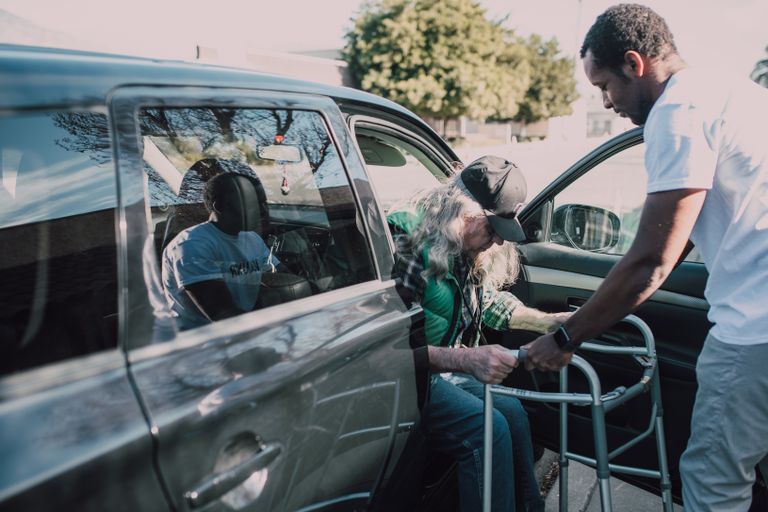
In-home care is highly customizable, meaning it adjusts precisely to the shifting needs of each individual. It does not force an older adult into a rigid category of care. Instead, support can start with a few hours of Companion Care each week to help with groceries, light housekeeping, and shared conversation. As physical needs change, it can smoothly expand into hands-on Personal Care Assistance to assist with bathing, dressing, and daily mobility.
Comparing Quality Home Care to Institutional Facilities
When comparing home care to institutional placement, the differences in personalization, lifestyle continuity, and emotional wellness become clear.
| Feature | Aging in Place with In-Home Care | Institutional Care Facilities |
| Caregiver-to-Client Ratio | 1-on-1 Dedicated Attention: The caregiver’s entire focus is on your loved one. | 1-to-Many Care Models: Staff split their attention across a busy floor of residents. |
| Daily Routine Control | Total Autonomy: The senior sets the schedule for meals, waking up, and sleeping. | Rigid Facility Schedules: Daily life follows a fixed institutional timetable. |
| Dietary Personalization | Tailored Meals: Fresh, home-cooked food prepared around specific personal tastes and health needs. | Mass Meal Preparation: Industrial cafeteria menus designed for large groups. |
| Cost Flexibility | Pay-by-the-Hour Scaling: Families pay only for the specific hours of support they require. | High Monthly Fixed Fees: Large, flat-rate costs regardless of how many services are used. |
Health Benefits: Safety, Nutrition, and Reduced Infection Risks
Beyond the emotional benefits, choosing to age at home brings distinct physical health advantages. Group living facilities can expose seniors to shared viruses and infections, a risk that is significantly lower in the private, controlled environment of a personal home.
Furthermore, Quality Home Care focuses heavily on preventative wellness:
- Fall Prevention: Caregivers conduct continuous safety checks, keeping walkways clear, ensuring proper lighting, and offering steady physical support to eliminate tripping hazards.
- Nutritional Support: Through hands-on Meal Preparation Assistance, caregivers cook fresh, balanced meals that adhere to dietary restrictions, preventing the issues with malnutrition and dehydration often seen in isolated seniors.
- Medication Safety: While caregivers do not prescribe medicine, they provide timely medication reminders, ensuring seniors take the right doses at the proper times to prevent accidental misses or double-dosing.
Financial Advantages and Cost-Effective Care Scaling
A common misconception is that professional in-home care is more expensive than moving into a residential facility. In reality, aging at home is often the most financially sensible choice for families.
Nursing homes and assisted living facilities require high, flat monthly fees that cover room, board, and a bundle of services your loved one may not even use. In contrast, in-home care offers complete financial flexibility. Families can start with a budget-friendly hourly schedule, paying only for the exact help they need. Whether your loved one requires four hours of morning assistance three days a week or needs overnight safety checks, care can scale up or down smoothly as your budget and needs change.
Peace of Mind for the Entire Family System
When an aging family member struggles to live independently, the stress spreads across the entire household. Adult children often find themselves acting as full-time case managers, balancing their own careers and children with the logistical needs of their parents.
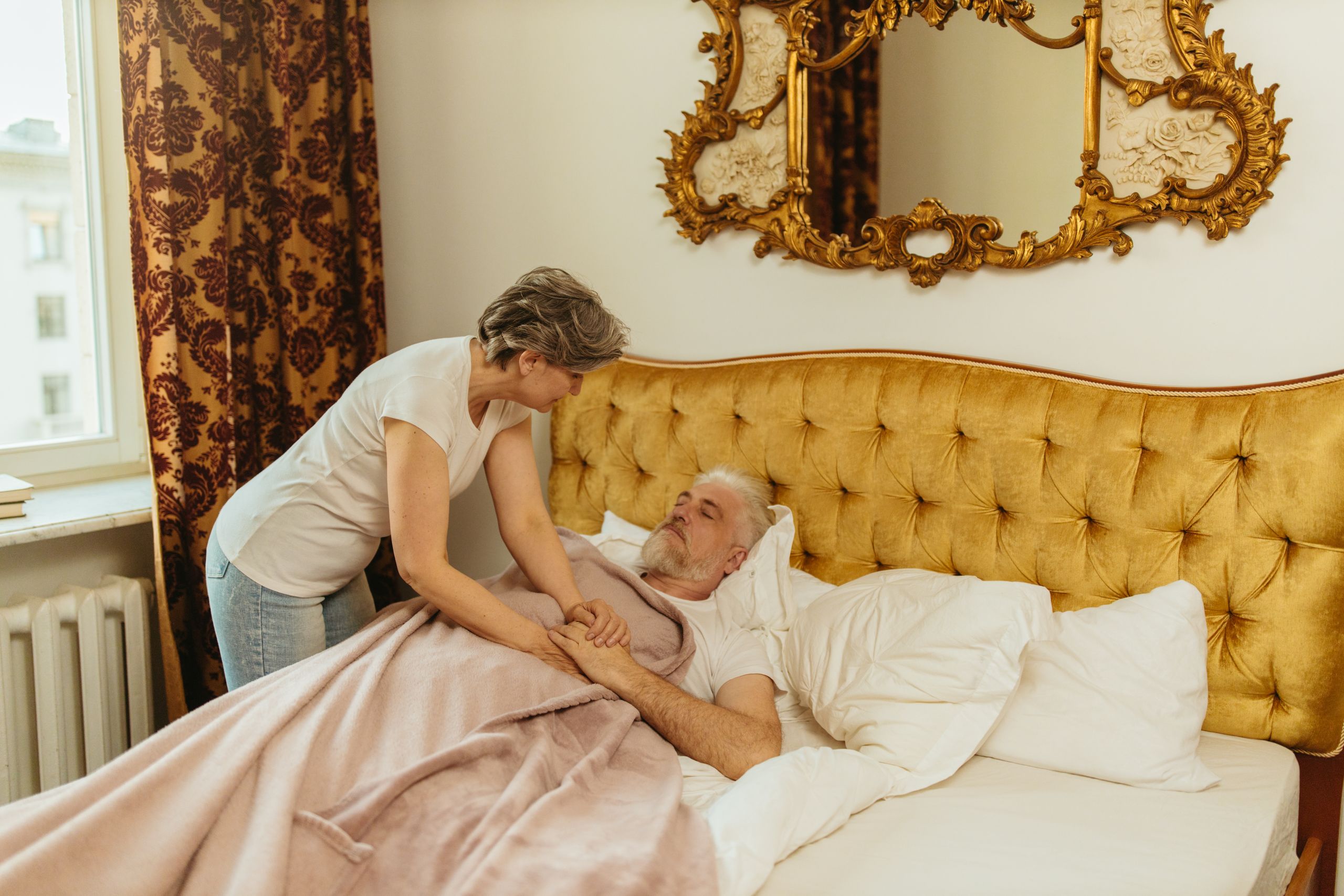
Choosing a trusted care partner lifts that heavy weight from your shoulders. It transforms the family dynamic from one of stress and exhaustion back into one of love and connection. Knowing a professional caregiver is looking out for your parent’s safety, nutrition, and companionship brings profound peace of mind, allowing you to focus on simply enjoying quality time together as a family.
Why Blessed Hands Home Care is Your Trusted Partner
Making the choice to age at home is an act of love, and finding the right team to support that choice is essential. At Blessed Hands Home Care, we provide top-tier care across Butler, Warren, Hamilton, Clermont, and Clinton counties in Ohio.
We don’t believe in generic, one-size-fits-all care. We craft personalized care plans built around the unique personality, routine, and medical history of your loved one. Because we take elderly people like ours, we maintain elite professional standards, specialized training, and hands-on quality checks to ensure your family feels secure and supported every single day.
Final Thoughts: The Future of Growing Older
Aging in place is far more than a passing lifestyle trend; it is a compassionate, common-sense approach that honors the dignity and independence of our elders. By surrounding seniors with the comfort of their own homes and pairing them with dedicated, professional care, we empower them to live out their golden years with true joy, comfort, and peace of mind.