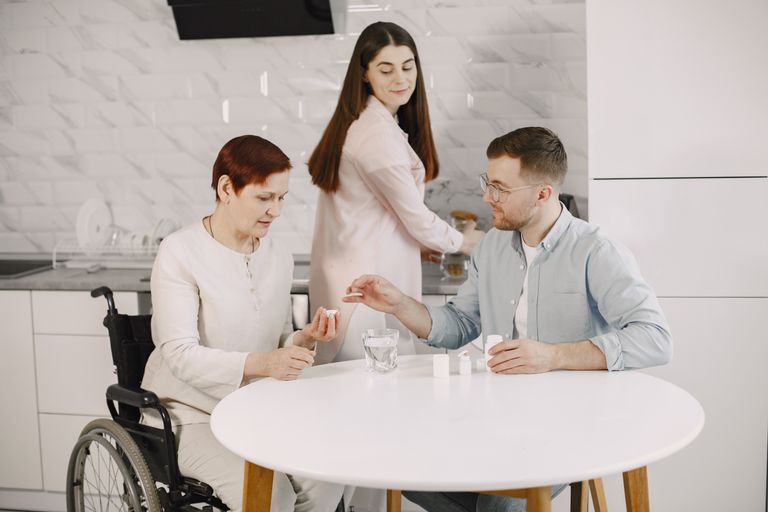

Respite Care: Giving Family Caregivers the Break They Deserve
Caring for an aging loved one is one of the most meaningful responsibilities a family can take on. It is filled with love, patience, and dedication. However, it can also be physically exhausting, emotionally draining, and mentally overwhelming. Many family caregivers find themselves juggling personal responsibilities, work, and round-the-clock care without adequate rest. This is where Respite Care becomes not just helpful, but essential.
Respite Care is a specialized form of support designed to give family caregivers temporary relief while ensuring their loved ones continue to receive quality attention and supervision. It is a vital part of modern Family Care Support, helping families maintain balance, avoid burnout, and continue providing care over the long term.
Without breaks, even the most devoted caregivers can experience fatigue, stress, and declining health. Respite care steps in as a compassionate solution that protects both the caregiver and the senior receiving care.
What Is Respite Care?
Respite Care refers to short-term caregiving services that allow primary caregivers to take a break from their duties. This support can last a few hours, several days, or even longer depending on the family’s needs.
It is designed to ensure continuity of care while giving caregivers time to rest, travel, attend personal matters, or simply recharge.
Respite care can be provided:
- At home by professional caregivers
- In adult day care centers
- In residential care facilities for short stays
However, in-home respite care is often preferred because it allows seniors to remain in familiar surroundings while receiving support.
Why Respite Care Is So Important
Family caregivers often underestimate the emotional and physical toll of long-term caregiving. Over time, this can lead to burnout, stress, and even health problems.
Respite Care plays a critical role in preventing these challenges by providing structured relief.
1. Prevents Caregiver Burnout
Caregiver burnout is a state of physical, emotional, and mental exhaustion caused by prolonged caregiving responsibilities. Symptoms include fatigue, irritability, anxiety, and loss of motivation.
Regular breaks through respite care help prevent burnout and restore balance.
2. Improves Quality of Care
When caregivers are well-rested, they are more patient, attentive, and emotionally available. This directly improves the quality of care provided to seniors.
Respite care ensures caregivers can return to their duties refreshed and focused.
3. Supports Emotional Wellbeing
Caregiving can be emotionally intense, especially when caring for individuals with chronic illnesses or cognitive decline. Taking time away helps caregivers process emotions and reduce stress.
This emotional reset is essential for long-term sustainability in caregiving roles.
4. Strengthens Family Relationships
Constant caregiving responsibilities can sometimes strain family relationships. Respite care allows caregivers to spend time with other family members or focus on personal relationships without guilt or pressure.
This helps restore balance within the household.
Types of Respite Care Services
Respite care is flexible and can be tailored to different family needs.
1. In-Home Respite Care
A professional caregiver comes to the home and temporarily takes over caregiving responsibilities. This is the most common and preferred option because it allows seniors to remain in a familiar environment.
2. Short-Term Residential Care
Seniors stay in a care facility for a few days or weeks while caregivers take a break. This option is useful for extended travel or emergencies.
3. Adult Day Care Services
Seniors attend supervised centers during the day, engaging in activities, meals, and social interaction, then return home in the evening.
4. Emergency Respite Care
This is available during unexpected situations such as illness, family emergencies, or sudden caregiver unavailability.
How Respite Care Supports Family Care Support Systems
Family Care Support is built on the idea that caregiving should not fall on one person alone. Respite care strengthens this system by ensuring shared responsibility and reducing pressure on primary caregivers.
It creates a support structure where families can:
- Share caregiving responsibilities
- Maintain personal and professional balance
- Reduce emotional stress
- Improve long-term caregiving sustainability
This shared approach ensures that seniors receive continuous care without overwhelming any single caregiver.
Emotional Benefits of Respite Care
Caregiving is deeply emotional, and without breaks, caregivers may struggle to maintain emotional stability. Respite care provides an opportunity to recharge mentally and emotionally.
Reduced Stress and Anxiety
Taking time off helps reduce constant stress and prevents emotional exhaustion.
Increased Patience and Compassion
Rested caregivers are more patient and better able to provide Compassionate Home Support.
Improved Mental Clarity
Breaks allow caregivers to regain focus and make better caregiving decisions.
Physical Benefits of Respite Care
Caregiving often involves physical tasks such as lifting, assisting with mobility, or managing daily activities. Over time, this can lead to physical strain.
Respite care helps reduce:
- Back and joint pain
- Fatigue and exhaustion
- Sleep deprivation
- Risk of injury
By allowing caregivers to rest, their physical health is protected.
Benefits for Seniors Receiving Care
Respite care is not only beneficial for caregivers—it also positively impacts seniors.
1. New Social Interaction
Meeting different caregivers introduces variety and social engagement, which can be mentally stimulating.
2. Professional Attention
Temporary caregivers bring professional experience and may introduce new routines or techniques that benefit the senior.
3. Reduced Dependence on One Person
This helps seniors adapt to different caregivers and reduces emotional dependency on a single individual.
When Families Should Consider Respite Care
Families should consider respite care when they notice:
- Caregiver fatigue or burnout
- Increasing stress or frustration
- Decline in caregiver health
- Need for travel or personal time
- Overwhelming caregiving responsibilities
Waiting too long can lead to breakdowns in care quality and caregiver wellbeing.
Building a Healthy Caregiving Balance
Successful caregiving is not about doing everything alone—it is about creating balance. Respite care allows families to maintain this balance by ensuring both caregiver and senior needs are met.
Key strategies include:
- Scheduling regular breaks
- Planning respite care in advance
- Communicating openly within the family
- Using professional support services when needed
This approach ensures long-term caregiving success.
The Role of Compassionate Home Support
At the heart of effective respite care is Compassionate Home Support. Care is not just about physical tasks—it is about empathy, understanding, and emotional connection.
Professional caregivers provide this compassion by stepping in with patience and respect, ensuring seniors feel safe and supported even during temporary transitions.
This emotional continuity is what makes respite care truly effective.
For families seeking reliable solutions, Blessed Hands Home Care offer compassionate and professional respite services that ensure seniors receive consistent attention while caregivers take the rest they need.
Conclusion
Respite Care is an essential part of sustainable caregiving. It recognizes that family caregivers also need rest, support, and time to recharge in order to continue providing quality care.
By reducing burnout, improving emotional wellbeing, and strengthening family support systems, respite care benefits both caregivers and seniors. It is not a luxury—it is a necessity for long-term care success.
Through structured Family Care Support and Compassionate Home Support, families can maintain balance, protect their wellbeing, and ensure seniors continue receiving high-quality care in a safe and loving environment.
FAQs
1. What is respite care?
Respite care provides temporary relief for family caregivers by offering professional care for seniors.
2. How long does respite care last?
It can range from a few hours to several days or weeks depending on family needs.
3. Is respite care only for emergencies?
No, it can be planned regularly or used during emergencies.
4. Does respite care affect the quality of care?
No, it often improves care by allowing caregivers to rest and recharge.
5. Who benefits from respite care?
Both family caregivers and seniors benefit from improved wellbeing and support balance.