How Companion Care Helps Reduce Loneliness in Seniors
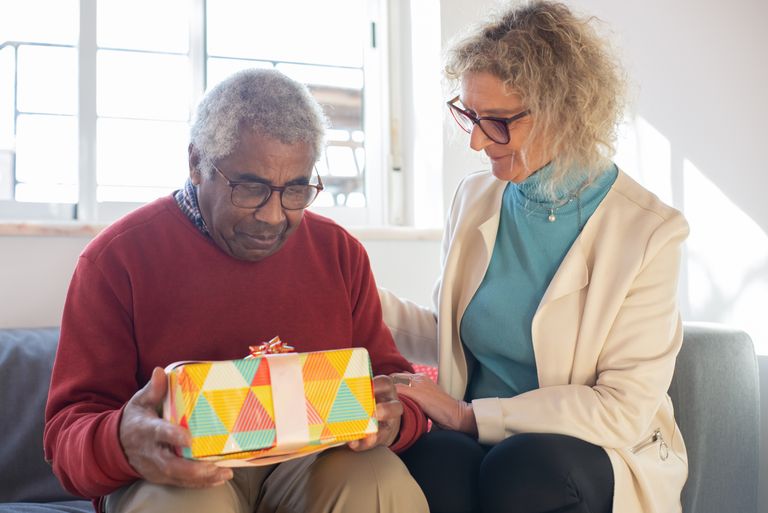
Loneliness doesn’t always look the way people expect. It isn’t always a senior sitting alone in a quiet house, visibly sad. Sometimes it looks like a parent who insists they’re “fine” on every phone call, who has stopped mentioning friends they used to talk about, or who seems a little flatter, a little less curious, than they used to be.
Loneliness among older adults has become one of the most quietly serious public health concerns of recent years. Research has increasingly linked chronic loneliness to real physical consequences—higher rates of heart disease, weakened immune function, cognitive decline, and even mortality risk comparable to smoking or obesity. Yet because it’s an emotional issue rather than a physical symptom, it often goes unaddressed far longer than it should.
For families, this creates a real challenge. You can schedule a doctor’s visit for a physical concern, but loneliness doesn’t show up on a chart. It requires a different kind of attention—consistent, genuine human connection, which isn’t always something family members have the time or proximity to provide daily.
This is where companion care plays a distinct and meaningful role. At Blessed Hands Home Care, companionship isn’t treated as a secondary benefit of caregiving—it’s often the part of care that has the most visible impact on a client’s day-to-day mood and outlook. In this article, we’ll look at why loneliness affects seniors so significantly, how it shows up, and how companion care addresses it directly.
Why Loneliness Is So Common Among Seniors
Several life changes converge in later years to increase the risk of isolation:
- Retirement removes the daily social structure of a workplace
- The loss of a spouse or close friends shrinks a support network
- Reduced mobility or giving up driving limits opportunities to get out
- Adult children often live farther away or have limited time to visit
- Hearing or vision loss can make socializing more effortful and less enjoyable
None of these changes happen because of anything a person did wrong. They’re simply common consequences of aging that, without intentional effort, can add up to genuine isolation.
The Health Impact of Loneliness
The physical and cognitive effects of chronic loneliness are better documented than most people realize:
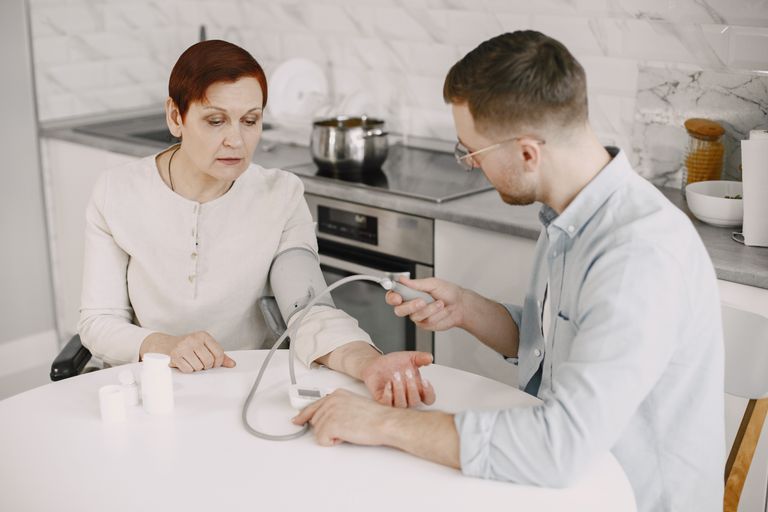
- Cardiovascular strain. Chronic loneliness has been associated with elevated blood pressure and increased heart disease risk.
- Weakened immune response. Isolated individuals often show reduced immune function, increasing vulnerability to illness.
- Cognitive decline. Reduced social engagement is linked to faster cognitive decline and higher dementia risk.
- Depression. Loneliness and depression frequently reinforce each other, each making the other harder to address.
- Reduced motivation for self-care. Isolated individuals are more likely to skip meals, neglect hygiene, or stop taking medication consistently.
This connection between isolation and broader well-being is something we explored in How Social Connection Improves Health and Well-Being for Seniors, where consistent social contact showed measurable benefits across both mood and physical health.
How Companion Care Addresses Loneliness Directly
Consistent, Scheduled Connection
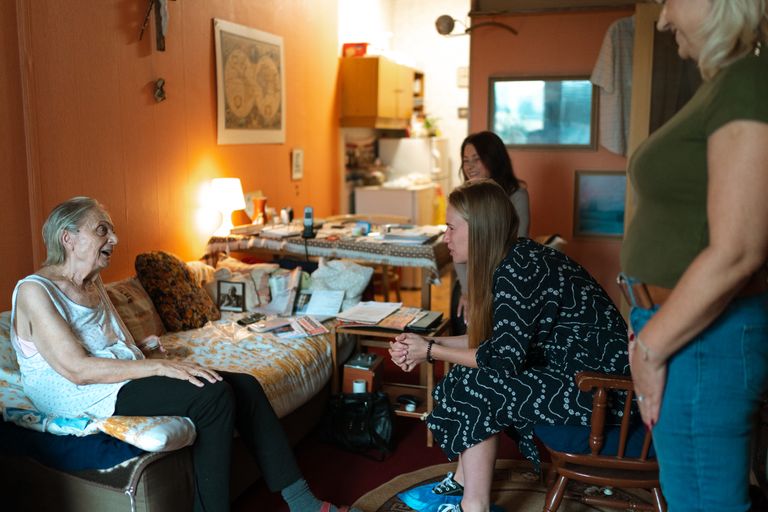
Unlike occasional visits from family or friends, companion care provides regular, predictable contact—often the same caregiver, at the same time, building familiarity and trust over weeks and months.
Genuine Conversation, Not Just Supervision
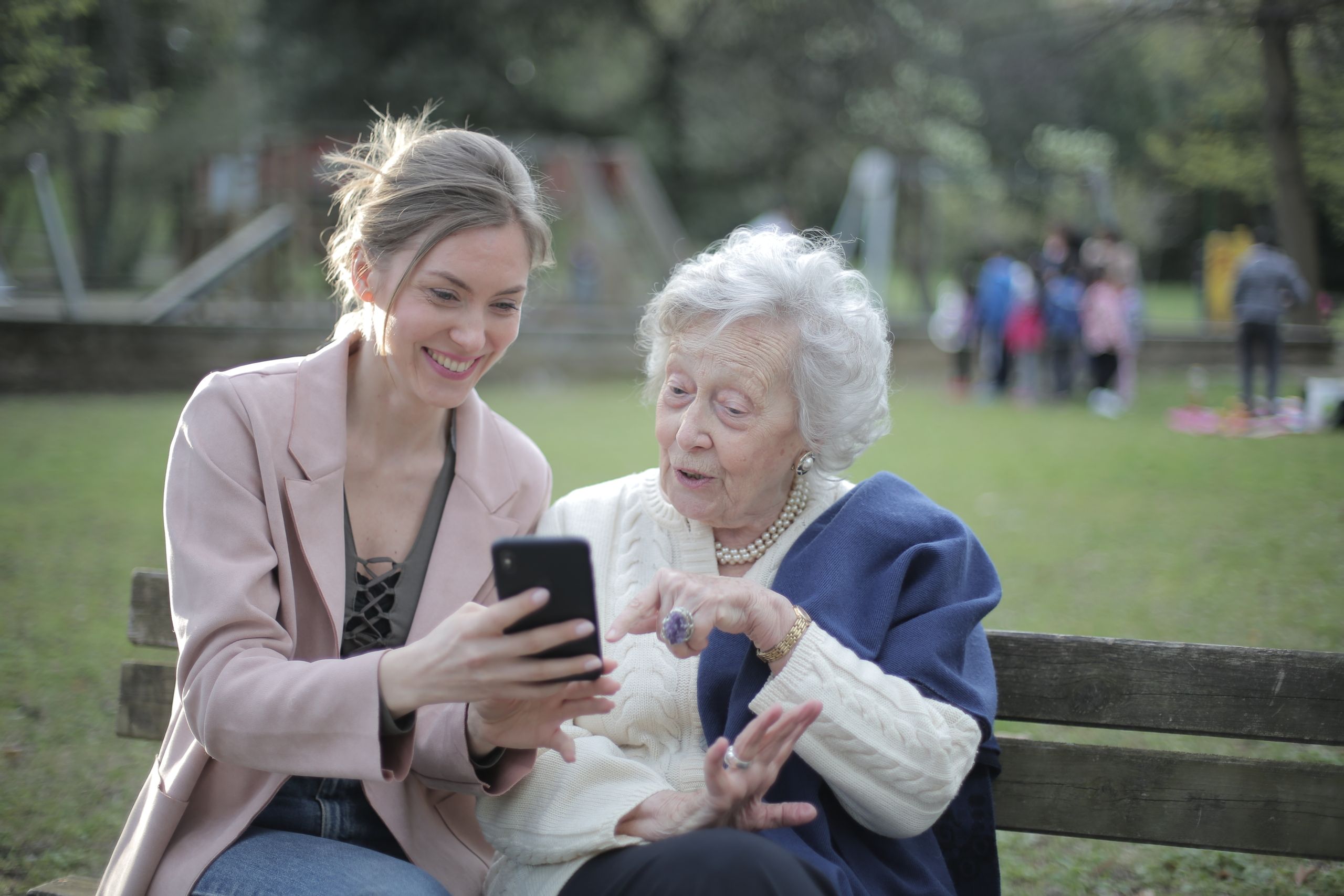
Good companion care isn’t a caregiver sitting quietly in the next room. It involves real conversation—asking about a client’s day, their history, their opinions—treating them as a person with a full life story, not simply someone to be monitored.
Shared Activities
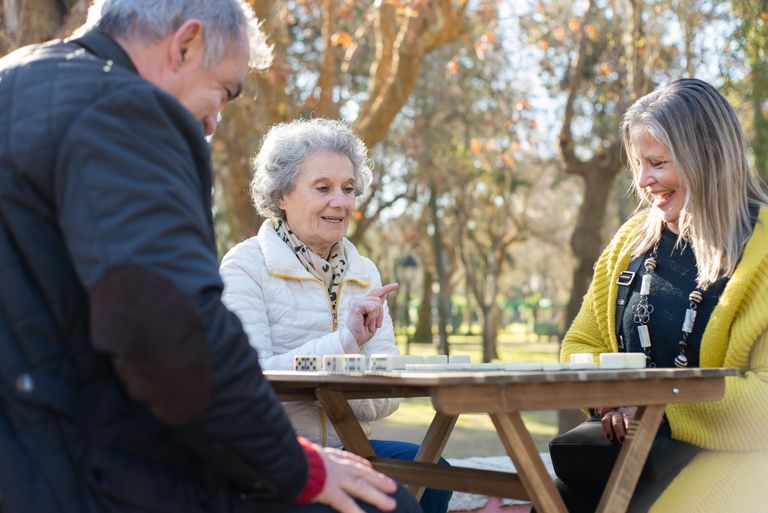
Playing cards, working on a puzzle, watching a favorite show together, or simply cooking a meal side by side gives structure to time spent together and often opens the door to more natural conversation.
Encouraging Continued Interests
Caregivers can help clients stay engaged with hobbies or interests that isolation might otherwise cause them to abandon, from gardening to reading to needlework.
Facilitating Outside Connection
Companion caregivers often help with transportation to social events, church, or visits with friends, addressing one of the most common practical barriers to staying connected.
Recognizing Loneliness in a Loved One
Because seniors rarely describe their experience directly as “lonely,” families often need to watch for indirect signs:
- Talking less about friends or social plans than they used to
- Declining invitations they once would have accepted
- A flatter tone or reduced enthusiasm during conversations
- Spending most of the day watching television with no other activity
- Increased complaints about physical symptoms with no clear medical cause
Practical Tips for Families
- Schedule regular calls or visits, even short ones, at consistent times
- Encourage continued participation in one or two valued activities, rather than trying to rebuild an entire social life at once
- Ask specific questions about friends or community involvement, not just general check-ins
- Consider companion care as a proactive step, not just a response to a crisis
- Involve your loved one in choosing activities or a companion caregiver they connect with
How Blessed Hands Home Care Helps
At Blessed Hands Home Care, we match companion caregivers with clients based on personality and shared interests whenever possible, because genuine rapport makes a real difference in how effective companionship actually is.
Our caregivers take the time to learn what matters to each client—a favorite card game, a lifelong love of gardening, a habit of discussing the news each morning—and build that into their time together. This isn’t filler conversation. It’s a deliberate effort to help clients feel seen and engaged, not simply looked after.
We’ve also seen how this kind of consistent connection supports broader goals, including the sense of purpose we discussed in Living Every Day with Purpose: How Caregivers Support Well-Being, where meaningful daily engagement had a clear, positive effect on clients’ outlook and quality of life.
Frequently Asked Questions
How is companion care different from personal care?
Companion care focuses on emotional support, conversation, and shared activities, while personal care involves hands-on assistance with tasks like bathing and dressing. Many care plans include both.
Can companion care help even if my parent seems resistant to it at first?
Yes. Many clients warm up gradually once they build a relationship with a consistent caregiver. Starting with shorter visits can help ease the transition.
Is loneliness really a health risk, or just an emotional issue?
Research consistently links chronic loneliness to serious physical health risks, including cardiovascular disease, weakened immunity, and cognitive decline, making it a genuine health concern rather than only an emotional one.
How often should companion care visits happen to make a difference?
This varies by individual, but consistency matters more than frequency alone. Even a few regular visits a week can meaningfully reduce isolation when they happen reliably.
Can companion care help someone with dementia or memory loss?
Yes. Companion caregivers can provide patient, structured social engagement that’s often calming and beneficial for individuals experiencing memory changes.
What if my parent already has friends and family nearby—do they still need companion care?
Even with existing relationships, additional consistent daily or weekly contact can help fill gaps, especially on days when family and friends aren’t available.
Key Takeaways
- Loneliness among seniors carries real physical and cognitive health risks, not just emotional ones.
- Life changes like retirement, loss of a spouse, and reduced mobility increase isolation risk.
- Companion care addresses loneliness through consistent connection, genuine conversation, and shared activities.
- Recognizing indirect signs of loneliness helps families intervene before isolation deepens.
- Blessed Hands Home Care matches caregivers to clients based on personality and shared interests.
Conclusion
Loneliness is often described as a quiet condition—easy to overlook, easy to underestimate. But its effects on health and well-being are real and well-documented. Companion care offers something simple but powerful: consistent, genuine human connection that helps seniors feel less alone and more engaged in their own lives.
Contact Blessed Hands Home Care Today
If a loved one seems increasingly isolated, Blessed Hands Home Care can help. Contact us today to learn how our companion care services provide meaningful connection and support.