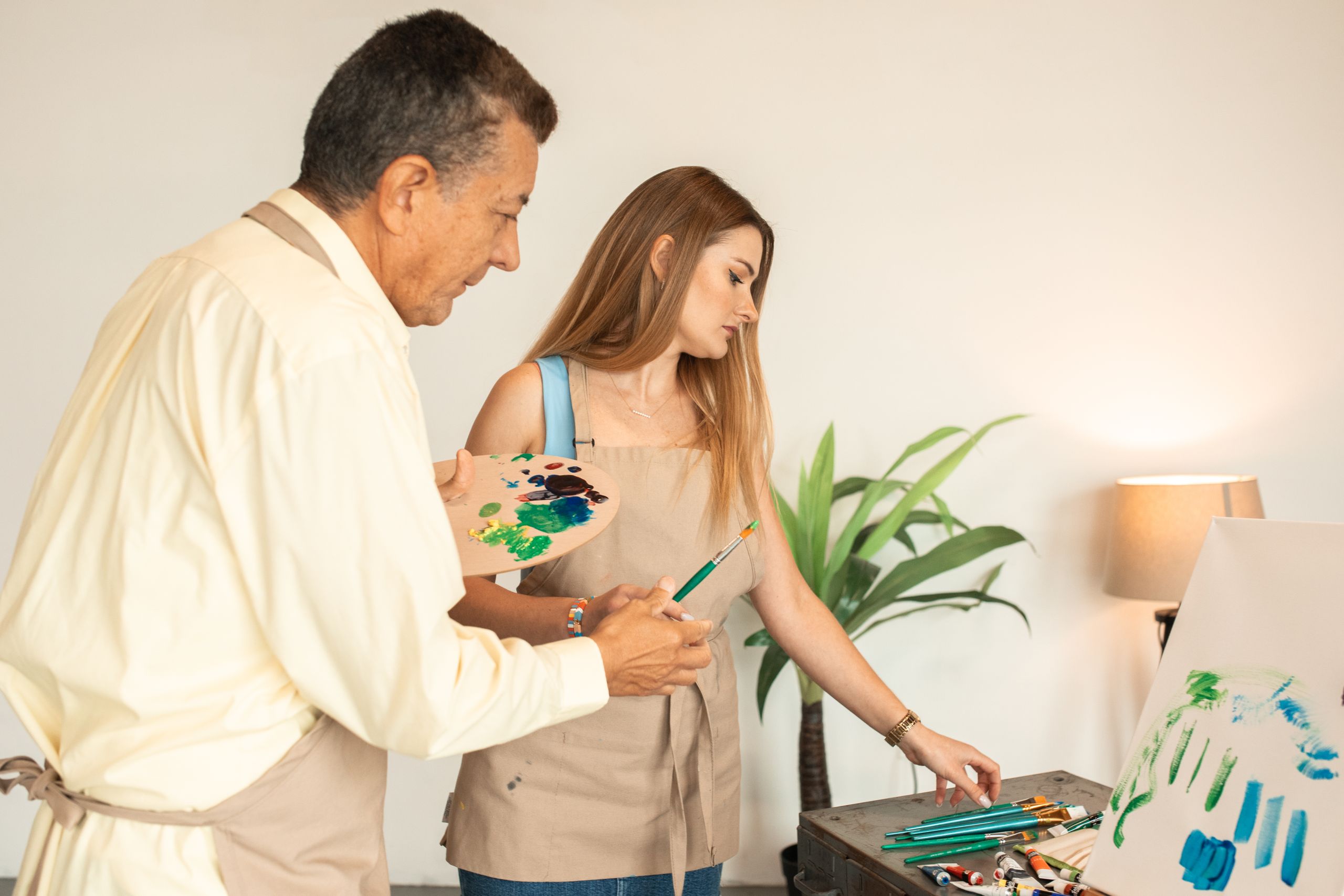
Hobbies for Seniors: Meaningful Activities That Support Healthy Aging
Ask an older adult what they miss most about their working years, and the answer often isn’t the paycheck. It’s the sense of purpose: having somewhere to be, something to do, and people who counted on them. Retirement, health changes, and the loss of friends or a spouse can quietly strip away that structure, leaving long, empty stretches of time.
Hobbies fill that gap in a powerful way. A hobby gives a person something to look forward to, a reason to get up in the morning, and a way to express who they are. It can lift mood, sharpen the mind, strengthen the body, and bring people together. For many seniors, it’s one of the simplest and most enjoyable ways to stay healthy.
But finding the right hobby isn’t always easy. Energy levels change. Joints ache. Eyesight and hearing fade. Old favorites may no longer be practical. And sometimes, the problem isn’t ability. It’s motivation. After a loss or a long period of inactivity, even activities once loved can feel like too much effort.
The good news is that there’s an enormous range of meaningful activities, and almost any hobby can be adapted. At Blessed Hands Home Care, we see every day how much a favorite pastime can brighten a client’s week. In this article, we’ll explore why hobbies matter, ideas for different interests and abilities, and ways families and caregivers can help seniors get started.
Why Hobbies Matter for Healthy Aging
Purpose and Identity
Hobbies remind people who they are beyond their age or health. A retired teacher who tends roses, a former mechanic who builds model cars, or a lifelong baker who still makes Sunday rolls keeps a thread of identity alive.
Emotional Well-Being
Enjoyable activities reduce stress and boost mood. They can ease feelings of sadness and loneliness, and give people moments of joy and accomplishment.
Mental Stimulation
Learning, problem-solving, and creativity keep the brain active, which is associated with better thinking and memory as we age.
Physical Health
Active hobbies, like walking, gardening, or dancing, support strength, balance, and flexibility. Even gentle, seated activities build coordination and fine motor skills.
Social Connection
Many hobbies are shared, whether through clubs, classes, church groups, or time with family. Connection is closely tied to health and happiness in later life.
Routine and Structure
Having something planned each day gives structure and helps with sleep, appetite, and motivation.
Hobby Ideas for Different Interests
Creative Hobbies
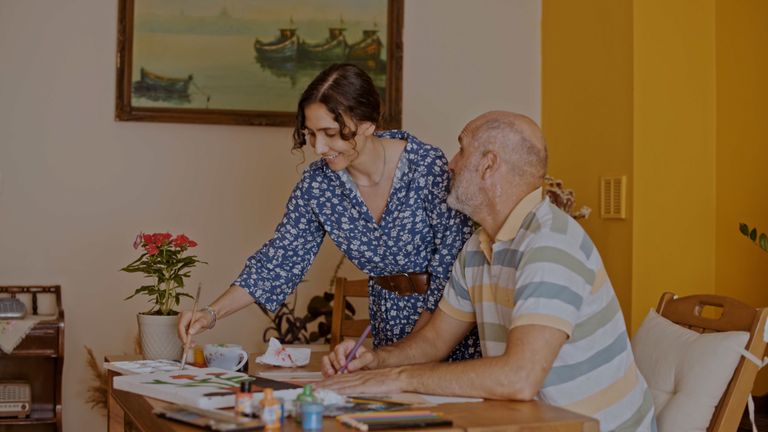
- Painting, drawing, or coloring
- Knitting, crocheting, quilting, or embroidery
- Scrapbooking or photo albums
- Writing letters, poetry, journals, or family stories
- Woodworking or simple crafts
- Playing or listening to music, singing in a choir, or learning an instrument
Hobbies for the Mind
Puzzles, crosswords, card games, trivia, reading, and learning something new keep thinking sharp. For more ideas, see Brain Games for Seniors: Keeping the Mind Active at Home, which offers simple, enjoyable ways to exercise memory and attention.
Physical and Outdoor Hobbies
- Walking, light hiking, or birdwatching
- Gardening, whether outdoors, in raised beds, or with indoor plants
- Gentle stretching, tai chi, chair yoga, or water exercise
- Dancing, even seated
- Fishing or sitting by a lake or park
Social Hobbies
- Book clubs, church groups, or volunteer work
- Game nights with cards, dominoes, or board games
- Community classes or senior center activities
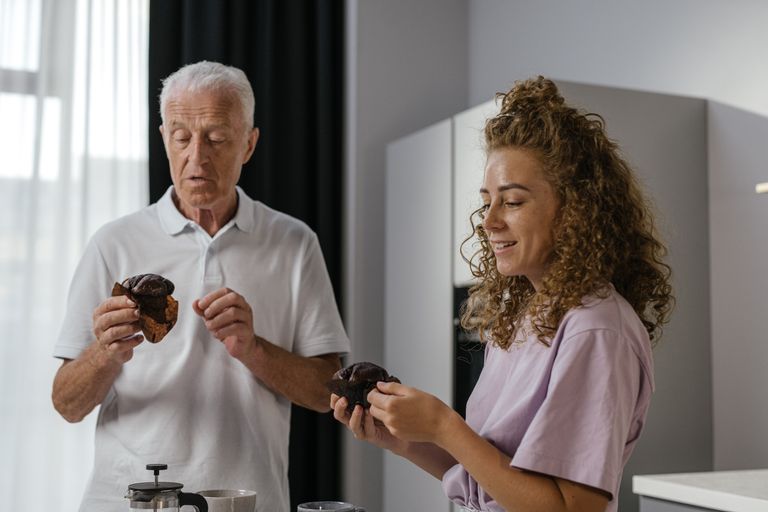
- Cooking and sharing meals
- Video calls and shared hobbies with grandchildren
Nostalgic and Reflective Hobbies
- Looking through old photographs
- Recording family history or oral stories
- Listening to music from their younger years
- Watching classic films
- Creating memory boxes or scrapbooks
Giving Back
Many seniors find deep meaning in helping others, whether by knitting blankets for charity, mentoring younger people, writing cards for those in need, or volunteering at a local organization.
Adapting Hobbies for Limited Mobility, Vision, or Memory
A health change doesn’t have to mean giving up a favorite activity. With a few adjustments, many hobbies remain possible.
For Limited Mobility or Arthritis
- Use lightweight tools, padded grips, or adaptive equipment
- Choose seated versions of activities, such as chair yoga or tabletop gardening
- Break projects into short sessions with rest in between
For Low Vision
- Use large-print books, bright lighting, and high-contrast materials
- Try audiobooks, music, or podcasts
- Choose tactile hobbies like pottery, knitting, or baking
For Hearing Loss
- Pick activities where conversation isn’t essential, or use captions
- Make sure hearing aids are in and working
- Choose quiet environments for group activities
For Memory Loss
- Focus on enjoyment, not perfection
- Choose familiar, simple, repetitive activities, such as folding towels, sorting buttons, or listening to music
- Offer one step at a time, with gentle encouragement
- Use sensory activities, like hand massage, scents, or textured items
For Low Energy
- Keep activities short and flexible
- Choose the time of day when energy is highest
- Celebrate small efforts
How to Help a Senior Find the Right Hobby
Start with Their Story
Ask about what they loved doing as a child, a young adult, or in their working years. Old interests often hold clues to new ones.
Offer Choices, Not Assignments
Seniors are far more likely to enjoy something they pick themselves. Present a few options and let them decide.
Start Small
A 15-minute activity is more approachable than a big commitment. Success builds confidence.
Do It Together
Many people are more willing to try something new with company. Joining in turns the activity into quality time.
Be Patient with Resistance
Reluctance is common, especially after a loss. Gently keep offering opportunities without pressure.
Focus on Enjoyment
The goal isn’t a perfect product. It’s meaning, connection, and pleasure in the process.
Practical Tips for Families
- Keep supplies for favorite hobbies visible and easy to reach
- Set up a dedicated, well-lit space for activities
- Schedule hobby time into the week, just like an appointment
- Display or share finished projects to celebrate accomplishments
- Look into local senior centers, libraries, and community programs
- Involve grandchildren for a fun, intergenerational activity
How Blessed Hands Home Care Helps
At Blessed Hands Home Care, we believe that a good day isn’t just one where tasks are completed. It’s one with something meaningful in it. Our caregivers take time to learn each client’s passions, history, and interests, then help weave favorite activities into everyday life.
That might mean setting up a table for a card game, planting herbs on the porch, listening to a favorite record together, or simply providing transportation to a club or class. Caregivers adapt each activity to the client’s abilities, offering just enough support so that they can participate fully and comfortably.
We’ve seen again and again how shared activity brightens mood and strengthens connection, a theme we explored in How Shared Activities Improve Emotional Well-Being Through Home Care, where clients responded with more energy, conversation, and joy when they were doing something they loved. For many families, seeing a loved one smile over a familiar hobby is one of the most rewarding parts of care.
Frequently Asked Questions
What if my parent says they’re not interested in anything?
That’s common, especially after a loss or illness. Start with small, low-pressure invitations tied to past interests, and be patient. Sometimes, low motivation can signal depression, so mention it to a doctor if it persists.
Are hobbies good for people with dementia?
Yes. Simple, familiar, enjoyable activities can reduce agitation, improve mood, and provide connection, even when memory is impaired. The key is to focus on enjoyment, not accuracy.
What are some low-cost hobbies for seniors?
Walking, reading from the library, listening to music, journaling, gardening from seeds or cuttings, and cooking simple recipes can all be done on a small budget.
How often should seniors do their hobbies?
Regularity matters more than length. A little time each day, or several times a week, helps build routine and benefit.
Can a caregiver help with hobbies?
Yes. Caregivers can set up materials, provide encouragement, join in, assist with physical tasks, and drive clients to classes or clubs.
How can I encourage a reluctant senior to try something new?
Offer choices, start small, do it together, and tie it to something they already enjoy. Avoid pressure, and celebrate even small steps.
Key Takeaways
- Hobbies support purpose, mood, brain health, physical activity, and social connection.
- There’s a wide range of creative, physical, social, and reflective activities, and nearly any hobby can be adapted.
- Starting with past interests, offering choices, and keeping it small makes it easier to begin.
- Meaning and enjoyment matter more than skill or perfection.
- Blessed Hands Home Care helps clients weave favorite hobbies into everyday life.
Conclusion
A hobby is more than a way to pass the time. It’s a way to feel alive, connected, and like yourself. Whether it’s tending tomatoes, humming along to an old song, or completing a puzzle with a friend, meaningful activity brings color to the days and supports healthy aging in countless ways.
It’s never too late to rediscover an old passion or start a new one. With a little encouragement and support, every day can hold something worth looking forward to.
Contact Blessed Hands Home Care Today
If you’d like to see your loved one more engaged and enjoying their days, Blessed Hands Home Care can help. Contact us today to talk about how our caregivers can support meaningful activities and companionship at home.