In-Home Support for Adults with Disabilities: Promoting Choice and Independence
Most adults make dozens of small decisions before breakfast. What to wear, what to eat, when to leave, who to call. These choices are so ordinary that we rarely notice them. But for many adults with disabilities, those everyday decisions have too often been made by someone else, whether by well-meaning family, a service system, or a care schedule built for convenience rather than for the person.
Good in-home support turns that around. Its purpose isn’t to manage a person’s life. It’s to make the life they’ve chosen possible. That might mean help getting out of bed, cooking a meal, managing a budget, or getting to a job, a class, or a friend’s house. The support exists to serve the person’s goals, not the other way around.
This idea is often called self-determination or person-centered care, and it sits at the heart of modern disability support. It recognizes that every adult has the right to make choices about their own life, including choices that involve some risk, and that the right kind of help expands those choices rather than shrinking them.
For families, shifting from “protecting” to “supporting” can feel like a big change, especially after years of advocating and worrying. At Blessed Hands Home Care, we work with individuals and families who want care that is safe and respectful of autonomy. In this article, we’ll look at what choice and independence really mean, what good in-home support looks like in practice, and how families can help build a plan that puts the person first.
What “Choice and Independence” Really Mean
Independence doesn’t mean doing everything alone. It means having control over your own life, with whatever supports you need.
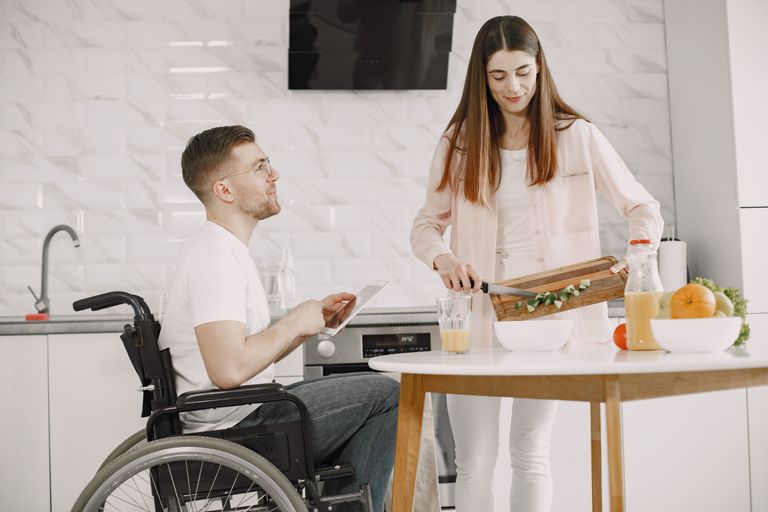
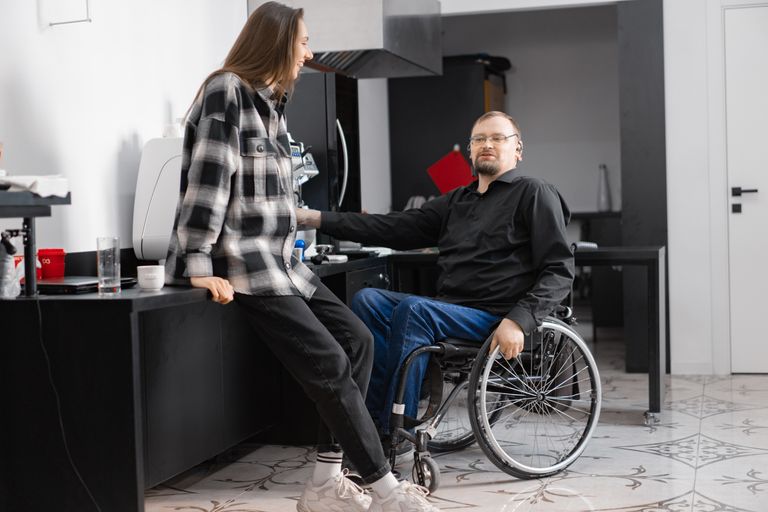
Someone who uses a wheelchair, relies on a communication device, or needs help with personal care can still be fully independent if they’re the one deciding how their day goes, who helps them, and what they pursue.
Choice includes decisions about:
- Daily routines, such as when to wake up, eat, and go out
- Where and with whom to live
- Who provides support, and how
- Work, school, volunteering, and hobbies
- Friendships, relationships, and social activities
- Health care, money, and personal goals
- Taking reasonable risks, which are part of every adult’s life
Why Choice Matters So Much
Having a say in your own life isn’t just a preference. It’s tied to well-being. People who are able to make choices tend to experience greater confidence, motivation, and satisfaction. When choices are limited or ignored, people can feel powerless, frustrated, or invisible, and skills that aren’t used can fade.
Choice also builds capacity. Every decision, even a small one, is a chance to practice judgment and advocate for oneself. That’s why good supports look for ways to offer choices at every opportunity. We explored this principle in How Caregivers Can Support Independence Without Taking Away Choice, where offering options and respecting preferences made care feel like a partnership instead of something done to someone.
What Person-Centered In-Home Support Looks Like
It Starts with Listening
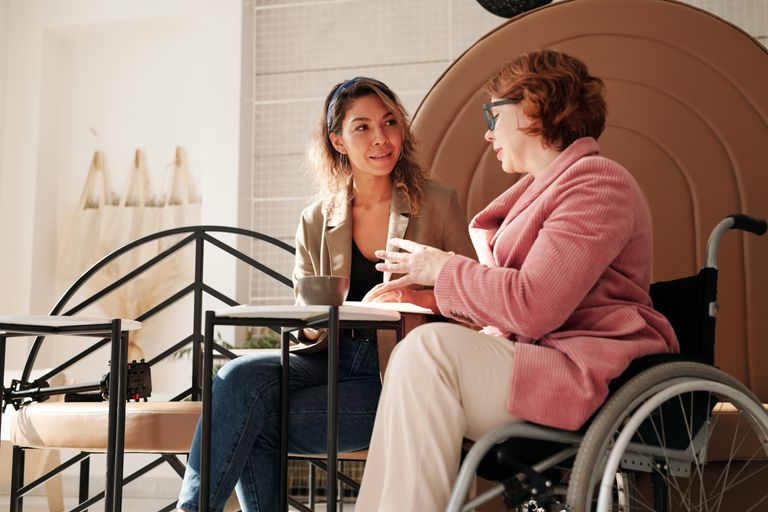
A person-centered plan begins with the individual’s own voice: what matters to them, what they want to change, what they’re good at, and what a good day looks like. Family input is valuable, but the person is the expert on their own life.
It Focuses on Strengths and Goals
Rather than starting with a list of deficits, good planning starts with strengths, interests, and goals, such as living more independently, finding a job, learning to cook, or joining a community group.
It Offers Real Options
Meaningful choice means more than “yes or no.” Caregivers present options in ways the person can understand, using plain language, pictures, demonstrations, or technology as needed, and allow time to decide.
It Supports Decision-Making Without Taking Over
Some people need help understanding information or weighing options. Supported decision-making means providing explanations, time, and encouragement, while leaving the final decision with the person.
It Respects Dignity and Privacy
Personal care, health, and finances are private. Good support involves asking permission, explaining what’s happening, and protecting dignity at every step.
It Embraces Dignity of Risk
Everyone learns by trying, and sometimes by making mistakes. Good support balances safety with the right to take reasonable risks, finding ways to reduce harm without removing opportunity.
It Adapts Over Time
Goals and needs change. A good plan is reviewed regularly and adjusted as the person grows, learns, or faces new circumstances.
Everyday Ways Caregivers Promote Choice
- Offering two or three options for meals, clothing, and activities
- Letting the person lead the daily schedule wherever possible
- Breaking tasks into steps so they can take part
- Waiting patiently rather than rushing to do things for them
- Using the person’s preferred communication style, whether speech, signs, pictures, or devices
- Asking before helping, and respecting a “no”
- Supporting involvement in household decisions, from grocery lists to decorating
- Encouraging new experiences, friendships, and interests
Supporting Skill-Building and Growth
Independence grows when skills grow. In-home support can include teaching and practicing everyday skills like cooking, cleaning, money management, using public transportation, or using a phone. Learning doesn’t stop in adulthood, as we discussed in Lifelong Learning for Adults with Disabilities: Growing with Confidence and Purpose, where building new skills opened doors to greater confidence and participation.
Skill-building works best when it’s:
- Connected to a goal the person cares about
- Broken into small, achievable steps
- Practiced regularly in real-life settings
- Celebrated, even when progress is gradual
Connecting to Community
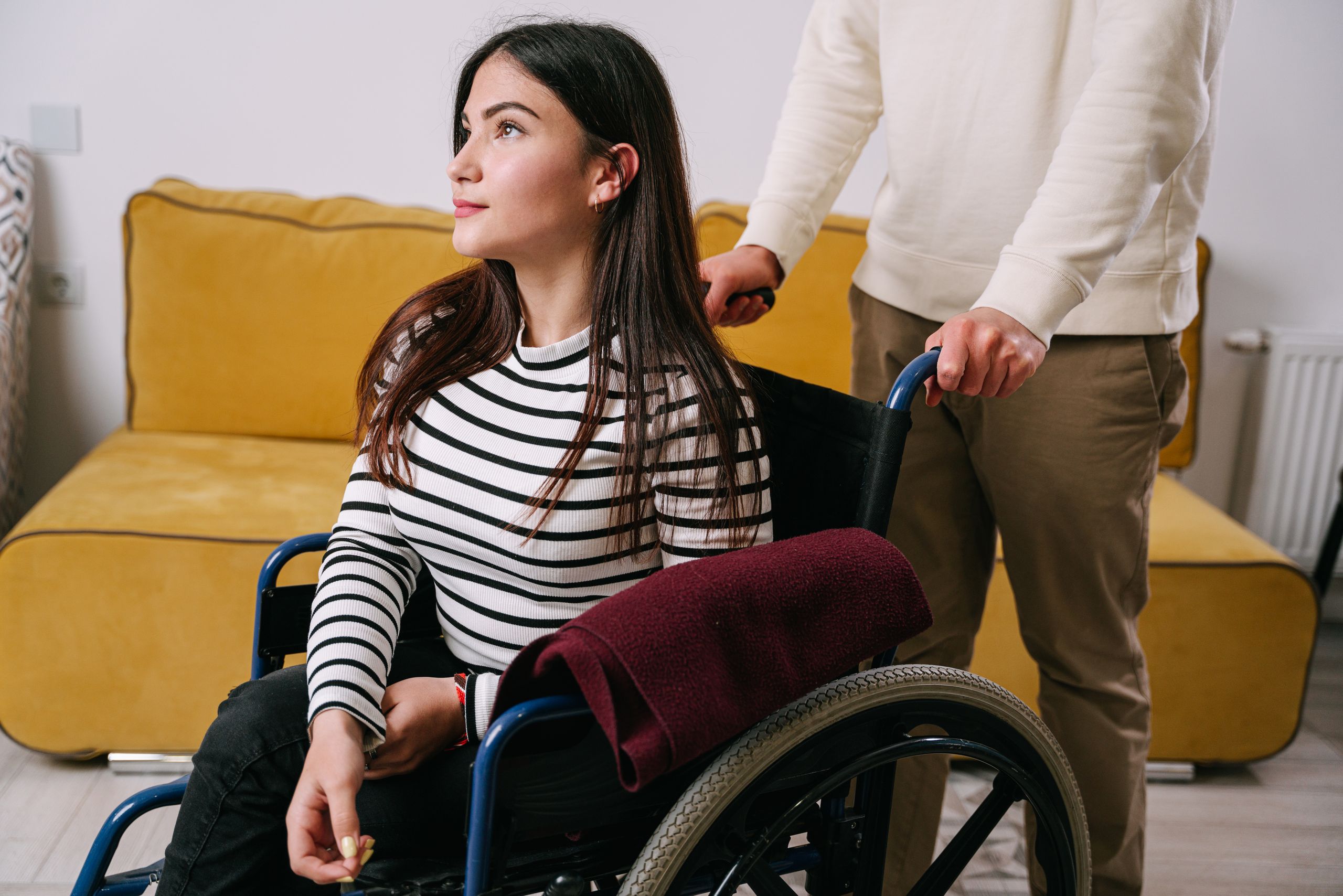
A good life extends beyond the front door. In-home support can include help accessing the community through transportation, accompanying someone to appointments, classes, jobs, faith communities, and social events, or helping them build friendships and routines outside the home. Inclusion in community life is a key part of independence and well-being.
Practical Tips for Families
- Ask your loved one what they want, and listen without rushing to correct or fix
- Let go of small decisions, even when you’d choose differently
- Share concerns openly, but focus on solving problems together instead of overriding choices
- Look for supports that fit goals, not just a standard schedule
- Review the plan regularly, and invite your loved one to attend planning meetings
- Celebrate growth, and remember that independence is a journey
- Take care of yourself too, since shifting roles can be emotional
How Blessed Hands Home Care Helps
At Blessed Hands Home Care, we believe that support should always serve the person’s own vision for their life. Before care begins, we take time to understand what independence means to each individual: their goals, their routines, their communication style, and the way they like to be helped.
Our caregivers offer choices throughout the day, from small decisions about meals and clothing to larger ones about activities and goals. They provide as much or as little assistance as each person wants, encouraging participation and celebrating progress. We work closely with individuals and families to build plans that are flexible, respectful, and adjusted over time.
Because we see care as a partnership, we value honest conversation, patience, and consistency. The aim is simple: to help each person live safely, comfortably, and on their own terms.
Frequently Asked Questions
What is person-centered care for adults with disabilities?
It’s an approach that puts the individual’s preferences, strengths, and goals at the center of planning and daily support, rather than building care around a standard schedule or a list of limitations.
How can families support choice while still keeping their loved one safe?
By focusing on shared problem-solving: identifying real risks, discussing options together, and finding ways to reduce harm while preserving independence. Safety and choice don’t have to be opposites.
What if my loved one has difficulty communicating their preferences?
Caregivers can use pictures, gestures, communication devices, and observation of what a person responds to. Taking time to learn their cues is part of good support.
Can in-home support help with work or education goals?
Yes. Many support plans include help with routines, transportation, and skills needed to work, volunteer, or learn, and they can be coordinated with employers, schools, or community programs.
Do care plans change over time?
They should. Goals, abilities, and circumstances evolve, and a good plan is reviewed and updated regularly with the person’s input.
How is this different from a group home or facility?
In-home support allows individuals to live in their own homes and communities, with supports tailored to them. Facilities often involve shared routines and less individual flexibility, though what’s best depends on each person’s needs and wishes.
Key Takeaways
- Independence means having control over your own life, with whatever supports are needed.
- Person-centered support starts with the individual’s voice, strengths, and goals.
- Offering real choices, supporting decision-making, and respecting reasonable risk build confidence and skills.
- Skill-building and community connection expand independence over time.
- Blessed Hands Home Care provides flexible, respectful in-home support designed around each person’s goals.
Conclusion
Good support doesn’t shrink a person’s world. It opens it. When in-home care is built around choice, respect, and goals, adults with disabilities can live with greater confidence, connection, and control over their own lives.
Every person deserves the chance to decide what a good life looks like and the support to pursue it. With the right partnership, that’s entirely possible.
Contact Blessed Hands Home Care Today
If you or a loved one is looking for in-home support that respects choice and independence, Blessed Hands Home Care is here to help. Contact us today to talk about a person-centered plan built around your goals.