
Adaptive Tools for Daily Living: Helping People Stay Independent at Home
Sometimes the difference between struggling with a task and doing it comfortably isn’t strength or willpower. It’s a small piece of equipment. A button hook that makes a shirt manageable. A jar opener that spares sore hands. A cup with two handles that keeps a tremor from spilling the morning coffee.
Adaptive tools, also called assistive devices or daily living aids, are designed to make everyday tasks easier for people with limited strength, mobility, vision, grip, balance, or memory. They aren’t just for people with severe disabilities. Many older adults, people recovering from surgery, and adults with disabilities find that a well-chosen tool can help them keep doing things for themselves, which protects both independence and dignity.
The challenge is that many families don’t know what’s available, or assume that needing a tool means giving up. In reality, the opposite is often true. The right tool can reduce frustration, lower the risk of injury, and delay or reduce the need for hands-on help with certain tasks. It can turn “I can’t” into “I can, my way.”
At Blessed Hands Home Care, we’ve seen how much confidence a simple device can restore. In this article, we’ll walk through adaptive tools for different parts of daily life, how to choose them, and how to introduce them in a way that feels empowering rather than limiting.
Why Adaptive Tools Matter
Adaptive tools support independence in practical ways:
- They make tasks possible. Tools can compensate for reduced grip, reach, strength, or vision.
- They reduce risk. Grab bars, non-slip mats, and stable seating help prevent falls and injuries.
- They conserve energy. Doing a task with less effort leaves more energy for the rest of the day.
- They protect privacy and dignity. Being able to dress, eat, or use the bathroom independently preserves a sense of control.
- They boost confidence. Success with a task builds the willingness to try more.
- They ease caregiver strain. Less physical assistance may be needed.
Adaptive Tools by Area of Daily Life
Dressing and Grooming
Getting dressed involves reaching, bending, gripping, and balance, all of which can become difficult.
- Button hooks and zipper pulls help with fasteners when fingers are stiff or weak
- Long-handled shoehorns reduce bending
- Elastic shoelaces or slip-on shoes eliminate tying
- Sock aids help pull on socks without bending
- Dressing sticks assist with reaching and pulling clothing
- Clothing with Velcro, magnetic closures, or elastic waistbands simplify dressing
- Long-handled brushes and combs help with reaching the head and back
- Electric toothbrushes and built-up handles make grooming easier with weak grip
Eating and Drinking
- Built-up or angled utensils are easier to hold with arthritis or tremors
- Weighted utensils can help steady shaky hands
- Two-handled cups and mugs offer a more secure grip
- Cups with lids and straws reduce spills
- Plate guards or scoop dishes help keep food on the plate
- Non-slip mats keep dishes from sliding
Kitchen and Household Tasks
- Jar and bottle openers save strained hands
- Electric can openers reduce effort
- Lightweight pots and pans with easy-grip handles are safer and easier to manage
- Rocker knives and cutting boards with stabilizers make food preparation safer
- Long-handled dustpans and reachers help avoid bending
- Lever-style faucet handles are easier to turn than knobs
- Pill organizers and talking or automatic dispensers help with medication routines
Bathing and Toileting
The bathroom is one of the highest-risk areas of the home, and adaptive equipment is especially valuable here.
- Shower chairs and benches allow seated bathing
- Grab bars provide stable support
- Handheld showerheads make washing easier
- Long-handled sponges help reach feet and back
- Non-slip mats reduce slipping
- Raised toilet seats and safety frames support sitting and standing
- Bedside commodes can be helpful if getting to the bathroom is difficult
Reaching and Mobility
- Reachers and grabbers pick up items without bending or stretching
- Canes, walkers, and rollators provide balance and support
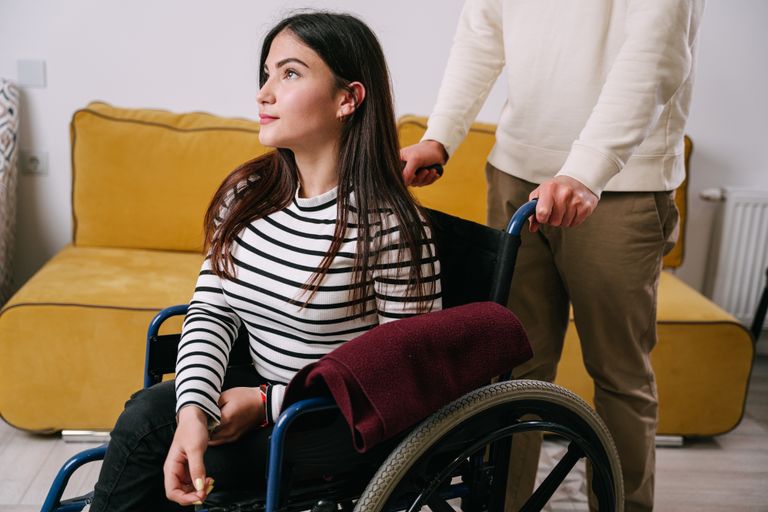
- Wheelchairs and scooters extend mobility
- Transfer boards and gait belts assist with moving safely between surfaces
- Bed rails and bed assist handles help with getting in and out of bed
- Lift chairs assist with standing up from sitting
- Stair rails and ramps improve access around the home
Vision, Hearing, and Communication
- Large-print books, labels, and phone buttons help with low vision
- Magnifiers and bright task lighting make reading and fine tasks easier
- Talking clocks, watches, and thermometers assist with low vision
- Amplified phones and hearing devices improve communication
- Voice-activated assistants allow hands-free calling, reminders, and music
- Communication boards and speech-generating devices support those with speech challenges
Memory and Safety
- Whiteboards and large calendars help with orientation and reminders
- Automatic stove shut-off devices reduce kitchen risks
- Door alarms or chimes can help if wandering is a concern
- Medical alert systems provide quick access to help in an emergency
- Nightlights and motion-sensor lights improve safety after dark
How to Choose the Right Tools
Start with the Person’s Goals
Ask what tasks are most frustrating or important. A tool is only useful if it solves a real problem and fits the person’s preferences.
Get Professional Guidance
An occupational therapist can assess abilities, the home environment, and daily routines, then recommend the right equipment and teach safe use. A doctor, physical therapist, or home health agency can also be helpful.
Try Before You Buy
Whenever possible, test tools first. Many pharmacies, medical supply stores, and loan closets allow trials, and some insurance plans or community programs cover or lend certain equipment.
Consider Comfort and Appearance
Tools that look and feel good are more likely to be used. Choose items that fit well with the home and the person’s style.
Think About Ease of Cleaning and Maintenance
Simple, durable products are often best.
Start Small
Introduce one or two tools at a time, so it’s easier to adapt and see what works.
Introducing Tools Without Hurting Pride
Some people resist adaptive tools because they feel like a reminder of loss. A few approaches can help.
- Focus on the benefit. “This will save your hands” lands better than “You can’t do this anymore.”
- Offer a choice. Let them pick the style or color.
- Normalize it. Many people use tools like these, from reading glasses to jar openers.
- Let them test it. Success is the best persuader.
- Frame it as a way to stay independent. That’s exactly what it is.
This kind of respectful encouragement reflects the approach we described in How Caregivers Encourage Seniors to Do More for Themselves, where supporting what someone can still do helped build lasting confidence.
Adaptive Tools and Activities of Daily Living
Adaptive tools are closely linked to the basic tasks of everyday life, such as bathing, dressing, eating, toileting, and moving around, often called activities of daily living. When these tasks become hard, the right tool can often close the gap, and caregiver support can fill whatever remains. We looked at this relationship in Activities of Daily Living (ADLs): How Home Care Helps People Stay Independent, where a combination of tools, routines, and personal assistance helped clients keep doing as much as they safely could.
Practical Tips for Families
- Observe which tasks cause the most struggle or fatigue
- Ask a doctor or occupational therapist for recommendations
- Check whether insurance, Medicaid waivers, or local programs help cover costs
- Make sure tools are installed and used safely, and that the person is trained to use them
- Keep tools within easy reach, not in a closet
- Revisit needs regularly, since abilities can change
- Praise effort and success
How Blessed Hands Home Care Helps
At Blessed Hands Home Care, our caregivers help clients make the most of the tools they have. They learn how each device is meant to be used, help set up and maintain equipment, and encourage clients to use tools instead of struggling without them. They also notice when something isn’t working, such as a walker that’s too tall, a shower chair that wobbles, or a task that has become too difficult, and share those observations with families so adjustments can be made.
Above all, we focus on the person, not the equipment. A tool is only a means to an end: more comfort, more safety, and more independence. When used thoughtfully, it helps clients keep doing the things that matter to them, in their own homes, on their own terms.
Frequently Asked Questions
What’s the difference between adaptive equipment and durable medical equipment?
Adaptive equipment generally refers to everyday tools that make tasks easier, like button hooks and built-up utensils. Durable medical equipment usually means items like wheelchairs, walkers, and hospital beds, which are often prescribed and sometimes covered by insurance.
Will my insurance cover adaptive tools?
Coverage varies. Some items, like walkers or wheelchairs, may be covered with a prescription, while many small aids are paid for out of pocket. Medicaid waiver programs and community organizations sometimes help.
How do I know which tools my parent needs?
Start by noticing which tasks are hardest, then consult a doctor or occupational therapist for an assessment and recommendations.
My loved one refuses to use a walker or cane. What can I do?
Explore their concerns, which are often about pride or appearance. Try a style they like, let them test it, and emphasize that it helps them stay active and independent.
Are adaptive tools only for people with permanent disabilities?
No. Many people use them temporarily during recovery from surgery or injury, or occasionally for specific tasks.
Can caregivers help with adaptive equipment?
Yes. Caregivers can help set up, use, and maintain tools, offer encouragement, and report any problems so adjustments can be made.
Key Takeaways
- Adaptive tools make everyday tasks easier, safer, and less tiring.
- There are aids for nearly every area of daily life, including dressing, eating, bathing, mobility, communication, and safety.
- An occupational therapist can help choose the right tools and teach safe use.
- Introducing tools respectfully, with choice and a focus on independence, makes them more likely to be used.
- Blessed Hands Home Care helps clients use tools effectively and notices when adjustments are needed.
Conclusion
Independence is rarely about doing everything the old way. It’s about finding a way that works. With the right tools, thoughtful support, and a little creativity, many people can keep doing what matters most to them, comfortably and confidently, in their own homes.
If a daily task has become a daily struggle, there may be a simple solution waiting. Start small, ask for guidance, and remember that using a tool isn’t giving up. It’s moving forward.
Contact Blessed Hands Home Care Today
If your loved one is finding everyday tasks harder, Blessed Hands Home Care can help. Contact us today to talk about how our caregivers can support independence, safety, and confidence at home.