
How to Choose a Compassionate Caregiver for Your Loved One
Choosing a caregiver is one of those decisions that feels bigger than it initially seems. It’s not just about finding someone qualified to help with tasks—it’s about trusting another person with your loved one’s daily care, comfort, and dignity. For many families, this is one of the most significant decisions they’ll make on behalf of someone they love.
The challenge is that qualifications and compassion don’t always show up in the same place. A caregiver can have excellent training and still lack the warmth and patience that makes daily care feel respectful rather than clinical. Meanwhile, genuine compassion without proper training or reliability creates its own risks. Families need both—skill and heart—and finding that combination takes more than reading a resume or checking certifications.
This decision often comes at an emotionally difficult time, following a health scare, a hospital discharge, or a gradual recognition that a loved one needs more support than family alone can provide. Under that pressure, it’s easy to rush the decision or focus only on logistics like availability and cost, overlooking the qualities that actually determine whether care will feel good day to day.
At Blessed Hands Home Care, we understand what families are looking for because we hear it directly, every time we onboard a new client. In this article, we’ll walk through the specific qualities to look for in a compassionate caregiver, the questions worth asking, and the red flags that suggest a provider may not be the right fit.
Why Compassion Matters as Much as Skill
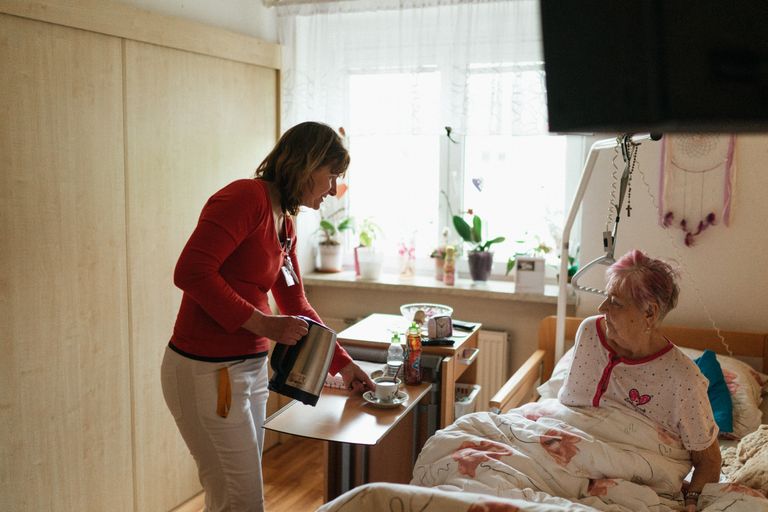
Technical competence ensures tasks get done safely. Compassion determines how those tasks are experienced by the person receiving care. A bath given hurriedly and silently meets a physical need but can feel cold and impersonal. The same task, done patiently and with genuine warmth, meets both the physical need and a deeper need for dignity and connection.
Over time, this difference compounds. Clients cared for compassionately tend to be more willing to accept help, more engaged in their own care, and generally happier—outcomes that matter just as much as physical safety.
Key Qualities to Look for in a Caregiver
Genuine Patience
Look for caregivers who don’t rush tasks or show visible frustration when something takes longer than expected. Patience often reveals itself in small moments—waiting calmly while someone finishes a sentence or completes a task at their own pace.
Respectful Communication
A compassionate caregiver explains what they’re doing, asks about preferences, and speaks to clients directly and respectfully rather than talking over them or making assumptions.
Genuine Curiosity About the Person
Caregivers who ask questions about a client’s life, interests, and history—not just their care needs—demonstrate a level of engagement that goes beyond task completion.
Reliability and Consistency
Compassion means little without follow-through. A caregiver who shows up consistently and communicates proactively builds the kind of trust that makes care feel secure, a quality we explored in Why Consistency Matters in Home Care for Seniors, where reliable, familiar caregivers significantly improved comfort and trust over time.
Emotional Attunement
Look for caregivers who notice and respond to mood, not just physical needs—someone who recognizes when a client seems down and responds with genuine warmth rather than moving straight to the next task.
Appropriate Training and Experience
Compassion should be paired with proper training in personal care, safety practices, and any condition-specific needs your loved one may have.
Questions to Ask When Choosing a Caregiver or Agency
- How are caregivers screened, trained, and matched with clients?
- What happens if the initial caregiver match isn’t a good fit?
- How does the agency handle communication with families?
- What is the process if a scheduled caregiver is unavailable?
- Can we meet the caregiver before care begins?
- How does the agency support caregiver consistency over time?
Red Flags to Watch For
- Reluctance to answer specific questions about screening or training
- High caregiver turnover without clear explanation
- Caregivers who seem rushed or disengaged during initial meetings
- Lack of clear communication processes for updates or concerns
- Pressure to commit quickly without adequate time to ask questions
How to Involve Your Loved One in the Decision
Whenever possible, include your loved one directly in the caregiver selection process. Their comfort and rapport with a caregiver matters significantly, and involving them reinforces a sense of control during a transition that can otherwise feel disempowering. Ask for their honest impressions after an initial meeting, and take those impressions seriously, even if the caregiver seems well-qualified on paper.
This kind of respect for personal choice reflects a broader principle in good caregiving, one we discussed in How Caregivers Can Support Independence Without Taking Away Choice, where preserving a client’s voice in decisions about their own care proved central to a positive care experience.
Practical Tips for Families
- Meet potential caregivers in person before committing whenever possible
- Ask for specific examples of how a caregiver has handled difficult situations in the past
- Trust your instincts about warmth and genuine engagement, not just qualifications
- Start with a trial period if the agency allows it, to assess fit before a longer commitment
- Check in with your loved one regularly about how they feel about their caregiver
How Blessed Hands Home Care Helps
At Blessed Hands Home Care, we take caregiver matching seriously because we know it shapes the entire care experience. Our screening process looks beyond qualifications to genuine character—patience, warmth, and a real interest in connecting with clients as people, not just tasks to complete.
We also involve families and clients directly in the matching process, welcoming questions and adjusting if an initial pairing isn’t the right fit. Our goal isn’t just to place a caregiver—it’s to build a relationship that feels genuinely supportive and trustworthy from the very first visit.
Choosing a caregiver is a significant decision, and we aim to make that process as transparent and collaborative as possible, so families feel confident in who they’re welcoming into their loved one’s daily life.
Frequently Asked Questions
How do I know if a caregiver is genuinely compassionate versus just professional?
Watch for specific behaviors during initial meetings: patience, respectful communication, genuine curiosity about your loved one, and comfort discussing difficult topics honestly.
What if the first caregiver we choose isn’t a good fit?
A reputable agency should be willing to reassess the match and provide a different caregiver if the initial pairing isn’t working well for your loved one.
Should cost be a primary factor in choosing a caregiver?
While cost matters practically, prioritizing compassion, training, and reliability tends to lead to better outcomes and can prevent the disruption and cost of switching providers later.
How important is it to meet a caregiver before care begins?
Very important when possible. In-person meetings reveal communication style and rapport in ways that resumes or phone calls cannot.
What if my loved one is resistant to accepting any caregiver?
Involving them in the selection process, starting with shorter visits, and choosing a caregiver known for patience can help ease resistance over time.
How long does it typically take to find the right caregiver match?
This varies, but a good agency should be responsive to feedback and willing to make adjustments relatively quickly if an initial match isn’t working well.
Key Takeaways
- Compassion and technical skill are both essential when choosing a caregiver, not one or the other.
- Key qualities include patience, respectful communication, genuine curiosity, and emotional attunement.
- Asking specific questions and watching for red flags helps families make a more informed decision.
- Involving a loved one directly in the selection process supports their sense of control and comfort.
- Blessed Hands Home Care prioritizes genuine character alongside training in every caregiver match.
Conclusion
Choosing a caregiver is ultimately about trust—trusting someone to show up with skill, patience, and genuine care for a person you love. Taking the time to look beyond qualifications, ask the right questions, and involve your loved one in the decision leads to a care relationship that feels supportive rather than simply transactional.
Contact Blessed Hands Home Care Today
If you’re looking for a compassionate, trustworthy caregiver for your loved one, Blessed Hands Home Care is here to help. Contact us today to learn more about our caregiver matching process and start building a care plan built on trust.