
How Home Care Supports Seniors Living with Long-Term Health Conditions
Managing a chronic health condition is rarely a single, defined task—it’s an ongoing part of daily life that touches everything from meal choices to energy levels to how a day gets planned. For seniors living with conditions like diabetes, heart disease, arthritis, COPD, or Parkinson’s, the demands of managing that condition don’t pause, even on hard days.
What makes long-term conditions particularly challenging is that they require consistency. A single missed medication or skipped meal might not matter much for someone in good health, but for a person managing diabetes or heart disease, that same lapse can have real consequences. This constant vigilance can be exhausting, both for the individual and for family members trying to help from a distance or around their own responsibilities.
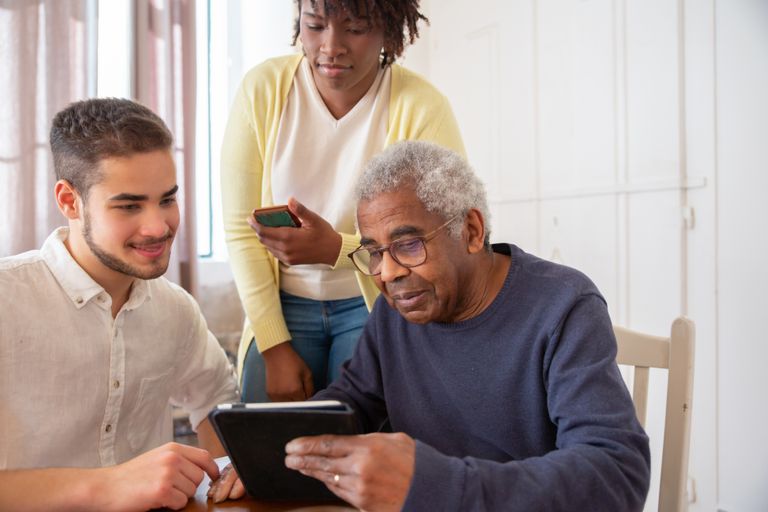
Home care offers a way to build that consistency into daily life without requiring a hospital or facility setting. Rather than replacing medical treatment, non-medical home care supports the daily habits and routines that make managing a chronic condition more sustainable—medication reminders, nutrition support, mobility assistance, and steady observation for changes worth flagging to a physician.
At Blessed Hands Home Care, we work with many clients managing long-term health conditions, and we’ve seen how consistent, attentive support makes daily management significantly more manageable. In this article, we’ll look at the specific ways home care supports seniors with chronic conditions and how families can build a sustainable care routine.
Why Chronic Conditions Require Consistent Daily Support
Long-term health conditions often involve a combination of demands that compound over time:
- Strict medication schedules, sometimes involving multiple prescriptions
- Dietary restrictions that require planning and preparation
- Regular monitoring of symptoms or vital signs
- Mobility limitations that affect daily activities
- Frequent medical appointments and coordination
Managing all of this alone, especially as physical or cognitive capacity changes, becomes increasingly difficult. Consistent support helps prevent the kind of small lapses that can lead to serious complications.
How Home Care Supports Chronic Condition Management
Medication Reminders and Routine Tracking
Consistent reminders help ensure medications are taken on schedule, reducing the risk of complications from missed or duplicated doses. This is especially critical for conditions like heart disease or diabetes, where timing directly affects health outcomes, a connection we explored in Medication Reminders for Seniors: How Caregivers Support Safer Daily Routines, where consistent reminders played a direct role in preventing complications.
Nutrition Support Tailored to Health Needs
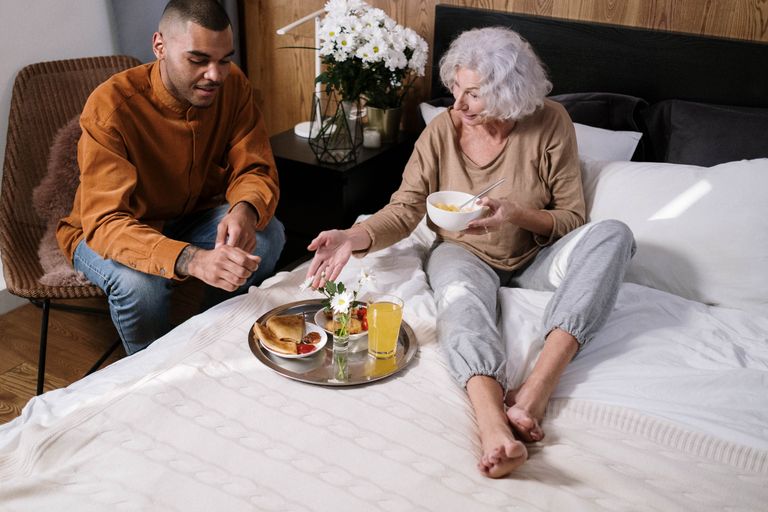
Many chronic conditions require specific dietary considerations—managing sodium for heart conditions, carbohydrate intake for diabetes, or texture modifications for swallowing difficulties. Caregivers help prepare meals that align with these requirements, making adherence far more achievable than managing it alone.
Mobility Support and Fall Prevention
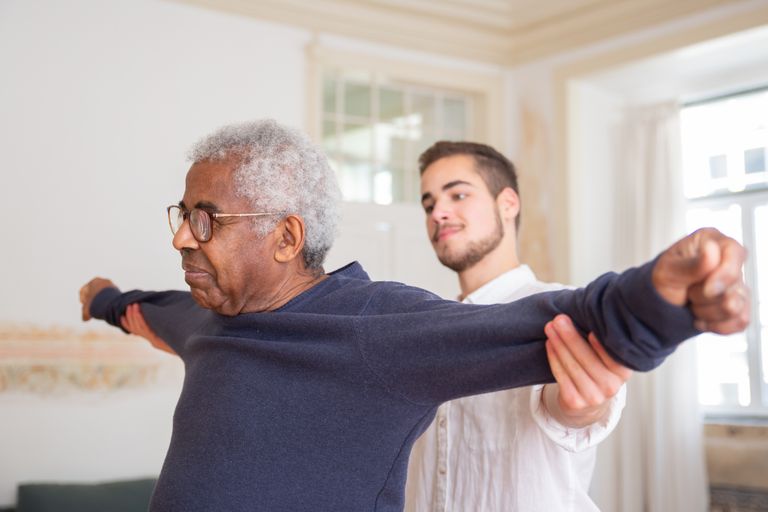
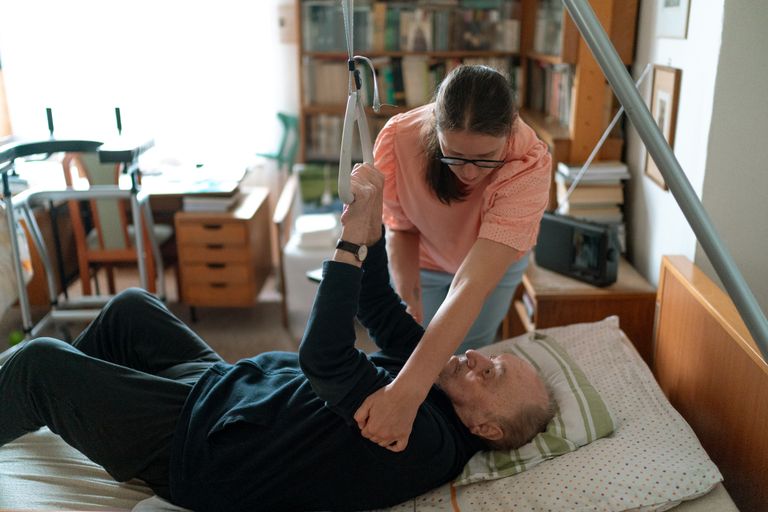
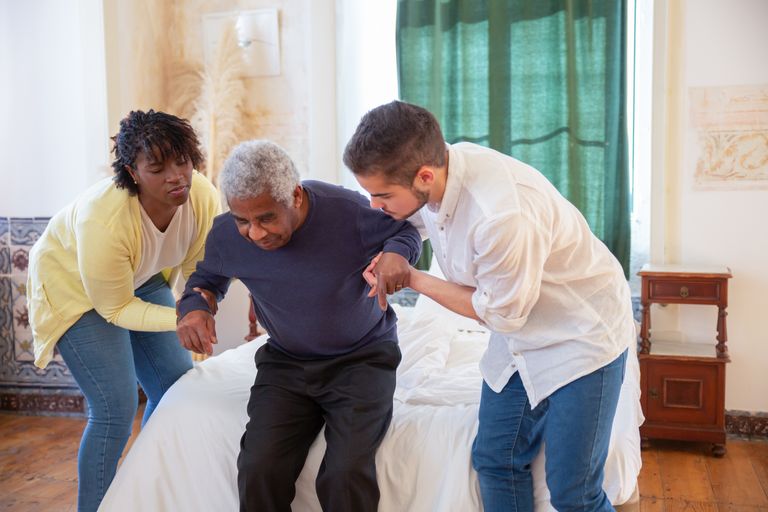
Conditions like arthritis, Parkinson’s, or the after-effects of a stroke often affect balance and mobility. Caregivers provide steady support during movement, reducing fall risk while helping clients stay as physically active as safely possible.
Monitoring for Symptom Changes
Caregivers who spend regular time with clients are well-positioned to notice changes—increased swelling, new shortness of breath, unusual fatigue—that may indicate a condition is progressing or needs medical attention.
Coordinating Appointments and Follow-Up Care
Chronic conditions typically require ongoing medical monitoring. Caregivers help ensure appointments aren’t missed and can assist with transportation, keeping treatment plans on track.
Providing Consistency During Symptom Fluctuations
Many chronic conditions involve good days and bad days. Caregivers adjust support based on how a client is feeling, providing more hands-on assistance during flare-ups and stepping back appropriately on better days.
Common Long-Term Conditions Home Care Can Support
While every care plan is individualized, home care commonly supports management of conditions including:
- Diabetes
- Heart disease and congestive heart failure
- Chronic obstructive pulmonary disease (COPD)
- Arthritis and other mobility-limiting conditions
- Parkinson’s disease
- Stroke recovery and lingering effects
- Chronic kidney disease
Practical Tips for Families
- Keep an updated, written summary of the condition, medications, and care instructions for caregivers
- Communicate clearly with caregivers about specific symptoms that warrant immediate attention
- Build flexibility into care plans to accommodate symptom fluctuations
- Coordinate with physicians to ensure home care support aligns with the overall treatment plan
- Revisit the care plan regularly as the condition or needs evolve
How Blessed Hands Home Care Helps
At Blessed Hands Home Care, we understand that managing a chronic condition well requires more than a checklist—it requires steady, attentive support that adapts to how someone is feeling each day. Our caregivers work closely with families to understand each client’s specific condition, treatment plan, and warning signs worth watching for.
This means care isn’t generic. A client managing diabetes needs different daily support than someone recovering from a stroke or living with COPD, and our caregivers tailor their approach accordingly, always working within the guidance provided by each client’s medical team.
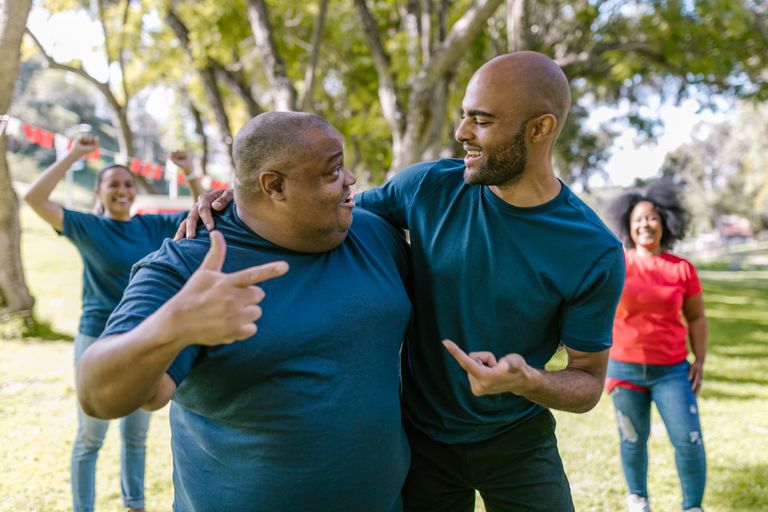
We also recognize that living with a chronic condition can be emotionally taxing, not just physically demanding. Our caregivers provide the kind of steady presence and encouragement we discussed in Why Emotional Support Is Important in Home Care, recognizing that managing a long-term condition well involves supporting both physical and emotional well-being.
Frequently Asked Questions
Does home care replace medical treatment for chronic conditions?
No. Non-medical home care supports daily management—medication reminders, nutrition, mobility—but works alongside, not in place of, medical treatment from physicians and specialists.
Can caregivers monitor vital signs like blood pressure or blood sugar?
Some caregivers can assist with basic monitoring using simple devices, depending on training and state regulations, but this varies by provider and situation. Skilled monitoring typically requires a licensed medical professional.
How does home care help prevent complications from chronic conditions?
By supporting consistent medication routines, appropriate nutrition, mobility safety, and early recognition of concerning symptoms, home care helps reduce the risk of the small lapses that often lead to complications.
Can home care support multiple chronic conditions at once?
Yes. Many clients manage more than one condition simultaneously, and care plans can be built to address the combined needs, always in coordination with the client’s medical providers.
How do I know if my loved one needs more support managing their condition?
Signs include missed medications, difficulty preparing appropriate meals, increased fatigue, or missed medical appointments. An honest conversation with a physician can also help clarify support needs.
Will home care coordinate with my loved one’s doctor?
Home care providers typically don’t communicate directly with physicians unless specifically authorized, but they can share observations with families, who can then relay relevant information to the medical team.
Key Takeaways
- Managing chronic health conditions requires consistent daily support, which can be difficult to sustain alone.
- Home care supports medication routines, nutrition, mobility, and symptom monitoring for chronic conditions.
- Care plans should be tailored to the specific condition and coordinated with medical providers.
- Emotional support is an important, often overlooked, part of managing long-term health conditions well.
- Blessed Hands Home Care builds individualized support around each client’s specific condition and treatment plan.
Conclusion
Living with a chronic health condition doesn’t have to mean giving up independence or facing daily management alone. With consistent, attentive support, seniors can manage long-term conditions more safely and sustainably at home, while families gain real peace of mind knowing someone is paying close attention.
Contact Blessed Hands Home Care Today
If a loved one is managing a chronic health condition, Blessed Hands Home Care can help provide the consistent support that makes daily management easier. Contact us today to build a personalized care plan.