
Why Emotional Support Is Important in Home Care
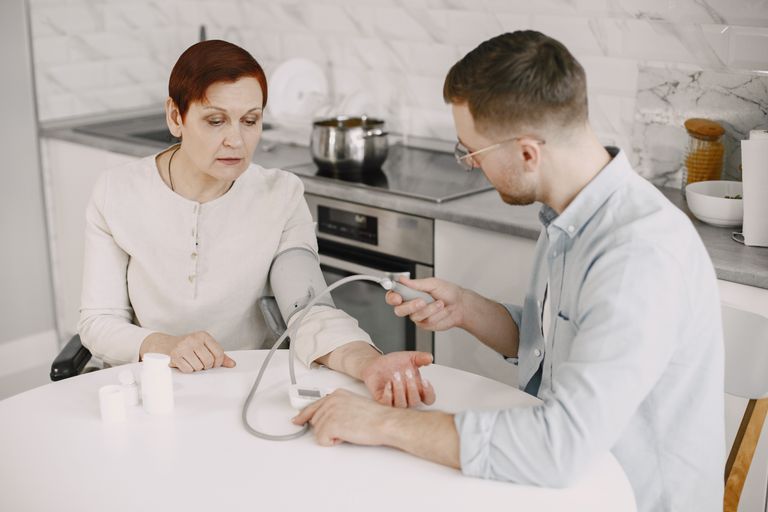
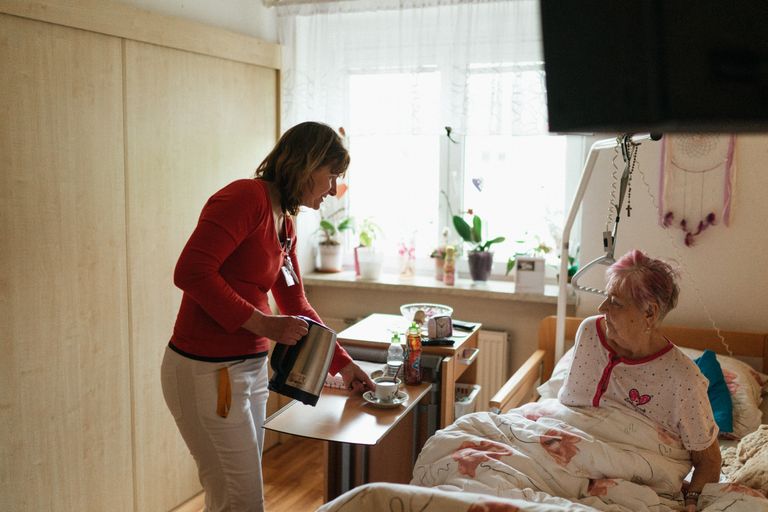
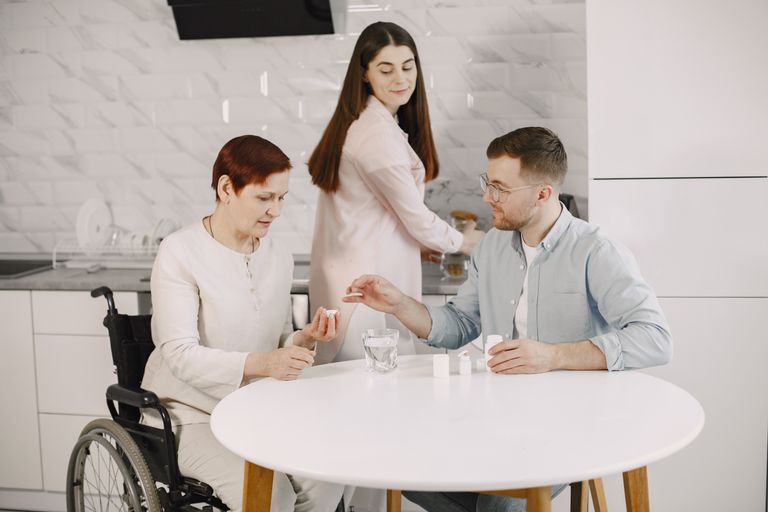
When people think about home care, the focus often lands on the physical side: help with bathing, meal preparation, mobility, medication reminders. These are essential, visible needs, and it makes sense that they get the most attention. But underneath the physical tasks, there’s often a quieter need that gets far less discussion—the emotional toll of aging, illness, or disability.
Growing older or living with a disability isn’t just a physical experience. It often comes with real emotional weight: grief over lost abilities, anxiety about the future, frustration with a body or mind that doesn’t work the way it used to, and sometimes a persistent sadness that’s easy to dismiss as “just part of getting older.” Left unaddressed, these emotions can affect everything from appetite to motivation to willingness to accept help at all.
Good home care recognizes that emotional well-being isn’t separate from physical health—it’s deeply connected to it. A caregiver who only focuses on tasks, without attention to how a client is actually feeling, is missing a significant part of what makes care effective.
At Blessed Hands Home Care, emotional support is treated as a genuine part of caregiving, not an incidental bonus. In this article, we’ll look at why emotional well-being matters so much in home care, common emotional challenges seniors and adults with disabilities face, and how caregivers provide meaningful support.
The Emotional Side of Aging and Disability
Grief Over Loss of Ability
Even gradual physical decline involves real loss—the ability to drive, to garden without assistance, to climb stairs without fear. These losses deserve acknowledgment, not dismissal, even when they seem minor from the outside.
Anxiety About the Future
Uncertainty about health, finances, or the possibility of needing more intensive care can create ongoing anxiety, sometimes expressed as irritability or withdrawal rather than direct worry.
Grief from Losing Loved Ones
Many older adults experience the loss of a spouse, siblings, or close friends within a relatively short period, creating layered grief that can be difficult to process alone.
Frustration and Loss of Control
Needing help with tasks once done independently can bring genuine frustration, sometimes directed outward at caregivers or family, even when it’s really about the underlying loss of autonomy.
Depression
Depression among seniors is common and frequently under-recognized, often mistaken for normal aging rather than a treatable condition requiring attention.
Why Emotional Support Affects Physical Health Too
Emotional well-being and physical health are closely linked, particularly in older adults:
- Depression and anxiety are associated with reduced appetite and unintentional weight loss
- Emotional distress can reduce motivation for physical activity or personal care
- Chronic stress affects immune function and cardiovascular health
- Untreated emotional struggles can lead to withdrawal from social connection, compounding isolation
This connection between emotional and physical well-being is part of what we discussed in How Companion Care Helps Reduce Loneliness in Seniors, where addressing emotional isolation had measurable effects on overall health outcomes.
How Caregivers Provide Emotional Support
Genuine, Attentive Listening
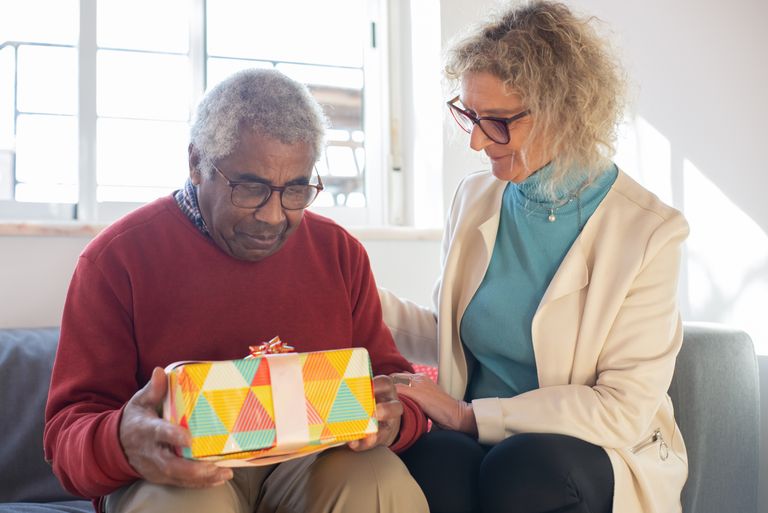
Sometimes the most valuable thing a caregiver offers isn’t a task completed but simply being present and willing to listen without rushing to fix or minimize what someone is feeling.
Acknowledging Difficult Feelings
Rather than offering quick reassurance like “don’t worry about it,” effective caregivers acknowledge feelings directly: “That sounds really hard” validates an experience instead of brushing past it.
Noticing Emotional Changes
Caregivers who see clients regularly are often positioned to notice shifts in mood, energy, or engagement that might otherwise go unnoticed between family visits.
Encouraging Connection to Meaning and Purpose
Helping clients stay engaged with hobbies, faith practices, or activities that matter to them supports emotional well-being alongside physical care, a theme we explored in Living Every Day with Purpose: How Caregivers Support Well-Being, where maintaining meaningful daily engagement had a clear positive effect on clients’ emotional outlook.
Communicating Concerns to Families
When a caregiver notices signs of persistent low mood or withdrawal, sharing these observations with family allows for appropriate follow-up, whether that’s additional support or a conversation with a healthcare provider.
When Emotional Struggles May Need Professional Support
While caregivers provide meaningful day-to-day emotional support, some situations call for professional mental health care. Families should consider reaching out to a doctor or counselor if a loved one shows:
- Persistent sadness lasting more than two weeks
- Loss of interest in previously enjoyed activities
- Significant changes in sleep or appetite
- Expressions of hopelessness or thoughts of self-harm
- Withdrawal that continues to worsen despite support
Caregivers can play an important role in noticing these signs, but they work alongside, not in place of, appropriate mental health treatment when it’s needed.
Practical Tips for Families
- Check in on emotional well-being directly, not just physical health, during visits and calls
- Avoid dismissing feelings of loss or frustration, even when they seem tied to small changes
- Encourage continued engagement in hobbies or activities that bring meaning
- Watch for signs of depression that may be mistaken for normal aging
- Involve a doctor or counselor if emotional struggles persist or worsen
How Blessed Hands Home Care Helps
At Blessed Hands Home Care, we train our caregivers to see emotional well-being as inseparable from physical care. This means genuinely listening, acknowledging difficult feelings rather than glossing over them, and paying attention to shifts in mood or engagement over time.
Our caregivers build relationships with clients that go beyond completing tasks, creating space for real conversation and connection. When we notice signs that a client may be struggling emotionally, we communicate openly with families, ensuring that concerns don’t go unaddressed simply because they weren’t physical in nature.
We believe that caring for the whole person means caring for their emotional health with the same attention and consistency we bring to physical support.
Frequently Asked Questions
Can a caregiver help with depression or anxiety?
Caregivers can provide meaningful emotional support and companionship, and can help identify when professional mental health treatment may be needed, but they don’t replace therapy or medical treatment for diagnosed conditions.
How can I tell if my loved one’s sadness is normal aging or something more serious?
Persistent sadness lasting more than two weeks, loss of interest in activities, or significant changes in sleep or appetite are signs that professional evaluation may be helpful.
Is it normal for aging to come with grief, even without a specific loss?
Yes. Grief over lost abilities, independence, or changing roles is common and valid, even without the death of a loved one involved.
How do caregivers balance emotional support with completing daily tasks?
Emotional support often happens alongside physical care—through conversation during a task, attentive listening, and genuine engagement rather than as a separate, scheduled activity.
Should I mention my concerns about my loved one’s emotional state to their caregiver?
Yes. Sharing your observations helps caregivers pay closer attention to specific concerns and supports more coordinated care between family and caregiver.
Can addressing emotional well-being actually improve physical health outcomes?
Yes. Emotional distress is linked to reduced appetite, lower motivation for activity, and weakened immune function, so addressing it can have real physical health benefits.
Key Takeaways
- Emotional well-being is deeply connected to physical health, especially in older adults.
- Grief, anxiety, frustration, and depression are common but often under-recognized experiences in aging and disability.
- Caregivers support emotional health through listening, validation, and encouraging meaningful engagement.
- Persistent or worsening emotional struggles may require professional mental health support.
- Blessed Hands Home Care treats emotional well-being as a core part of caregiving, not a separate concern.
Conclusion
Caring for someone well means caring for more than their physical needs. Emotional support—genuine listening, validation, and consistent presence—plays a vital role in helping seniors and adults with disabilities navigate the real emotional weight that often comes with aging or disability.
Contact Blessed Hands Home Care Today
If you want care that addresses both physical and emotional well-being, Blessed Hands Home Care is here to help. Contact us today to learn more about our compassionate, whole-person approach to caregiving.